- Which colors photograph best and why solid tones almost always outperform patterns in headshots
- How to match your wardrobe to your industry, professional audience, and personal brand
- What to avoid — the most common wardrobe mistakes that undermine great headshots
- Step-by-step preparation checklist from outfit selection through shoot day grooming
Table of Contents
- Why Wardrobe Is One of the Most Important Headshot Decisions
- How Wardrobe Affects the Psychology of Your Headshot
- Best Colors and Styles for Headshots in 2026
- How to Match Your Wardrobe to Your Industry
- Step-by-Step Wardrobe Preparation Guide
- 10 Questions to Ask Yourself Before the Shoot
- Common Wardrobe Mistakes to Avoid
- Pro Tips for Looking Your Best on Camera
- Headshot Photography in 2026: What You Need to Know
- Frequently Asked Questions
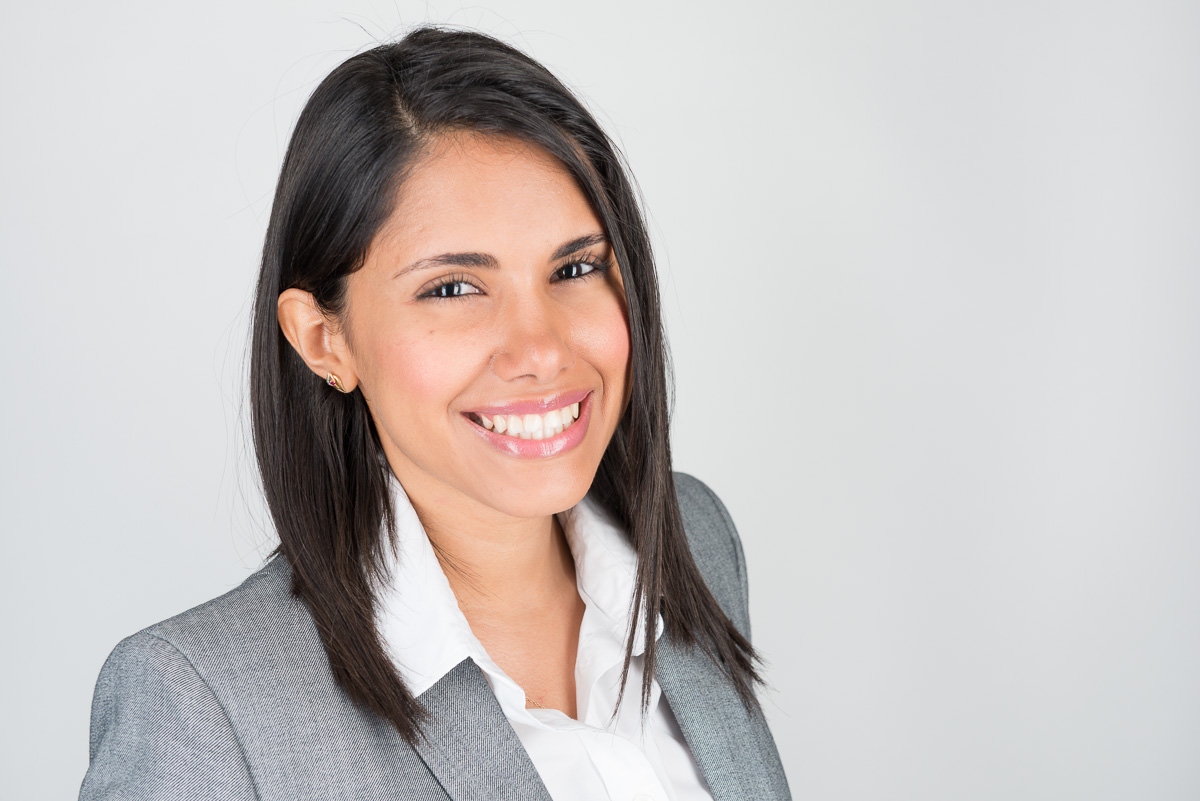
Why Wardrobe Is One of the Most Important Headshot Decisions
When it comes to professional headshots, wardrobe is not a secondary consideration — it is one of the three most important decisions you'll make alongside photographer selection and shoot location. The clothes you wear in your headshot communicate your professional identity, industry positioning, personal brand, and level of seriousness to every person who sees the image. An otherwise technically excellent headshot can be undermined entirely by the wrong wardrobe choice. Conversely, the right wardrobe elevates every technical aspect of an already great image.
In 2026, professional headshots appear across more contexts than at any previous point: LinkedIn profiles, company websites, conference speaker pages, press materials, business cards, email signatures, legal and medical directories, podcast guest bios, and author pages. Each context has its own implicit visual standards. What works for a tech startup founder's LinkedIn profile may not work for a physician's hospital directory photo. Understanding where your headshot will primarily be used is the first step to making the right wardrobe choices.
This guide covers everything you need to know about headshot wardrobe — color psychology, fit and structure, what to avoid, how to dress for your specific industry, and practical preparation tips that ensure your wardrobe performs as well as possible on the day of your shoot. Find a headshot photographer on ProShoot.io → app.proshoot.io/PostJob
How Wardrobe Affects the Psychology of Your Headshot
Color, fit, and style send immediate subconscious signals to viewers before they consciously process any other aspect of your image. Research in visual psychology consistently shows that color alone influences perception of warmth, authority, creativity, and trustworthiness. The wrong color choice can make an otherwise technically perfect headshot feel cold, untrustworthy, or inappropriately casual. The right color choice reinforces and amplifies the professional impression you're trying to create.
Fit is equally important. Ill-fitting clothing — too loose, too tight, collar gaps, shoulder seams falling off the shoulder — creates visual distractions that pull the viewer's eye away from your face and expression, which are the actual subjects of a headshot. Every element of your outfit should support the viewer's eye in traveling naturally to your face. Anything that interrupts that journey undermines the entire image.
- Authority and trust: Navy blue, charcoal gray, and dark tones communicate authority, reliability, and trustworthiness. Ideal for corporate, legal, financial, and healthcare professionals.
- Warmth and approachability: Mid-tones like burgundy, forest green, and warm gray convey warmth and approachability. Ideal for consultants, coaches, educators, and relationship-driven service professionals.
- Creativity and energy: Deliberate color — a jewel-toned blouse, a distinctive accent — signals creativity and confidence. Appropriate for creatives, entrepreneurs, and personal brand builders.
- Calm and clarity: Lighter blues, soft pastels, and white communicate calm, openness, and clarity. Often used by healthcare, mental health, and education professionals.
"The wardrobe choices that work best in headshots are almost never the most fashionable ones — they're the ones that serve the face by keeping the viewer's attention exactly where it needs to be." — ProShoot.io Professional Headshot Photographer
Best Colors and Styles for Headshots in 2026
Best Colors
Solid deep tones consistently photograph well across all skin tones and background colors.
Good Options
Context-dependent. White is crisp but can wash out on light backgrounds. Teal is photogenic but can overwhelm the face.
Use Caution
Can work for specific creative brands but easily overwhelm or create unflattering color casts on skin.
Usually Avoid
Thin stripes and small houndstooth create moiré optical effects and distracting visual vibrations in digital photography.
What to Avoid in Headshot Wardrobe
| Avoid | Why |
|---|---|
| Thin stripes and fine patterns | Create moiré patterns (optical shimmer) in digital images that distract and are impossible to fully correct |
| Pure black clothing on dark backgrounds | Causes the subject to merge with the background, losing professional definition and presence |
| Bright white on light backgrounds | Glows in photography, creates exposure challenges, and washes out the subject |
| Logos and text on clothing | Dates the image quickly and creates visual noise that competes with your face |
| Large statement accessories | Bold jewelry, dramatic scarves, and oversized glasses draw the eye away from the face |
| Ill-fitting garments | Collar gaps, shoulder seam drift, and clothing that bunches create distracting visual elements |
How to Match Your Wardrobe to Your Industry and Brand
The right wardrobe for a headshot is the one that accurately communicates who you are to the specific audience who will see the image. Here is how to approach wardrobe decisions by industry:
Corporate, Legal, and Financial Professionals
Structured blazers, suits, and dress shirts in navy, charcoal, and deep tones. Minimal accessories. The goal is to communicate authority, reliability, and competence. Avoid anything so trend-driven that it dates the image quickly. Classic silhouettes and colors remain appropriate for 3–5 years.
Healthcare and Wellness Professionals
Clean, calm colors — soft blues, white, and muted tones — that signal cleanliness, calm, and approachability. Scrubs are appropriate only for specific institutional directory contexts where they are the expected visual standard for the audience.
Creative, Tech, and Entrepreneurial Professionals
More latitude for personal expression, but still structured. A well-fitted crew-neck sweater in a strong color, a deliberate blazer over a quality casual shirt, or a distinctive top that expresses personality within a composed, professional frame. Avoid anything so casual it reads as unprofessional to your specific target audience.
Real Estate and Sales Professionals
Polished and approachable professional across a range from smart casual to business professional, depending on your market and price point. Warm tones that signal trustworthiness and approachability tend to perform particularly well for client-facing real estate professionals whose headshots primarily appear on property listing materials.
Step-by-Step Wardrobe Preparation for Your Headshot Session
- Define the professional context first. Where will this headshot primarily be used? Let the context guide every wardrobe decision you make.
- Pull 5–8 candidate outfits and photograph yourself in each one. What looks good in the mirror doesn't always translate to camera. Review phone photos of each option before editing your list.
- Narrow to 3–4 final options covering different colors and formality levels. Variety gives your photographer the ability to advise on what works best with your specific background and lighting setup.
- Steam or professionally press every garment. Wrinkles that are barely noticeable in person become distracting in close-up professional photography. Every outfit must be wrinkle-free before the shoot.
- Check fit carefully while in the headshot posture. Try on each outfit as you would stand or sit for the portrait. Look specifically for collar gaps, shoulder seam positioning, and anything that bunches or pulls when you hold that position.
- Select accessories minimally. Simple earrings, a classic watch, and subtle jewelry support the portrait. Large statement pieces compete with your face for attention — and always lose.
- Bring all options to the shoot. Don't pre-edit down to one outfit before you see how each looks against the actual background and under the actual lighting. Bring everything.
- Complete all grooming before arriving. Hair, shaving, makeup, and skin preparation should all be finished before the photographer's scheduled arrival time, not during setup.
10 Questions to Ask Yourself About Your Headshot Wardrobe
- "Does this outfit match the professional context and audience for this specific headshot?"
- "Does the color complement my skin tone, or does it compete with it?"
- "Is the fit perfect — not too loose, not too tight — especially at the collar and shoulders?"
- "Does this garment have any patterns that might create visual moiré in photography?"
- "Is this outfit freshly pressed and completely wrinkle-free?"
- "Does this outfit communicate the version of myself I want this headshot to project?"
- "Will this still look appropriate in 2–3 years, or does it feel too trend-driven for a long-lasting headshot?"
- "Do my accessories support the portrait or compete with my face for the viewer's attention?"
- "Is my hair and grooming appropriate for the formality level of this outfit?"
- "Have I photographed myself in this outfit to see how it actually looks on camera?"
Common Wardrobe Mistakes That Undermine Great Headshots
Mistake 1: Wearing What Looks Good in the Mirror Rather Than What Photographs Well
The way clothing looks in the mirror and the way it appears in professional photography are often significantly different. Fine patterns moiré, colors shift under studio lighting, and textures that look interesting in person become distracting in a tight close-up frame. Test your outfits under different lighting conditions and review photos of yourself in each option before the shoot.
Mistake 2: Choosing Trends Over Timelessness
A headshot should remain current for 2–5 years. Wearing a highly trendy piece that clearly dates the image to a specific fashion season defeats the purpose of investing in a professional portrait. Classic silhouettes and colors outlast trends every time in headshot photography.
Mistake 3: Ignoring Fit and Grooming
The most expensive wardrobe fails if the collar is two sizes too large, the shoulders don't sit correctly, or the outfit is wrinkled. Professional fit and professional grooming are equally non-negotiable for a great headshot. Invest in both before investing in a photographer.
Mistake 4: Not Considering the Background Color
Your outfit must contrast appropriately with your background. A dark navy jacket against a dark gray background creates insufficient contrast. A white blazer against a bright white background produces a ghostly appearance. Ask your photographer about background options and dress accordingly, or bring multiple outfit options and decide together on set.
Mistake 5: Over-Accessorizing
Chunky necklaces, dangling earrings, bold statement jewelry, and dramatic scarves all compete with your face for the viewer's attention — and in a headshot, your face always needs to win that competition. Keep accessories minimal, classic, and deliberately understated.
Mistake 6: Bringing Only One Outfit
Eliminating options before the shoot removes your photographer's ability to advise and removes your ability to compare different looks against the actual background and lighting. Bring 3–5 options to every headshot session and make the final selection on set with your photographer's input.
Pro Tips for Looking Your Best in Headshots
- Get a haircut 5–7 days before the shoot. Not the day before — freshly cut hair tends to look too stiff and uniform on camera. A few days of natural growth settles hair into a more relaxed and photogenic appearance.
- On-camera makeup needs to be slightly more than in-person. Natural-looking makeup appears minimal on camera. Add slightly more coverage, definition, and color than you would wear to an in-person meeting to achieve a natural-looking result in photography.
- Bring clothing tape to the shoot. Small pieces of fashion tape ensure collars and necklines stay in place throughout the session without constant manual adjustment.
- Prioritize sleep the night before. Fatigue shows dramatically in professional portraits — especially in the eyes. A well-rested face photographs significantly better than a tired one, and no amount of retouching fully compensates for visible fatigue.
- Hydrate well in the 24 hours before your shoot. Proper hydration improves skin clarity and reduces the appearance of fine lines and under-eye circles in photography.
- Arrive 10 minutes early to settle. Arriving slightly rushed and stressed produces tense expressions that no posing direction fully overcomes. Give yourself extra time on the day of the shoot to arrive calm and composed.
- Practice your expression in the mirror. Spend 5 minutes practicing a natural, confident smile and a composed, serious expression before arriving. Knowing how to access these expressions naturally reduces the time needed to find them on set.
Headshot Photography in 2026: What You Need to Know
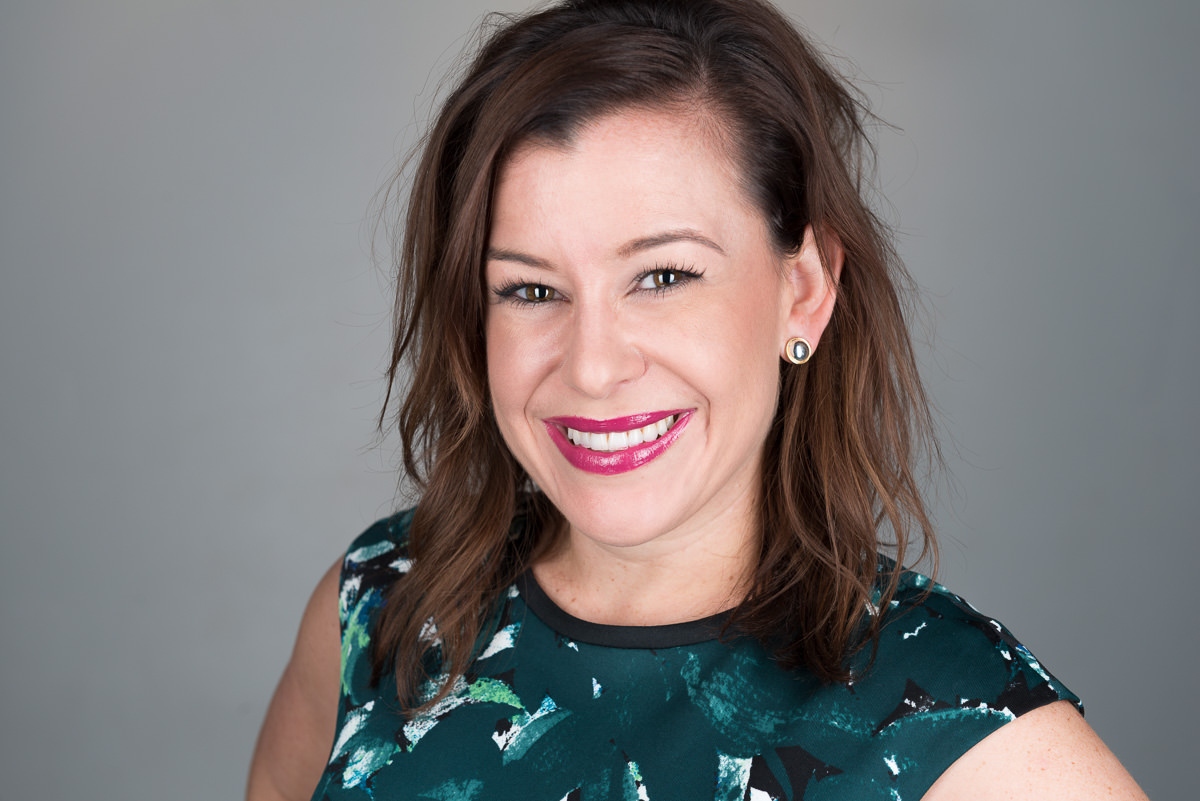
Professional headshots have never been more important to personal and professional brand success. In 2026, the average professional appears in dozens of digital contexts where a headshot is the primary or only visual representation of their professional identity. The quality and impression of that single image compounds across every one of those contexts — positive or negative — every time someone sees it.
The visual standard for professional headshots has risen significantly across every industry and every market. As more professionals understand the impact of quality imagery on their personal brand and professional positioning, the threshold for what reads as "professional" has shifted upward. A headshot that would have looked professional and current in 2018 may look dated, technically insufficient, or visually weak in 2026. For most professionals, updating their headshot every 2–3 years has become standard best practice — and the investment pays dividends in profile views, connection acceptance rates, and first-impression quality in every professional context.
Find a headshot photographer on ProShoot.io → app.proshoot.io/PostJob
Frequently Asked Questions
What colors look best for professional headshots?
Navy blue, charcoal gray, and burgundy are consistently among the most effective headshot colors. They photograph well across all skin tones, communicate professionalism, and don't compete with the face for attention. Deep forest green, teal, and soft blues are also excellent. Avoid very bright, neon, or highly saturated colors that overwhelm the face.
Should I wear solid colors or patterns for my headshot?
Solid colors almost always outperform patterns in professional headshots. Fine stripes, small houndstooth, and busy prints create moiré effects in digital photography that are distracting and difficult to correct. Large, bold patterns can work for creative professionals as intentional brand statements, but require careful coordination with your photographer.
How many outfits should I bring to a headshot session?
Bring 3-5 outfit options to your headshot session. This gives your photographer the ability to advise on what works best with your background and lighting, and gives you variety when reviewing final images. Don't pre-edit down to one outfit before you see how each option actually looks on set.
What should men wear for professional headshots?
Men generally look best in structured blazers or sport coats in navy, charcoal, or dark tones over dress shirts or quality polos. A tie is appropriate for formal corporate or legal contexts; less formal industries don't require one. Ensure the collar fits properly — collar gap is one of the most common and distracting wardrobe issues in men's headshots.
What should women wear for professional headshots?
Women have more wardrobe latitude, but the same principles apply: well-fitted garments in solid, flattering colors that don't distract from the face. Structured blazers, solid blouses in deep or mid-tones, and v-necks that create a clean neckline all work well. Avoid busy patterns, excessive ruffles near the face, or very trend-driven styling.
Should I wear makeup for my headshot?
Yes - for all genders. On-camera makeup compensates for the flattening effect of photography. Add slightly more coverage, definition, and color than you would for a regular workday. For men, light powder to reduce shine and even skin tone is highly recommended. Many headshot photographers can recommend makeup artists if desired.
How long before my headshot should I get a haircut?
Get your haircut 5-7 days before your session, not the day before or day of. Freshly cut hair tends to look too stiff and uniform on camera. A few days of natural growth settles hair into a more relaxed appearance that photographs better.
How do I find a headshot photographer?
Post your headshot needs on ProShoot.io at app.proshoot.io/PostJob and connect with verified headshot photographers in your area. Review complete headshot galleries before booking, assess lighting quality and expression direction, and confirm they have experience in your industry and the primary context in which the headshot will be used.