Top Event Photographers in Wyoming
Plan Wyoming event photographs that connect performance, reception, and meeting coverage. Practical hiring and application guidance for Jackson, Cheyenne, and Casper.
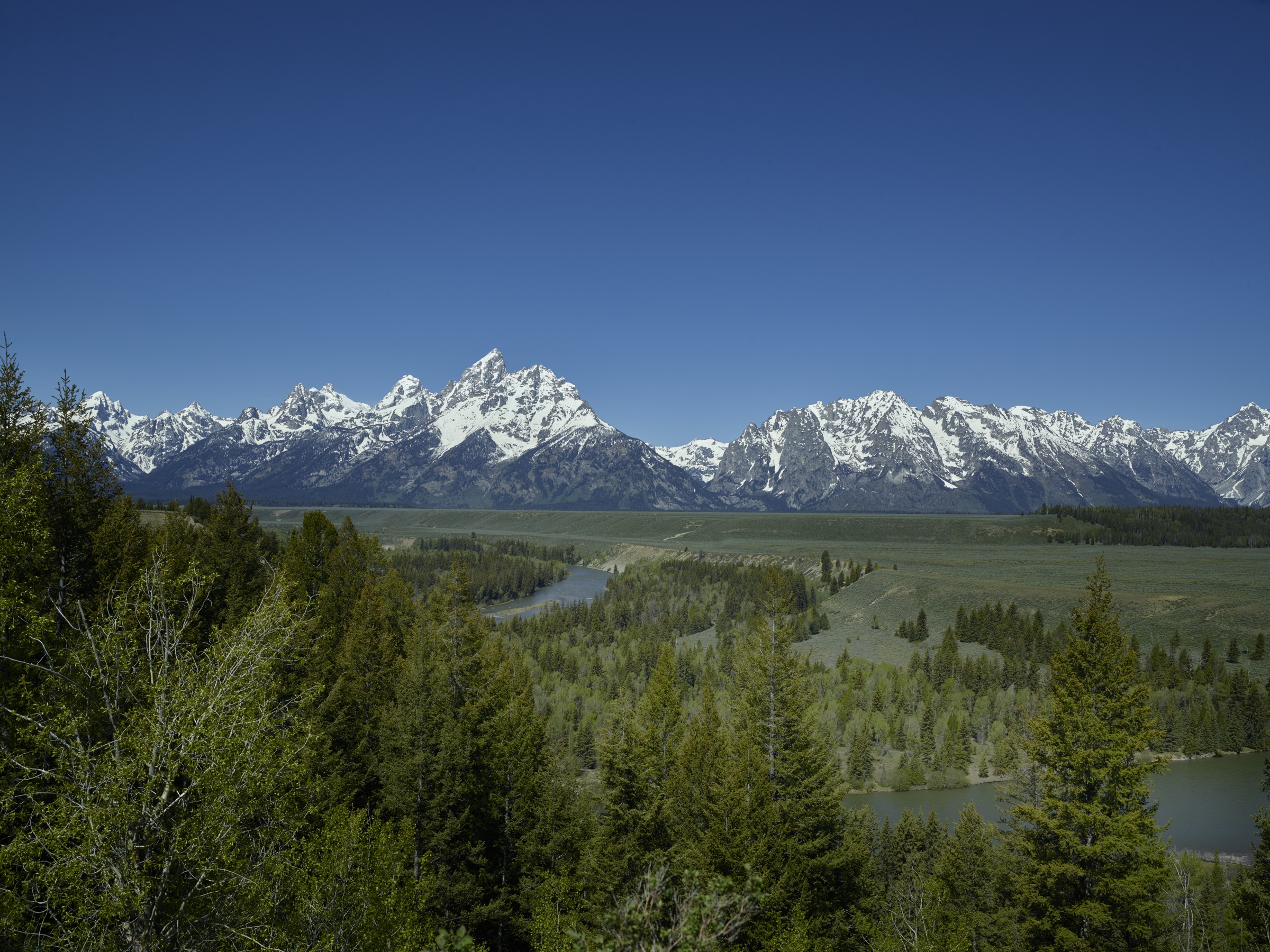
Photo: Carol M. Highsmith / Library of Congress, Prints and Photographs Division, LC-DIG-highsm-38587, May 31, 2016. Public domain. Resized; no crop. Source. Rights.
The moment before a program starts can tell me more about a photography assignment than a long list of equipment. People arrive, introductions happen, and the room begins to make sense. If the brief starts only when the first speaker reaches the stage, those opening relationships may never appear in the final record.
For a Wyoming event, I would ask where the story really begins and ends. A Jackson theater program may have an important lobby gathering. A Cheyenne banquet may need a family group before dinner. A Casper meeting may depend on conversations outside the main presentation. These are planning possibilities, not claims about events currently hiring.
The examples below draw on current operator descriptions of three facilities. They are hypothetical commissions, not accounts of my personal shoots there or a ranking of individual photographers. I would hire by comparing the actual story with authorized complete work and a proposal that explains how it will be covered.
Jackson: cover a program without confusing event access with performance rights
The Center's official rental page distinguishes the Center Theater, its lobby, the Amphitheater, and Center Park. It describes the theater as proscenium-style and the lobby as a two-story space with a glass façade. The Amphitheater has a sloping lawn and built-in stage area; the Park is a separate open-air setting.
Those distinctions matter to a photographer. A theater presentation, a lobby reception, and an outdoor gathering need different positions and different decisions about interruption. Saying only The Center does not tell a prospective crew which assignment is being commissioned.
For a hypothetical community lecture, I would ask whether the organizer needs arrival interaction, the talk, audience response, and a closing portrait. Then I would ask which of those is essential and what permission exists for photographing the presentation. A rental description is not a release from everyone whose work may appear.
Establish what the commissioning organization may authorize
The organizer may control some aspects of the event while another party controls a performance, displayed work, or publication approval. Identify the relevant decisions before the shoot. The photographer should not be expected to infer ownership or permission from the fact that guests have been admitted.
If there are restricted segments, name them in a way the crew can follow. Who will signal the start and end? What happens when a speaker changes the program? A general request to be discreet is not a clear instruction about whether photographs may be made or released.
I would keep access and use separate. Permission to stand in a particular location does not by itself answer whether an image can go in advertising. Likewise, a client agreeing to receive private files does not necessarily approve the photographer's promotional use.
Treat the lobby as part of the story only when it is assigned
The operator says the lobby can work with the adjacent theater or Amphitheater. That is an option the organizer can discuss, not proof that every rental includes it. Ask which spaces are booked and where the photographer is expected to be during the transition.
If introductions in the lobby matter, identify the people and give the photographer a contact who recognizes them. A list of names cannot make an unfamiliar crew know which arrival is the donor, speaker, family member, or organizer the client needs photographed.
For a closing portrait, choose an approved moment that does not compete with another essential part of the program. A speaker leaving immediately creates a different task from someone available afterward. Ask the organizer to settle that availability rather than hope the photographer can persuade them at the door.
Outdoor space needs a separate plan
Center Park and the Amphitheater are not interchangeable just because both are outside. The operator describes different layouts and event possibilities. Use the actual booked area and program map when discussing positions, group arrangements, and equipment.
If an essential group is planned outdoors, agree on an alternative and who may change the location. Do not make a required result depend entirely on a preferred background. The client's purpose might be preserved by an approved indoor portrait when the outdoor option cannot be used.
A theater portfolio can demonstrate relevant performance coverage. Ask for an authorized sequence showing the speaker or performers, audience context, and transitions. Do not infer that a strong outdoor portrait gallery alone proves someone can document a restricted stage program without disrupting it.
Cheyenne: organize the relationships before the banquet
Little America Cheyenne's official venue page identifies the Grand Ballroom, Wyoming Room, Cheyenne and Teton Rooms, outdoor lawns and clubhouse, and other named meeting options. The descriptions establish a range of facilities. They do not establish what is included in a particular celebration or meeting.
Imagine a banquet where the client wants multigenerational photographs alongside candid coverage. I would start with the relationships and the people who need to appear together, not a long decorative-detail list. Those people may have limited shared availability even when the event itself lasts much longer.
Ask the host to choose a gathering contact. That person should know the participants and understand which combinations matter. The photographer can arrange people and watch expressions while the host's contact handles recognition and introductions.
Write a group list someone can actually use
A request for family pictures needs more definition. Which households or generations? Are any participants unavailable at certain times? Does the client want formal combinations or a single shared record? Settle that before the photographer begins calling people away from conversation.
Keep the list proportional to the program. A large sequence of posed groups can take the photographer away from the banquet story. If both are important, describe the schedule or staffing that supports them. Do not pretend the list is a negligible addition because each individual frame takes a moment.
I would also ask how participants who do not want public photographs will be identified. Handle that respectfully and privately. The photographer should receive the instruction needed to work without having sensitive personal reasons circulated throughout the gathering.
Preserve the moments between formal requests
A good banquet gallery can show who was present, how people related, and what the occasion felt like. That requires time to observe. If every moment becomes a requested pose, the candid part of the service changes, even when the client still expects it afterward.
Ask the photographer to show a complete celebration set they may share. Look beyond table decorations and individual portraits. Can you follow the gathering's sequence? Are the important exchanges readable? Do the arranged photographs fit naturally among the observational work?
The proposed room and setup matter. The Wyoming Room description does not establish where the head table, entertainment, or portrait position will be. Obtain the organizer's approved arrangement rather than rely on an empty-room photograph as an event-day plan.
Do not let a location idea become an assumed permission
Outdoor lawns and a clubhouse appear on the operator page. Their presence does not establish availability for a client booked elsewhere. Confirm any proposed move and where a crew may set up. A picturesque location is useful only if the participants can reach and use it under the actual arrangement.
For a required group, identify an alternative compatible with the booking. The family relationship may matter more than a particular background. If that is true, the plan should protect the relationship photograph rather than frame a location change as losing the whole assignment.
The same applies to a meeting attached to the banquet. A request to document a separate session needs a location, time, and purpose. Do not fold it into an evening celebration by assumption merely because both happen at the same hotel.
Casper: distinguish the arena assignment from the upstairs meeting
Ford Wyoming Center's official event-spaces page separates the arena from the second-floor spaces. It says the Summit and Three Trail Rooms can be combined or divided into up to four smaller rooms. The page also describes the second-floor view. This guide does not repeat capacity or area totals.
A hypothetical meeting in those rooms should not be briefed as if it were arena-floor coverage. Ask for the booked configuration, presentation position, and participant flow. A photographer who has covered another part of a property still needs the current room instructions.
For a workshop with several groups, decide whether the client wants a record of every session or selected examples. Simultaneous activity can make complete one-person coverage impossible. A clear proposal should expose that constraint and give the organizer a choice.
Describe interaction instead of requesting generic energy
The organizer may want participants discussing, demonstrating, or learning together. Explain what the pictures need to communicate. A lively room photograph is not necessarily evidence of a specific workshop result or partner contribution.
Give the photographer the session outline and any restricted material. If screens contain internal information, state how they should be treated. The availability of a meeting space does not answer whether content displayed there can be photographed or made public.
I would review workshop evidence for clear relationships among people and the activity. A gallery of people staring at laptops may document attendance without explaining the program. Ask the photographer how they would tell the story without manufacturing behavior that did not happen.
Confirm the actual working arrangement
The second-floor description is not a crew credential or an equipment route. Obtain the reporting point, approved position, and setup instructions through the organizer. A published view does not mean a photographer can use any window or suite as a portrait background.
If a separate group photograph is required, give it a scheduled moment and a gathering contact. Do not assume all participants remain available after the final workshop. A plan that names the people and the decision-maker is more reliable than a last-minute call for everyone to return.
For an arena assignment, begin a different access conversation. The meeting-room page does not establish arena-floor, backstage, or event-production rights. Confirm the actual commissioned activity and who can authorize the photographer's working position.
What I would want a proposal to say
The Jackson example needs a clear connection among program permission, stage coverage, and reception moments. Cheyenne's banquet needs a manageable group plan. Casper's workshop needs a decision about simultaneous activity. I would expect a good proposal to respond to the relevant problem rather than repeat one statewide service description.
Ask which photographer and crew would attend. If the portfolio is collaborative, understand the applicant's contribution. Someone may have made excellent candid images as an additional photographer without controlling the whole schedule, editing, or delivery.
Check references for judgment under changing conditions. Ask about one extra request or a delayed program and how it was communicated. Keep another client's private names and internal material out of the conversation. The useful evidence is whether the photographer made the next decision easier.
Read exclusions with the same care as inclusions
Compare coverage windows, spaces, additional photographers, group work, editing, delivery, and uses. Two proposals can sound similar while assuming different responsibilities. A client should not have to discover after the event that the lobby gathering or workshop record was never included.
Discuss how a new request will be approved. A host, speaker, guest, and exhibitor may each have different ideas for the photographer. Name the person who can redirect commissioned work and ask the photographer to explain what would be missed by the change.
Insurance and credentials need event-specific checks. Request the current requirements from the organizer and confirm that the proposed crew can meet them. A portfolio or a marketplace profile cannot prove compliance, and a requirement from one property is not a statewide Wyoming rule.
Photographers: make the inquiry easier to understand
If I were applying for the Jackson example, I would show relevant stage and audience work and ask about rights and restricted segments. For Cheyenne, I would address group coordination and candid coverage. For Casper, I would state whether the proposed staffing can cover simultaneous rooms.
ProShoot's published workflow includes clients posting jobs, comparing bids and portfolios, and choosing a photographer. Its photographer process includes applying and presenting work. Use those steps to make the specific commission clearer, not to imply that a profile establishes experience at every facility.
State your role in earlier work honestly. If permission limits what you can show, use an authorized alternative instead of exposing a previous client's private gallery. Respect for those restrictions is relevant evidence to the next client, not an inconvenience to hide.
Check the full assignment before stating availability. Arrival, equipment setup, a separate gathering, or another property can extend the commitment beyond the announced program. Avoid broad transfer estimates between Wyoming locations; use the actual addresses and schedule when making a plan.
Delivery should preserve the reason for commissioning the work
A Jackson organizer might need a program sequence and an approved public selection. A Cheyenne host might need groups easy to identify. A Casper team might need session and activity groupings. Ask what the recipient will do with the files, then agree on a useful organization.
If names or captions are included, identify who verifies them. The photographer should not guess at family relationships, affiliations, or workshop outcomes. The organizing contact needs to supply a reliable factual source for the final record.
Agree on a delivery date and any earlier selection separately. If images are needed while coverage continues, describe the workflow and its effect on the assignment. A casual request for immediate pictures should not become an undefined live-editing service.
Keep image rights and audiences explicit. Internal sharing, public announcements, partner material, and advertising may be different uses. Discuss the photographer's portfolio separately, honor restrictions, and use the actual file-access and storage terms offered rather than imply permanent availability.
A final check should reconcile the latest program with the original commission. If a host has already removed a session or moved a group, update the working note so the photographer does not follow stale instructions. Keep one current version and tell the people responsible for the affected moment. That small check can prevent a carefully prepared plan from becoming the wrong plan.
Choose the story, then choose the person to photograph it
Current facility descriptions establish possible settings, not a guaranteed flow of photography jobs. This guide does not infer demand from annual rodeos, travel popularity, industries, or seasonal patterns. An actual inquiry needs its own commissioning organization and confirmed program.
The strongest Wyoming proposal should make the important relationships and moments easier to protect. For one event that means a theater-permission check. For another it means a family contact or a choice among simultaneous workshops. I would hire the photographer who can explain those decisions through relevant work and a realistic plan, rather than the person promising every picture everywhere.
Test the three inquiries without merging them
I would place the Jackson, Cheyenne, and Casper examples beside one another and ask the photographer what changes in their response. A performance-related program raises questions about the record and permitted uses. A banquet needs people who can identify relationships and gather groups. An arena-related inquiry needs the actual assignment distinguished from another meeting in the building. Those are different planning problems, not interchangeable reasons to attach the same portfolio.
For a real inquiry, choose the relevant problem and remove assumptions borrowed from the others. The client should see a proposal for their program rather than a general promise for the state. If the actual event combines several duties, identify where they compete and who chooses the priority.
This check can also help the organizer refine the request. They may discover that the essential relationship picture needs an introduction, or that a controlled portrait requires a separate moment. Settle those cooperation needs before accepting an offer. The result is a clearer commission without adding unverified claims about the location or the photographer's past work.
Sources checked November 6, 2026
- https://cheyenne.littleamerica.com/meetings-conv-groups/venues/
- https://www.fordwyomingcenter.com/host-an-event/event-spaces
- https://www.jhcenterforthearts.org/about/our-campus/rent-the-center/
- https://proshoot.io/how-it-works/
Ready to hire a professional photographer?
Post your job free and get bids from photographers near you.
Post a Job Free →