Top Event Photographers in West Virginia
Hire an event photographer in West Virginia with a clear brief, relevant portfolios, and a coverage plan. Guidance for clients and photographers seeking local assignments.
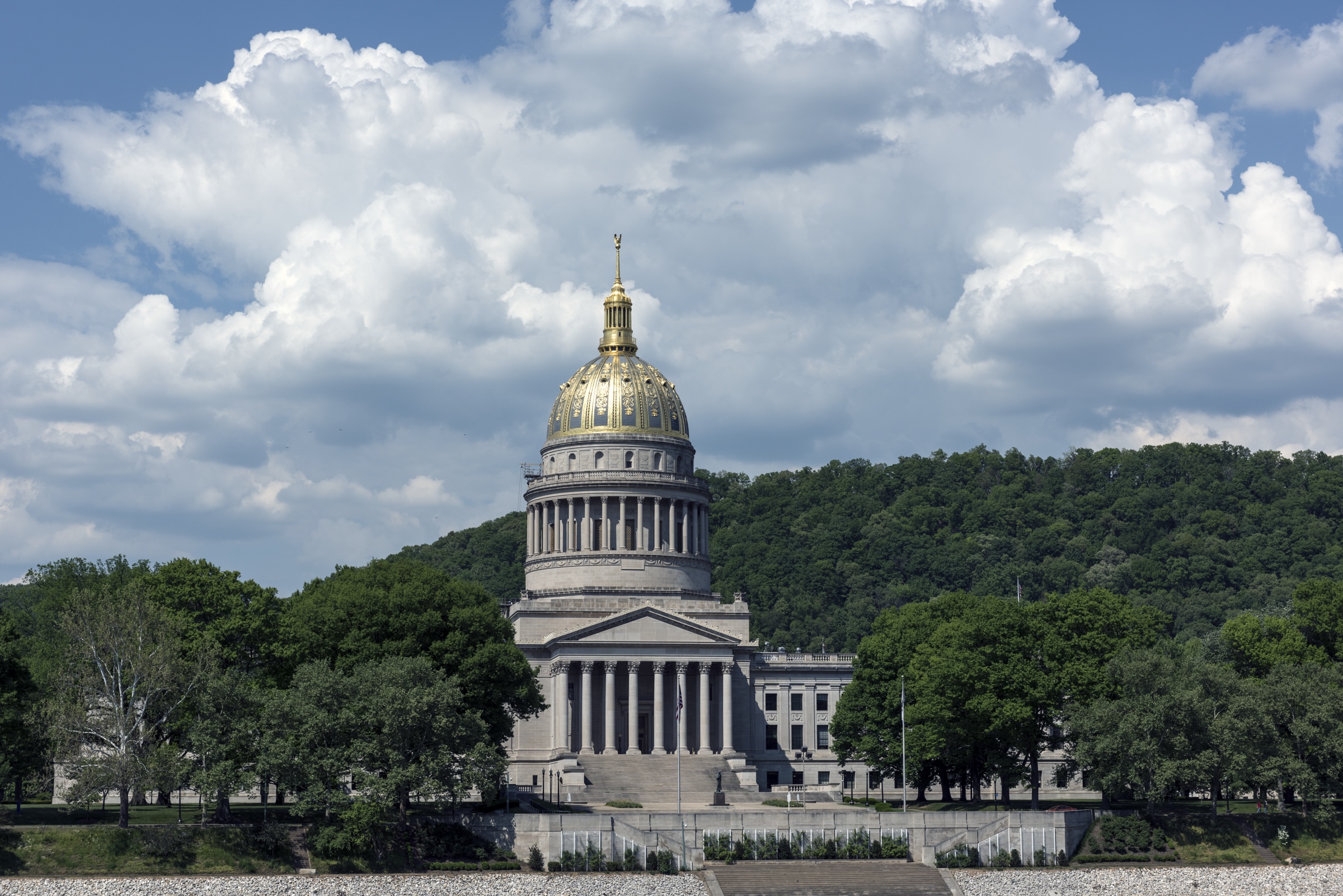
Photo: Carol M. Highsmith / Library of Congress, Prints and Photographs Division, LC-DIG-highsm-31696, May 6, 2015. Public domain. Resized; no crop. Source. Rights.
I would not give a Charleston conference organizer and a Morgantown dinner host the same photography questionnaire. One may need a plan for overlapping sessions. The other may need a way to gather the right people before a presentation starts. The event's purpose should lead the photographer search.
The local examples here use the Charleston Coliseum and Convention Center's published floor plans and Marriott's Morgantown event information. They establish facility details, not a ranking of photographers or a promise of available work. The practical scenarios are examples of how I would prepare a brief, not reports of events I personally photographed.
Use this guide to ask for evidence that fits your program. If you are a photographer, use it to make the difference between assignments visible in your proposal. A specific response is more useful than an offer to cover every kind of gathering across the state.
West Virginia: distinguish the Charleston and Morgantown spaces
Charleston's convention layout contains several room categories
The Charleston Coliseum and Convention Center's official floor-plan page identifies a Grand Ballroom and ballroom divisions, convention halls, meeting rooms, a coliseum, and a theater. It separates first-floor and second-floor meeting spaces. Those are concrete names to clarify in a photography brief.
I would ask which room or configuration is booked and what the images need to communicate. A presentation, exhibition, and reception may all matter but require different attention. Identify important people and intended image users so the photographer can explain priorities rather than guess what counts as successful coverage.
A public diagram is not an event access plan. Obtain the current approved layout, vendor entrance, credentials, arrival window, and camera positions through the organizer. The facility name alone cannot establish which areas are included or how a crew may move.
A ballroom division affects the coverage plan
The official Charleston page lists combined and separate ballroom areas. A photographer needs the actual arrangement rather than assume the whole room is open. Share the stage, screens, seating, sponsor material, and clear routes before discussing equipment or positions.
If the client wants a portrait station or extra lighting, discuss its location before arrival. Portable equipment still takes space and must fit the approved production and circulation plan. A maximum room dimension is not permission to use any part of the floor.
I would list required moments by time and location. If they overlap in different spaces, settle priorities or staffing before the event. A useful proposal explains the tradeoff rather than promise complete simultaneous coverage from one person.
Morgantown Marriott has another set of named spaces
Marriott's official events page for Morgantown Marriott at Waterfront Place identifies Platinum Ballroom or its salons, other meeting spaces, and outdoor event space overlooking the Monongahela River. A brief should name the actual booked room and configuration rather than rely on a hotel photograph.
For a presentation, identify speakers and intended image uses. For a reception, identify groups and interactions. If the river setting is important, state that goal so the photographer can balance it with close coverage of people.
An outdoor area in venue materials does not mean it is available during every booking. Confirm access and an alternative for required groups. Ask who can change the plan and how the photographer receives the decision during the program.
Review work against the actual assignment
A scenic exterior does not demonstrate consistent indoor coverage. Ask for complete comparable galleries and review presentations, groups, interactions, and transitions. A photographer should describe their role honestly and explain how they would adapt to the supplied schedule.
If a room is new to the photographer, preparation can include obtaining the current plan and organizer instructions. They do not need to invent local experience. Clients should assess clear reasoning and relevant work rather than a claim of universal familiarity with every venue.
For another West Virginia property or town, provide separate arrival details and scope. Facility information establishes settings, not open jobs. I would choose a workable plan for confirmed locations over a statewide promise of constant event demand.
The question behind a West Virginia photographer search
A client can ask for event photography and mean several quite different jobs. I might receive a brief for a Charleston conference using a ballroom and breakout rooms. Another client might want a Morgantown dinner with a planned outdoor group and an indoor presentation. The location is useful, but the photographs have to answer the program.
For the conference, I would begin with the sessions that cannot be repeated. For the dinner, I would start with the people who need to appear together and the moment when they will all be available. That change in starting point matters. A single checklist copied into both proposals can miss the actual reason each client is hiring someone.
The venue facts above help locate the conversation. They do not identify the right photographer, establish available jobs, or prove that a particular person has access. I would use them to prepare better questions, then judge the answers against relevant work.
My Charleston conference worksheet
I would make a page with a column for each required image, not a list of every activity. If a session has no defined image use, ask whether it needs dedicated coverage. If one sponsor needs evidence of a demonstration, write that beside the demonstration rather than hope the photographer notices its importance during the show.
For a hypothetical conference using the Grand Ballroom and several meetings, the worksheet might distinguish the opening speaker, an audience view, a planned leadership group, and selected breakout interaction. The organizer should choose which are essential. This is an example of how I would plan, not a claim about any particular Charleston event.
Beside each essential image, I would put the location, the approximate moment in the supplied program, and the person who can help identify the subjects. That last column is easy to forget. A photographer may know how to make a good group photograph without knowing which guest is the incoming board chair.
Then I would check conflicts. If the leadership group is scheduled during a keynote the client also wants covered, the brief contains a decision, not a challenge to run faster. Move the group, change the coverage priority, or consider another photographer. Put the choice in writing while everyone still has options.
What room divisions change
The Charleston floor-plan page lists ballroom divisions and combinations. For a photographer, that makes the actual booked arrangement more useful than the building's aggregate dimensions. A view from a large, open-room gallery may not exist after partitions, screens, or production equipment are installed.
I would ask for the current plan and mark the proposed working positions on it with the organizer. Those marks are a discussion, not a substitute for venue approval. The point is to discover whether a desired view conflicts with an aisle, production position, or restricted area before guests arrive.
If the client wants a fixed group or portrait area, specify the people it serves and when it operates. A station that requires the photographer to remain in one place is not compatible with full roaming coverage somewhere else at the same time. That tradeoff should be visible in the proposal rather than left for event day.
The Morgantown dinner needs a different order of questions
For the hotel example, I would first ask who needs to be photographed together. A dinner can be well documented and still miss its purpose if the one required group never happens. The organizer should identify a gathering time and a person responsible for bringing the group together.
Next I would ask how the indoor presentation fits the evening. Is it a formal speech, a short welcome, an awards moment, or an informal toast? Those descriptions change timing and positions. The photographer should not discover an important presentation only when a guest stands up unexpectedly.
If the river setting matters, say what the image should accomplish. Is it a portrait that identifies the location, an establishing view, or a record of guests interacting outdoors? A scenic background is not automatically the most useful photograph. I would keep the people and the client's purpose ahead of the scenery.
For any planned outdoor group, agree on an alternative inside. The useful promise is a clear photograph of the required people, not an unconditional promise of a particular background. The organizer should know who makes the location decision and how it reaches the photographer.
Protect the transition into the presentation
A client may want arrival portraits, room details, guest interaction, and a speaker sequence. I would ask which can happen before the presentation begins and which must wait. If the photographer is still arranging groups as the speaker starts, the schedule has placed two essential tasks on one person.
That is where a run of show earns its place. It does not need elaborate language. It needs the correct room, the actual speaker order, and a contact who can warn the photographer when the program changes. A calm, informed photographer has more chance of being in the right position than one trying to read the room from scratch.
How I would read portfolios for these two jobs
For the conference, I would ask to see a complete sequence containing stage work, audience context, and smaller meetings. I would look for consistency rather than a count of impressive frames. Do the images tell me what happened across the assignment, or only show the same speaker from several angles?
For the dinner, I would pay attention to groups, expressions, and transitions. Do people look comfortable? Are important faces clear? Does the photographer make the setting understandable without losing the event's human purpose? A portfolio can be technically polished and still give me no evidence about the client's actual problem.
I would also ask who photographed the gallery and what role they held. Being an additional photographer or an assistant is valid experience. It should be described as such. I would rather assess an honest supporting role than assume the person was responsible for an entire program when their examples came from one portion.
If a gallery cannot be shared because of client restrictions, ask for other authorized work. A confidential project should not be exposed to win a new assignment. Respect for the previous client is relevant evidence of how the next client's work will be handled.
Ask references about a practical moment
A useful reference question is what happened when the schedule changed. Did the photographer explain a conflict in time for the organizer to choose? Were delivery questions answered clearly? Did the person respect agreed boundaries while still getting useful photographs?
I would not ask a reference to disclose private guest identities or internal programs. The goal is evidence about behavior, not access to another client's confidential event. One concrete example can tell me more than a long list of compliments.
The agreement should reflect the chosen program
For the Charleston conference example, list the rooms and program segments included. For the Morgantown dinner, list the group requirements, presentation, and any outdoor portion. Avoid a description so broad that one side reads it as unlimited coverage and the other reads it as a narrow booking.
Name the person who can approve changes during the event. An extra reception, another property, or a longer presentation can affect the work. The photographer should not need to decide which of several guests has authority to add tasks. The client should not discover afterward that someone changed the scope without their knowledge.
Discuss image uses separately from the act of receiving files. Internal records, press distribution, partner materials, and advertising are different intentions. The agreement should describe what is allowed and who checks a restriction. Do not assume that payment or possession of a file supplies every possible right.
For a university-related or company program, ask whether screens, displays, or participants have limits on publication. I would give the photographer a clear way to recognize restrictions and a contact for uncertain cases. A vague instruction to use discretion cannot substitute for information only the organizer holds.
Insurance and equipment are event-specific checks
If the booked venue requires insurance documentation, obtain the exact instructions. Ask the photographer whether their proposed crew and policy satisfy that request. A good gallery is not proof of a policy, and an assumption that all venues ask for the same certificate can create unnecessary work.
Describe additional equipment before the event. A backdrop, stand, or extra light needs an approved position. A photographer should not assume that a public room dimension permits equipment in a particular place. Equally, the client should not request a fixed station without accounting for its effect on roaming coverage.
Give the crew an arrival note separate from the attendee invitation. Include the entrance, contact, access window, and instructions for the equipment actually being brought. If something is still undecided, label it. An honest open question is easier to fix than an invented arrival instruction.
Photographers: build a response that shows you read the brief
If I were applying for the Charleston conference, I would refer to the assigned room divisions and identify the overlapping moments I noticed. I would show relevant presentation and meeting work, then explain which images my plan prioritizes. I would avoid opening with a generic statement that I photograph everything across West Virginia.
For the Morgantown dinner, my response would address the required group and presentation transition. If the client wants an outdoor setting, I would ask about permission and an alternative. A proposal earns attention by noticing the client's likely failure points, not by adding adjectives to a list of services.
ProShoot's published workflow describes posting assignments, comparing bids and portfolios, and selecting a photographer. Its photographer workflow includes applying and presenting work. I would use those steps to make the actual plan visible. A platform presence does not prove venue familiarity or a right to show someone else's private images.
Keep portfolio labels precise. Say whether an example is a presentation, reception, performance, or private celebration, and state your role. That helps a client find the evidence relevant to their event without having to interpret a mixed gallery of unrelated subjects.
Delivery starts with the person using the pictures
A conference communications team may need images arranged by session. A dinner organizer may want a sequence that follows the evening and keeps the required groups easy to find. Those are possible approaches to discuss, not universal rules for West Virginia clients.
Ask whether names and captions are part of the assignment. If they are, identify who verifies spelling, titles, and affiliations. A photographer should not guess those details from appearance or an outdated speaker list. The commissioning team usually holds the information needed to make the final record accurate.
Put the delivery date and any earlier selection into the agreement. If editing during the program is requested, discuss what that requires and which coverage stops while the photographer works on files. An informal request for a few quick images can otherwise become a second assignment hidden inside the first.
I would also clarify storage and later access. Promise only the retention service actually offered, and make the delivery instructions understandable. Finishing the photographs is not the same as finishing the job if the client cannot find the required group or does not know which images are approved for release.
A sensible shortlist has a specific purpose
I cannot responsibly rank named West Virginia photographers without reviewing their available work against a real brief. I would shortlist complete relevant galleries, compare the proposed approach, and check the remaining access and scope questions. That is a more useful decision than treating a search result's title as proof of fit.
The Charleston and Morgantown examples show why the practical questions should change. One starts with session conflicts and room divisions. The other starts with people, a planned group, and the transition into a presentation. Both deserve a photographer who notices the difference.
Whether you are hiring through ProShoot or responding to a posted job, keep the conversation grounded in the actual program. The goal is not a promise to photograph everything. It is a clear agreement about the photographs that matter and a plan that gives them a fair chance to happen.
Sources checked November 6, 2026
- https://www.chaswvccc.com/p/conventioncenter/layout
- https://www.marriott.com/en-us/hotels/mgwmc-morgantown-marriott-at-waterfront-place/events/
- https://proshoot.io/how-it-works/
Ready to hire a professional photographer?
Post your job free and get bids from photographers near you.
Post a Job Free →