Top Event Photographers in Washington
Hiring guidance and photography job advice for Washington clients and photographers.
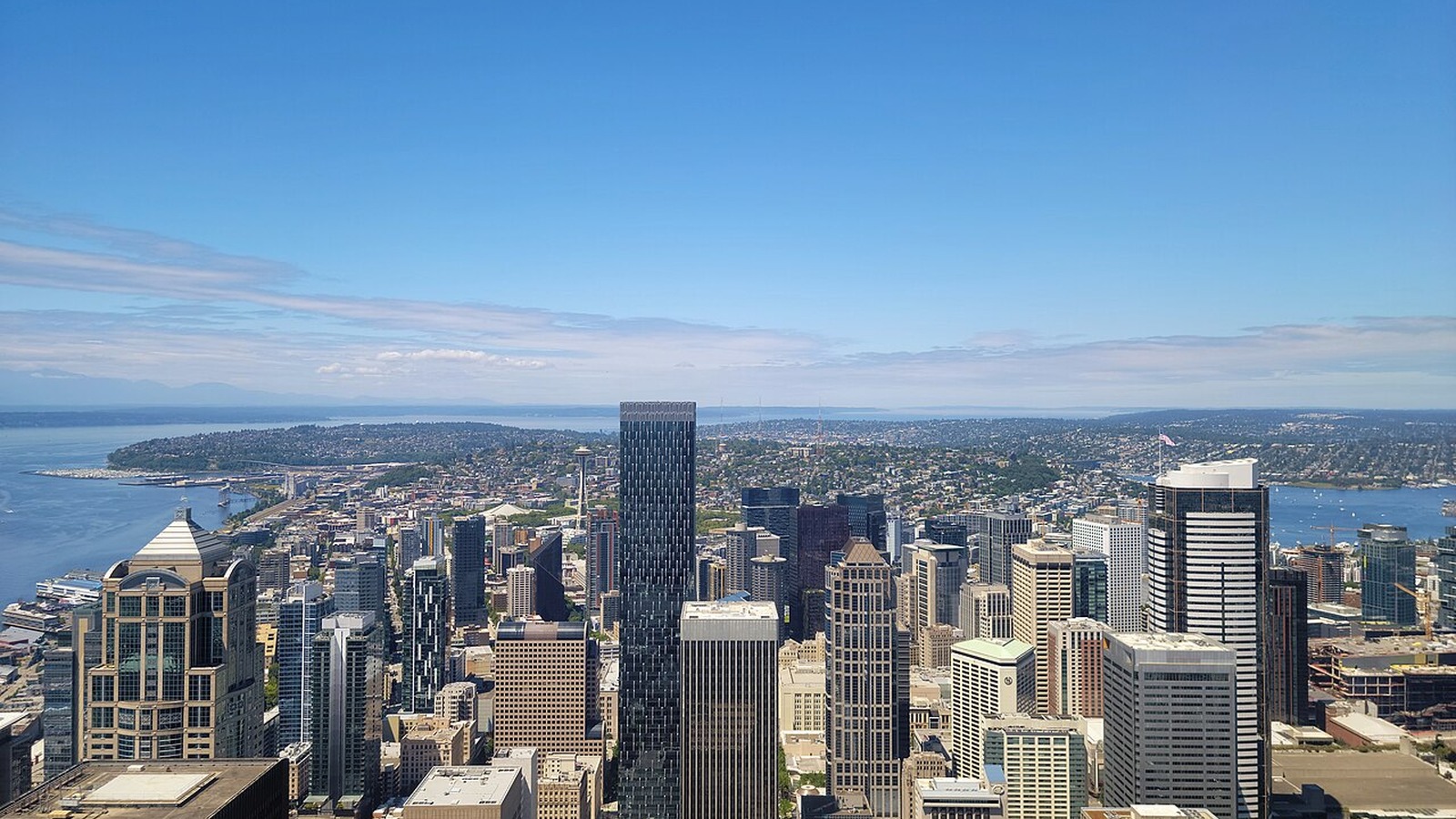
Photo: GyozaDumpling / Wikimedia Commons. CC BY-SA 4.0. Cropped and resized.

Start with where the photographs will go
I would not begin a Washington event photography search by asking for the most dramatic portfolio. I would ask where the commissioned pictures are going. An internal company recap, a public announcement, a partner report and a personal album are different destinations. The photographer needs to know which one they are making.
That question affects what is photographed, what information accompanies the files and who is meant to receive them. It also helps a client judge relevant work. A photographer looking for jobs can make the proposal more useful by addressing the destination rather than promising a gallery that suits everybody.
This guide uses hypothetical Washington assignments in Seattle, Bellevue, Tacoma, Spokane, Olympia and elsewhere. They are not claims about events I photographed. Each scenario begins with an intended audience, then works back to the coverage and agreement needed to serve it.
Seattle: the public recap should explain the conference
Imagine a Seattle conference whose organizer wants a public recap. People reading it may never have attended the event or seen the venue. The photographs need to establish the gathering, show the activity and make the program understandable without relying entirely on a caption.
I would ask the communications team what the recap is meant to explain. Is it the range of sessions, the participation of members or a particular demonstration? That direction helps the photographer recognize relevant moments. It is more useful than an instruction to capture the energy, which leaves the actual purpose undefined.
If the Seattle Convention Center is involved, check its current official information for the facility and obtain this event's rooms, credentials and access instructions from the organizer. The venue's name does not tell the photographer how the program is arranged or which entrances they may use.
Put the program on a timeline with locations. A keynote and a demonstration in separate rooms may overlap. If the recap must show both completely, ask the proposed crew how it will do that. If a representative story is sufficient, identify the priorities so one photographer can make informed choices.
For a portfolio test, I would ask for a coherent conference gallery shared with permission. Can a stranger understand the event? Are there pictures of people listening and participating as well as speaking? A handful of visually striking stage images may not demonstrate the explanatory work the recap needs.
Do not let a public gallery disclose an unrelated detail
A public recap can include more information than the organizer intended if nobody discusses boundaries. Screens, documents, badges and other visible material may contain details unrelated to the story. The event team should identify known restrictions before coverage, not rely solely on reviewing files after the fact.
Give the photographer an authorized contact for questions. A useful boundary says what may be photographed and how the intended selection is reviewed under the agreement. A vague warning to avoid anything sensitive leaves the crew guessing about information only the client understands.
The photographer should not be asked to invent a description of a technical demonstration. If captions are needed, the organizer supplies accurate names and terminology and assigns someone to check them. The visual record and the factual explanation support each other, but they come from different expertise.
For photographers, this is part of the proposed service. Explain how you would work within the client's instructions without implying you can recognize every confidential item at sight. A candid limit is more useful than a guarantee that the camera will somehow know the organization's internal boundaries.
Bellevue: an internal company gallery is still a defined audience
Consider a hypothetical Bellevue company gathering. The organizer wants pictures for employees rather than a public campaign. That audience should be named in the brief. Internal use does not automatically mean every employee, partner and external vendor receives the same access.
Ask who is commissioning the work and who approves the final recipients. If a separate team later wants promotional use, bring that into the agreement rather than assuming the original scope covers it. A photographer should not decide a new audience based only on somebody asking for the files.
The coverage may include a presentation, small groups and employee portraits. Separate those tasks. Portraits need a space, an appearance reference and a process for bringing people to the setup. The meeting gallery needs its own story and coverage window.
If named portrait files are required, establish how names are recorded and checked. Assign a staff coordinator rather than expecting the photographer to identify everyone later. Decide whether participants receive their own image or whether all delivery goes through a company contact.
For portfolio review, I would want a consistent portrait set and relevant meeting coverage. One skill does not automatically prove the other. The proposed delivery should explain how those outputs remain organized so an employee portrait folder does not become mixed with a general event archive.
A portrait session should not swallow the meeting
The Bellevue organizer should decide when portraits happen and when the station closes. A late participant can create a conflict if the photographer is also expected in the next session. Write the priority into the schedule so the crew is not negotiating it with each employee.
If the client wants simultaneous portraits and meeting coverage, ask for an explicit staffing plan. One photographer cannot remain at a consistent setup and document a presentation in a different room at the same moment. A proposal should make that limit visible before the client assumes both are covered.
Ask what each portrait participant receives. Is there an agreed selection process? Is retouching included? Must the result match a prior staff page? These are deliverable questions, not details to decide after people return to their normal jobs.
Photographers can show a repeatable method without describing every technical setting. Explain the space needed, the coordinator's role and the final file organization. A buyer can assess that service more easily than a general claim about making everybody comfortable in front of the camera.
Tacoma: a partner report needs honest evidence
Imagine a Tacoma event supported by several partners. The organizer wants photographs for a report showing what took place. I would ask which activities each partner needs documented and whether the images are intended for internal reporting, public use or both.
A display photograph and an interaction photograph answer different questions. One shows what was installed. The other shows somebody engaging with it. The brief should say what matters, while allowing the photographer to document actual activity rather than arranging a misleading picture of participation.
Do not ask for a photograph that implies an endorsement or relationship that did not occur. A posed portrait can be useful when appropriate, but call it a portrait. The photographer should not have to guess whether the client wants an honest record or a promotional fiction.
If the report needs captions, identify the source for names, dates and activity descriptions. Have an authorized organizer check them. A photographer can record what is visible, but should not infer the meaning of a conversation or invent a partner's role from a logo in the background.
For photographers seeking this work, show examples that connect activity, people and context. A collection of branded details alone may not explain the event. Let the buyer see how your work supports a factual account without promising a business result the photographs cannot establish.
Spokane: an association archive should be findable later
For a hypothetical Spokane association meeting, the client may need photographs that remain useful after the immediate recap. That creates an organization question. How will someone find the awards, the speakers or the member groups later?
Ask whether delivery should be separated by session or activity. A clear structure can help, but it should be agreed rather than invented without knowing how the client works. Explain any naming or caption requirements before the photographer prepares the final files.
The archive may include recognition photographs. Coordinate the stage pause and position with the program contact. Give the photographer a checked recipient list and a way to identify people. A clean record should not depend on matching faces to names from memory afterward.
If the client wants every member photographed, design an actual process. A portrait station or organized group session may serve that aim. Roaming coverage by itself does not reliably produce an individual attendance record. The organizer and photographer should agree on the method before judging whether the requirement was met.
For portfolio review, look at a comparable meeting as a sequence, not merely its first image. The archive needs usable ordinary photographs as well as highlights. Ask the candidate what the earlier client requested so the example can be understood fairly.
Olympia: define what is open and what is not
Consider a private professional forum in Olympia with a presentation followed by smaller discussions. The organizer wants to document the gathering, but some discussions may have different photography instructions. Identify that boundary before the program begins.
Who tells the photographer which sessions are approved? Who can answer if the room arrangement changes? A visible sign or a staff comment may help operationally, but the crew needs a clear instruction from the responsible organizer. Do not leave them interpreting the event's confidentiality expectations alone.
The client can still request useful context without exposing restricted content. Room views, approved speakers and permitted activities may form part of the story. Discuss what the event actually allows rather than asking the photographer to create a general impression with no defined source material.
If public release requires a particular review under the agreement, state the process and responsible person. Do not invent an approval step after delivery and assume it was part of the original timeline. The photographer needs to know how the handoff works before accepting the commission.
For photographers, be honest about what the portfolio can show. Some earlier work may be confidential and unavailable. Offer another appropriate example or a permitted reference rather than breaking a previous agreement to prove you can respect the next one.
Regional travel changes the production, not the audience
An assignment elsewhere in Washington needs the same precision about location as one in Seattle. Give the photographer the exact address and any additional sites. Ask where they are based and what travel the proposal assumes.
If a program includes a move, list the end of coverage at the first location and the expected beginning at the next. Packing, access and setup are real parts of the transition. A transport estimate alone does not tell the client when photography can resume.
For outdoor work, establish who can move the activity and the actual alternative space. Check current conditions and operator instructions near the date. A general description of Washington weather is not a forecast or a permission check for a particular event.
If the fallback room is smaller or has a different background, the photographer may need another arrangement. Tell the crew early enough to assess it. A contingency works only when it can support the intended photograph, not merely keep everybody in the same building.
Photographers can prepare for unfamiliar venues without claiming local history they do not have. Ask for room information, a current program and access instructions. Discuss a walkthrough when practical. Honest preparation is evidence the client can evaluate before the date.
The agreement connects audience to delivery
I would want the proposal to name the actual parties, coverage date, addresses, hours, staffing and responsible contact. Then I would read the deliverables: what selection, what format, what method and which deadline? If an early edit is requested, define it separately.
Usage terms should describe the planned audiences and purposes. Internal communication, public promotion, partner access and advertising may require different arrangements. Seek qualified advice on significant contract or rights questions for the relevant jurisdiction and circumstances.
Name the person who can approve changes. A new location, additional recipient or expanded use should not silently appear through a casual request from someone outside that role. Keep material revisions clear so both parties know the scope they are working under.
At delivery, identify what is complete and which selection serves which purpose. State unresolved information directly. A client should not need to inspect every file to discover whether a caption list is still pending or an early selection is being mistaken for the final gallery.
Feedback should return through one contact. Separate a factual correction, a missing agreed item and a new request. That gives the photographer a defined response and the client a practical way to confirm completion.
For photographers looking for Washington event work
Build the portfolio around the buyer's intended result. A conference recap needs a story. A staff session needs a consistent portrait set. A partner report needs honest activity photographs. Make the relevant example easy to find instead of relying on the buyer to translate unrelated images.
Write a first reply that addresses the assignment. Confirm whether you can consider the date and location, show suitable work and ask the question that most affects the proposed plan. Avoid broad claims about a city's demand or promises about results you cannot control.
Describe your base and travel area accurately. Serving Washington does not mean every destination is local. Check the actual address, schedule and access requirements before making a commitment. A profile is a starting description, not proof that this job's logistics are resolved.
If using ProShoot, consult its current how-it-works page for the platform process. This guide does not guarantee account functions, available photographers or outcomes. The introduction still needs to become an agreement the actual client and photographer understand.
Choose the gallery's destination before its headline
The title event photographer covers many different commissions. The intended audience helps make yours specific. Explain who needs the images, inspect work that serves a comparable purpose and ask for a plan that connects the program to the delivery.
Keep one current brief and make material changes visible. Then let the photographer work within the agreed priorities. That is how I would approach hiring in Washington: not a promise that every picture serves everybody, but a useful edit made for the people who actually need it.
A practical audience test before the final choice
Show the proposed brief to the person who will actually publish or distribute the photographs. Ask what they would do with the promised selection. If the answer depends on captions nobody has agreed to supply or a file organization nobody has discussed, resolve that before the assignment starts.
Ask the photographer to identify any requested output that does not fit the coverage plan. Perhaps a separate early selection needs editing support, or a named portrait folder needs a check-in process. The proposal should explain the dependency rather than leave the client to discover it after the event.
Then test one change in audience. If a partner asks for the full gallery, who can decide whether that is allowed? If the original commission was internal, how is a new public use discussed? A defined contact keeps the photographer from making an access decision based on an unverified request.
Finally, name an alternate delivery recipient if the original organizer will be unavailable. A finished edit can still fail its purpose if the intended team never learns it is ready. The last handoff deserves the same care as the first room on the schedule.
None of this requires a complicated process. It requires enough clarity that the client, photographer and eventual user of the images are describing the same job. That is what turns a promising portfolio into a useful commission.
Check those answers before committing.
Sources checked November 6, 2026
Ready to hire a professional photographer?
Post your job free and get bids from photographers near you.
Post a Job Free →