Top Event Photographers in Washington DC
Plan Washington DC event photography through clear permissions, program priorities, and image uses. A practical guide for organizers and photographers.
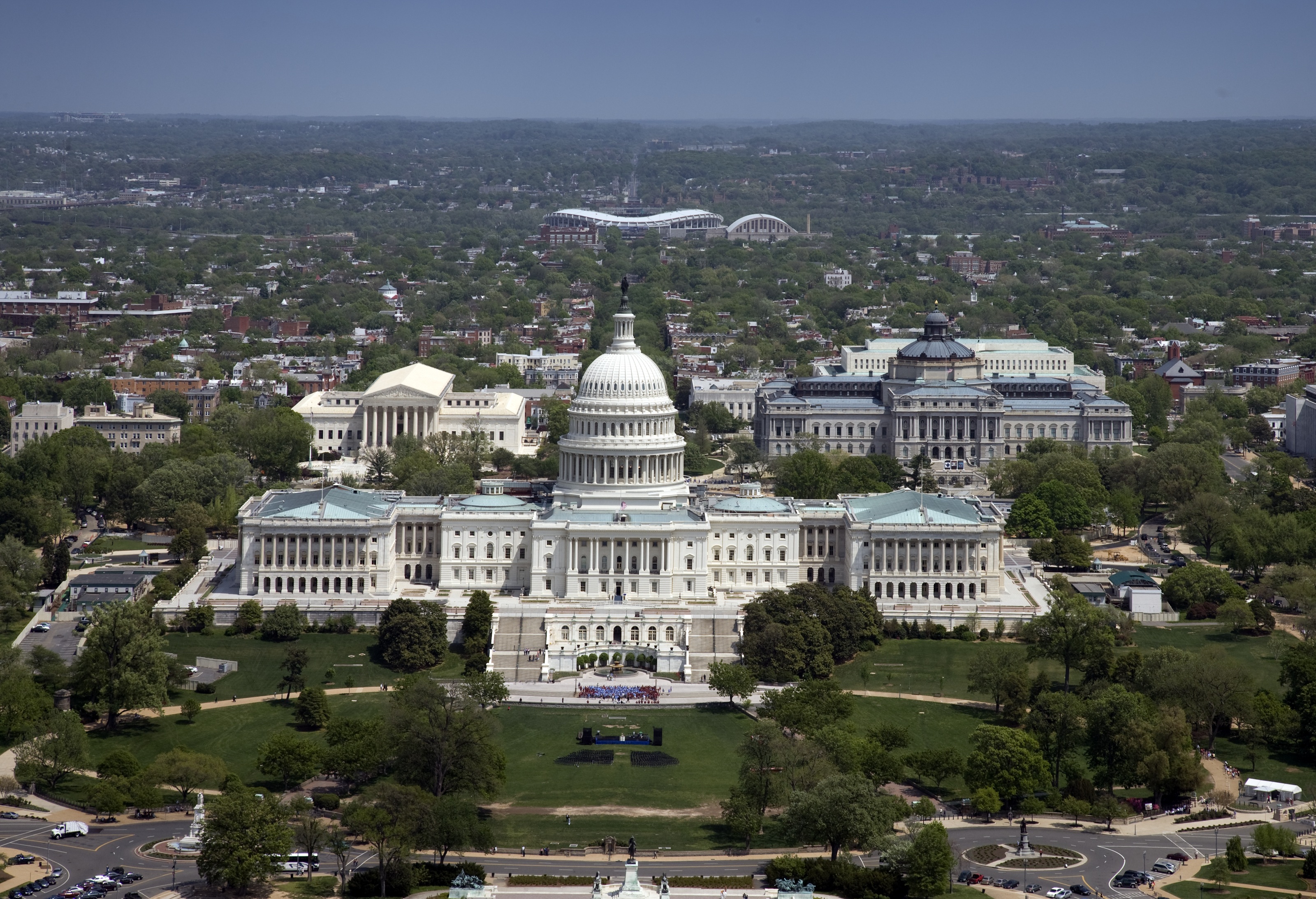
Photo: Carol M. Highsmith / Library of Congress. No known restrictions on publication. Resized.
A photograph can be permitted in one context and still need another decision before it reaches a new audience. That is where I would begin a Washington DC event photography brief: what is the client commissioning, who can authorize it, and where will the pictures go?
Those questions do not mean every event has unusual restrictions. They mean the photographer should receive actual instructions instead of assumptions about the city, the guest list, or the apparent importance of the program. A private meeting, public conference, and partner reception can need different handling.
This guide uses current Events DC information about the Walter E. Washington Convention Center for hypothetical planning examples. It is not a job announcement, a roster of ranked photographers, or an account of my personal shoots. The purpose is to help organizers define a commission and help photographers answer it with relevant evidence.
Four decisions that should not be collapsed into one
I would separate permission to enter, permission to work from a position, permission to make particular images, and permission to distribute those images. They can be related without being identical. An attendee invitation does not necessarily settle a crew's working access or publication rights.
The client should identify which decisions it can authorize and which require someone else's approval. A department commissioning a private record may not control every displayed work or public use. The photographer needs a practical contact for uncertainty, not a broad assurance that everything will be fine.
A written brief should make the confirmed scope visible. If an extension is proposed but awaiting permission, label it as conditional. A useful photographer can prepare honestly without promising a result that depends on an unanswered authority question.
Entry: who has the current instructions?
Events DC's convention-center fact sheet identifies exhibit and ballroom facilities. Its Exhibitor Services page describes managed loading operations and coordination through event personnel. That information establishes why a public building address is not enough of a photography crew note.
For a hypothetical conference, ask the organizer for the actual reporting point, arrival window, credential process, and equipment instructions. Do not borrow directions intended for a different event or assume that an exhibitor's procedure applies to every photographer.
Tell the organizer what the crew will bring. A person carrying cameras and a portrait station with lights can require different arrangements. The working instruction should reflect the actual service rather than a generic description of a vendor.
A loading page is not a personal route approval
The operator provides detailed dock and exhibit-handling information. This guide does not copy truck routes, technical floor loads, operational windows, or numerical capacity rules into a photographer's plan. The actual organizer should confirm the route assigned to this crew.
A public procedure can help generate the question without answering whether this person may use it. If an entrance is not settled, mark it for confirmation. A polished guess that sends a crew to the wrong location is worse than an honest open detail discovered early.
Keep the final instructions current. If a reporting point or credential arrangement changes, update the version the photographer follows. A new message in a separate planning conversation should not be assumed to have reached everyone affected.
Position: what does the approved setup allow?
For the hypothetical conference, obtain the booked room and actual diagram. An exhibit hall, ballroom, and smaller meeting can need different positions. The venue category alone cannot establish the installed stage, seating, displays, or circulation.
Events DC's exhibitor material describes floor-plan coordination and pre-arranged special lighting for photo or press use. The relevant lesson is to coordinate the actual proposal, not to treat a public technical page as authority for an outside crew to alter systems or occupy any convenient space.
If additional lighting, a camera position, or a portrait station is proposed, have the photographer describe it plainly. What does it occupy? What result does it support? What still needs approval? Those questions help the organizer settle a real setup rather than promise undefined access.
The presence of space does not prove it is available
A broad room photograph or maximum-capacity description can make an area appear open. The actual production may use it for equipment, staff, service, or circulation. Obtain the approved arrangement before promising a backdrop or working position there.
Portable equipment still has a footprint. A light stand, bag, or waiting group can affect how people move. The photographer should explain the proposed use and follow the organizer's current instructions rather than infer permission from physical possibility.
If the preferred position is unavailable, discuss an approved alternative and its effect. The client needs to understand a material change while there is time to choose. Do not hide an impossible angle behind a promise to capture every important expression.
Making images: define the actual conference story
Imagine a program requiring a keynote, selected discussions, exhibit interaction, and a leadership group. Put those requests on one timeline. The important question is whether they can be covered as scheduled, not whether each is common event photography work.
Mark which activity needs an uninterrupted record. Selected session visits may be enough for some clients, while others need a complete account. State that distinction before comparing proposals so a sampled service is not later judged as though it promised continuous coverage.
If required moments overlap, decide priorities or discuss another photographer. One person cannot be fully present in several rooms at once. A realistic plan should make the conflict visible while the organizer can still make a choice.
A keynote image needs a purpose
Does the client want an announcement, a program record, audience response, or a relationship between presenters? Tell the photographer which matters. A tight portrait can preserve expression while a broad view establishes context; neither automatically does every job.
Ask for a permitted complete presentation sequence during review. Look at speaker changes, ordinary moments, and readability across the set. One dramatic frame can demonstrate ability without establishing sustained coverage of the whole program.
If the session contains restricted slides or material, identify the boundary in recognizable terms. The crew should know when it applies and who settles a change. A general instruction to be discreet is not enough to decide what may be photographed or released.
Public figures need actual event instructions, not citywide assumptions
If a particular guest has specific photography procedures, obtain them through the organizer responsible for the event. This guide does not invent a universal Washington DC security or press rule. The relevant facts are those that govern the actual commissioned activity.
Confirm the subject's availability for any planned portrait or group. Someone leaving immediately creates a different task from someone attending a reception. The photographer should not have to negotiate a new commitment at the exit to fulfill a promise the organizer made without confirmation.
If the procedure changes, identify who informs the crew and who can approve an alternative. A high-profile name does not replace a working decision route. The client should make the required result and its conditions clear without circulating unnecessary private context.
Exhibits: show participation rather than assume it
If selected organizations must appear, provide current locations and a contact who recognizes the required people. A brand list is not an exhibit map or a way to identify unfamiliar representatives. Introductions can improve the coverage without forcing every interaction into a pose.
Describe whether the client needs a clean display, an active demonstration, a conversation, or a combination. A room overview may establish scale while failing to explain the activity. An empty stand can be accurate documentation without proving anyone engaged with it.
For a scheduled demonstration, identify the essential step and time. If it moves, the crew needs the updated fact and an authorized priority choice. A new overlap with the keynote cannot be solved by continuing to promise complete coverage of both.
A required subject who is absent needs a decision
Name the contact who decides whether to return, make an approved alternative, or move on. An open-ended search can consume the event while everyone assumes the representative is nearby. Honest status is more useful than unrelated substitute images presented as fulfillment.
If a display includes private or unreleased content, explain what may be made and used. The fact that attendees can see something does not answer every publication question. Keep the rights discussion tied to the actual commission rather than a general claim about public events.
The photographer's relevant evidence should show people interacting with activity, not only isolated objects. Ask how a previous sequence made the relationship readable. A portfolio can demonstrate that judgment without exposing confidential work.
Groups and portraits: give them a controlled place in the program
A leadership group needs a moment accepted by participants and someone who can gather them. The photographer can arrange people without knowing the organization's full roster, but the organizing contact needs to recognize missing subjects.
Choose the essential combinations. One shared portrait and a long sequence of departments are different work. Each added request can sound quick while collectively removing time from the program story. The proposal should reflect the actual group service.
If individual portraits are also required, define whether they are casual or a consistent series. Provide an authorized reference early if matching existing work matters. The intended result should guide the setup rather than become a new requirement after photographs are made.
A fixed station changes one person's availability
The same photographer cannot remain with portrait subjects and provide uninterrupted roaming coverage in another location. Put both tasks beside the program. Sequence them or discuss additional staffing instead of treating the station as an incidental favor.
Identify an approved location and an alternative for essential pictures. If the purpose is the people together, a different background may preserve the commission. If the setting itself is essential, make that dependency clear before accepting.
If participants arrive late, name who may change priorities. The photographer should not be left choosing between a waiting executive and a required presentation without authority. A clear contact keeps that decision with the client.
Distribution: who can see which selection?
A conference may need an internal record, a public announcement, partner distribution, or advertising. State the intended uses in the agreement. Receiving files alone does not define every right or approve every future audience.
If review is needed, identify the reviewer and the decision. Names verification, confidential-content review, and public communications selection are different tasks. The photographer needs a practical route for images that should wait rather than a vague expectation that someone will eventually look.
Discuss the photographer's promotional use separately. A private gallery does not necessarily approve a public portfolio post. Preserve restrictions on displayed work, private information, and participants beyond the day of the gathering.
Captions should carry verified facts
If captions are commissioned, appoint a source for names, titles, affiliations, and context. A photographer should not infer a policy position or outcome from a picture of people talking. The organizing team needs to verify what the final record says.
Share practical instructions without unnecessary private reasons. The crew may need to know that someone should not appear publicly without receiving their personal background. Keep the information proportionate to following the boundary.
If a publication decision remains open, label the relevant files accordingly. The client should not have to guess which images are cleared. A visible status can prevent an internal delivery from becoming an unintended public release.
Test the proposal against the four permission decisions
I would read a candidate's response with entry, position, image-making, and distribution written beside it. Which answers are settled, and which does the photographer expect the organizer to supply? The response should not imply that excellent pictures eliminate the need for those answers.
A permitted full gallery can demonstrate how someone worked within constraints. Follow a program from arrival through its final activity. Are the important people and exchanges visible? What did the applicant do when a requested image required a permission they did not yet have? A thoughtful account can show more than a confident assertion of unlimited access.
Clarify the person's contribution. If the applicant covered the audience while another crew member handled the podium, that is relevant evidence for audience work. It is not a claim of responsibility for the entire presentation. For this new commission, identify the attending people and the requirement each owns.
Make a reference question narrow and practical
I would ask a former client whether the photographer ever surfaced a publication or access question that the brief had left open. How was it brought to the organizer? Did the conversation result in a clear decision before the work was affected? This tests care without demanding someone else's restricted gallery or guest information.
The strongest answer need not describe a crisis. It might describe a photographer checking the intended audience before sending a selection. That is relevant behavior for a DC commission because the distinction among private records, public communications, and a photographer's promotion should remain visible even when nobody is rushing.
If the candidate cannot show a confidential project, consider an authorized substitute. Protecting an earlier client's boundary is evidence worth keeping in the assessment, not a reason to pressure someone into a disclosure they cannot make.
Write the unresolved permissions beside their owners
A short decision sheet could show that the room assignment is confirmed, the working position awaits production, and the public selection awaits a named reviewer. The organizer should know who supplies each answer. The photographer should state what becomes possible when it is settled.
Then examine the service itself. Does the proposed coverage follow every required session or make selected visits? Does it include a fixed portrait service or only candid participant images? Are another property and a later reception included? Read those differences before treating bids as comparable.
An important condition should not disappear because both parties want to finish booking. A credential, subject's availability, or approved position can determine whether a promised photograph is realistic. Keep the condition visible until the person responsible confirms it.
Separate paperwork from portfolio evidence
If the booking requires insurance or credentials, get the exact current specification and ask the attending crew to demonstrate compliance. The organizer should not have to infer a policy from a good gallery or marketplace profile. A requirement at this property also should not be generalized to every Washington DC venue.
The final arrival note needs the reporting point assigned to these people and this equipment. It should not send them along a route copied from a truck procedure merely because that procedure is public. For another property, start with its own actual location and program instead of a citywide transfer assumption.
A guest request for additional work belongs with the authorized change contact. The photographer should explain whether fulfilling it would leave a required session uncovered. That contact can make the tradeoff; a guest's enthusiasm alone does not settle it.
Photographers: show care through the consequential question
An application can begin with the decision that prevents a plausible mistake. Is the requested public selection subject to review? Who confirms the position near the presentation? Which simultaneous session is essential? Answer the actual inquiry instead of projecting universal rules onto a city associated with formal events.
ProShoot's published process lets clients post work, examine bids and portfolios, and choose a photographer. Its photographer process includes applying and presenting work. The value of that exchange is the clarity it creates about this service. Being listed does not establish permission at a venue or personal experience with the people involved.
Check the commitment from arrival and preparation through the last assigned function. If a permission remains open, describe the consequence rather than hide it beneath an unconditional offer. This guide does not derive openings from inauguration recurrence, association-market labels, or broad demand theories. An actual commission needs a current organization and scope.
Send files with their audience and status visible
Ask the recipient how they need to use the record. One person may begin with cleared public pictures; another may need the complete internal program. Agree on a structure that helps those users without merging their permissions. File organization should reduce uncertainty, not make every recipient decide which images they are allowed to use.
When words accompany the pictures, give the factual reviewer responsibility for names, titles, and context. A conversation photograph is not evidence of a policy position or agreement. Any claimed outcome needs the organizer's verification rather than an inference from expressions.
Choose a delivery date and plan any earlier selection explicitly, particularly when editing would happen during ongoing coverage. Describe the actual access and storage terms. Mark images still waiting on a decision and keep portfolio permission separate from the client's private receipt.
Finally, explain a canceled activity or absent subject if it affected a required picture. A small, factual reconciliation is better than leaving the client to discover an impossible request through a long search. The record should carry the relevant decisions as clearly as it carries the images.
Hire for the commission, not an assumption about the city
Entry, position, image-making, and distribution begin as separate questions. A good photography plan connects them to the actual event without inventing universal rules. I would choose through relevant complete work and a response that makes those boundaries practical.
Whether hiring through ProShoot or applying there, start with the people, program, and audiences. That is a stronger foundation for Washington DC event photography than an unlimited promise to capture everything.
Sources checked November 6, 2026
- https://eventsdc.com/venue/walter-e-washington-convention-center/fact-sheet
- https://eventsdc.com/venue/walter-e-washington-convention-center/exhibitor-services
- https://proshoot.io/how-it-works/
Ready to hire a professional photographer?
Post your job free and get bids from photographers near you.
Post a Job Free →