Top Event Photographers in Vermont
Prepare Vermont event photography for a campus program or resort meeting. Compare relevant work and plan participant recognition, presentations, and delivery.
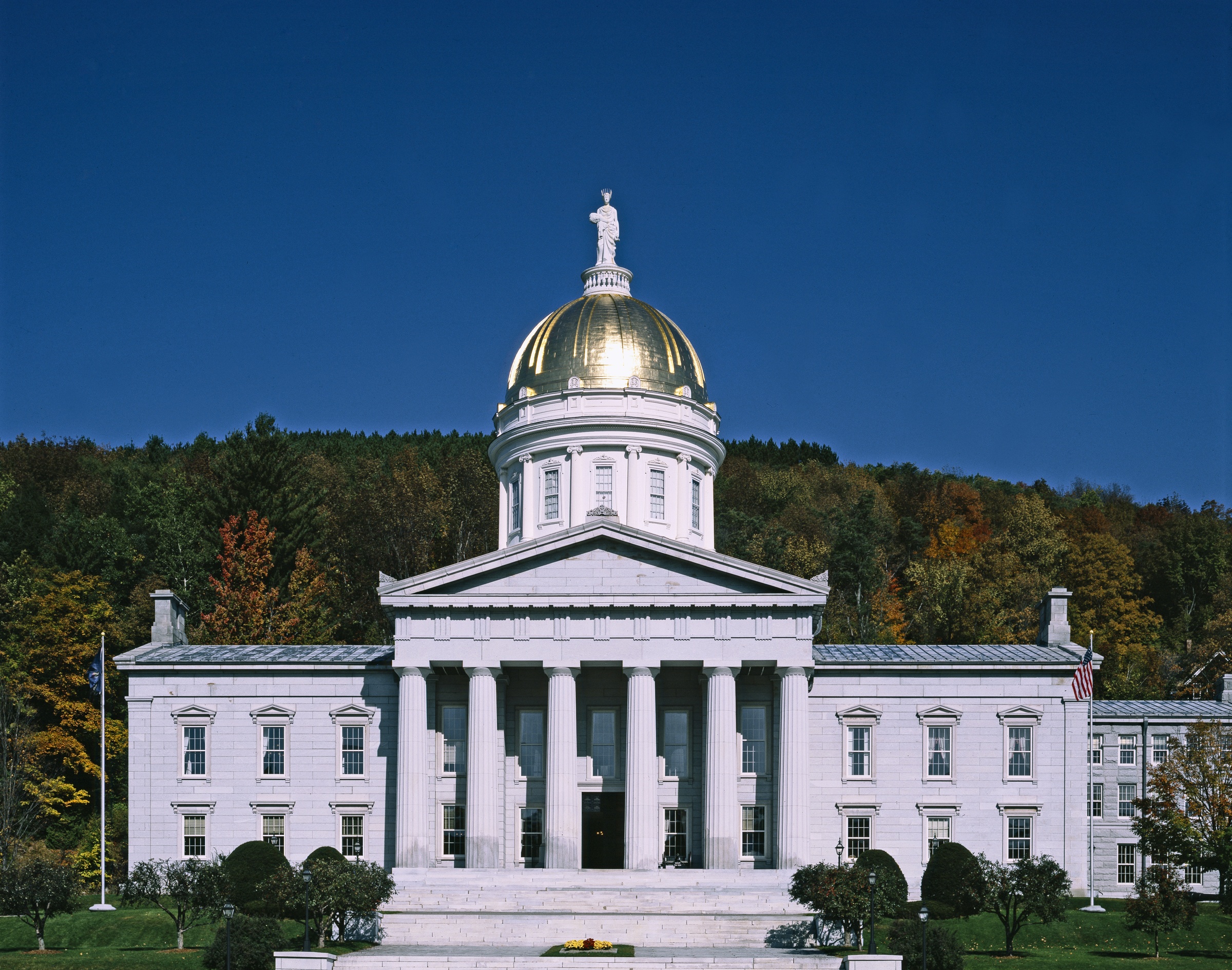
Photo: Carol M. Highsmith / Library of Congress, Prints and Photographs Division, LC-DIG-highsm-12045, between 1980 and 2006. Public domain. Resized; no crop. Source. Rights.
A photograph can show that people attended a Vermont event without explaining why they gathered. When I read a photography brief, I look for the connection between the program and the people. Who is being recognized? What are participants learning or sharing? What should someone understand from the finished pictures?
Those questions lead to a more useful hiring decision than a statewide promise of beautiful scenery or unlimited event opportunities. A campus program and a resort meeting may need different evidence from a photographer even when both include speakers, groups, and a reception.
I use the University of Vermont's Davis Center and Killington Grand Hotel & Conference Center as two facility-grounded examples below. The programs described are hypothetical. They are not open jobs, endorsements, or accounts of my personal shoots. A real commission still needs its own organizer, booking details, and permissions.
A campus recognition program: explain what the gathering means
UVM's official Dudley H. Davis Center page describes ballrooms, meeting spaces, and planning resources, including floor plans. It also describes floor-to-ceiling windows with views toward the Green Mountains or Lake Champlain. Those facts establish possibilities to discuss, not a guarantee that any particular room or view is in a client's booking.
Imagine a recognition program where the organizer wants to show participants, a presentation, and the relationships among people who supported the work. I would ask what the photographs need to communicate afterward. A record for participants can differ from a public university announcement or partner report.
Start with the booked room and the confirmed program. The building name is not enough to explain the stage direction, circulation, or group location. The photographer should review the actual arrangement before promising a portrait station or a specific background.
Recognition needs accurate identities
If people receive certificates or awards, provide the final order and a verified names source. Identify who can settle a change. The photographer should not guess a person's name from the place they stood or assume the printed program reflects a last-minute substitution.
Discuss whether a held presentation photograph is wanted. If so, the host and participants need a simple convention about where to pause and look. If uninterrupted natural coverage is preferred, communicate that instead. A photographer cannot make the program run both ways without cooperation.
The client should also explain what happens immediately after each presentation. Does the recipient leave the room, return to a seat, or wait for a group? That detail determines whether an additional photograph is realistic or competes with the next recognition.
Give supporters a place in the story
An organizer may want mentors, colleagues, or family included. Name the relationships that matter and assign someone who can introduce them. A photographer meeting the group for the first time cannot reliably recognize those connections from a list of surnames.
I would ask whether those images should be arranged or observed. A planned small group can ensure key people appear together. Candid interaction can show the relationship more naturally. The brief should establish what the client values instead of expecting every possible combination.
If guests have privacy restrictions, provide usable instructions without unnecessary personal reasons. The crew needs to know what to do, not private background about why someone has that preference. Confirm the handling of public images separately from a private participant gallery.
A window view is not a portrait plan
UVM's description may inspire a setting idea, but it does not establish the direction of light during the event or an available working area. Ask which room is booked and what is actually possible after furniture and production are installed.
If a formal group is essential, agree on an alternative approved location. Its purpose may be to preserve who was there rather than to prove a particular landscape was visible. Keeping that goal clear makes it easier to adapt without losing the required picture.
For equipment, confirm where it may stand and who approves changes. A portable light or backdrop still occupies space. The organizer should understand whether a fixed setup limits the same photographer's ability to document the presentation elsewhere.
A Killington meeting: identify what changes when rooms combine
Killington's official event-spaces page describes indoor space at the Grand Hotel & Conference Center configurable in different combinations. Its room table names Oscar Wilde I, II, and III, the combined Oscar Ballroom, Northstar I and II, and the combined Northstar Ballroom. This guide does not copy capacity or area totals.
For a hypothetical business meeting, I would ask which configuration is booked and what happens in each part. A room name can refer to a subdivision or a combined space. The photographer needs the event's current diagram and schedule rather than a generic statement that the group is meeting at the resort.
If the program changes from presentations to a reception, ask whether the room changes as well. That can alter the photographic position and the balance between setting, people, and scheduled moments. The proposal should account for the actual transition, not assume one uninterrupted arrangement.
Divide the program into decisions, not a shopping list
A client might need a keynote, small-group discussion, and a concluding team portrait. Mark which needs complete coverage and which can be sampled. Otherwise the photographer may face competing instructions that sound equally important but cannot all be fulfilled simultaneously.
For discussions, explain whether the client wants photographs of the process or evidence of particular participants. If a representative must appear, provide a way to recognize them. Do not make the photographer infer organizational importance from where someone sits.
If confidential material is displayed, identify it and the permitted treatment. A meeting room's availability does not establish publication rights for the presentation. The organizing team should provide a contact for uncertain content while the program is running.
A team portrait needs participant agreement
The closing group may be easy to describe and difficult to gather if people have different plans. Confirm the moment with the participants and assign a gathering contact. A photographer should not be sent to negotiate attendance after the meeting has effectively ended.
Ask the photographer to explain the proposed location and what must be confirmed. The combined room arrangement, furniture, and circulation matter. A maximum-capacity table does not tell you that a group position is available after the event setup is installed.
Keep the portrait's purpose visible. A staff introduction may require a different arrangement from an informal record of who attended. Provide any authorized visual reference early enough to guide the plan instead of introducing it as a requirement after photographs have been made.
Resort location does not define the commissioned work
An organizer may want an additional gathering outside the meeting rooms. Confirm the actual property, space, timing, and permission. Do not assume a meeting booking includes every appealing nearby setting or that a public visitor area accepts a crew's equipment.
If the assignment extends to another location, give it separate working instructions. Avoid broad travel assumptions based on a Vermont label. Actual addresses, arrival needs, and the program determine whether the proposed coverage can work.
The same restraint applies to seasonal expectations. This guide does not promise a particular look, calendar pattern, or volume of photography work from the resort setting. An actual commission needs current details rather than a familiar image of Vermont.
Review evidence that matches those assignments
For the Davis Center example, I would review a permitted complete recognition sequence. Look for accurate visual coverage of the presentations and how the photographer connects people before and afterward. One strong podium photograph cannot establish whether every required recipient was covered.
For Killington, I would examine a meeting story with transitions and participant interaction. Ask how the photographer handled competing moments and any change of room. The answer should explain choices without inventing an ability to be everywhere.
For both, review groups as a set. Do people look comfortable? Are important faces visible? Is the arrangement suitable for the intended use? An isolated portrait is different evidence from a consistent series or a complex group.
Exact venue history is useful but not required
A photographer new to a room can prepare using current plans and organizer instructions. A photographer familiar with it can still carry an outdated assumption. I would assess the proposed preparation rather than treat past access as a credential that never expires.
Ask who actually made the example work. If a larger crew handled the event, understand the applicant's role and who would attend this commission. Honest contribution labels are stronger evidence than implying one person controlled every part of a team assignment.
Respect earlier clients' restrictions while reviewing. Ask for an authorized alternative when a full gallery cannot be shared. A new inquiry does not justify exposing a private meeting or participant information to prove that a photographer has experience.
Put the important agreements where both sides can find them
The working brief should identify the booked space, program, essential people, image uses, and decision-making contact. Add current access instructions and the actual room arrangement when confirmed. Keep unknowns marked rather than polishing them into false certainty.
For the recognition program, include the final order and pose convention. For the resort meeting, include the room combination and required transitions. These are different operational facts, even if a single template could hold them. The content should come from the event, not the template.
Name one person authorized to approve coverage changes. An enthusiastic guest may ask for photographs that pull the crew away from the client's priorities. The photographer can explain the tradeoff and seek that person's decision without rejecting the guest's interest.
Compare scope rather than descriptions of enthusiasm
Read each proposal's coverage, crew, group responsibilities, editing, delivery, and image rights. Similar headline descriptions can conceal different services. A bid for meeting documentation alone should not be mistaken for a bid that also includes a controlled portrait session.
Ask for assumptions and exclusions plainly. If the proposal depends on a room, credential, or gathering contact, say so. The organizer can address the condition while there is still time rather than find it buried inside a disagreement after the event.
Insurance and access requirements should come from the actual organizer or property. Ask whether the proposed crew meets the current request. A marketplace profile or impressive gallery does not prove insurance, and one property's rules should not become a claim about every Vermont venue.
Separate the audiences that may see the pictures
Internal use, public communications, participant sharing, partner distribution, and advertising can be different permissions. Tell the photographer what the client intends. Receiving files alone is not a complete agreement about every future use.
A private gallery does not necessarily authorize public portfolio publication. Discuss the photographer's promotional use separately and honor any required approval. Protect restrictions on displayed material or other people's information even when the event itself has ended.
If review is necessary, identify the reviewer and what they decide. Participant identity, confidential content, and a general communications selection are different tasks. The photographer needs an understandable route for images that should wait rather than guess at organizational policy.
Photographers: make your response specific enough to compare
A Davis Center recognition inquiry should prompt questions about recipients, program order, and the people connecting them. A Killington meeting inquiry should prompt questions about room combinations and simultaneous activity. That is more useful than a proposal that only repeats how many hours you are available.
ProShoot's published workflow describes posting jobs, reviewing bids and portfolios, and selecting a photographer. Its photographer process includes applying and presenting work. Use that exchange to show relevant evidence and settle the actual commission, not imply that a listing proves local access or past work at every venue.
State your role in each portfolio example and check the full assignment before confirming availability. Setup, an extra function, or another property can extend beyond the program. Explain unresolved conditions honestly instead of offering a promise that depends on someone else's unconfirmed permission.
A practical question can make the application stronger. If the brief calls for a group during a keynote, point out the conflict and offer a decision. The client can then compare realistic plans rather than choose among applications whose assumptions are invisible.
Reconcile the program after the final planning change
Before the event, compare the working brief with the latest program. If a recipient has changed, a room has been reassigned, or the group has moved to another moment, update the instructions that the photographer will actually use. A good initial plan can become the wrong plan when later decisions remain in a separate conversation.
I would ask the organizing contact to identify the current version and retire conflicting copies. The photographer should acknowledge any change that affects coverage or staffing. That check is especially useful when several people supplied parts of the brief and each assumes someone else has informed the crew. It is a small administrative step with a direct effect on whether the required photographs happen.
Delivery is part of the recognition
A recipient who cannot find the relevant presentation image has not received the full benefit of the record. Discuss useful organization before delivery. The campus organizer may need recipients in order; the meeting team may prefer sessions and the final group separated.
If names or captions are included, the client should provide and verify the factual source. The photographer should not guess titles, relationships, or affiliations. Correcting those details through a named contact is more reliable than relying on memory of introductions during a busy event.
Agree on the delivery date and any earlier selection separately. An image needed while the program continues may require editing and review that affect coverage. Describe that work explicitly instead of allowing an informal quick request to become an unlimited parallel service.
Use actual access and storage terms. Identify any files awaiting approval and the route for factual corrections. A clear finish gives the recipient usable files and visible decisions rather than an unexplained folder that creates another project for the client.
Keep Vermont claims as precise as the event plan
The official sources establish venue categories and selected features. They do not establish annual programming, company spending, a particular seasonal result, or an open market of jobs. I would not use those assumptions to make a hiring recommendation sound more certain than the evidence allows.
A campus recognition program needs people identified and the meaning of the gathering preserved. A resort meeting needs room configuration and competing activities understood. These are practical, different reasons to choose a photographer. Whether you are hiring through ProShoot or applying there, begin with the event being planned and ask for work that shows the proposed approach can serve it.
Let the recognition recipient and meeting participant test the brief
A recognition recipient may want a clear picture of the presentation moment. A meeting participant may prefer the discussion to continue without interruption. Ask the organizer to describe the photographic experience expected of each before judging whether the same approach fits both parts of the event.
The photographer can adapt, but the program must provide the opportunity the result needs. A held portrait requires a shared pause convention. An observational discussion requires a different understanding of what can be guaranteed. The distinction should remain visible even if both activities appear on one schedule.
For a combined program, give the crew a recognizable point at which the treatment changes. Identify who communicates a revised sequence and who gathers any required groups. That is more useful than a broad instruction to be discreet and get everything. It also gives the final reviewer a fair basis for judging the work: the recipient record and the meeting story each follow an agreed purpose rather than an expectation invented after delivery.
Sources checked November 6, 2026
- https://www.uvm.edu/finance/eventservices/dudley-h-davis-center
- https://killington.com/event-spaces
- https://proshoot.io/how-it-works/
Ready to hire a professional photographer?
Post your job free and get bids from photographers near you.
Post a Job Free →