Top Event Photographers in Utah
Choose Utah event photography through a precise image plan for Salt Lake City, Provo, or St. George. A practical guide for organizers and photographers.
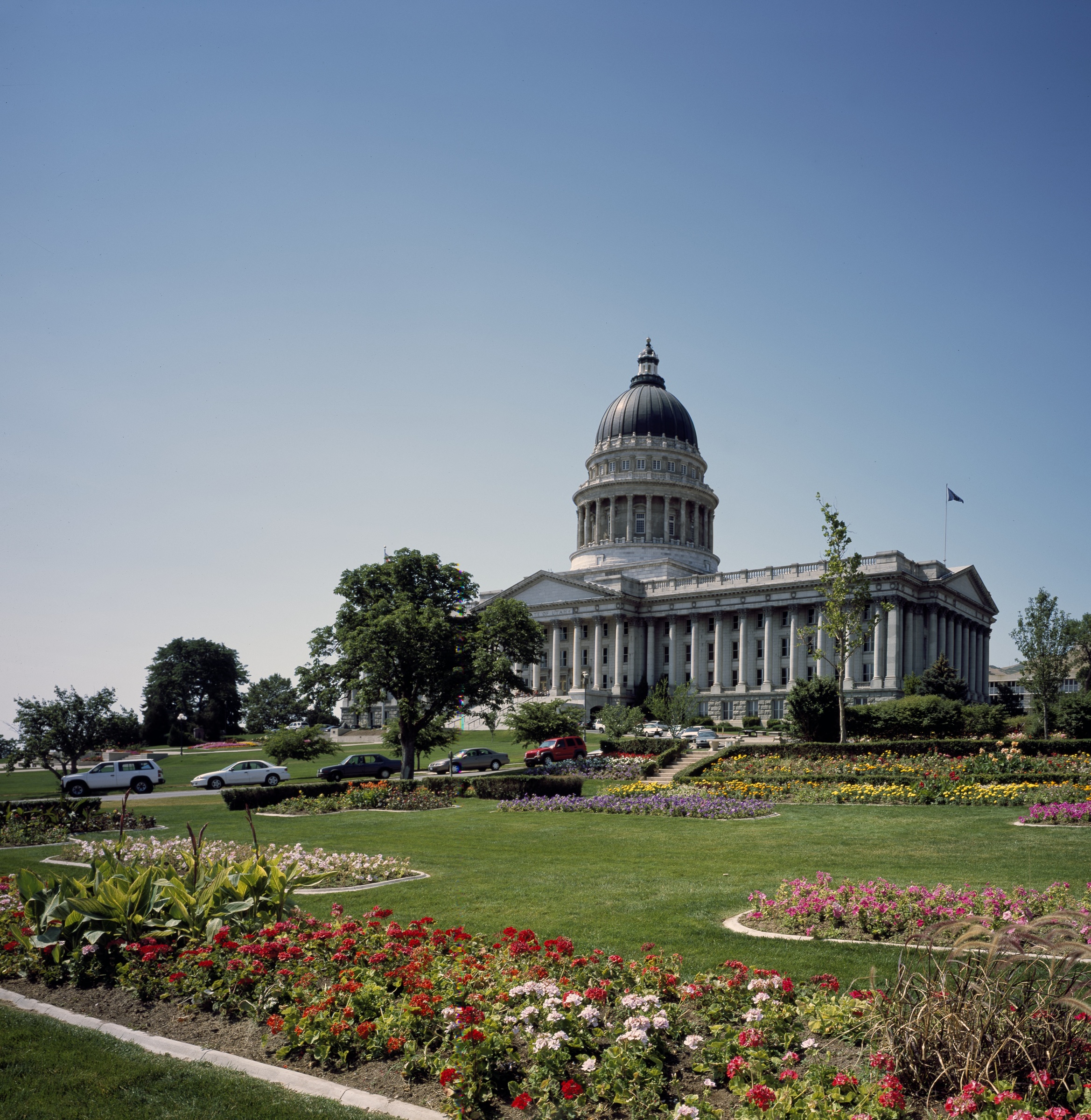
Photo: Carol M. Highsmith / Library of Congress, Prints and Photographs Division, LC-DIG-highsm-15488, between 1980 and 2006. Public domain. Cropped at the right edge to exclude visitors; resized.
I would put three questions at the top of a Utah photography brief: which story matters, where it happens, and what must not be missed while the photographer is somewhere else. Those questions are more useful than a promise to document every corner of an event.
A Salt Lake City convention, a Provo program with several room combinations, and a St. George reception can produce very different answers. A photographer may be suitable for all three without approaching them the same way. The proposal should show that difference in its priorities, not merely replace the city name.
I use current venue descriptions below to build hypothetical examples. They are not open jobs, endorsements of particular photographers, or accounts of my own local shoots. For a real commission, I would use the organizer's confirmed program and authorized room plan to make the final choices.
Three assignments, three different missing-picture risks
Imagine a Salt Palace conference whose communications team needs the main presentation and sponsor interactions. The risk is spending the keynote in the exhibit area because the brief treated both as equally urgent without a schedule. A good coverage plan gives each story a workable place.
Now imagine a Provo meeting that adds executive portraits during a break. The risk changes. The photographer may spend the entire break finding participants while the agreed portrait area sits unused. A roster and a person who can gather people matter as much as camera preparation.
For a St. George reception, the essential photograph could be a gathering of people who rarely appear together. The risk is waiting until several have left. The organizer needs a named group, a gathering contact, and a moment accepted by the participants.
These examples are choices to discuss, not universal prescriptions. Your event may need none of them. I would ask prospective photographers to identify their own concerns from your actual program. Their questions reveal how carefully they have read the assignment.
Salt Lake City: turn the convention map into an image plan
Visit Salt Lake's official Salt Palace planning page identifies exhibit halls, a Grand Ballroom, and modular meeting rooms. Those categories establish a useful starting point. They do not identify your booked room, the final stage direction, or where a photographer may work.
Take the confirmed event map and mark the essential photographic moments. Then add their times. If the same person is expected in separate rooms at once, the conflict should become visible before anyone accepts the proposal. Decide whether to prioritize, sample coverage, or discuss an additional photographer.
I would keep the visual story connected to the program's purpose. If the conference exists to introduce a project, capture the introduction and people's response. If the client needs sponsor reporting, identify the sponsored activity instead of assuming a logo in the background will satisfy that requirement.
A sponsor list needs interpretation
Some organizers need evidence that a sponsor's contribution was present. Others need people using a demonstration or interacting with a representative. Tell the photographer which result is expected. A photograph that proves a sign existed may not explain the relationship the client wants to show.
Provide verified sponsor names and locations if those are required. Someone should also settle what to do when an assigned representative is not there. Without that decision, a photographer can lose useful coverage searching for a person who has already left.
Do not promise a complete sponsor record based only on the public venue map. The actual assignments and exhibit layout come from the organizer. Restricted demonstrations or unreleased screens need their own instructions before they appear in a public communications set.
The ballroom story should include more than the podium
A client may need the speaker, audience response, introductions, and important exchanges. Explain the hierarchy. If the speech is the unrepeatable moment, the photographer should not be sent away for an optional portrait during it.
Ask to review a complete presentation sequence from a permitted previous assignment. Look at how the photographer handled changes in speaker, expression, and audience attention. A spectacular stage photograph can be excellent evidence of one moment without establishing the whole service.
The Salt Palace's published categories do not settle movement, credentials, lighting permissions, or backstage access. Obtain those through this program's organizer. Familiarity with the building is useful preparation, but is not permission for a new event.
Provo: a portrait break is its own production
Utah Valley Convention Center's ballroom page describes a room divisible into thirds, a flexible lighting system, and naturally lit pre-function areas. The meeting-room page identifies flexible Cascade combinations, Creek rooms with installed screens and ceiling-mounted projectors, and a rooftop garden terrace.
The feature list can help ask better questions. Which room is assigned to the portraits? Is it available for setup before the break? Who controls the lighting and nearby traffic? The photographer should not arrive expecting that an appealing public feature is included in the client's booking.
For a sample executive session, I would ask the organizer for the final participant list and the desired consistency with any existing portraits. Those requirements determine how much the setup needs to be controlled. A loosely defined request for a few headshots leaves too much unsettled.
Give the portraits a beginning and an end
Identify who calls participants, checks names, and announces the return to the meeting. A photographer can direct a subject but cannot reliably recognize every executive at a first encounter. An organizing contact keeps the portrait process connected to the program.
Decide what happens if someone arrives late or an earlier session runs long. Which portraits are essential, and who may change the sequence? The answer should not depend on a photographer choosing between an angry waiting participant and the next scheduled presentation without authority.
If the same person also covers the meeting, define the handoff. A prepared portrait station is not continuous conference coverage. The proposal should explain whether the work can be sequenced or whether another person is needed for the stated expectations.
Do not calculate spare space from a capacity table
The Utah Valley pages explicitly warn that listed capacities do not account for staging and audiovisual equipment. That warning is relevant to a portrait setup too. A room's published maximum is not evidence that a backdrop, light, or waiting line fits the actual arrangement.
Ask for an approved location and circulation plan. Confirm who may move furniture and what must remain accessible. Do not assume a photographer can change the meeting room because the equipment is easy to carry or a partition looks movable.
The rooftop terrace can be discussed as a possible setting, not guaranteed as a background. The booked space, permission, participant flow, and an alternative still need agreement. If the client primarily needs consistent portraits, preserve that goal when the preferred setting changes.
Keep the screen and the portrait separate
Installed presentation screens in the Creek rooms are facility features. They do not establish what content will be displayed or whether it can appear in photographs. If the meeting includes private material, the organizer should give usable instructions about it.
Ask whether portraits need a clean background independent of the session. A screen, doorway, or passing group can affect consistency. The photographer should explain the proposed solution and have it confirmed before the break becomes a rushed experiment.
Relevant portfolio evidence should include a set of portraits made under comparable constraints. Check whether the subjects look comfortable and whether the finished set works together. The client is buying a usable result, not an equipment inventory.
St. George: prioritize the people within the room
Dixie Convention Center's official floor-plans page identifies a divisible ballroom, an all-glass-enclosed Garden Room, exhibit space, meeting rooms, an auditorium, and mezzanine suites overlooking the exhibit hall. This guide uses those categories without repeating capacity figures, which differ between parts of the page.
For a hypothetical Garden Room reception, I would identify the people who need to appear together before choosing a scenic detail list. The setting can establish where the event happened. It cannot replace the relationship the client commissioned the photographs to preserve.
Give the photographer a gathering contact, not just a list of unfamiliar names. Agree whether introductions can be made during the reception or whether a short arranged group belongs elsewhere in the program. Guests should not receive conflicting instructions from several people trying to help.
A glass enclosure is not an outdoor permission
The Garden Room description explains a feature of the space. It does not authorize an outside portrait location or use of adjacent property. If the client wants to leave the booked room, confirm the proposed area and instructions separately.
A photographer should ask what the room will look like during the event. Decorations, furniture, and lighting affect the available views. The approved setup is more informative than assuming that an empty-room photograph represents the commissioned reception.
For the mezzanine, an overlooking view is not automatically a permitted camera position. Ask whether a proposed position is available and safe for the actual program. Do not promise an elevated group image solely because a public description mentions suites above the hall.
Let the gathering remain a gathering
If the reception is meant to be informal, say how much posing is welcome. A short essential group can coexist with candid coverage when it is planned. Repeatedly interrupting guests for unrequested combinations can work against the event's purpose.
I would review reception work for how people relate to one another, not only how they look toward the camera. The useful set should show the occasion without reducing everyone to isolated portraits. Ask the photographer how they balance arranged images and observation.
Private celebrations require explicit discussion of public use. The organizer may want photographs for participants without wanting promotion. A private delivery and a photographer's public portfolio are different audiences and should not be treated as one permission.
Utah's calendar should not be copied from old assumptions
Sundance Institute's current announcement identifies Boulder, Colorado, as the Sundance Film Festival's home beginning in 2027. A Utah photography guide should not imply the festival remains a recurring future assignment in Park City or Salt Lake City. Verify an actual commission rather than rely on a familiar association.
The same care applies to company names, annual gatherings, and supposed seasonal demand. A past event is not proof of a current opening. This guide does not infer available photography jobs from economic headlines, Olympic plans, or a venue's ability to host conferences.
For work outside the facilities discussed here, start again with the actual property and commissioning contact. A resort, private home, or another city needs its own address, working instructions, and permissions. Do not turn one venue's published information into a statewide rule.
A hiring conversation that produces evidence
After reviewing work relevant to your assignment, give the photographer the actual priorities and ask what they would change in the plan. Useful answers might expose a portrait conflict, missing participant information, or an impossible transition. A question that prevents failure has value even before the event begins.
Ask which parts of an example gallery the applicant personally photographed. If a crew handled the project, understand the role split. You can respect an additional photographer's contribution without confusing it with responsibility for the entire event and delivery.
References should focus on observable behavior. Ask how the photographer communicated a schedule change or handled a new request. Keep private guest information and confidential presentation details out of that conversation. You need evidence of working judgment, not another client's internal records.
Do not equate a longer image count with a better proposal. Ask how the selection supports the stated purpose. An organizer should not have to sift through repetitive files to find the few promised moments or discover that a required person never appears.
Scope the work before comparing proposals
Read the offered coverage, crew, portrait responsibilities, editing, delivery structure, and image rights. A bid that includes only the conference story is different from one that includes consistent portraits and simultaneous rooms. Make those differences explicit rather than compare them as identical services.
Name the person who can approve a change during the event. A guest's friendly request may redirect the photographer away from the client's priority. The photographer can explain the tradeoff and seek an authorized decision without being dismissive of the guest.
For insurance or credentials, obtain the current request from the organizer and ask the proposed photographer to satisfy that specific request. A profile or portfolio does not prove compliance. One property's requirements should not be described as applying to every venue in Utah.
Also identify the arrival instructions and equipment arrangement. Where does the crew report? What is the approved working position? What remains unconfirmed? An honest open question is safer than inventing a convenient route that someone follows on event day.
Using ProShoot from either side of the inquiry
ProShoot's published process describes clients posting a job, reviewing bids and portfolios, and selecting a photographer. Its photographer process includes applying and presenting work. I would use those steps to exchange the actual program and relevant evidence, not rely on platform presence as a substitute for preparation.
A photographer responding to the Salt Palace example should address presentation and sponsor priorities. A Provo response should explain portrait flow and its effect on meeting coverage. A St. George response should show how essential groups fit an informal reception. Those answers can be concise while still being specific.
State your availability only after checking the full assignment. Preparation, setup, an additional function, or a second property may extend beyond the advertised program. If a condition is unresolved, explain it rather than promise access or a timeline that depends on someone else's approval.
Clients should ask follow-up questions where the proposal leaves a consequential gap. The goal is a clear commission both sides understand. A broad claim to cover all Utah events gives less useful evidence than a thoughtful response to the one being planned.
Finish with an agreed delivery and review route
Tell the photographer whether the next user needs session groupings, identified portraits, recipient names, or a chronological reception story. Agree on a delivery date and any earlier selection separately. Work requested during the program may affect ongoing coverage and should be planned as such.
If captions are included, assign a reliable person to verify names and roles. If images need approval, identify the reviewer and restrictions. The photographer should not guess whether confidential slides or private participants belong in a public selection.
Use the actual file-access and storage terms offered, and keep portfolio permission separate from the commissioned delivery. State how the client can request a factual correction. A clean finish leaves the recipient knowing which files are ready and which still need a decision.
Choose the photographer whose plan fits the occasion
The Salt Lake City, Provo, and St. George examples return to the same practical test: can the proposed work preserve the important part of this particular event? The answer comes from relevant complete evidence and specific decisions, not claims of statewide demand or an ability to be everywhere.
I would rather settle a portrait conflict, a missing group contact, or an access question before booking than depend on improvisation to hide it later. Whether you are posting a job on ProShoot or applying for it, use the brief to make those decisions visible. That is how the photographs begin to serve the event before anyone arrives.
Sources checked November 6, 2026
- https://www.visitsaltlake.com/salt-palace-convention-center/plan/floor-plans-virtual-tour/
- https://utahvalleycc.com/level-2-ballroom/
- https://utahvalleycc.com/meeting-room-level/
- https://dixiecenter.com/plan/floor-plans/
- https://www.sundance.org/blogs/2027-sundance-film-festival-to-take-place-january-21-31-in-boulder-colorado/
- https://proshoot.io/how-it-works/
Ready to hire a professional photographer?
Post your job free and get bids from photographers near you.
Post a Job Free →