Top Event Photographers in Texas
Hiring guidance and photography job advice for Texas clients and photographers.
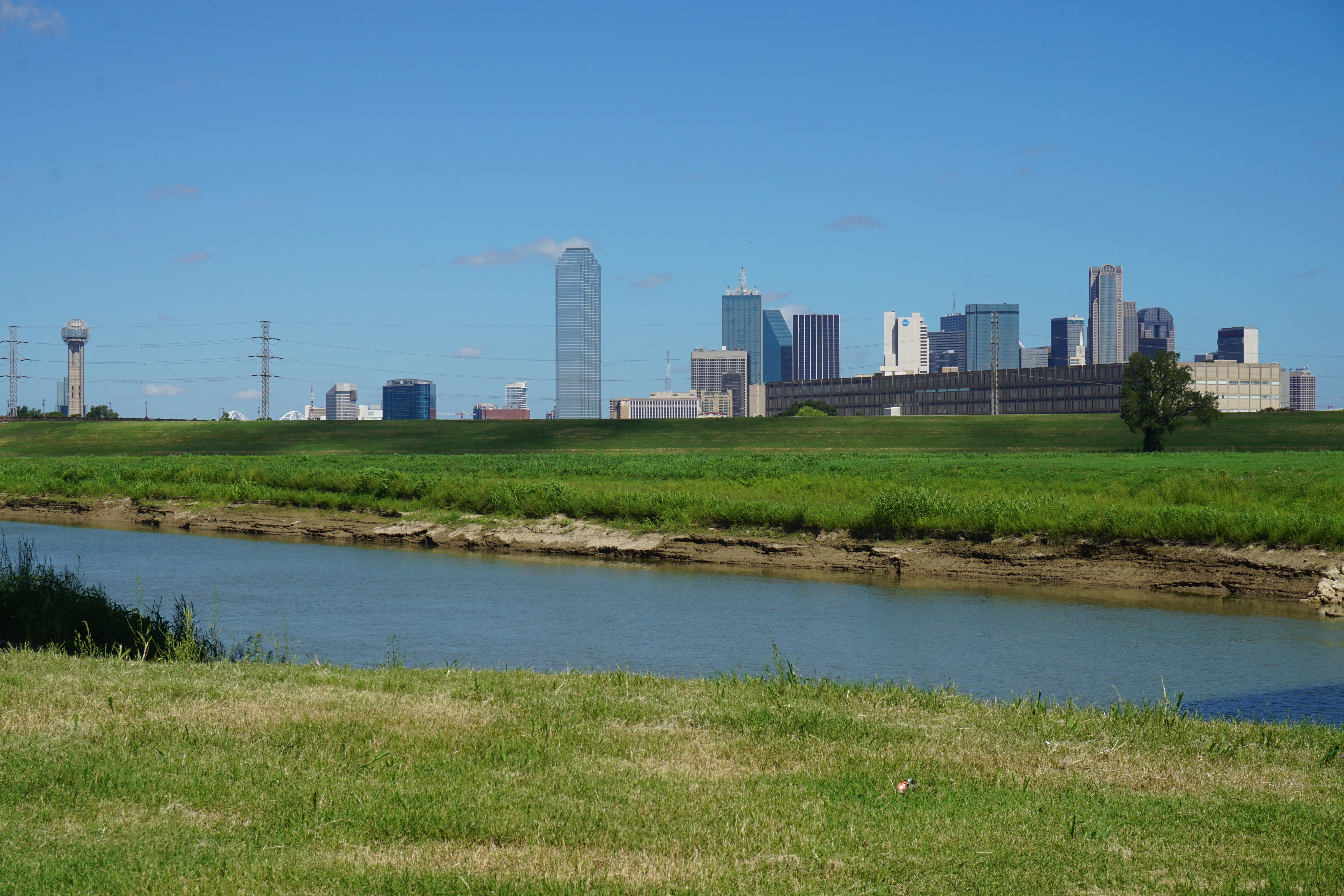
Photo: Michael Barera / Wikimedia Commons. CC BY-SA 4.0. Resized, uncropped.

Start with the address, not the state
If I am hiring an event photographer in Texas, my first question is simple: where is the job? Houston, Dallas, Austin and San Antonio belong in the same state guide, but they do not belong in the same travel estimate. A photographer's home base matters. So do the actual venue, the schedule and the photographs somebody needs when the event is over.
That is where I would start, whether I am hiring for a conference or looking for photography jobs in Texas. Not with a list of names and a promise that everybody is the best. Start with the assignment. Then look for work that proves the photographer can handle it.
This guide is for both sides of that conversation. Clients need a useful way to compare event photographers. Photographers need a way to describe their work without sending the same empty pitch to every planner. The connection between those two things is a clear brief. It gives the client something to judge and the photographer something real to answer.
A Houston conference: build the brief around movement
Take a hypothetical conference at Houston's George R. Brown Convention Center. The building's official website is the place to check its current spaces and operating information. For the photographer, though, the assignment is not simply "cover the convention center." It might involve a stage, an exhibit floor, meetings and an evening gathering with a different audience.
I would put those parts on a timeline before asking anybody for a proposal. Write down when the keynote starts, when the room becomes available and whether the organizer wants photographs of an empty setup. List any activity happening at the same time somewhere else. One photographer cannot promise a complete record of two separate rooms at once. That is a coverage decision, not something to figure out during the keynote.
Consider an example: a speaker finishes, a sponsor demonstration starts and the client's leadership group needs a portrait before leaving. Which photograph has priority? The person hiring should decide that before the day. If all three are essential, ask the photographer to propose a staffing plan. Do not assume a second person appears because the schedule became difficult.
For photographers, this is a better opening than "I shoot conferences." Describe how you would cover the transitions. Ask for the floor plan and the organizer's priorities. Explain where you would need assistance or more time. A practical question can show more judgment than another paragraph about your passion for photography.
Dallas and Fort Worth: two stops need a transport plan
A job described as Dallas-Fort Worth might take place in one room. It might also move between cities. Those are different assignments. I would want the exact addresses before agreeing that a photographer can cover an afternoon presentation and an evening reception.
Imagine a client wants headshots at an office in Dallas, followed by reception photographs in Fort Worth. The useful question is not whether the photographer serves both places. It is whether the proposed schedule allows packing, travel, parking, unloading and a lighting check at the second location. A map estimate for the drive does not include those tasks.
The client should decide who is responsible for the headshot queue. If employees arrive whenever they feel like it, the photographer may still be working when they need to leave. Assign someone to bring people over, keep names straight and close the session at the agreed time. Give that person the authority to make the schedule work.
I would also separate the two deliverables in the proposal. Headshots may need consistent framing and individual filenames. The reception may need a narrative gallery with speakers, groups, room views and candid moments. Calling both "event photography" hides the difference. Spell it out so the final folder does not become a guessing game.
A photographer looking for work here can use the same thinking in a portfolio. Show a coherent headshot set separately from a reception story. Let the buyer see what each service produces. If travel between locations is part of the proposal, describe the assumptions without making a promise about traffic you cannot control.
Austin: do not let the event label replace the scope
An Austin brand gathering could mean a quiet dinner, a stage program or an outdoor activation. I would not choose a photographer based on the city name alone. I would choose based on what happens in the room and what the client intends to do with the images.
Suppose a company invites customers to a product demonstration. The client may care about hands using the product, staff explaining it and the way the space looks with guests inside. A photographer might otherwise come away with attractive crowd pictures that say very little about the product. The brief needs to explain the business purpose in ordinary language.
I would ask the organizer to identify the person who can move a product, remove packaging or approve a cleaner background. A photographer cannot quietly rearrange somebody's presentation without permission. Small decisions like that affect the pictures, and they are easier when one person knows who can say yes.
If the activation includes music or a performance, confirm the photography access with the organizer. Attendance is not a photography credential. Ask about approved positions, lighting restrictions and whether any performer has separate conditions. Do not infer permission from a public event listing or from the fact that another photographer worked there before.
For photographers pursuing this kind of job, make the proposal specific to the requested use. A recap gallery, a press selection and a set of product-focused images are different outputs. You can offer them together when you can actually deliver them, but the organizer should understand the difference before accepting the plan.
San Antonio: tell the organizer what a complete gallery means
For a hypothetical San Antonio association meeting, I would build the shot list around people and purpose rather than a long inventory of everything visible. There may be a board presentation, a recognition ceremony, a member gathering and a few portraits the communications team needs later.
Ask the association to name the people who must appear and provide a way to identify them. A list of names without photographs or an on-site contact is not much help in a crowded room. The photographer needs a discreet way to confirm identities without interrupting the program or guessing who is important.
Awards need their own arrangement. Where will recipients stand? Who holds the award? Is there a pause for a photograph? If the presenter immediately turns away, the photographer may get a handshake but not a clean picture of both faces. A short conversation with the stage manager can prevent that problem.
I would also distinguish a full event gallery from a promise to photograph every attendee. Those are not interchangeable. If individual coverage is required, design a process for it, such as a portrait station or an organized group photograph. Roaming coverage alone is not a reliable attendance record.
For a photographer, this is a chance to show an actual sequence in the portfolio: room context, the person speaking, reactions, an award moment and a quieter conversation afterward. The sequence helps a client picture their own meeting. A page of unrelated hero shots makes that harder.
Read the gallery like the person who will use it
My portfolio test starts after the opening photograph. Ask for a complete delivered event gallery the photographer is allowed to share. Look through the middle, where the ordinary work lives. Are faces readable? Are the images varied enough to support a recap? Does the gallery become repetitive once the stage program begins?
Then judge it from your own role. A communications manager may need horizontal pictures with room for a headline. A sponsor manager may need recognizable evidence of an activation. An internal team may need photographs that include staff who never walk onstage. Tell the photographer those uses rather than assuming a good-looking portfolio covers them automatically.
Be careful about evaluating a different kind of assignment. A beautifully lit portrait is not evidence of consistent coverage in a dark ballroom. A daytime festival gallery does not answer whether somebody can work around presentation screens. Ask for relevant evidence, and give the photographer a chance to explain what was requested on that earlier job.
Do not ask for confidential client material as proof. A photographer may have a legitimate reason not to share a particular gallery. Ask for another comparable example or a reference they have permission to provide. The purpose is to understand the work, not to pressure someone into breaking an agreement.
Turn the proposal into a working document
A proposal should answer what happens, who does it and what arrives afterward. I would want the coverage addresses, start and finish times, named contact, staffing and deliverables in one place. If a detail is still open, mark it as open. A confident paragraph does not settle an unanswered question.
Separate capture time from the rest of the process. Are setup photographs needed before guests arrive? Will the photographer bring lighting for portraits? Does the organizer want an early selection during the event? Those requests can change how the assignment is staffed. Ask the photographer to explain the plan instead of adding them casually after the agreement.
Delivery deserves the same care. State the agreed file format, how the files will be transferred and the deadline for each promised selection. If the client needs names in captions, explain who supplies and checks them. If the client needs a particular folder structure, show an example before the photographer starts preparing the gallery.
Usage terms belong in the agreement too. Describe the intended uses and audiences, including any sponsor access, advertising or third-party distribution. Do not assume the phrase "company use" answers every question. For a consequential rights question, have the agreement reviewed by someone qualified for the relevant jurisdiction and circumstances.
Weather, access and the parts nobody puts in the mood board
For an outdoor Texas assignment, I want a written weather plan. It does not need dramatic language. It needs a person who decides whether activities move indoors, a place the photographer can work safely and a way to tell the crew about changes. Check the forecast and event instructions close to the date.
An indoor backup is not automatically an equivalent photography location. It may have different lighting, less space or restrictions on equipment. If portraits move from a courtyard to a meeting room, tell the photographer before the guests line up. Give them a chance to assess the room rather than expecting the same result from a completely different setup.
Access is another separate check. Ask the venue or organizer about credentials, equipment entry, parking, security screening and any required insurance documentation. Requirements differ by venue and assignment. Get the current instructions from the party controlling access, not from a general claim about what Texas venues usually require.
For photographers, keep the operational questions visible in the proposal. Where can equipment be left? Who is the contact if an entrance is locked? Is there a place to make a backup during a long assignment? These questions are not glamorous, but they affect whether you can do the work the client thinks they booked.
Finding photography jobs in Texas without an empty pitch
If I were building a Texas event portfolio, I would choose a practical service area first. List the places you can genuinely serve and identify when travel requires a separate conversation. A statewide headline is not a reason to imply you are local to Houston, Dallas, Fort Worth, Austin and San Antonio at the same time.
Next, organize the portfolio around the buyer's problem. Conference organizers need to see a conference story. An office manager arranging headshots needs to see a consistent set of people, not only one dramatic portrait. A nonprofit planning an awards dinner needs to understand how you photograph a stage and the room around it.
When responding to a lead, answer the assignment that was posted. Mention the relevant gallery, state whether you are available for the requested schedule and identify the missing details that affect your proposal. If the brief names two locations, ask about the move. If it asks for portraits, ask how many people and how the session will be organized.
I would rather read a short, useful response than an autobiography. Do not claim venue experience you do not have. You can explain how you prepare for an unfamiliar location: review the organizer's instructions, ask for a floor plan and arrange an access check when possible. Honest preparation is a better foundation than invented familiarity.
Using ProShoot as a starting point
ProShoot is part of the search, not a substitute for checking the assignment. Consult its current how-it-works page for the platform's process. Then verify the details with the photographer or client involved. This guide does not promise availability, account features or particular results from a listing.
For a client, the useful material to prepare is the brief: location, schedule, event type, intended uses and contact. For a photographer, it is a relevant portfolio and a reply that addresses those details. Keep the conversation tied to evidence of the work and the terms of this particular job.
Before making a commitment, confirm who is entering the agreement and how changes will be handled. If the schedule shifts, record the revised scope rather than relying on an old message. The platform may help people find each other; the working plan still needs to be clear to everybody doing the assignment.
Questions I would settle before the date
Can one photographer cover the program? Put simultaneous activities on a single timeline and ask the photographer to identify conflicts. The answer depends on the scope, not the size of the event on the invitation.
Who can request extra photographs? Name one organizer who can approve changes. A speaker, sponsor and guest may each want something different. The photographer needs to know whose instruction controls when requests compete.
What happens if the location changes? Agree on how the new address, access instructions and schedule will be confirmed. Do not leave a crew working from a stale version of the brief.
What should the final images accomplish? Answer that in plain words. A useful Texas event photography assignment ends with pictures somebody can actually use, made under a plan the client and photographer both understood.
A final check from the editing desk
Before delivery, I want the organizer and photographer to agree on how corrections are reported. A misspelled name, a missing requested portrait and a different preference about color are not the same issue. Keep feedback specific and refer to the original brief. That gives both sides a fair way to judge whether the promised work is complete.
For photographers, make the handoff easy to understand. Tell the client which folder is the finished delivery and whether any separate selection is included. Avoid sending several similarly named links with no explanation. If somebody other than the original organizer will download the photographs, confirm that person is an intended recipient under the agreement.
Then close the loop. The assignment is not finished because the shutter stopped. It is finished when the agreed photographs reach the right person in the agreed form, with any remaining question stated clearly. That is the part of event photography I would want a client to remember.
If you are comparing proposals, send each candidate the same final version of that brief. Otherwise you may be comparing different jobs without realizing it. Ask each person to identify exclusions and assumptions. Those answers often reveal the practical differences between proposals more clearly than a promotional headline ever will.
Sources checked November 6, 2026
Ready to hire a professional photographer?
Post your job free and get bids from photographers near you.
Post a Job Free →