Top Event Photographers in Tennessee
Find top event photographers in Tennessee for conventions, music events, and weddings. Hiring guidance plus photography jobs across TN.
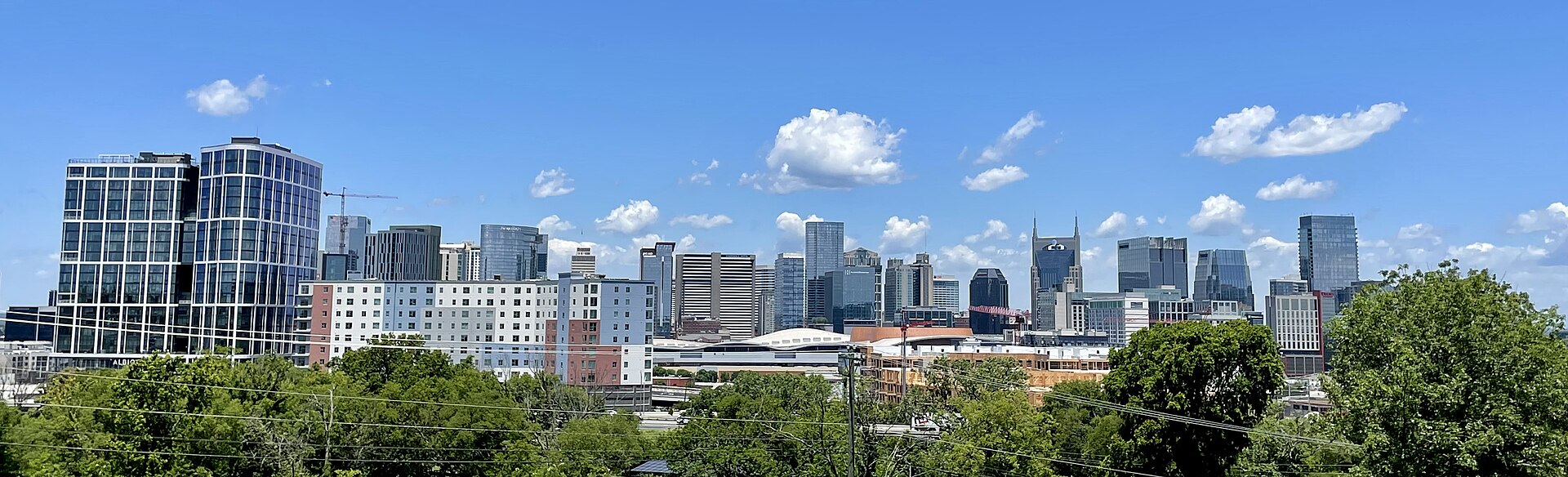
Hero photo: Nashville skyline from Fort Negley, 2024, by Jschnake. License CC BY-SA 4.0, via Wikimedia Commons. Shown uncropped.

A Tennessee event photography brief should tell me more than the city and the guest count. A conference at Nashville's Music City Center, a meeting at Gaylord Opryland, and a private celebration in another part of the state ask different questions of a photographer. Before looking at a portfolio, I would identify what the client needs the images to explain.
I have photographed events for more than 20 years. That experience makes me interested in the working plan behind an attractive gallery: the schedule, the access, the people, and the delivery. This is how I would approach hiring an event photographer in Tennessee, or presenting a proposal for an assignment there. It is a practical guide, not a ranking of individual photographers or a promise about the amount of work available.
Nashville Convention Coverage Starts With Scale
Music City Center: a campus figure is not a coverage plan
Music City Center's own description gives its total size as 2.1 million square feet, with a 353,000-square-foot exhibit hall. Those figures describe different things. Neither tells the photographer where your event begins or which rooms must appear in the gallery. I would ask the organizer for the actual booked spaces and the current program before discussing staffing.
Imagine a client commissioning an opening presentation, a busy exhibit area, and a set of leadership portraits. Those requests can sound manageable in a short message. Put them on a schedule, though, and the portrait window may coincide with the presentation while the exhibit photographs require another location. The brief needs a priority decision, not a confident claim that one photographer can handle everything.
I would mark those conflicts on the program and bring them into the proposal conversation. Which photographs are essential? Which activities can be documented at another point? Is a second photographer appropriate? The venue's size is a reason to ask those questions, not a reason to assume that every event held there needs the same crew.
Gaylord Opryland: name the room and the route
Gaylord Opryland Resort and Convention Center lists more than 700,000 square feet of meeting and exhibition space. A client should still identify the exact rooms, the entrance for the photography crew, and the person responsible for arrival instructions. A familiar property name does not establish the access arrangements for a new conference.
For a program with several sessions, I would ask the event team to distinguish required coverage from optional coverage. A photograph of every presenter may be necessary for one client; another may want an overall story with selected speakers and audience interactions. Those are different assignments even when the event occupies the same rooms. Put that difference into the brief so proposals can be compared fairly.
Moving between sessions also changes the visual story. A photographer who leaves one room early may miss its closing discussion, while arriving late to another may lose the opening interaction. Decide what matters rather than treating movement as empty time. If the program changes during the event, one named contact should communicate the new priority.
Do not let the establishing photograph become the whole story
Nashville's recognizable settings can help identify an event, but a client usually needs more than a photograph proving where it happened. I would plan a few clear establishing images and then ask what makes this particular gathering worth documenting. That might be the interaction around a demonstration, a new partnership, or a room responding to a speaker.
Ask the client how the images will be used. A report for members, an internal record, and a public campaign may require different emphasis. A wide room photograph can be useful in all of them, but it cannot do every job. The coverage plan should connect the setting to the people and the program rather than letting the background replace the assignment.
Three Tennessee Briefs I Would Approach Differently
A conference with a public recap
For a conference, I would begin with the communications team's required output. Do they need a balanced account of the day, a few images for a specific announcement, or a record of each session? Ask for examples of the intended use where possible. That helps the photographer distinguish a useful photograph from a merely attractive one.
Then map the people who need to be identified. Provide names and roles for leadership, presenters, award recipients, and anyone whose appearance is tied to the event's purpose. Assign someone who can recognize them on site. A photographer should not have to interrupt a discussion to discover which participant is central to the story.
If the client wants files during the conference, explain that request before booking. Ask how selection and editing will fit around coverage. A delivery request is not automatically compatible with every session on the schedule. Decide which work happens when, who receives the files, and whether another person is needed to support the process.
A gathering with a stage component
For an assignment involving a stage program, I would ask about permitted positions, movement, equipment, and the period during which photography is allowed. Those conditions come from the responsible event contact. Do not assume that a room being open to guests gives a commissioned photographer access everywhere in it.
Look at a portfolio for the handling of changing light and distracting backgrounds. A bright face beside an unreadable screen can limit how a client uses the image. A strong gallery should show choices about expressions, gestures, composition, and the relationship between the stage and the room. Ask the photographer to explain relevant examples rather than reciting a list of equipment.
Separate the stage assignment from anything around it. Portraits, arrivals, a private reception, and backstage documentation should each have an agreed place in the program and appropriate permission. One event title can hide several jobs. A clear proposal says which of those jobs the photographer will perform.
A celebration away from the convention setting
For a private celebration elsewhere in Tennessee, I would begin with relationships. Who should appear together? Which guests have a short availability window? Which parts of the event should remain undirected? A portfolio of conference work may show technical competence without demonstrating the approach this gathering needs.
If the event uses several spaces, describe the movement and the approved alternative for any outdoor component. Ask where group photographs will happen and who will gather people. Do not assume a suitable background or quiet room will be available when needed. The event host should confirm the space, while the photographer explains how to use it.
Travel also belongs in the actual proposal rather than a statewide generalization. Give the photographer each address and coverage window. Ask whether the proposed arrangement includes them all and what arrival plan is realistic. A home city on a profile is not evidence of willingness or availability to cover another location.
Read a Tennessee Photographer's Gallery in Sequence
I would not make the hiring decision from a handful of images placed at the top of a profile. Ask for a complete comparable gallery that the photographer is permitted to share. Read it from beginning to end. It should help you see how the photographer handles ordinary moments as well as the moments that naturally attract attention.
Look for a beginning, middle, and conclusion
An arrival sequence can establish the event without repeating the same doorway. The middle should show the program and the guests participating in it. The conclusion should feel connected to what came before. The sequence does not need to follow a rigid formula, but the client should not be left with attractive fragments that require an explanation for every frame.
Watch for repetition. Ten nearly identical pictures of one presenter do not replace coverage of the audience or another required activity. At the same time, do not assume that fewer images indicate a weaker assignment. Ask what the client commissioned and what the gallery represents. Coverage should be judged against its purpose, not an unexplained image count.
Pay attention to the difficult photographs
Look at the dim session, the crowded reception, the awkward group, and the transition between spaces. Those situations reveal how the photographer responds when the frame is not already waiting. Are faces clear? Do group members look engaged? Does the image preserve enough context to explain the moment?
Ask about limitations that affected the original assignment. If lighting or movement was restricted, the photographer may have made a deliberate compromise. That explanation helps you compare the example with your event. It also gives you a chance to hear whether the photographer can discuss constraints honestly without promising that every problem disappears with experience.
Check that the gallery matches the proposed role
A photographer may have contributed to an event as one member of a larger crew. That can be useful experience, but the role should be clear. Ask which images they made and which responsibilities they held. Do not infer that a gallery associated with their name means they personally covered every room and every part of the program.
The same principle applies to style. A photographer may direct portraits while taking a quieter approach during sessions. Ask how they would balance those modes at your event. The answer should relate to the schedule and audience, not simply to a label such as documentary or editorial.
Put the Assignment Into a Working Agreement
The proposal should describe what the client is choosing. I would look for coverage dates and hours, exact locations, staffing, deliverables, intended image use, and the delivery process. If an important condition is missing, ask about it before booking. A short clarification can prevent a much longer disagreement after the event.
Distinguish coverage from editing
Taking photographs and preparing a finished gallery are connected tasks, but they are not the same task. Ask what the agreed edit includes and how the selection will be made. If the client needs particular formats or crops, explain the use rather than assuming every frame can support every layout.
An early selection should have its own agreed scope. Which photographs are needed first, who chooses them, and who approves them? Where should they be sent? A photographer cannot plan that handoff from an instruction to deliver quickly. The written plan should give both sides a concrete expectation without inventing a universal turnaround time.
Confirm rights and recipients
Discuss who will use the images and for what purpose. A host's internal archive, materials given to sponsors, and advertising by another organization may involve different terms. Ask about those uses explicitly. Do not treat possession of a file as evidence of permission to distribute it for any purpose.
Privacy belongs in this conversation too. Identify guests who should not appear publicly, confidential screens or documents, and any approval requirement. Explain how those restrictions will be communicated on site. A photographer needs a practical way to follow the instruction, not an indistinct warning that some things might be sensitive.
Ask what happens when the program changes
Name the person who can approve a change in coverage priorities. If a portrait moves or a session overruns, the photographer should know who can decide what takes precedence. Give that contact an accurate understanding of the agreed scope so a new request does not quietly replace something another stakeholder considers essential.
Ask the venue for current vendor requirements and ask the photographer whether they can meet them. This includes any insurance documentation, access process, or equipment restriction that actually applies. Do not assume every Tennessee property uses the same policy. Check the conditions for the specific assignment rather than borrowing a rule from a different venue.
Use ProShoot Without Losing the Details
A ProShoot event post can give available photographers a consistent brief. Include the date, venue, coverage hours, event type, intended use, and any important access or delivery condition. Then compare portfolios and bids against that same description. If the brief changes, make sure the proposals are still addressing the job you intend to commission.
I would make a short comparison in plain language: relevant gallery, proposed staffing, locations covered, deliverables, and open questions. A proposal that includes two simultaneous tracks should not be treated as identical to one that covers a single room. Clarify the scope before deciding which offer fits the event.
For photographers looking for event photography jobs in Tennessee, answer the brief directly. Point to relevant work, explain your actual role, and state how the proposed coverage would handle the program. Flag missing information rather than pretending it does not affect the assignment. A useful proposal makes it easier for a client to understand your judgment.
Do not use a Nashville convention venue or a Tennessee celebration destination as proof that bookings are guaranteed. The sources in this guide establish settings, not open jobs, income, or availability. Choose opportunities you can assess from their requirements, and present the work you can demonstrate.
A Nashville Proposal Test: Follow One Required Image
Imagine the client needs a portrait of a visiting presenter for an announcement. I would follow that single image through the plan before approving the coverage. Who has arranged the presenter's time? Which room is available? Who confirms the name and job title? Who approves the finished photograph? Those questions reveal gaps that a general request for conference photography can conceal.
The portrait also needs a place in the photographer's work. If its window overlaps with an essential session, decide which task takes precedence or who handles the other one. If the presenter arrives late, identify the person who can agree on an alternative. Do not let a delayed portrait silently remove coverage from the rest of the event without a decision by the client.
Then follow the file. The communications lead may need a vertical photograph, another team may want a horizontal version, and a publication may require identifying information. Explain those intended uses before the portrait happens. The photographer can plan variety, but cannot guarantee that an image made for one composition will support every later crop.
Finally, check the approval path. A photograph selected during the conference might still need the client's review before it appears publicly. Give the photographer a named recipient and a clear destination for that selection. Keep the original coverage agreement visible when adding the request so nobody mistakes it for work already included.
This test works because it is small enough to understand. If the client and photographer can explain how one required picture moves from the schedule to its final use, they have a useful pattern for the rest of the assignment. If they cannot, the gap should be settled while the plan is still easy to change.
Before the First Guest Arrives
I would finish preparation by checking the current schedule, addresses, key names, permissions, and delivery contacts with the event lead. Ask what changed since the proposal. Confirm any group portrait window and the person who will organize it. A small change can matter if it removes the only opportunity for a required photograph.
After delivery, the client should check that the files match the agreement and that identifying information is accurate before sharing. Keep the archive within the intended audience and the accepted usage terms. A successful assignment ends with photographs people can use and a handoff they understand, not a set of assumptions about what happens next.
Ready to hire a professional photographer?
Post your job free and get bids from photographers near you.
Post a Job Free →