Top Event Photographers in Tampa
Plan Tampa event photography with current venue names and a brief built around real image uses. Meeting, recognition, and hospitality guidance for hiring and applications.
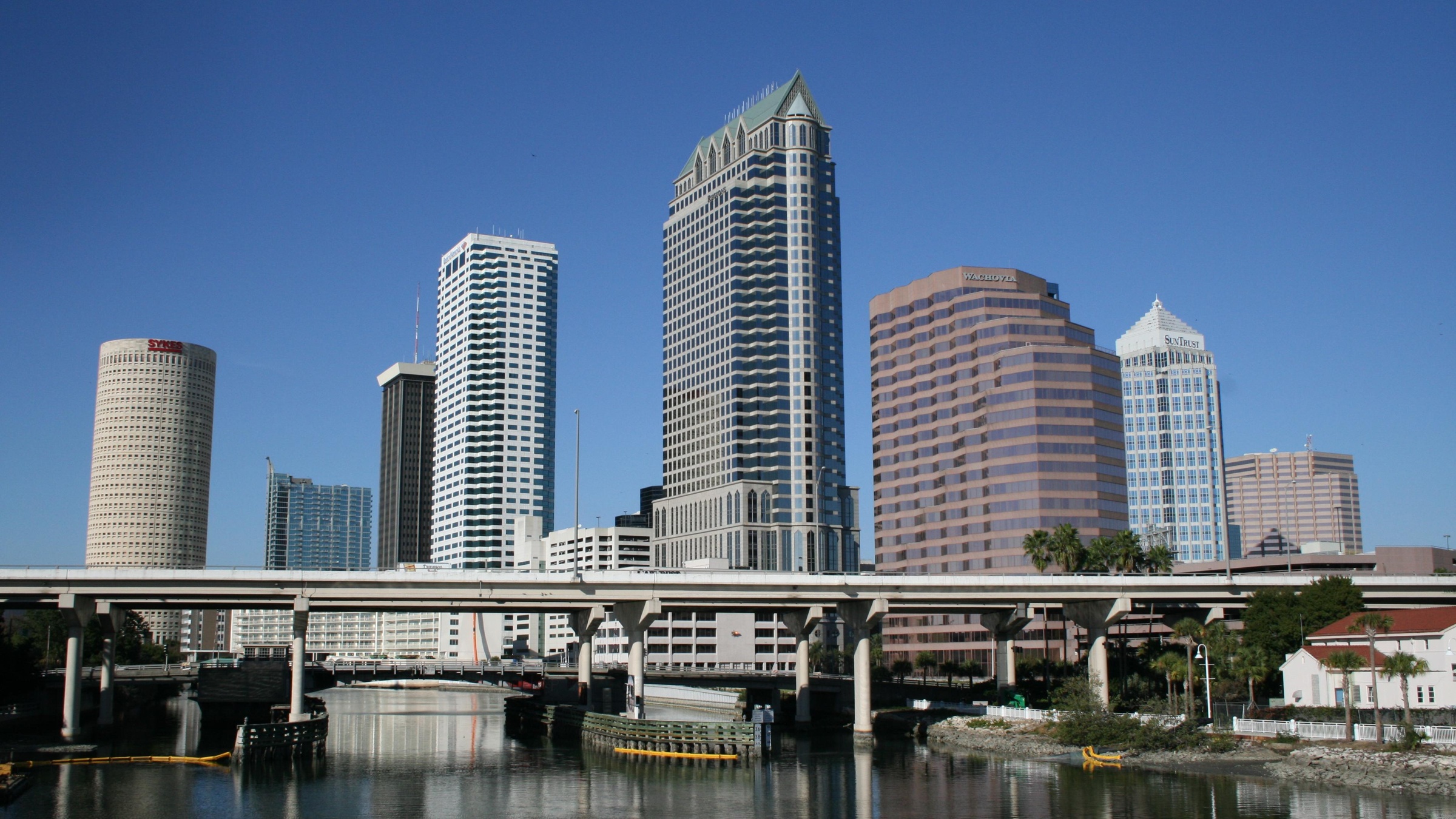

A location can be part of an event's identity without being the whole reason to commission photographs. For a Tampa gathering, I would ask whether the client wants the setting visible, the participants identified, or the program explained. The answer should guide the images instead of letting an appealing background choose the assignment.
I would also check the venue name and the date attached to any facility information. A familiar arena label can become outdated. A news URL can contain a year that differs from the event described in its body. Those details matter when a photographer is using the brief to prepare real work.
This guide uses official City of Tampa and Tampa Bay Lightning material for two planning examples. The programs are hypothetical, not job advertisements or accounts of my own shoots. The aim is to help organizers choose relevant evidence and help photographers answer an actual commission without an unlimited promise about the city's event scene.
Build the brief from the image's next use
Suppose a company wants photographs from a meeting and recognition gathering. Its internal team needs a program record. Communications wants a small public selection. Participants want to find the moment they were recognized. The same occasion can serve those purposes without every image being suitable for every audience.
I would ask the organizer to identify the next task for each user. Someone writing a recap may need the main exchange and room context. Someone preparing a participant record may need verified names. A partner may need a specific relationship shown rather than a general crowd.
Write those uses into the inquiry. They give candidates a way to show relevant evidence and explain a proposed selection. A request for a large gallery does not reveal the purpose and can leave the client with more files while still missing the necessary photograph.
The waterfront meeting example: a feature must become a real booking
The City of Tampa's official grand-opening article describes the Waterfront Meeting Rooms expansion at Tampa Convention Center and says the project finished in June 2023. Its body is dated July 12, 2023, despite a later-looking segment in the page address. This guide follows the described event, not a guess from the URL.
That source establishes the facility context. It does not establish which room the hypothetical company booked, the current installed arrangement, or any crew's permission to use nearby areas. The organizer should supply the actual location and approved setup for the program.
For the example, I would ask how the setting supports the meeting's purpose. Does the client need a broad view to establish Tampa, or is the priority the people and discussion? Both may be included, but they should be chosen deliberately rather than treated as one automatic image.
An opening view should tell the truth about the occasion
A clean room photograph before guests arrive can document the design. It cannot show participation. A wide active scene can show the gathering while making individual faces or a presentation unreadable. Explain which record is needed and arrange a permitted opportunity for it.
If the room must be photographed empty, ask when setup will actually be complete. An early crew arrival does not guarantee a finished room. The organizer can coordinate that opportunity without expecting the photographer to work around an installation in progress and somehow make it look settled.
The photographer can suggest visual ideas while keeping them subordinate to the commission. Not every attractive detail needs its own required frame. A few meaningful setting images can support a people-centered story without consuming the program's essential moments.
The meeting needs an activity description
A timetable might say discussion while the client expects evidence of a specific demonstration or exercise. Identify the important action and when it happens. The photographer should not learn afterward that the useful image depended on a step that occurred during another assignment.
If the client wants natural exchange, state how much direction is welcome. Repeatedly pausing participants can change the experience and the record. An arranged group can be valid too, but it should be a separate agreed task rather than an assumed outcome of observation.
A photograph of people talking does not prove agreement, success, or a project result. If captions are included, have the organizer verify any such context. The picture and the words should stay within what the event actually supports.
The public selection needs a practical boundary
Screens, documents, and private participants can appear in meeting images. Ask what may be photographed, delivered internally, or publicly released. Those decisions can differ. A room being rented for an event is not blanket authorization for every use of everything inside it.
Identify the reviewer and what they decide. A factual names check differs from confidential-content approval. The photographer needs a clear route for images that should wait, rather than a vague expectation that somebody will review them eventually.
Share only the practical restriction needed by the crew. Someone's private reason for limiting public photographs may be unnecessary to following that instruction. The organizer should not circulate sensitive background just to make a photography note seem thorough.
A recognition example: preserve the person, not only the handoff
Imagine the same program includes brief recognition. The useful photograph may be a formal presentation, a spontaneous reaction, or both at different moments. Ask the host which result is intended and how the sequence will run.
If recipients should pause with the presenter, communicate the convention before the first person arrives. A photographer cannot silently make a moving program deliver a held portrait. If uninterrupted natural coverage is preferred, say so and let the approach reflect that choice.
Provide the final order and a reliable names source. If a substitute appears, name who informs the crew. An outdated program or partly visible badge should not become the basis for guessing a recipient's identity.
A group has to exist on the participants' schedules
Choose the people and moment before they disperse. Assign a contact who knows the roster and gathers them. The photographer can arrange the group and watch expressions, but the organizer needs to recognize a missing subject.
Keep the combinations finite and tied to a use. A shared honoree photograph is different from a sequence of teams, partners, and departments. Each additional request may sound brief while collectively removing the photographer from candid program coverage.
If a group competes with an essential presentation, use the authorized decision-maker. The photographer should explain what would be missed and ask for a choice while there is still time. A confident request from a guest is not automatically authority to change the commission.
Do not make the background the only definition of success
A waterfront setting may be an appealing idea. Confirm the actual permitted location and an alternative if the photograph is essential. A feature in a public facility article does not authorize a proposed crew setup or guarantee participant access there.
If the main purpose is preserving the people together, another approved position may protect the result. If the location itself is indispensable, state that condition before accepting. The client and photographer should share the hierarchy rather than discover it through disappointment afterward.
This guide does not promise weather, a seasonal look, or a particular view during the event. The real booking and current setup should establish the working conditions. An attractive public photograph is orientation, not a complete production plan.
Portrait requests need more definition than a few quick pictures
A client may want casual participant introductions or a consistent series for profiles. Ask which. If matching existing work is required, provide an authorized reference early enough to guide the session. A look introduced after the shoot cannot change images already made.
The photographer should describe the proposed equipment footprint and subject flow. A light, backdrop, or waiting line occupies space. The actual approved arrangement matters more than a general sense that the room is large enough.
Assign someone who calls participants and verifies names so the photographer does not repeatedly leave the setup to search. A fixed station and uninterrupted roaming elsewhere need a realistic division of time or crew. The proposal should make that consequence clear.
A late subject creates a client decision
If someone arrives after their portrait window, identify who may change the plan. The photographer should not be left choosing between a waiting executive and an unrepeatable program moment without authority. Explain the tradeoff while the organizer can choose.
If the preferred position is unavailable, return to the intended result. A consistent series may matter more than a specific setting. A permitted alternative can preserve the service when an optional background idea cannot be used.
Put the portrait task beside the program rather than in a separate mental list. Overlaps are easier to resolve when visible. One person cannot be fully present at a station and in another session merely because the client thinks of both as event photography.
The arena example begins with the current name
The Tampa Bay Lightning's official naming announcement says AMALIE Arena became Benchmark International Arena on August 13, 2025. A current brief should use the correct identity instead of relying only on an older familiar name. That helps establish the intended property without answering every access question.
Imagine a company commissioning photographs of its own hospitality gathering associated with a public program there. The client may control invitations to its gathering without controlling sports, performance, backstage, or restricted-position rights. Keep the private commission distinct from the larger event.
Ask what the organizer can authorize before promising an extension. A guest's invitation may not grant rights held by another party. A photographer should state a proposed additional task as conditional until the relevant decision is made.
Guest coverage and action coverage are different evidence
A photographer's excellent hospitality images may suit the company gathering without establishing credentialed competition coverage. Strong action work may not demonstrate comfortable direction of private groups. Review evidence matching the actual service, not a reputation attached to the venue.
If essential guests need to appear, provide a recognition contact and their availability. The photographer should not discover at the end that a required person departed before a portrait nobody scheduled. The organizing team's knowledge is part of making the photograph possible.
If the gathering needs a public selection, define who reviews it. Private client receipt and a broader announcement are different audiences. The arena naming fact does not settle those image-use decisions, and a new venue label does not turn a commission into an open job.
Evaluate the photographer's judgment through permitted complete work
For the meeting example, I would review a set showing activity and participants clearly. For recognition, I would follow the sequence rather than inspect one successful pose. For hospitality, I would examine how the people connect with the occasion. Selected favorites can demonstrate skill without answering every question about the full service.
Ask the applicant which part they personally performed. A collaborator might have covered guests while another person managed the main program and delivery. Labeling that contribution honestly makes the experience more useful, not less impressive.
For the proposed Tampa job, identify who actually attends and which requirement they own. If the portfolio's principal author is not participating, review the relevant work of the attending crew. Accountability should become clearer as the proposal develops.
Ask a reference about a useful warning
I would ask a former client whether the photographer raised a missing fact or schedule conflict before it caused a missed image. What did they say, and did the organizer understand the choice? A calm warning can be evidence of good service even when no crisis followed.
You do not need private guest names or confidential documents to understand that behavior. Keep reference questions limited to the process. If a full gallery is restricted, use an authorized substitute rather than pressure an applicant to expose another client's material.
Exact property experience can help, but it does not replace checking this program. A new photographer can prepare carefully and a familiar one can carry an outdated assumption. Relevant evidence and a current confirmation plan should guide the hiring decision.
Read the proposal for the distinctions the client needs
A meeting recap, a controlled portrait series, a recognition sequence, and a hospitality gathering can all be offered by one service. They should still be defined. Compare the locations, attention level, crew, selection, editing, delivery, and uses each offer actually includes.
Put the unanswered conditions beside the people who will answer them. A portrait position might await approval while a guest's availability needs the host. The photographer should explain what each fact changes. An important dependency should not vanish beneath a confident promise.
For any required insurance or credentials, obtain the current specification for the actual booking and ask the attending crew to satisfy it. A marketplace listing or a strong gallery does not prove a policy. One property's paperwork does not establish what every Tampa venue requires.
The final working note should contain the reporting point and equipment route assigned to this crew. An attendee address alone may not supply it. If another property or function is added, assess its real location and program instead of a general regional transfer assumption.
Photographers: show one decision that improves the inquiry
For the meeting request, ask what the public selection needs to explain. For recognition, ask whether recipients pause or move naturally. For arena hospitality, distinguish the client's guest record from public-program permissions. Those are useful ways to demonstrate preparation without claiming personal access everywhere.
ProShoot's published client workflow describes posting work, reviewing bids and portfolios, and choosing a photographer. Its photographer process includes applying and presenting work. The exchange is valuable when it makes the actual commission clearer; a profile does not certify venue history or rights.
Check your commitment from arrival and setup through the last assigned function. A short program can still involve preparation or another location. State unresolved conditions openly. This guide does not infer jobs from festivals, team histories, regional demand, or a promise of continuous work. An opportunity needs a current commissioning organization and scope.
Make the final record easy to use correctly
Ask what the recipient will search for first: a participant, a program moment, or a cleared public image. Agree on the useful organization rather than send a long unexplained list. If names or captions are commissioned, the client's factual reviewer should supply verified identities and context.
Set a delivery date and treat any earlier selection as planned work. If editing must happen during coverage, explain how it fits. Keep pending approval visible and discuss the photographer's own promotion separately from the client's private receipt of files.
Use the access and storage terms actually offered. If a required subject was absent or a segment canceled, explain the effect briefly. Reconcile material changes with the essentials before closing so the client does not have to discover every gap through an image-by-image audit.
Choose a Tampa photographer for the actual image need
The waterfront meeting and arena examples begin with verified local facts but lead to different photographic questions. They need distinct decisions about purpose, availability, and rights. I would choose through relevant complete evidence and a proposal that makes those choices practical.
Whether hiring through ProShoot or applying there, start with the people and the record they need. A clear commission is stronger than an unlimited promise based on a setting or an outdated venue name.
Sources checked November 6, 2026
- https://www.tampa.gov/news/2024-07/tampa-convention-center-holds-grand-opening-new-waterfront-meeting-rooms-124056
- https://www.nhl.com/lightning/news/vinik-sports-group-benchmark-international-announce-multi-year-naming-rights-partnership
- https://proshoot.io/how-it-works/
Ready to hire a professional photographer?
Post your job free and get bids from photographers near you.
Post a Job Free →