Top Event Photographers in South Dakota
Prepare South Dakota event photography for a gala, convention, or stage program. Practical Sioux Falls and Rapid City examples for hiring and applications.
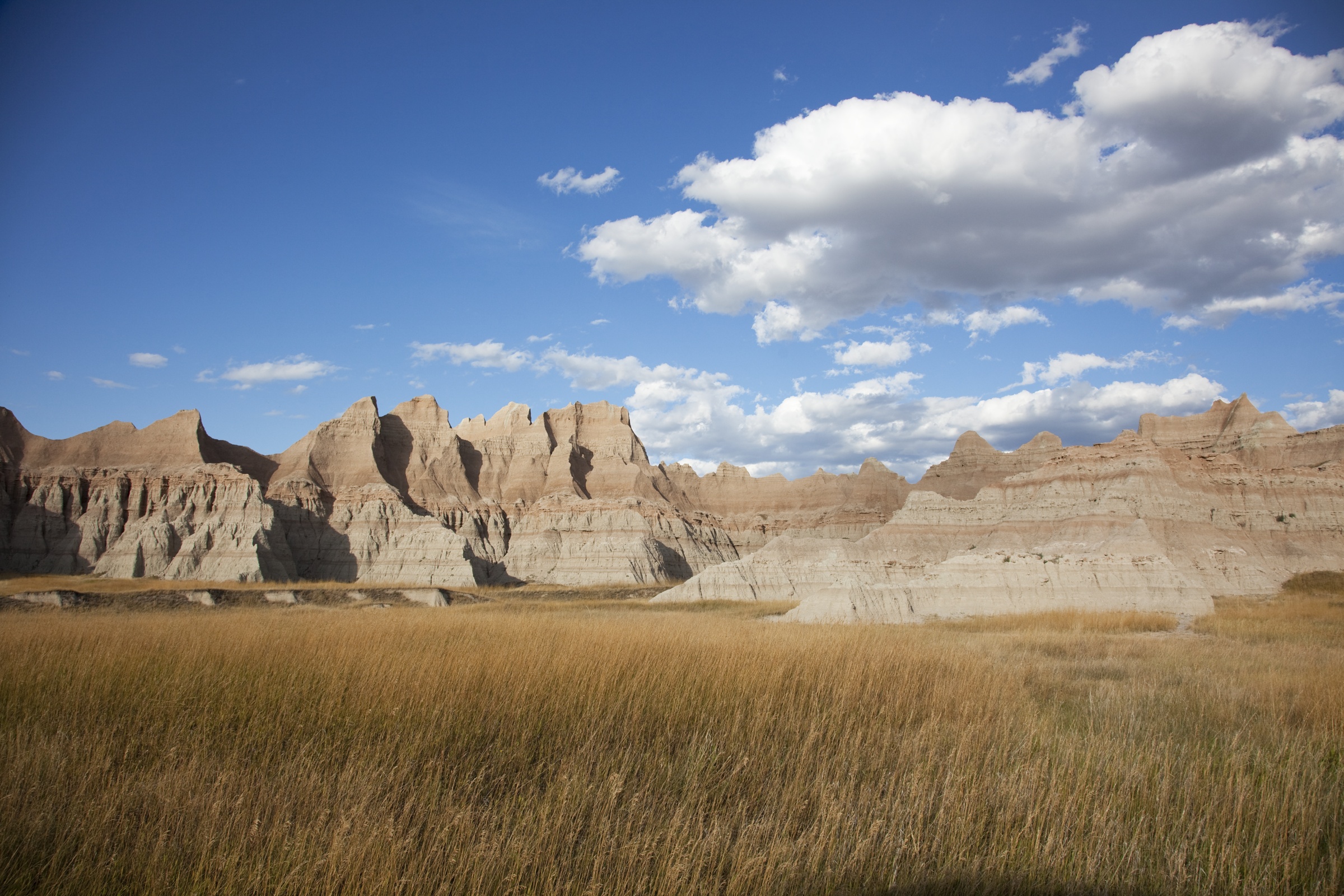
Photo: Carol M. Highsmith / Library of Congress, Prints and Photographs Division, LC-DIG-highsm-04602, September 15, 2009. Public domain. Resized; no crop.
A gala gallery can have beautiful tables and still fail to explain who the gathering celebrated. A stage gallery can have sharp performer photographs without the audience or organizers the client needed. I would start a South Dakota event photography inquiry by asking what the finished record must say, not by promising a photograph of everything.
That question helps both sides. Organizers can compare proposals for the same real work. Photographers can present relevant evidence and explain where a schedule or permission needs a decision. The useful result is a commission that people can follow, not an impressive description with hidden assumptions.
This guide uses current operator information for a Sioux Falls convention facility and The Monument in Rapid City. The event examples are hypothetical, not open assignments or accounts of my own shooting history. They show why a gala, stage program, and associated meeting may need different preparation even within one property.
Sioux Falls example: a gala has more than one audience
The Convention Center at Denny Sanford PREMIER Center's official venue page describes space for meetings, consumer or trade shows, conventions, weddings, and ballroom events. Those categories support an organizer's planning questions. They do not identify the booked room, final setup, or working permissions for a photography crew.
Imagine a recognition gala whose photographs serve honorees, the organizing team, and partners. Honorees may want clear presentation and group images. The organizer may need an overall story. Partners may need selected evidence of participation. Those needs should be reconciled before they become separate directions to the photographer.
I would ask which photographs have priority and who decides when they compete. A broad statement to get everything can conceal different expectations among departments. The photographer should receive one brief that explains the relationships among those requests.
Before guests arrive, identify what will change
An empty room can show the design and a display clearly. Once guests arrive, the same space tells another story. If both records are required, arrange an approved opportunity for each. Do not assume an early arrival guarantees that the room will be ready or available.
Ask which details need identification. A sponsor mark, recognition display, or centerpiece may have a particular purpose in the record. A photographer should not have to infer its importance from size or position. Give the essential list and leave optional visual ideas clearly optional.
The operator's description of versatile space is not the event layout. Obtain the current approved plan with stage, tables, and circulation. A photographer proposing a portrait station or additional light should explain the footprint so the organizer can confirm a suitable position.
During recognition, choose the convention for the picture
A natural exchange and a held presentation portrait are different approaches. If the organizer wants recipients facing the camera, the host needs to tell them where and when to pause. The photographer cannot make a smooth program stop for a photograph without cooperation.
If the client prefers uninterrupted movement, communicate that too. The work can emphasize the interaction as it happens. The important point is that the photographer and stage contact understand the same convention rather than expect contradictory results.
Provide the recognition order and a verified names source. If a substitution occurs, identify who updates the crew. Do not leave the photographer guessing which recipient a frame shows from an outdated printed program or a partly obscured name card.
Afterward, protect the group that matters
If honorees and organizers need a shared portrait, choose a moment before people disperse. Assign a contact who can gather and recognize them. A photographer can arrange a group without knowing the organization's entire roster, but someone needs to supply that recognition.
Agree on how many combinations matter and what use they support. A single commemorative group is different from a long sequence of departments and partners. The proposal should account for the actual group work and the reception coverage it may displace.
Do not assume an adjacent area is available because it appears suitable. Confirm the approved location and an alternative. The essential result may be the people together rather than a particular background. Keep that priority visible when deciding how to adapt.
Partner coverage should show the promised relationship
For the hypothetical Sioux Falls gala, a partner may need more than a sign photograph. The organizer might want a representative speaking, guests engaging with an activity, or a group connecting the partner with the program. Describe the intended result before the photographer chooses where to spend time.
Give the photographer the current names and a way to identify the participants. A logo does not reveal which person represents the organization. The organizing contact should introduce important subjects rather than expect a new crew to recognize them from a company list.
If a requested person is absent, name the person who can decide the next step. The photographer may return later, make another useful image, or move to the next priority. That choice should not consume the event while everyone assumes someone else knows where the representative went.
Keep reporting and publication distinct
A photograph made for an internal partner report may have a different audience from one intended for public advertising. Tell the photographer the expected uses and put the relevant permissions in the agreement. File delivery alone is not a complete rights discussion.
If images need approval, identify who reviews them and what they decide. A names check differs from a confidential-content review. The photographer needs a clear route for images that should wait rather than guess organizational rules from the event setting.
Discuss the photographer's promotional use separately. A private gala delivery does not necessarily authorize a public portfolio post. Preserve participant restrictions and obtain whatever permission the agreement requires before sharing with a new audience.
Rapid City example: The Monument is a campus, not one assignment
The Monument's official venue-information page identifies Summit Arena, Barnett Fieldhouse, Ice Arena, and the Fine Arts Theatre, as well as convention or exhibit halls and meeting rooms. Those categories are distinct. A client saying only The Monument has not yet described where the photography work will happen.
For a hypothetical presentation with an associated gathering, I would ask for the booked space, current program, and the purpose of the final images. A theater-style presentation and an exhibit program may need different positions and permissions. Do not infer arena access from a meeting assignment.
The venue page establishes facility categories, not capacity guarantees, annual event calendars, team arrangements, or credentials. This guide does not use those unsupported claims to predict available work. An actual commission needs an organizer and current instructions.
Begin with the program's permission boundary
Ask who can authorize photography of the presentation and its content. The commissioning organization may control the event while another party controls a performance, artwork, or publication decision. A crew should not infer every right from an invitation to attend.
If some segments are restricted, make the boundary recognizable. Identify when it applies, how the crew will know, and who settles an unexpected change. A vague request to be careful is not a working instruction about whether images may be made or released.
Camera positions need confirmation too. A public seating diagram or description does not give a photographer permission to work in an aisle, near a stage, or behind production. The organizer should provide the current approved positions and contact for uncertainty.
Decide which side of the stage story matters
A client might need the presenter, audience response, the organizing team, or a mix. Explain the balance. If an unrepeatable presentation is essential, an optional group should not pull the photographer away without an authorized decision.
Ask for a relevant permitted sequence during portfolio review. Look for continuity across speakers or performers and useful audience context. One dramatic frame can demonstrate skill without establishing that the photographer sustained complete coverage throughout a program.
For a planned portrait afterward, confirm the subject's availability before promising the photograph. Someone leaving immediately creates a different assignment from someone available at the closing reception. The organizing contact should settle that condition rather than hope the photographer can negotiate it at the exit.
An associated meeting needs its own purpose
The Monument identifies meeting and convention spaces alongside performance facilities. An organizer may add a gathering before or after the main program, but that addition still needs a location, time, and intended photographic result. It is not automatically included because it shares a campus.
If the client wants discussion images, explain whether the photographer should observe or arrange anything. A real exchange and a posed representation are not interchangeable. The images should reflect what the client actually commissioned without manufacturing a program outcome.
If private material appears on screens or documents, identify how to handle it. A meeting being part of a public event does not automatically make its content unrestricted. Provide a contact who can review uncertain images and communicate restrictions to the session leads.
Make concurrent requests visible before booking
Put the presentation, meeting, groups, and reception on one timeline. Mark essential complete coverage separately from optional visits. If activities overlap, ask the photographer to explain the staffing or priorities needed rather than assume fast movement solves the conflict.
A proposal for selected visits should not later become an expectation of every moment in every room. Agree on the definition of coverage while the organizer can choose. Honest scope helps the client compare candidates and understand the final set.
When a room or time changes, update the working version the crew will use. A later decision sitting in a separate conversation can undermine a good plan. Name the person who communicates those changes and ask the photographer to acknowledge any effect on the service.
What I would compare across photographers
For the gala example, I would review the sequence from arrival through recognition, groups, and reception. For The Monument example, I would examine presentation work and how another gathering fits the story. Exact venue history can help, but comparable demands and current preparation are stronger than a broad claim of familiarity.
Ask who made the work and what role the applicant held. An additional photographer may have handled excellent guest coverage without controlling the stage program or delivery. Accurate attribution makes that experience more useful, not less valuable.
If another crew member will attend this assignment, understand the relevant work and responsibility split. A client should know whose portfolio supports the proposal. Do not let a team description quietly obscure that the work will be done by someone else.
References should test communication
A former client can describe how a photographer handled an extra group request or a delayed program. Ask for one example and what happened next. You need evidence of practical judgment rather than private participant details or another client's internal documents.
If a full gallery is confidential, accept an authorized alternative for review. A prospect does not gain permission to see private material simply by asking. The photographer's handling of those boundaries may tell you how your own event will be treated.
Review the consistency of delivered work rather than only its volume. A larger gallery is not automatically a more useful record. The required people, meaningful interactions, and coherent program matter more than repeated frames that transfer selection work back to the client.
Turn the choice into a usable commission
Compare the coverage, spaces, crew, groups, editing, delivery, and uses in each proposal. Similar phrases can conceal different work. A single presentation service is not identical to a gala story with multiple formal groups and partner reporting.
Ask each candidate to name assumptions and exclusions. If the plan depends on a room, credential, subject availability, or gathering contact, put that condition where the organizer can settle it. Hidden dependencies are harder to fix when guests are already arriving.
Name one person authorized to approve event-day changes. A speaker, partner, or guest may have a reasonable extra request while lacking authority to redirect the commission. The photographer should explain the tradeoff and seek a decision through the agreed contact.
Confirm requirements for this event
Obtain the current access instructions, reporting point, and equipment arrangement. An attendee invitation or public address does not necessarily provide crew access. Mark unknown instructions honestly instead of inventing an entrance or position that looks ready to follow.
If insurance or credentials are required, get the actual specifications and ask whether the proposed crew meets them. A marketplace profile cannot prove compliance. Requirements from one property should not be described as applying to every South Dakota venue.
A separate property or another town needs its own instructions. Do not build travel and setup assumptions from a statewide label. Use the actual locations and full schedule to judge whether the assignment is realistic.
Photographers: write the application around the event's decisions
A Sioux Falls gala inquiry should prompt a question about recognition order and group timing. A Rapid City stage inquiry should prompt questions about positions, restricted segments, and associated gatherings. Those responses are more useful than a generic promise of complete South Dakota coverage.
ProShoot's published workflow includes clients posting jobs, comparing bids and portfolios, and choosing a photographer. Its photographer process includes applying and presenting work. Use that exchange to show relevant evidence and make the commission specific. A listing does not prove access, insurance, or local shooting history.
Check availability against arrival, setup, coverage, and additional functions. If a condition is unresolved, describe it. A realistic preparation plan is better than an unconditional promise whose success depends on unconfirmed permission or a room that has not been assigned.
This guide does not infer job availability from rally recurrence, tourism rankings, industries, or seasonal expectations. A real opportunity needs a current commissioning contact and scope. Honest applications build trust without needing those claims.
Finish with a record people can use
Agree on how the recipient will find the work. Gala honorees may need recognition images identified; organizers may prefer a chronological story; partner reporting may need a separate approved selection. Discuss those needs instead of assuming a single undivided gallery fits every user.
If captions are included, identify who verifies names and affiliations. The photographer should not guess those facts from introductions or badge fragments. Set a delivery date and any earlier selection separately, with a clear review route if images are needed during the program.
Use the actual access and storage terms offered. Identify files awaiting approval and explain material gaps caused by program changes or absent participants. A clean finish reduces the recipient's work rather than leaves them wondering which missing image still needs to be found.
Choose the photographer whose questions protect the occasion
The two examples have different risks. The gala needs recognition and relationships preserved. The multi-space stage program needs permissions and competing activities understood. Both benefit from relevant complete work and an agreement that makes choices visible.
Whether hiring through ProShoot or applying there, begin with the actual people, program, and uses. A useful fit for that commission is the person who can explain how their work will serve it, not someone promising every photograph across South Dakota.
Sources checked November 6, 2026
- https://cc.dennysanfordpremiercenter.com/venue-info/
- https://www.themonument.live/plan-your-visit/venue-information
- https://proshoot.io/how-it-works/
Ready to hire a professional photographer?
Post your job free and get bids from photographers near you.
Post a Job Free →