Top Event Photographers in Seattle
Plan Seattle event photography with the right campus address and program priorities. Arch and Summit examples for hiring photographers and applying to jobs.
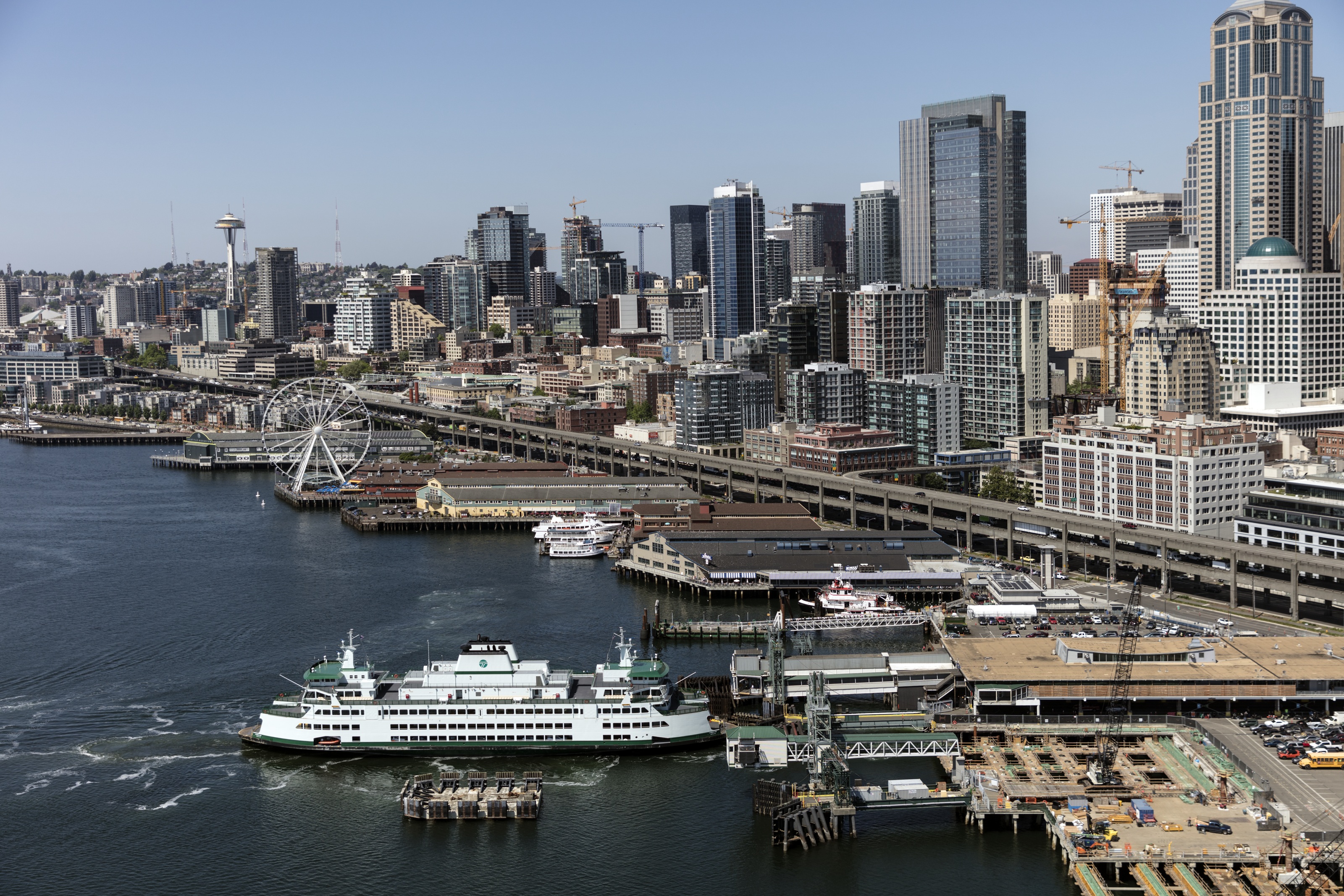
Photo: Carol M. Highsmith / Library of Congress. No known restrictions on publication. Resized.
I would ask a Seattle organizer to tell me where the photographer should be when the event changes pace. The keynote ends, participants disperse, someone wants a group, and a reception begins. Those transitions can make the difference between a coherent record and several attractive but disconnected sets.
A useful inquiry explains the people and moments on both sides of each transition. It also identifies the actual property. A campus name can be familiar while leaving the photographer's destination unresolved. The plan needs current details, not an assumption that connected events share one working position.
Seattle Convention Center's official campus page provides the facility context for the hypothetical examples below. They are not open jobs or accounts of my own local shoots. This guide helps organizers compare photographers and helps photographers propose work honestly, without presenting a ranked roster or promising every image across the city.
Before the transition: establish the actual address
The operator distinguishes Arch at 705 Pike Street, Arch at 800 Pike Street, and Summit at 900 Pine. Its campus page describes different room and event-space categories for them. Those labels should appear clearly in a working brief rather than be reduced to a generic convention-center reference.
Ask which building and room contain each commissioned activity. The campus description can orient a conversation without supplying the event's approved layout, reporting point, or crew route. Obtain the actual instructions from the organizer.
Do not turn proximity into a transfer-time promise. A nearby building can still require a change in position, equipment, or permission. The program should reflect the actual work and current routing rather than a guessed walk that makes an unrealistic schedule look possible.
One campus can contain several commissions
An organizer may call the whole program one event while separate teams request the keynote, a meeting, portraits, and a reception. Reconcile those requests before they become several competing directions to the photographer. The crew needs a shared purpose and one decision route.
Mark complete coverage separately from selected visits. If an activity only needs representative images, say that. If it needs an uninterrupted record, say that too. A proposal should not hide a conflict under an undefined phrase such as full event coverage.
If required moments overlap, choose priorities, change the sequence, or discuss another photographer. One person cannot be fully present in separate locations at once. A useful plan makes that constraint visible while the organizer still has options.
Transition one: from presentation to participant conversation
Imagine a conference at Arch at 705 Pike whose keynote leads into networking. The operator describes meeting rooms, ballrooms, and exhibit halls in that building. The client still needs to identify the booked spaces and how this program uses them.
I would ask what should survive from the keynote: the speaker, an announcement, an exchange, audience response, or a continuous sequence. Then I would ask which relationships matter afterward. Those are different image purposes even when the activities sit beside each other in the program.
A photographer should not leave an essential presentation early for an optional reception detail. If the client wants both at the same time, the proposal needs a decision. Do not assume that a transition automatically creates a free moment in the photographer's schedule.
The last presentation image may matter as much as the first
A closing exchange, recognition, or question can be the program's most meaningful moment. Tell the photographer if it is essential. A duration label alone does not reveal what makes the session important.
Review an authorized complete presentation sequence. Look for consistency through speaker changes and ordinary moments, not only one dramatic frame. A highlight can demonstrate skill without establishing the sustained attention the client is commissioning.
Ask the actual production contact about positions, movement, and any proposed additional lighting. A room category on the campus page does not authorize equipment in an aisle or changes to the event's systems. The photographer should explain the approach and confirm its conditions.
The first conversation needs identification
If a partner, supporter, or leadership relationship must appear, provide a contact who recognizes the subjects. A list of organization names cannot tell an unfamiliar crew which participants matter. Introductions can make candid work more purposeful without converting every exchange into a pose.
Explain what the desired image should show. A conversation demonstrates something different from a group facing the camera. A clear sign can establish a brand without proving participation. The intended use should guide the photographer's attention.
If a subject is absent, name who decides whether to return, use an approved alternative, or move on. An open-ended search should not silently displace the rest of the program. Honest status is more useful than unrelated pictures presented as fulfillment.
Transition two: from one Arch location to another
The campus page describes Arch at 800 Pike as directly across the street from the original building and says events can use either or span both. That is useful context, not confirmation that this client's booking includes both or that every route is available to the crew.
For a hypothetical program using both, identify the actual activity in each and the timing of essential moments. The photographer needs the current event map and working instructions. A broad campus statement cannot establish the installed arrangement or a personal access permission.
If a session continues while another begins, make the coverage level explicit. A brief visit can represent a discussion without documenting its full sequence. The client should understand that difference before accepting a single-person proposal.
Moving can mean preparing again
A location change may also change the photographic task. A meeting needs a different position from an exhibit or portrait session. The proposal should allow for the actual preparation rather than assume a photographer simply arrives and keeps working identically.
Ask what equipment must move and what remains fixed. If a portrait station is active, the same person cannot leave it and keep serving subjects continuously. The plan needs a realistic division of time or crew.
If the destination or time changes, update the version the photographer follows. Several plausible attachments can leave the crew with the wrong instruction. Ask the photographer to acknowledge a change affecting coverage, equipment, or staffing.
Transition three: from the program to a formal group
A group image needs participants available together, not merely a background. Choose the essential people and confirm the moment with them. Assign someone who knows the roster and can gather subjects before they disperse.
One shared leadership portrait and a long sequence of departments are different workloads. Agree on the required combinations and their purpose. Each additional request may be short while collectively taking the photographer away from the event story.
Choose an approved location and alternative. If the purpose is preserving the people together, another setting may protect the result when a preferred background is unavailable. If the location itself is essential, state that dependency before accepting the proposal.
Individual portraits need their own participant flow
If the client adds staff portraits, define whether they are casual introductions or a consistent series matching existing profiles. Provide authorized references early enough to guide the plan. A new style requirement introduced after the shoot cannot change photographs already made.
Ask the photographer to describe the setup and footprint. A light, backdrop, or waiting line occupies working space. A public room description cannot prove that a station fits around the actual furniture, production, and circulation.
Assign a contact who calls participants and verifies names. An unfamiliar photographer should not spend the portrait window repeatedly leaving the setup to search for people. The organizer's recognition is part of making the session work.
Transition four: from Summit's interior to an outdoor idea
The official campus page describes Summit's meeting and exhibit space, divisible ballroom, naturally lit lobby space, and outdoor Garden Terrace. Those features can prompt useful questions without guaranteeing an approved photography location for a particular booking.
Imagine a conference client who wants the gathering's setting visible in a group or reception image. Ask which space is actually booked and what use is permitted. A public facility description does not authorize a crew setup on the terrace or establish participant availability there.
If the photograph is essential, agree on an alternative and the person who may change the plan. A required result should not depend entirely on a preferred background whose use remains unresolved. The people or purpose may matter more than the setting.
Natural light is a feature, not a guaranteed look
A lobby description does not establish the light during the event or how the final setup affects it. Ask for the actual arrangement and relevant restrictions. The photographer should explain a practical approach without promising a particular appearance from a marketing photograph alone.
Review work that handles faces and context together under comparable conditions. A dramatic window-side portrait can be a strong image without proving how an entire reception will be covered. Look at the consistency of a permitted sequence.
This guide does not promise weather, seasonal scenery, or unrestricted outdoor access. The current event needs its own instructions. A facility feature is a source of questions, not a substitute for the organizer's confirmed plan.
Transition five: from making photographs to releasing them
The client may need an internal record, public announcements, participant sharing, partner distribution, or advertising. State those intended uses. Delivery of files alone does not define every right or approve every possible audience.
If some content is private, make the boundary recognizable during the program. Screens, documents, displays, and individual participants may need different handling. A photographer should not infer publication policy from the size or apparent formality of a gathering.
Identify the reviewer and the decision they make. Names verification differs from confidential-content approval. The crew needs a usable route for images that should wait rather than a vague assumption that someone will review everything later.
Keep portfolio use separate
A private client gallery does not automatically authorize a photographer's public promotion. Discuss that audience explicitly and obtain the approval required by the agreement. Preserve restrictions on other people's material after the event is over.
If the organizer provides privacy instructions, share practical facts without unnecessary personal reasons. The crew may need to know someone should not appear publicly without receiving private background. Keep that information proportionate to the task.
For captions, designate a reliable source for names, roles, affiliations, and context. The photographer should not guess what a discussion achieved from an image of people talking. Accurate factual descriptions need the organizing team's verification.
Review a Seattle proposal with the campus map beside it
I would put the proposed gallery examples beside the working event map. Not to demand an identical property in the portfolio, but to test a similar problem. Can the photographer explain a change from stage work to guest interaction? Can they show a group made without losing the next essential activity? What did their communication contribute to that result?
A complete permitted sequence is useful here because a handful of individual favorites can conceal the handoffs. Follow what happened between the strongest images. A client should see whether the occasion remains understandable when it is no longer visually dramatic.
If the applicant worked with a team, ask about their specific part. Someone covering networking can show excellent evidence of observation without claiming the stage record made by another person. For this new assignment, find out which person handles each requirement and whose relevant work demonstrates that ability.
Ask a reference about one handoff
Rather than collect a general compliment, I would ask a former client to describe one changed location or unexpected request. How did the photographer bring it to the organizer's attention? Did the explanation arrive while there was still a choice? That account can establish something a polished gallery alone cannot show.
Keep the question away from private participant information. A reference can explain behavior without circulating an earlier client's confidential slides, guest roster, or internal disagreements. If a portfolio set is restricted, ask for a permitted alternative and respect the limit.
The distinction among 705 Pike, 800 Pike, and 900 Pine also belongs in the proposal itself. An offer written for one destination should not silently become an offer for all three. Identify the program pieces included and the ones awaiting a decision. The campus connection is context, not an unlimited geographic scope.
Put a decision owner beside each unresolved handoff
A practical working note might show that the keynote is fixed but the group moment is awaiting participant confirmation. Another line might show that a Summit terrace idea needs an approved location. The important thing is to identify who will answer each question, not to make the note appear finished before it is true.
A new guest request can be welcome while still competing with the commission. Choose the organizer who may authorize the change. The photographer should tell that person what will be missed by leaving, then follow the agreed choice rather than collect incompatible promises from several departments.
Insurance, credentials, and equipment arrangements need the current specifications for the actual booking. Ask whether the proposed crew can satisfy them. Neither an attractive portfolio nor a marketplace listing proves a policy. A requirement supplied for one campus event should not be presented as a rule governing every Seattle venue.
For working arrival, obtain the reporting point and equipment route assigned to the crew. The address printed for attendees may not answer those questions. Likewise, a second reception elsewhere needs its own confirmed address and program. Decide feasibility from the actual commitment, not a generic estimate that two Seattle places must be close enough.
Photographers: make the application a handoff plan
I would respond to the specific movement in the inquiry. If a required portrait competes with a presentation, explain the choice. If the program uses more than one campus address, ask which activity needs continuous attention. If a group relies on people remaining afterward, ask who will confirm their availability.
ProShoot's published workflow gives the client a way to post the assignment, examine bids and portfolios, and select a photographer. Its photographer process includes applying and presenting work. Use that exchange to show evidence for the problem at hand, rather than imply that being listed establishes venue access or personal experience everywhere on campus.
Check your own commitment from preparation through the last commissioned function. Arrival and setup are part of that reality, even when the public program is short. Describe unanswered conditions plainly and explain the consequence of each. The proposal becomes more useful when the client can see what a decision unlocks.
This guide does not turn corporate headquarters, sports, festivals, market value, or seasonal patterns into predictions of work. An actual inquiry requires a commissioning organization and a current assignment. Accurate applications can demonstrate local preparation through the real campus distinctions without inventing demand.
The last transition: from event work to a usable record
Discuss how the recipient will navigate the files. Presentations, discussion, exhibits, groups, portraits, and approved public selections may be easier to find separately. The client should not have to reconstruct the program from an unexplained collection of repeated frames.
Agree on delivery and any earlier selection separately, including how editing during the program affects ongoing coverage. Use actual storage and access terms. Identify images awaiting review and provide a route for factual corrections.
Before closing, reconcile essentials with authorized changes. Explain material gaps caused by canceled activities or absent subjects. The handoff should reflect the event that happened without requiring the recipient to audit every image to discover what remains unresolved.
Hire for the occasion's real movement
The Arch and Summit examples begin with addresses and room categories, but the commission comes from people, activity, and audiences. I would choose the photographer whose relevant complete work and practical questions connect those parts realistically.
Whether hiring through ProShoot or applying there, describe the handoffs that matter. A plan grounded in the actual Seattle event is stronger than a promise of every photograph in every building.
Sources checked November 6, 2026
Ready to hire a professional photographer?
Post your job free and get bids from photographers near you.
Post a Job Free →