Top Event Photographers in San Diego
Write a San Diego event photography brief around what the images must explain. Convention-level and Sails Pavilion examples for hiring and applications.
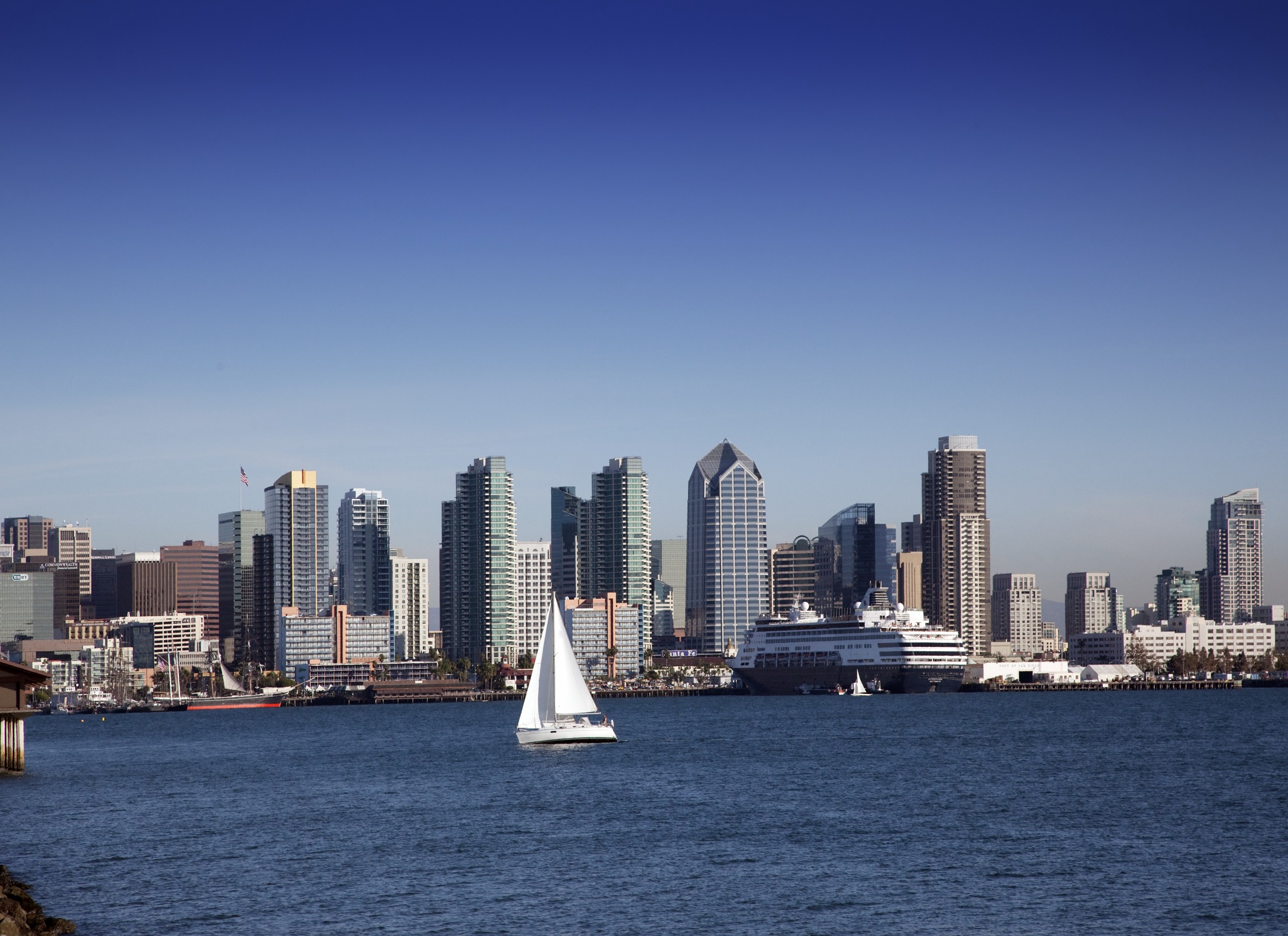
Photo: Carol M. Highsmith / Library of Congress. No known restrictions on publication. Resized.
I would begin a San Diego photography inquiry with three possible captions, even if no finished captions are being commissioned. What should a viewer understand about the gathering? Which people need to be identifiable? What action should the pictures make clear? Those answers give a photographer something more useful than a request for a large gallery.
A photograph can establish attendance without explaining participation. It can show a setting without preserving a relationship. The right brief does not ask one kind of image to do every job. It chooses the evidence the client actually needs and gives that work a realistic place in the program.
The San Diego Convention Center's official building map and Sails Pavilion page provide the context below. The programs are hypothetical planning examples, not open assignments or accounts of my personal shoots. This is a guide to comparing photographers and preparing applications, not a ranked roster of individual names.
Caption one: these people gathered for a reason
Imagine an organizer whose recap needs to explain a professional gathering to someone who was not there. I would ask for a plain description of the purpose and the audience. A future invitation, internal record, and public announcement may use different selections from the same occasion.
Then I would identify the moment that makes the purpose visible. It might be a presentation, demonstration, discussion, or recognition. The photographer needs to know why that activity matters rather than receive a timetable with no editorial hierarchy.
The final caption would still require factual review if commissioned. At the planning stage, the exercise is a way to define the image. It should not encourage someone to invent a conclusion, agreement, or outcome the event did not produce.
Locate the purpose on the actual building map
The convention center's current map describes ground, mezzanine, and upper levels. It places exhibit halls on the ground level and meeting rooms on the mezzanine and upper levels. It identifies Sails Pavilion on the upper level along with other meeting and ballroom areas.
Those distinctions help make a brief precise. They do not establish which room is booked or the route a working crew should use. Obtain the event's current approved diagram and instructions rather than turn the public map into a personal access authorization.
For our hypothetical recap, mark the essential activity and its time. If it competes with a requested group elsewhere, choose priorities, change the sequence, or discuss additional coverage. A camera cannot preserve two complete simultaneous stories simply because the locations belong to one building.
Caption two: this is what participation looked like
Participation is more specific than people occupying a hall. The client might want discussion, hands-on activity, listening, or an introduction. Describe the action that should be understandable from the picture without asking the photographer to manufacture behavior for the record.
For a ground-level exhibition, a clean display photograph and an active demonstration are different tasks. The first may need a permitted opportunity before opening; the second needs the relevant people present. A room overview cannot necessarily establish either in enough detail.
Provide current exhibit assignments for required organizations. A brand list does not show a photographer where the display is or identify the person representing it. Someone on the organizing team should make introductions and settle missing-subject questions.
A demonstration needs an observable key step
Tell the photographer which part matters and when it occurs. An essential action may last briefly while a generic session label covers a much longer period. The organizer knows the program's meaning and needs to share it early enough for the crew to prepare.
If the demonstration moves, identify the update contact. A changed time can create a conflict with another required activity. The client needs an authorized choice, not an unconditional promise that both will somehow be fully covered.
If the action includes restricted material, clarify the making and publication boundaries. Attendees being able to see something does not answer every image-use question. The photographer should know who may approve an uncertain image and which files need to wait.
Discussion images should not imply more than happened
At a mezzanine or upper-level meeting, a client may want collaboration shown. Ask what the participants actually do. A photograph of people talking can document discussion without proving agreement, success, or a new partnership.
If captions are included, have the organizer verify that context. The photographer should not infer an outcome from gestures or expressions. Accuracy belongs to both the visual record and any words attached to it.
Discuss how much direction is acceptable. Natural activity can be observed without repeatedly stopping the session. If a formal group is also essential, give it a separate moment rather than assume observation will necessarily produce a complete facing-the-camera record.
Caption three: these are the people whose presence mattered
Some commissions depend on identifiable participants. The organizer should name them and assign a contact who recognizes them. An unfamiliar photographer cannot reliably infer leadership, family connection, or partner role from seating or badges.
Explain whether the client needs individual identification, relationships, or a shared group. A candid exchange may be expressive while hiding one face. A posed group can identify everyone without explaining the activity. Choose the result that serves the actual use.
If a subject is absent, name who decides whether to return, make an approved alternative, or move on. An open-ended search can consume the event. Honest status is more useful than unrelated photographs silently presented as fulfillment.
Participant availability is not a camera problem
A final group needs a time accepted by the people involved and someone who gathers them. The photographer can arrange subjects without knowing the entire roster. The organizing contact needs to recognize who is missing and ensure the essential people know to remain.
Keep the required combinations proportionate to the commission. One shared leadership image and a long departmental sequence create different work. Each added request may sound quick while collectively taking the photographer away from the program story.
If a late guest requests another portrait during an essential session, use the authorized event contact. The photographer should explain what would be displaced. The client's decision, not the order in which requests arrive, should govern commissioned attention.
Sails Pavilion: use the actual description, not an imagined outdoor venue
The operator describes Sails Pavilion as glass-enclosed, column-free space with a trade-show floor and flexible reception or exhibit uses. The building map places it on the upper level. Those are useful facts for planning; this guide does not reproduce numerical capacity or area totals.
The space's open-air feel should not become a claim that a program is outdoors. Ask how the actual booking uses it and what setup is installed. A photographer should not plan positions or equipment from an impression created by marketing language alone.
For a hypothetical reception there, I would ask which of our three caption purposes matters most: the gathering, the activity, or the essential people. The answer guides the balance among setting, candid interaction, and arranged photographs.
A broad view and a close interaction should work together
The client may want the pavilion recognizable while keeping people readable. Those needs can require more than one type of frame. Discuss the intended selection rather than expect a single dramatic view to explain every relationship.
I would review a permitted reception sequence made in comparable conditions. Can you follow the occasion beyond a few striking room images? Does the photographer show people comfortably interacting, not only posing? Consistency matters across ordinary moments too.
Ask what the proposed position supports and what permission remains open. A glass enclosure, open floor, or published feature does not authorize a lighting setup or use of an unbooked area. Confirm the actual arrangement through the organizer.
An outside idea needs its own confirmation
The building map also identifies terraces and Plaza Park among campus features. A client might consider them for setting photographs or a group. Their public listing is not confirmation that a proposed use or crew setup is authorized.
If the photograph is essential, agree on an approved alternative and who may change the plan. A required result should not depend entirely on a preferred background. The purpose may be preserving the people together, in which case another suitable location can still serve the commission.
This guide does not promise weather, seasonal scenery, or a particular outdoor appearance. Those claims are not needed to choose a photographer. The actual booking and program should provide the working conditions.
Decide whether portraits belong to this commission
A portrait request can mean a casual introduction or a consistent profile series. Ask the client to define the intended result. If the series should match existing work, provide an authorized reference before the event rather than introduce the look after photographs are made.
A fixed setup needs an approved space and participant flow. Ask the photographer to describe the footprint, equipment, and how subjects will be gathered. Portable lighting is still a workspace, not an invisible addition to a roaming assignment.
Put the portrait window beside the presentation and exhibit requirements. The same person cannot remain with subjects and provide uninterrupted coverage in another location at once. Sequence the work or discuss another photographer rather than hide the conflict inside a broad event label.
The portrait contact should know the roster
An organizer who calls subjects and verifies names can keep the session useful. A photographer new to the team should not repeatedly leave the setup to search for people. That searching can consume the very break intended for making pictures.
Choose a route for late arrivals and missing participants. The authorized contact can decide whether to change the sequence or preserve another required activity. The photographer should not be left to choose between incompatible obligations without the client's authority.
If the preferred background is unavailable, return to the intended use. A consistent series may matter more than a particular setting. An approved alternative can protect the result when the initial location idea does not work.
Turn the captions into a portfolio review
For our hypothetical program, I would ask candidates for relevant complete work supporting each required purpose. The gathering needs a coherent story. Participation needs readable activity. Essential people need consistent identification and comfortable direction.
A few portfolio favorites show selected ability without establishing the whole service. Ask how the photographer handled an ordinary stretch, a competing activity, or a changed group moment. The answer should explain choices rather than claim an effortless ability to cover everything.
Exact property history can help without replacing current preparation. Someone new to a room can work from approved plans and instructions. A familiar photographer can carry a stale assumption. Relevant evidence and a clear verification plan should guide the decision.
Understand the applicant's actual contribution
An additional photographer may have covered exhibits while another person managed the presentation and final delivery. Credit that work accurately. It is valuable experience without becoming proof of responsibility for every part of a crew's assignment.
Confirm who performs the new commission. If another person will attend, review relevant work and the role split. Team descriptions should make accountability clearer rather than obscure whose portfolio supports the offer.
References can test communication under change. Ask a previous client about one delayed activity, absent subject, or added group and how the consequence was explained. Keep private participant details and confidential records out of the request. You need observable behavior, not another client's materials.
Write the agreement around the real service
Compare locations, coverage level, crew, groups, portraits, selection, editing, delivery, and uses. A selected recap is not equivalent to complete simultaneous-session records and a separate portrait service. Similar wording should not conceal different work.
Ask candidates to name assumptions and exclusions. If success depends on an approved position, credential, subject availability, or gathering contact, make that condition visible. Settle it before acceptance rather than discover it while participants wait.
Name one person authorized to approve changes. A guest or another department may make a worthwhile request without authority to redirect the commission. The photographer should explain the displaced priority and seek an informed choice through the agreed contact.
The working note needs current facts
Obtain the actual reporting point, arrival window, equipment route, and permitted positions. A public map or attendee invitation may not provide crew access. Do not invent a convenient service entrance or treat another event's instructions as permanent.
If insurance or credentials are required, get current specifications and confirm the proposed crew meets them. A portfolio or marketplace profile cannot prove compliance. One property's request is not a universal rule for San Diego venues.
For an added property or function, create its own scope and location note. Use actual addresses and the full schedule when judging feasibility. This guide does not fill transfer or regional travel times from a general impression of the area.
Photographers: respond with an image purpose, not a city slogan
If the inquiry asks for participation, show work that explains activity. If it asks for a record of essential people, address recognition and availability. If it asks for the program story, explain coverage levels and overlaps. Those responses are more useful than a generic description of San Diego event photography.
ProShoot's published client process describes posting jobs, reviewing bids and portfolios, and choosing a photographer. Its photographer process includes applying and presenting work. Use the exchange to define a real assignment. A listing does not establish personal venue history or access.
Check availability against arrival, setup, the full program, and extra functions. State unresolved conditions honestly. This guide does not infer jobs from convention scale, Comic-Con, industry size, military activity, or year-round demand. An actual opportunity needs a current commissioning contact and scope.
Use verified words with the final photographs
If captions are included, appoint a factual source and reviewer. Names, titles, affiliations, and outcomes should not be guessed from visual context. The planning caption exercise defines purpose; the final caption still needs accurate evidence.
Clarify intended audiences in the agreement. Internal communications, public announcements, participant sharing, partner distribution, and advertising can need different permissions. Discuss the photographer's promotional use separately from private delivery.
If review is required, identify who decides what. Names verification and confidential-content approval are not the same job. Files awaiting clearance should have visible status rather than sit in an unexplained set that the client assumes is ready for publication.
Make the delivery answer the original questions
Ask how the recipient will find the work. Presentations, activity, essential groups, portraits, and approved public selections may be easier to navigate separately. A client should not have to reconstruct the program from repeated frames with no structure.
Agree on delivery and any earlier selection separately, including how editing while photographing affects coverage. Use actual file-access and storage terms. Preserve restrictions on other people's material beyond the event itself.
Before closing, compare the set with essentials and authorized changes. If an activity was canceled or a required person absent, explain the material gap. A clean handoff leaves the recipient using the record, not auditing every image to find an unanswered question.
Hire for what the pictures must explain
The San Diego examples begin with a map and facility features, but the people, program, and intended audiences give the commission its purpose. I would choose a photographer through relevant complete work and practical answers that connect those facts.
Whether hiring through ProShoot or applying there, define the real image need before promising volume. A clear purpose and realistic plan are stronger than an unlimited offer to capture every moment across the city.
Sources checked November 6, 2026
- https://www.visitsandiego.com/building-map
- https://www.visitsandiego.com/meeting-planners/space/sails-pavilion
- https://proshoot.io/how-it-works/
Ready to hire a professional photographer?
Post your job free and get bids from photographers near you.
Post a Job Free →