Top Event Photographers in San Antonio
Compare San Antonio event photography proposals through a recognition-night plan, ballroom choices, group duties, and usable delivery expectations.
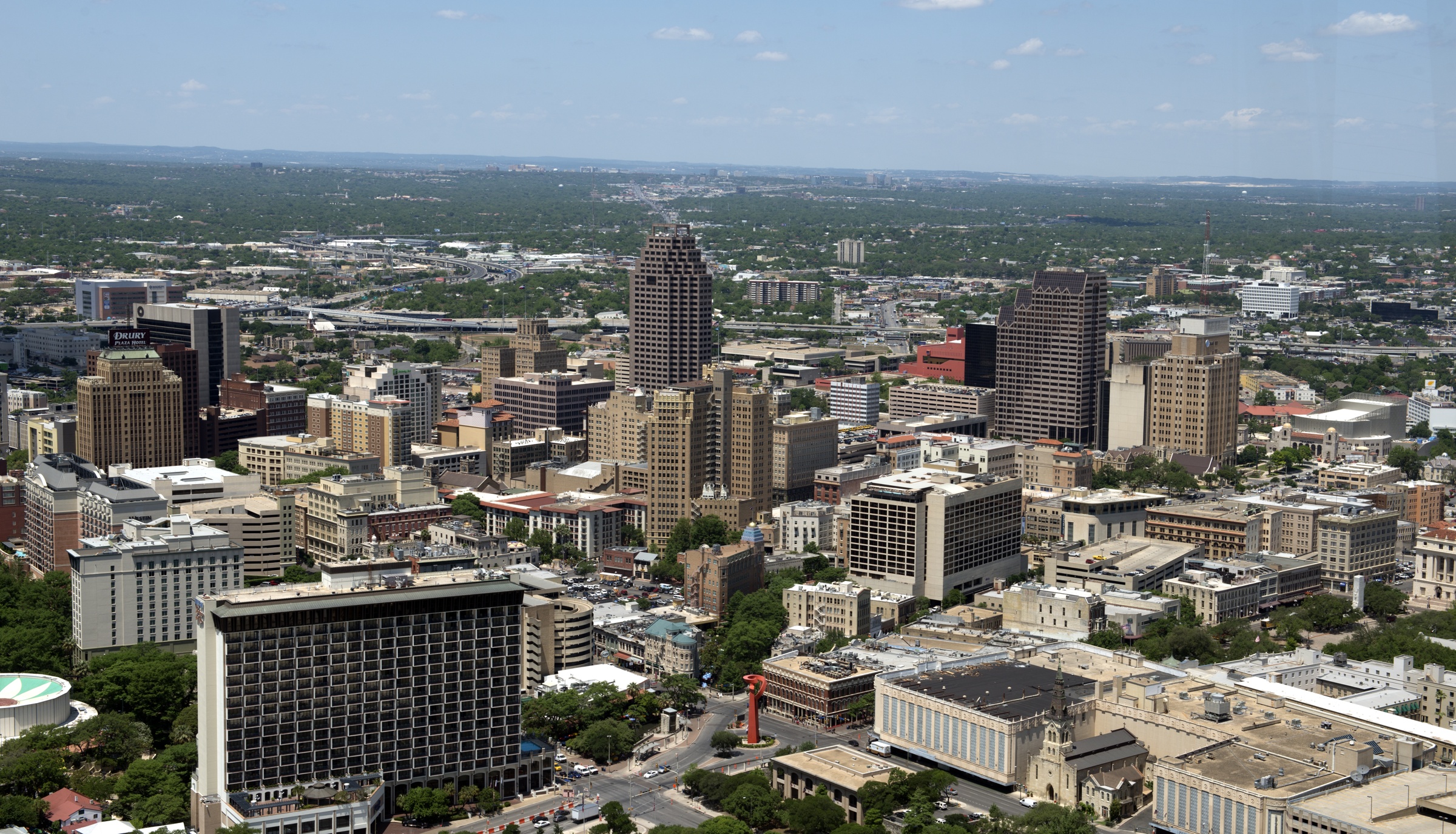
Photo: Carol M. Highsmith / Library of Congress, April 22, 2014. The Lyda Hill Texas Collection. Public domain; Highsmith rights statement. Resized; no crop.
For a recognition evening, I would start with the person who is supposed to feel recognized. Will they leave with a usable photograph of the moment? Will the organizer know who is pictured? Will the image say something about the gathering without losing the person inside a wide room view?
Those questions give a San Antonio photography brief a practical center. They also expose the difference between a photographer attending the evening and a service designed to produce its required record. The client should know which one a proposal actually offers.
The Henry B. González Convention Center's official ballroom page supplies the venue context below. All example programs are hypothetical. They are not current work listings or stories from my own assignments. This guide helps clients hire and photographers apply for a defined service; it does not rank named photographers or predict local job volume.
Begin with a recognition evening, not a limitless shot list
Imagine a client planning arrivals, a presentation, recipient recognition, a meal, and informal conversation. Several departments may ask for pictures, but the organizer should name the essential outcome before collecting every possible request. That hierarchy helps the photographer make useful choices when attention competes.
For example, the client may require each recipient with the presenter, a leadership group, and a concise public recap. Those duties can be planned. A vague request for everyone and everything is harder to evaluate because nobody knows what counts as complete.
I would put essential people and unrepeatable moments first, then add supporting context and interaction. The intention is not to eliminate spontaneous photographs. It is to prevent attractive incidental work from displacing the record the client thought they commissioned.
Define the recipient picture before the first person appears
If the client wants a consistent held portrait, the host should explain the pause and position to participants. The photographer can prepare for that convention. If the program flows without a pause, natural exchanges may be the intended result instead.
Neither choice is inherently correct for every evening. The problem is expecting the look of a planned portrait sequence while the program deliberately prevents one. Agree on the treatment with the host, organizer, and crew before recognition begins.
If some recipients have limited availability, tell the photographer and schedule any required additional image. Do not rely on a casual encounter later. The people who know the participants should help make them available.
Build the factual record alongside the visual one
Provide the verified order and names if identification or captions are included. Name a factual reviewer who can confirm titles and context. A photographer can make a clear picture without knowing the correct organizational role of every participant.
A substitute accepting for an absent person is a meaningful change. The crew should receive that information rather than attach the absent person's name to the visible substitute. An outdated program is a working lead, not a reason to guess.
If public use is restricted for someone, give the practical boundary and an event contact. Share only the information needed to follow it, not private personal explanations. The review and delivery process should preserve that restriction afterward.
Choose the ballroom conversation accurately
The convention center's official page describes Stars at Night Ballroom and Hemisfair Ballroom separately. The client should identify which is booked, the actual configuration, and what the program does there. A generic ballroom label can conceal important differences in the plan.
The source says Stars at Night can divide into three spaces and describes surrounding pre-function areas, programmable ceiling lighting, and a balcony adjacent to the pre-function space over Market Street. These are physical features to ask about, not guarantees of a particular event's lighting or permission.
Hemisfair is also described as divisible into three sections, with adjoining pre-function space. Those distinctions help establish the actual room assignment. They do not authorize the camera team to use any position or area without the current event instructions.
Stars at Night: separate design lighting from photographic certainty
A client may like a room's designed appearance and assume every camera view will look like the promotional image. I would ask for the actual production plan and working conditions. Public descriptions of programmable lights do not establish the show cues, installed stage, or permitted photographer position.
The applicant should explain what needs confirmation and provide relevant authorized work. A claim of having photographed a ballroom before does not prove the new setup will match. Current verification matters alongside experience.
If a particular look is essential, say what it is for. A public recap, required recipient record, and controlled portrait series can require different approaches. The scope should not silently promise campaign-style images merely because the room looks dramatic.
The balcony is a conditional option
The official page describes the Stars at Night balcony in relation to Market Street. A client might propose it for a group or context image. That is a question for the actual booking, not a deliverable established by the public feature description.
Confirm permission, position, timing, and setup needs. If the important goal is bringing required people together, agree on an alternative that preserves that goal where possible. A preferred background should not quietly become the condition for completing an essential portrait.
Name who makes the decision while the participants are still available. Waiting for an optional place after the group has dispersed may eliminate every version of the image. Protect the people requirement before chasing the setting.
Hemisfair: divisions can change the meaning of coverage
For a hypothetical program using separate sections, ask whether the photographer must cover one main presentation and selected adjoining activity or several complete records. The room's ability to divide does not tell the client how one camera will allocate attention.
If important events overlap, choose staffing, sequencing, or a smaller scope. A photographer moving among activities can deliver useful selected coverage without witnessing everything. The proposal should state that distinction plainly.
If the configuration changes, update the working plan the crew follows. A correct room name in an old document is not enough when the actual program has moved. The organizer needs a clear way to identify the operative version.
Before recognition: use arrivals for the right kind of people record
Arrivals can establish the gathering and introduce relationships. Ask whether the client needs general atmosphere, selected introductions, or formal groups. These are different assignments even when they occur in the same pre-function period.
For required partners or supporters, provide someone who can identify and introduce them. A logo list cannot identify unfamiliar faces. A candid conversation may show interaction while failing to establish the required relationship if the people are not known.
If the client needs an untouched room or installation, schedule it before guests change the scene and identify who confirms readiness. Early arrival by the photographer does not guarantee the setup is complete or accessible.
Keep formal group work finite
List essential combinations and appoint a gathering contact. The photographer can arrange the picture while someone familiar with the group identifies who is missing. A single leadership portrait and a succession of teams create different workloads.
If individual portraits are added, define the intended use and consistency. A casual event image is not automatically the same service as a matched profile series. Share authorized references before the work, not a new visual requirement after delivery.
A stationary setup cannot also provide uninterrupted roaming elsewhere. The organizer can sequence the work or add coverage. The proposal should make the allocation visible rather than describe every portrait request as a harmless addition.
During recognition: protect the unrepeatable work
Tell the photographer which moments cannot be repeated and who controls the sequence. A short presentation or response can matter more than a longer routine introduction. Duration on a timetable is not a substitute for the client's priorities.
If another department asks for a group during that moment, the crew should explain the conflict and contact the authorized organizer. The new request can be valuable without automatically outranking the original commission.
The photographer should not quietly abandon essential work or turn the conversation into an argument with a guest. A useful response makes the consequence understandable while there is still time for a decision.
Give the camera team the same sequence the host follows
Changes should reach the crew through the agreed event contact. If the order moves or a participant is replaced, the update affects both picture-making and identification. The photographer should not be expected to infer the revised program from movement alone.
Ask whether any presentation material has separate restrictions. A client can commission an event record without controlling every performance, artwork, or displayed item. Identify the person responsible for permission and the allowed uses.
If a segment is restricted, make its boundary recognizable. A vague instruction to be careful does not tell a photographer when making or releasing an image is allowed. Clear limits are easier to follow and preserve.
After recognition: relationships are different from table attendance
For a meal or informal gathering, decide whether the client needs observational conversation, selected partner contact, or arranged tables. The crew can make different pictures when the intended result is clear.
A row of guests looking at the camera may document attendance without conveying a relationship. A natural exchange may show involvement without identifying every required person. Neither should be judged against an unstated expectation for the other.
If a partner representative is absent, tell the photographer who can approve a return or alternative. An open-ended search should not silently consume the remaining service. Honest status lets the organizer choose while options remain.
Verify the attending crew's actual working conditions
The public venue page establishes useful space distinctions but not equipment routes, check-in, backstage entry, or permission for a portrait station. Get current instructions for the actual event and proposed team. Familiarity from a past booking is not permanent authorization.
If credentials or insurance are required, obtain the current specification and confirm the crew can satisfy it. A portfolio or marketplace profile cannot establish compliance. This guide does not create a universal San Antonio requirement from one possible event's terms.
If another property is added to the program, record its actual address and time. Assess feasibility from the real schedule rather than assume a transfer allowance from a broad description of the city. Identify which obligation has priority if timing changes.
Compare evidence from a whole program
I would request an authorized complete example with comparable recognition and people duties. Look for routine recipients, useful audience context, and the required record beyond the strongest stage frame. A small highlight selection establishes taste without proving consistency through the assignment.
Ask what the applicant personally handled and who will attend the new event. Team work can be excellent, but stage, roaming, portraits, and delivery may have belonged to different people. Accurate attribution lets the client assess the actual offer.
If confidentiality limits a gallery, request a permitted alternative. Another client's private gathering should not be disclosed merely because a prospect asks. Respect for that restriction is relevant to the trust the new client is considering.
Ask a reference about one changed sequence
A specific example of an added group, absent recipient, or shortened program can show how the photographer behaved. Did they explain the consequence and ask the appropriate person while the plan could still change? That is more useful than another general assurance of flexibility.
The reference need not disclose private guest information. Keep the inquiry about communication and execution. The client is looking for behavior that can support their own commission, not access to another organization's private story.
Past venue work may help the applicant prepare, but it should not be the only qualification. A responsible first visit is possible when the photographer identifies what must be verified through the current event.
ProShoot applications should answer the recognition plan
ProShoot's published process includes clients posting work, reviewing bids and portfolios, and choosing a photographer. Photographers can apply and present relevant work. Use those exchanges to describe a real commission without adding unsupported promises about earnings, demand, or job frequency.
An applicant should respond to the required people, intended treatment, and concurrent conflicts. Check availability across arrival, setup, program duties, and any agreed editing. Identify the attending crew and the organizer's needed cooperation.
Do not invent personal San Antonio shooting history or imply balcony or backstage permission. Relevant evidence and a credible preparation plan are useful on their own. The platform exchange cannot grant venue access.
Rehearse the complete handoff with the event host
Before the event, ask the host to describe one recipient's path in plain language: introduction, arrival at the presentation position, exchange, any pause, and departure. The point is not to choreograph a performance for the camera. It is to discover whether the picture the client expects has a real opportunity to happen.
Then ask what changes for someone arriving late, accepting for another person, or needing a different arrangement. The organizer can communicate practical adjustments without sharing unnecessary private background. A photographer who understands the sequence can react more accurately than one who has only a list of names.
Finally, test one conflicting request. If the essential group becomes available during the recognition sequence, who chooses? The answer should already exist before a guest asks. That small rehearsal connects the visual result to the people controlling the program. It can reveal a simple scheduling fix or a genuine need for additional coverage while both remain possible, rather than asking the crew to resolve incompatible expectations alone at the event.
Make the delivery recognize the people accurately
Agree on selection, editing, organization, uses, delivery, storage, and access. If the client needs to retrieve recipients, define useful identification and factual review. A large gallery of repeated frames can leave the organizer doing the editing and reconstruction they expected the service to handle.
If an earlier selection is wanted, define who produces it and who photographs while someone edits. Use actual agreement terms rather than an unexamined speed promise. Public review and the photographer's promotional use should be settled separately.
At closeout, reconcile essential pictures with the real program and authorized changes. Explain a canceled activity, absent person, or remaining permission question before the client discovers it by searching. A known gap should not be hidden inside volume.
For me, a useful San Antonio recognition record gives people their moment without leaving the organizer to audit every detail. Hire the photographer who can show the relevant evidence, make the conditions visible, and connect the host's intent to a result the client can actually use.
Let one recipient's image test the whole arrangement
Imagine the ordinary recipient rather than the headline participant. They may not know the host's routine, where the camera is, or whether a pause is expected. Ask whether the program gives that person a clear opportunity to appear in the intended picture. Consistency depends on a convention they can actually follow.
The photographer can adapt to natural variation, but should not be asked to manufacture the cooperation that the host withheld. If the evening's tone calls for uninterrupted movement, choose that treatment honestly. If the internal record needs held portraits, communicate the pause. This small test keeps the commission centered on usable recognition for the whole assigned group instead of assuming a few dramatic frames demonstrate that every recipient received the service the client expected.
Sources checked November 6, 2026
Ready to hire a professional photographer?
Post your job free and get bids from photographers near you.
Post a Job Free →