Top Event Photographers in Sacramento
Define Sacramento event photography through audience, venue, program, and deliverables. Practical hiring and application guidance for a clear commission.
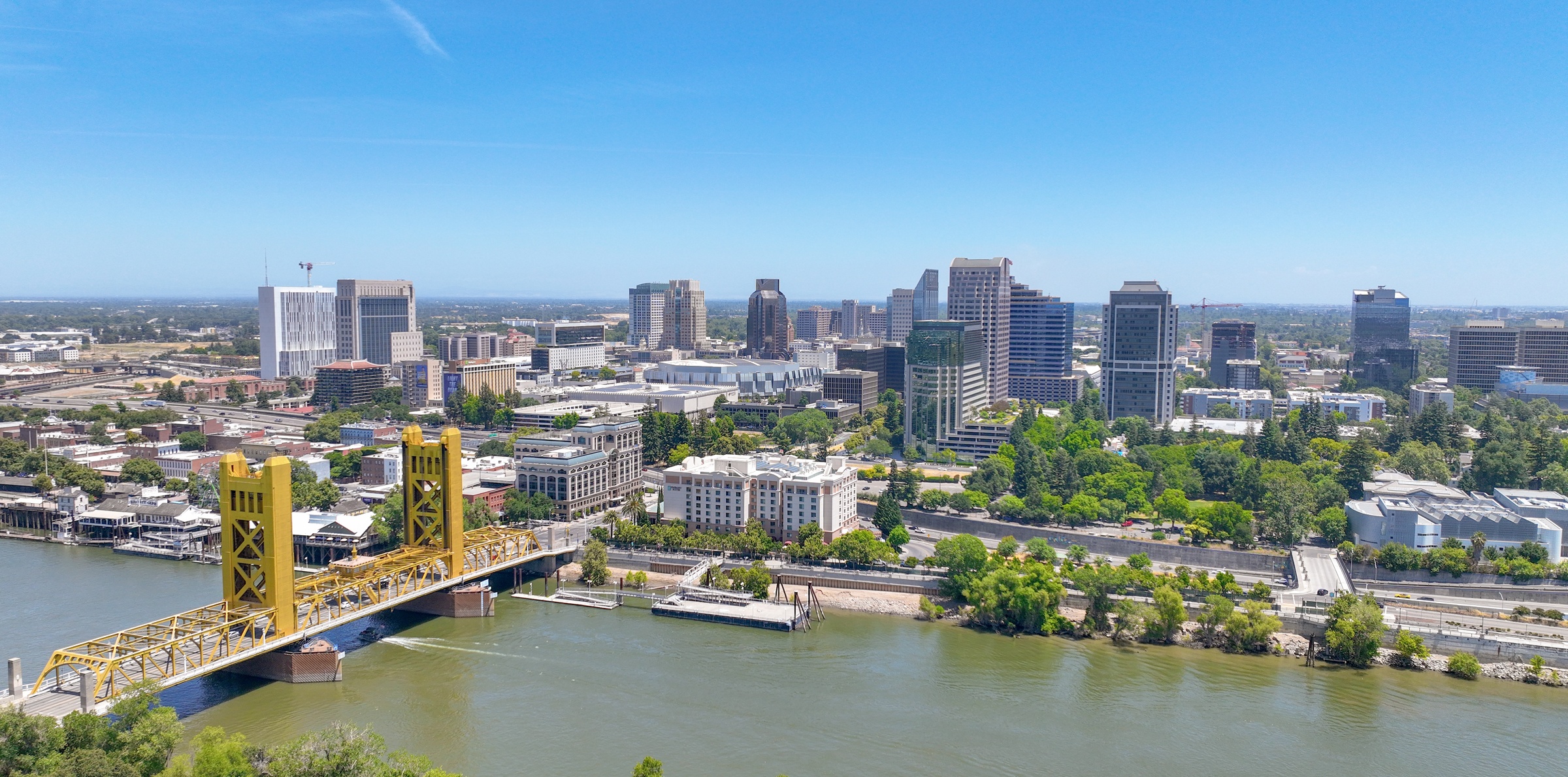
Photo: Quintin Soloviev / Wikimedia Commons, June 16, 2023. CC BY 4.0. Resized; no crop.

An event photograph can have several audiences long after the gathering ends. The attendee sees a shared experience. An organizer sees whether the program is represented. A communications team sees a possible story. A partner may look for a very particular interaction. I would want a Sacramento brief to name those audiences before promising one gallery that somehow satisfies everyone.
That is also how I would compare photographers. The question is not simply whether their strongest pictures are attractive. It is whether their evidence and proposed service can make the records this client needs, under the actual program's conditions.
This guide uses current official Sacramento convention-planning pages for local context. Its program examples are hypothetical. They are not evidence of open jobs or descriptions of my personal work. It is a guide to defining and evaluating a commission, not a ranked list of named photographers or a forecast of local demand.
Give each audience a job description
For a hypothetical convention gathering, I would ask the organizer to identify the person receiving the pictures and the first task they must perform. Preparing a public recap is different from identifying every speaker for an internal archive. A partner report is different from a leadership portrait announcement.
Write those uses plainly. They may overlap, but the crew should not have to infer them after delivery. If the client changes the intended result, the proposal may need different attention, staffing, editing, or factual work.
A photograph can be suitable for one use and insufficient for another without being a bad image. A crowd establishes participation while failing to identify a required person. A close portrait identifies someone while providing little context about the occasion. The brief should recognize those distinctions.
The public reader needs context without invented meaning
A recap should help someone who did not attend understand the purpose and participation. Ask which moment carries that meaning. The photographer can make setting, action, and response pictures that work together rather than produce repeated views with no editorial hierarchy.
If the story depends on names, roles, or an outcome, identify the reliable factual source. A visual exchange does not establish why it occurred or what was decided. The photographer should not write a plausible caption from appearances alone.
Public use also needs an approval boundary where relevant. An organizer may commission a private record while reserving a public selection for review. Make that status clear and separate the photographer's own promotion from the client's uses.
The internal team may need consistency more than drama
If every presenter or recognized participant is essential, tell the crew that completeness matters. Provide the current roster and sequence. A few excellent frames cannot replace a missing required person whose role was never communicated.
If a consistent recognition image is wanted, the host should explain the pause convention beforehand. The photographer can prepare for a shared presentation moment when the program supports it. Natural moving handoffs produce a different kind of record.
If someone substitutes or accepts for another person, the organizer should inform the crew and factual reviewer. A caption must not assign the original name to the visible substitute simply because the printed order says so.
A partner audience needs the actual required evidence
Ask whether the partner needs presence, interaction, demonstration, or a group. A sign can establish identification without showing participation. A conversation can show involvement without clearly identifying the required organization. The use determines the right combination.
Provide the actual partner list and someone who can introduce the people. A name or logo is not enough for a photographer unfamiliar with the representatives. The event contact should know how to report an absence and approve a reasonable alternative.
If the required person is unavailable, do not let an indefinite search consume other essential work silently. The photographer should explain the conflict and ask for a decision while the program still allows choices.
Name the right Sacramento facility before assigning any of those jobs
Official planning information distinguishes SAFE Credit Union Convention Center from the nearby performing-arts and auditorium facilities included in the district context. A general district label is not a complete event location. Use the actual facility and booked space in the brief.
The convention center's official floor-plan page identifies Ballroom A and Ballroom B, exhibit and meeting-room levels, lobbies, and outdoor activation spaces. These categories create useful questions. They do not authorize a camera crew to enter or use every named area.
For an actual program, obtain the current room allocation and installed layout. Public facility information cannot establish the client's stage arrangement, show lighting, access, or camera position. A proposal should identify what remains conditional instead of guaranteeing a result from an empty-room image.
Ballroom A and Ballroom B should not disappear into one word
The official page lists the two flexible ballrooms separately. If a client says ballroom photography, ask which one, what configuration, and what happens there. A presentation, recognition meal, and a portrait service need different attention even if the same word describes the room type.
For a hypothetical plenary, ask which activity cannot be repeated. The photographer may need a clear speaker image, a wide context view, and audience response for different users. Those are related but separate editorial tasks.
If another duty overlaps the essential stage moment, decide before booking which receives priority. A request for quick portraits during a presentation is still a conflict when one photographer is responsible for both. Additional coverage or a changed sequence may be appropriate.
Level 1 exhibits can tell an activity story or a setup story
The floor-plan page identifies Level 1 exhibit halls. A client should distinguish untouched display documentation from live demonstration and interaction. Those requirements can need different timing and cooperation, so they should be named rather than folded into generic exhibit coverage.
If the setup record is essential, identify who confirms readiness. Arriving before guest opening does not guarantee installation has finished or the crew can enter. Use actual organizer instructions rather than an inferred rule about early access.
For demonstrations, explain the important action and whether an authorized repeat is possible. Do not ask the photographer to invent product claims or direct operators without permission. A readable image can show what happened without pretending the camera team verified every technical assertion.
Level 2 meetings need an honest completeness decision
The official page identifies Level 2 meeting rooms. A real assignment needs exact room names, current timing, and the desired record. Selected participation across discussions is a different promise from uninterrupted coverage of every assigned session.
If important meetings are concurrent, make staffing or selection explicit. One person visiting several rooms can produce a valuable recap without witnessing each moment. Calling it full coverage does not change the physical limits of attention.
If the client wants minimal interruption, say whether formal groups are excluded or scheduled separately. An observational workshop should not conceal a requirement for every attendee to face the camera. Give required portraits a finite place in the program.
A lobby photograph should have a reason beyond filling a gap
The official planning page identifies lobby space, including East Lobby. For a hypothetical interval, ask whether the client needs informal conversation, selected introductions, or an establishing view. Each can be useful, but the goal should be clear.
A required introduction needs someone who knows the people. A photographer cannot reliably identify a partner representative from an organization list. A small amount of event-side assistance can make the commission more accurate without turning the entire interval into posed pictures.
If guests request added groups, use the authorized organizer to choose. The request may be worthwhile while still displacing another task. The crew should explain the tradeoff rather than silently accept every new obligation or argue with a guest about priorities.
Outdoor activation space is an option to verify
The convention center page describes outdoor activation spaces. That can prompt a question about a gathering or group, but it does not establish booking, permissions, weather, or current conditions. This guide makes no claim about an unspecified date's suitability.
If the outdoor result is essential, identify the person who approves the location and the decision about an alternative. Preserve the important people and use where possible. One unconfirmed background should not silently become the condition for completing the entire group record.
Gather required people while they are available. Waiting for an optional location after participants leave can eliminate both the preferred image and the fallback. The organizing contact should know when cooperation is needed.
Keep numerical venue claims out of the camera promise
The official planning pages use aggregate space descriptions, and published totals are not a substitute for an actual event layout. This guide does not reproduce area or capacity totals. They do not tell the crew where a setup fits or how a production arrangement affects usable space.
A photographer proposing a backdrop or lighting station should describe its real needs to the organizer. Portable equipment still requires an agreed position. A stationary portrait service is not the same as an unobtrusive roaming camera.
If production details change, revisit the plan before treating the earlier position as guaranteed. A valid idea can become unsuitable when the installed event changes. The client should see that consequence while another arrangement remains possible.
Give the attending team an operational contact, not just a public address
The exact facility matters, but public visitor information does not settle crew check-in, equipment movement, or restricted access. Get current instructions for the actual team. Prior experience can inform questions without supplying permanent authorization.
If credentials or insurance are required, obtain the current specification and confirm it with the crew. A portfolio cannot prove compliance. This guide does not turn one organizer's possible requirement into a universal Sacramento venue rule.
If the program adds another property, use its actual address and timing to assess feasibility. Do not infer a transfer estimate or continuous coverage from a broad district description. Identify which obligation has priority when schedules change.
Changes should move through someone who can make the choice
Name the person authorized to redirect coverage. Speakers, guests, and departments may make useful requests without controlling the commission. The photographer should explain the displaced work and ask that contact while a meaningful choice remains.
Keep major changes with the final scope. An approved substitution is different from an unexplained omission. The client should not have to reconstruct every conversation to understand why the delivered set differs from the first plan.
A good plan also identifies unresolved items. A tentative portrait location, permission, or roster should remain visibly tentative until confirmed. An attractive option should not harden into an expected deliverable merely because it appeared in a draft.
Review a portfolio through the eyes of each intended user
Ask for permitted complete work resembling the hardest duty. A public recap needs a coherent story. A required-person record needs consistency. Partner work needs evidence that matches its purpose. A few dramatic images do not prove all of those services.
Verify the applicant's own role and the proposed attending team. A collaborative gallery can show excellent work from several people. Accurate attribution helps the client compare the actual service rather than assume one person simultaneously handled stage, roaming, portraits, and editing.
If privacy prevents sharing a full example, request an authorized alternative. Another client's private gathering does not become available for disclosure because a prospect is interested. The boundary is relevant to the trust being considered for this event.
Ask how the client used the delivered work
A reference can explain whether required pictures were easy to find and whether the photographer communicated a changed plan in time. Concrete behavior is more useful than another broad compliment. The new client does not need confidential participant details to understand it.
Venue familiarity can help, but current preparation still matters. Ask how the photographer will obtain the operative room plan and instructions. A responsible first visit is possible when the crew knows which facts must be verified.
I would favor a defined result over an unlimited promise. A clear service lets the organizer decide whether it is sufficient while staffing and program choices remain open. A vague assurance can postpone that decision until the missing moment is irreversible.
ProShoot applicants can write for the next user's task
ProShoot's published process includes clients posting work, reviewing bids and portfolios, and selecting a photographer. Photographers apply and present relevant work. Use those exchanges to define the actual commission, not to add claims about guaranteed demand, earnings, or constant opportunities.
An application can identify the primary audience, the required record, and a conflict needing a choice. Check availability across arrival, setup, assigned duties, and any agreed editing. Name the attending crew and the cooperation required from the organizer.
Do not invent personal Sacramento history or imply permission from a public facility page. Strong evidence and a credible verification plan are enough to assess without unsupported biography or access claims.
Ask the receiving team to test the brief once
Before confirming the scope, give the intended user a small scenario: they need a public image and a required-person record from the same short moment. Ask which is essential if one camera position cannot provide both. The answer may change the staffing or program rather than merely change the photographer's intentions.
Keep that decision with the brief. It prevents one department's preference from remaining invisible to another. The photographer can still observe spontaneous moments, but the essential tradeoff has an owner. That makes a later change easier to recognize and explain instead of leaving completion dependent on whichever expectation is remembered last.
Make the handoff match the audience plan
Agree on selection, editing, organization, uses, delivery, storage, and access. If captions are included, identify the factual reviewer. If some images require approval before publication, keep that status visible and agree on the photographer's promotional use separately.
Treat an earlier selection as an assigned service, including who photographs while someone edits. Do not let an unexamined speed promise create a second simultaneous duty. The actual agreement should govern the timing and work.
At closeout, reconcile essentials with the real program and approved changes. Explain an absent person, canceled activity, or remaining permission question before the client discovers it through an audit. A usable result should reduce the next team's work rather than hand them an unexplained collection to investigate.
That is the Sacramento photography service I would look for: accurate about the venue, honest about attention, and organized around actual users. When the audience and purpose are clear, the pictures have a job to do and the photographer has a fair basis for delivering it.
Let two audiences challenge the same picture request
Ask the public communications contact and the internal record owner why they each need a proposed image. They may agree on the subject while requiring different context. One may want the room and program visible; the other may need an identifiable person. That difference can be planned when it is stated early.
The photographer should explain whether the actual moment can support both views and what cooperation is needed. If it cannot, the organizer can prioritize, adjust timing, or commission another duty. Do not make the audience disagreement disappear beneath a phrase such as versatile coverage. A clear choice gives the client a usable result and gives the crew a fair assignment. It also avoids blaming the final selection for an incompatible expectation that was present before the event began.
Sources checked November 6, 2026
- https://safecreditunionconventioncenter.com/planners/explore-floor-plans
- https://www.visitsacramento.com/meetings/why-sacramento/is-sacramento-a-fit-for-your-meeting/
- https://proshoot.io/how-it-works/
Ready to hire a professional photographer?
Post your job free and get bids from photographers near you.
Post a Job Free →