Top Event Photographers in Philadelphia
Choose Philadelphia event photography that fits theater, classroom, banquet, and boardroom programs. A room-layout guide for organizers and photographers.
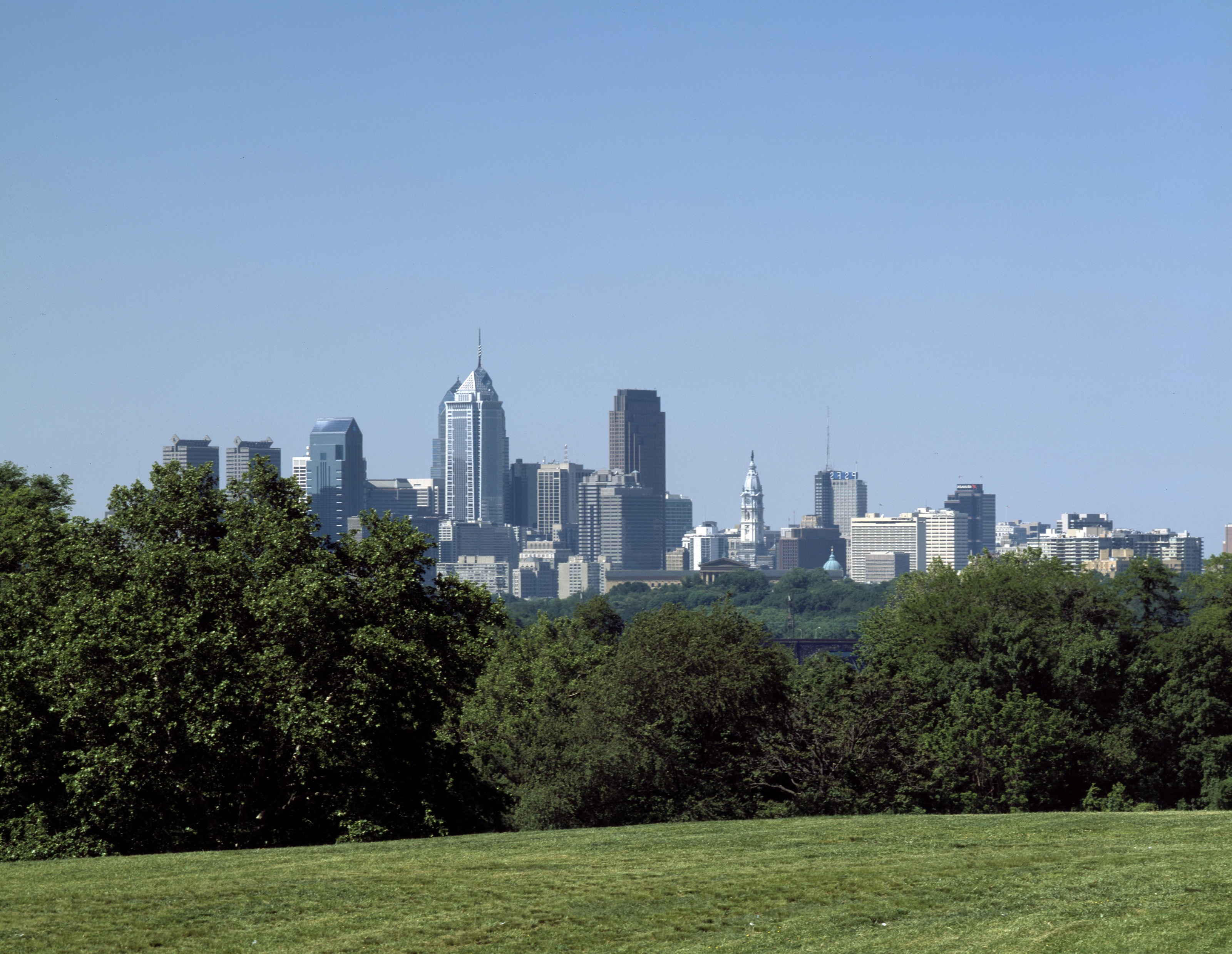
Photo: Carol M. Highsmith / Library of Congress. No known restrictions on publication. Resized.
I learn a lot about an event by asking the organizer how the chairs face. Rows pointed at a stage tell me something different from tables arranged for discussion. A banquet can contain both attention and conversation, often within moments of each other. The seating does not dictate the photographs, but it gives us better questions.
For Philadelphia event photography, I would use those questions before asking someone to quote a generic coverage window. The photographer needs to understand the activity. The organizer needs to see whether the proposed approach suits the participants and the intended use of the pictures.
The Pennsylvania Convention Center's official Meeting Spaces page describes theater, classroom, banquet, and conference-style arrangements, alongside its room categories. I use that source below for hypothetical program examples. This is not a ranked directory, an open-job announcement, or a claim that I personally photographed these events. It is a way to make a real commission specific.
Read the room from the participant's seat
Before talking about the camera, ask what participants are expected to do. Will they listen, take notes, debate, present, eat, or move between activities? A photograph should help explain that purpose rather than reduce every event to a face looking toward a lens.
The venue's Meeting Spaces page identifies exhibit halls, a lecture hall, ballroom areas, and other meeting rooms. It also discusses standard setups. Those descriptions do not establish the arrangement for an individual booking. Request the actual room and approved current diagram.
I would annotate that diagram with the essential activity, the photographer's proposed position, and any place where permission remains unresolved. This is not an instruction to design the event for the camera. It is a way to notice conflicts before a photographer and a roomful of guests have to live with them.
Theater arrangement: protect attention while making the story readable
The convention center describes theater seating as rows facing the speaker or stage. For a hypothetical lecture, that tells me to ask about the main presentation and the audience's experience. Are we documenting the speaker, the response, an important exchange, or an entire sequence?
A camera positioned well for the stage may not be well placed for audience expressions. The photographer should explain the intended balance and what movement is permitted. Do not assume that every aisle is a working position simply because it appears open on a diagram.
I would ask the organizer which parts cannot be repeated. An introduction, an award, or a question from a particular participant might have more importance than a general view. The photographer needs that knowledge early enough to prepare rather than hear afterward that a fleeting exchange was essential.
Look for change, not endless variations of the same frame
During portfolio review, follow a complete authorized lecture sequence. Can you understand who spoke, how the audience responded, and what changed? Several nearly identical images of one speaker may be useful choices without explaining the rest of the event.
Ask the photographer how they handled quiet stretches in comparable work. The answer should describe observation and patience, not an obligation to manufacture activity. An attentive audience can be an honest part of the record even when nothing dramatic is happening.
The client should explain the expected tone. A formal institutional recap may need a different selection from an informal participant story. That is an editorial decision worth making before the photographs are delivered, not a vague style preference left for someone to guess.
Questions from the floor need a workable plan
If audience questions matter, tell the photographer how the program handles them. Will participants remain seated, move to a microphone, or be recognized from somewhere else? The actual procedure helps the crew anticipate the photograph without interrupting the exchange.
If a particular questioner must be identified, provide a reliable source for the name afterward. The photographer should not infer an identity from seating or a partially visible badge. A clear photograph and a correct caption are separate responsibilities that need coordination.
If content is restricted, explain the making and publication boundaries. A lecture room available to the client is not a release for everything a presenter may display. The crew needs an actionable instruction and a person who can settle uncertainty.
Classroom arrangement: show learning without staging an outcome
The venue describes classroom seating as tables and chairs facing the front, with space for participants to write. For a hypothetical workshop, I would ask what the learning activity actually looks like. A row of laptops can document attendance without telling someone why the group gathered.
If the client wants a demonstration or collaborative exercise, identify when it happens. Is a particular step essential? Is it visible from an approved position? Does it overlap another required session? Those details help the photographer make an honest plan.
Do not request a photograph that implies a result the event did not produce. An observer can show people discussing or practicing without inventing agreement, success, or a formal partnership. Captions should be verified against the actual program rather than the client's hopes for it.
The tables may contain information that should stay private
Notes, screens, worksheets, and badges can appear incidentally in a room photograph. The organizer should identify practical restrictions and how they will be communicated. A general warning about confidentiality is less useful than a clear instruction about specific content or segments.
If an image may be privately delivered but not publicly released, define the review route. The photographer should not have to infer the organization's publication policy from the workshop's apparent formality. Keep different audiences visibly separate when their permissions differ.
During the session, direction should match the purpose. If natural discussion is important, repeated pauses for posed photographs can work against it. If a formal participant group is required too, schedule it as its own task rather than pretend observation will necessarily produce it.
A session visit is not the whole session
For a program with several workshops, decide whether each needs a short visual sample or a continuous record. A photographer visiting briefly can make useful images while still missing a later exercise. State the coverage level plainly in the proposal.
If required activities overlap, choose priorities or discuss another photographer. One person cannot maintain uninterrupted coverage in separate rooms. It is better to settle that fact before accepting a bid than reinterpret the gallery afterward as though the conflict did not exist.
The session lead should know the crew's plan. A room change or moved demonstration needs to reach the photographer through one current instruction route. A good original schedule is not enough when later decisions make it obsolete.
Banquet arrangement: attention moves between the stage and the table
The convention center describes banquet seating using round tables for catered functions or meetings. For a hypothetical recognition dinner, I would ask when the room's attention shifts. Arrival conversations, seated exchanges, presentations, and formal groups can all matter without receiving equal priority at every moment.
The client should identify the recognition order and whether a posed presentation photograph is expected. If recipients need to pause and look toward the camera, the host has to communicate that convention. The photographer cannot make a naturally moving program also produce a held portrait without cooperation.
If the organizer prefers uninterrupted movement, say so. The photographer can emphasize the exchange as it happens. Neither approach is automatically superior; the problem is expecting one result while running the other kind of program.
The people at the tables need identification, not guesswork
If selected relationships must appear, name them and provide someone who can make introductions. A photographer new to the gathering cannot infer family, leadership, or partner roles from where guests sit. The organizer's knowledge is part of the production.
Discuss whether table photographs are actually wanted. A complete set of posed tables creates a different service from candid banquet coverage. It may interrupt conversation and occupy time needed for presentations. Make the choice deliberately instead of treating it as an automatic convention.
For required groups, choose a moment before people disperse and assign a gathering contact. A final call after the program ends can be too late. The photographer can arrange a group but cannot ensure attendance at a moment nobody told the participants to expect.
Food service and photography share the room
The venue's standard-setup discussion notes cross aisles and support equipment. That is a reminder to work from the actual approved arrangement, not to invent a position in the middle of an operating room. Ask where photography can occur without obstructing circulation or service.
If the client wants an extra light or portrait backdrop, have the photographer describe its footprint. Portable equipment still occupies space. A room's nominal capacity is not evidence that a proposed setup fits around the installed stage, tables, and service routes.
If a requested portrait conflicts with an unrepeatable recognition, use the authorized event contact. The photographer should explain the tradeoff while the organizer can choose. Quietly accepting incompatible instructions helps neither side.
Conference or U-shaped arrangement: direction should respect the discussion
The operator also describes conference, hollow-square, and U-shaped arrangements for committee or board-style meetings. For a hypothetical planning discussion, I would ask how much interruption is acceptable and what the images should communicate.
A participant looking toward the camera can be a useful portrait while saying little about the conversation. An observational image may show engagement without clearly identifying every person. Explain whether the client needs discussion, formal identification, or both.
If the meeting is private, specify the expected audience for the record. Internal delivery does not automatically approve public communications or a photographer's portfolio. A small room can contain sensitive material just as easily as a larger program.
Agree on the end-of-meeting group separately
If everyone needs a shared photograph, tell the participants when and where. Choose an approved position and a contact who verifies the roster. The photographer should not need to negotiate the whole request after people have begun leaving.
If individual portraits are added, define the intended consistency and provide authorized references early. A casual profile image and a matched series can need different preparation. The proposal should explain how that work affects time available to observe the meeting.
For names and titles, appoint a factual source. A photographer should not guess affiliations or a discussion's conclusions from visual context. Accurate captions require information the organizer can verify.
Capacity guidance is not permission to redesign the room
The convention center says its standard maximum capacities assume minimal additional support equipment. Lighting or sound towers, camera risers, production areas, runways, and buffet lines can reduce capacity. This guide does not copy the numerical seating rules or tell a photographer to apply them independently.
The useful lesson is to obtain the actual approved setup. If the proposed photography arrangement adds a station or equipment, have it reviewed by the organizer and responsible venue team. Do not calculate a spare corner from a maximum number and treat it as authorized workspace.
An existing camera riser mentioned in a planning conversation needs its own confirmation. Is it part of this production, and may the commissioned photographer use it? A room feature or another crew's equipment is not a standing invitation to occupy it.
How I would compare the people making the proposal
I would choose evidence matching the arrangement and activity. Theater work should show presentation continuity; classroom work should show real participation; banquet work should connect recognition and relationships; discussion work should show respectful observation. Exact venue history can help without replacing preparation for the current program.
Ask what the applicant personally did in an example gallery. A second photographer may have covered guests while another managed the stage and delivery. Accurate attribution makes that experience useful rather than implying full responsibility where it did not exist.
Confirm who will attend the new assignment. If another person performs it, review relevant work and the role split. A client should know whose evidence supports the offer before accepting, not discover the difference on arrival.
References can test communication through a changed program. Ask for one example of a delayed session or added group and how the consequence was explained. Keep private guest information and confidential material out of the request. You need observable behavior, not another client's records.
A proposal should state the practical decisions
Read coverage, rooms, crew, groups, portraits, editing, delivery, and uses. Similar phrases can conceal different work. A selected program recap is not equivalent to complete simultaneous-session coverage and a separate portrait service.
Ask for assumptions and exclusions in plain words. If a credential, approved position, subject availability, or gathering contact is essential, make the dependency visible. Name one person authorized to approve changes and ask the photographer to explain any displaced priority before taking an extra request.
If insurance or credentials are required, obtain current specifications and confirm that the proposed crew can meet them. A portfolio or marketplace profile does not prove compliance. A requirement from one property is not a universal Philadelphia venue rule.
Get current arrival and working instructions separately from attendee information. A public address does not authorize a service route. For another property, use actual locations and the full schedule rather than broad city transfer assumptions.
Photographers: apply to the program, not only the room name
A theater lecture, workshop, banquet, and private discussion should prompt different questions. Use relevant complete work to explain your approach, then identify the detail that still needs a decision. A useful question can make an application stronger than an unconditional promise.
ProShoot's published client process describes posting jobs, reviewing bids and portfolios, and choosing a photographer. Its photographer process includes applying and presenting work. Use that exchange to define a commission. A profile does not establish access, insurance, or personal history at every facility.
Check availability against arrival, setup, coverage, and added functions. This guide does not infer jobs from medical or university activity, team names, seasonal patterns, or regional travel claims. An actual opportunity needs a commissioning contact and current scope.
Deliver according to the program's purpose
Agree on how the recipient will find the work. Session groups, presentations, recognition, portraits, and approved public selections may be easier to navigate separately. The client should not have to rebuild the event from an unexplained collection of repeated frames.
Set delivery and any earlier selection separately, including the effect of editing during ongoing coverage. Identify the reviewer for names and restricted content. Clarify intended uses and discuss the photographer's promotional use separately from private delivery.
Use actual file-access and storage terms. Explain material gaps caused by absent subjects or canceled activities, and reconcile essentials with authorized changes before closing. A clean handoff should leave the recipient using the photographs, not auditing every image to find an unresolved issue.
Choose the approach that fits the activity
The seating arrangement begins the conversation without completing it. The actual people, program, and audiences determine what the photographs should do. I would choose a photographer whose relevant evidence and practical questions make that purpose clear.
Whether hiring through ProShoot or applying there, build the commission around the gathering that is actually planned. That gives Philadelphia event photography a more useful foundation than a promise of every picture in every room.
Sources checked November 6, 2026
- https://www.paconvention.com/meeting-professionals/floor-plans/meeting-spaces
- https://proshoot.io/how-it-works/
Ready to hire a professional photographer?
Post your job free and get bids from photographers near you.
Post a Job Free →