Top Event Photographers in Pennsylvania
Hiring guidance and photography job advice for Pennsylvania clients and photographers.
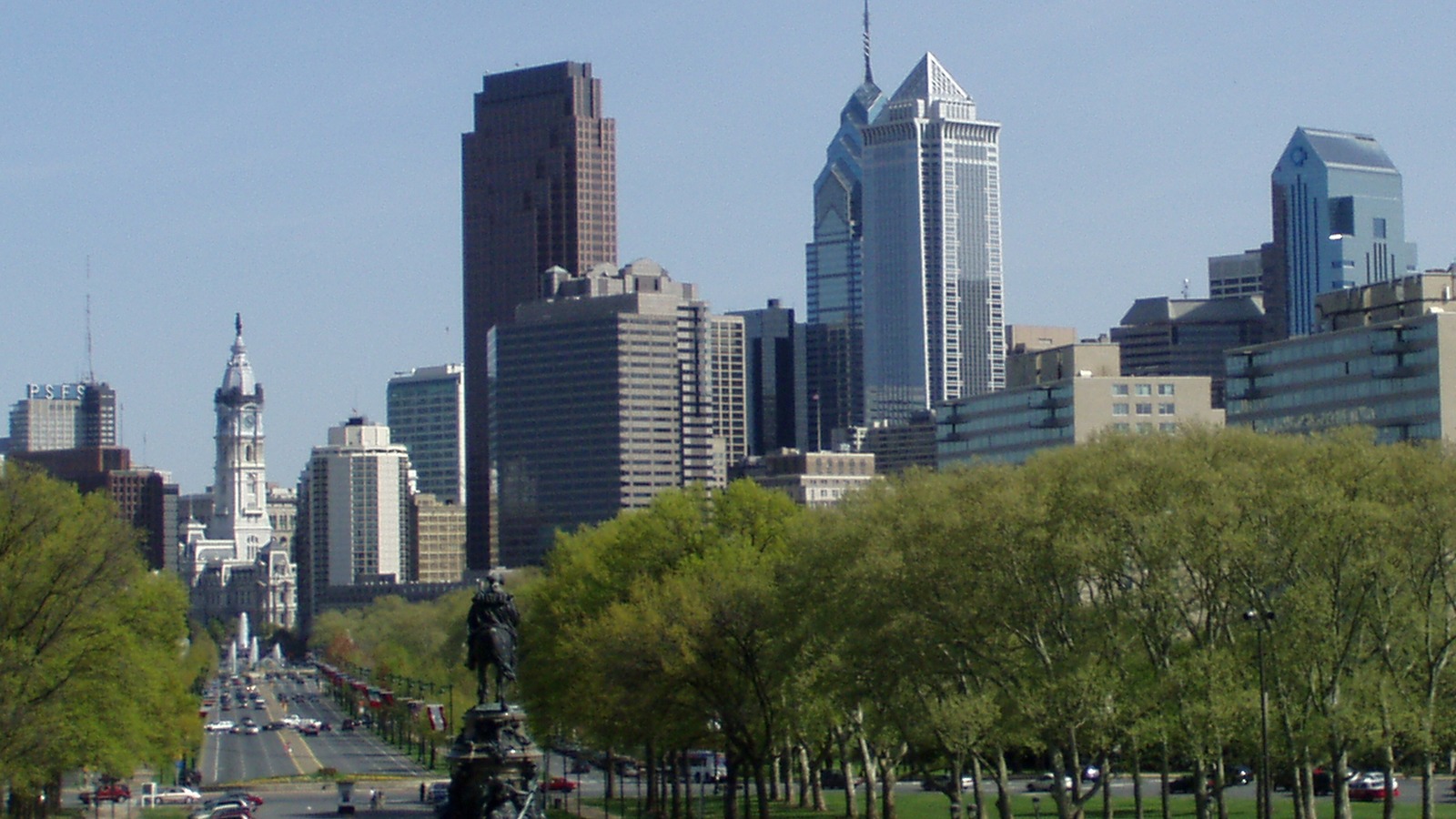
Photo: Jeffrey M. Vinocur / Wikimedia Commons. CC BY 2.5. Cropped and resized.

Follow the day before you choose the photographer
When I look at a photography assignment, I try to see the whole day. Not only the stage moment the organizer already has in mind. I want to know how people enter, where they gather, what happens at the same time and how the pictures will leave the photographer's hands afterward.
That is a useful way to hire an event photographer in Pennsylvania. It also helps photographers answer a lead without relying on the same sales paragraph they send everywhere. Work through the day together. The details will tell you whether the proposed plan makes sense.
The examples below are hypothetical. A Philadelphia conference, a Pittsburgh business meeting and an event in another Pennsylvania city are different jobs, even when the organizer uses the same label. None of these scenarios is a claim that I photographed a particular event. They are ways to test a plan before somebody commits to it.
Before the doors open: Philadelphia setup photographs
Imagine a conference at the Pennsylvania Convention Center in Philadelphia. The organizer wants photographs of registration, an exhibit area and a prepared stage before attendees enter. That request needs to appear in the coverage window. An arrival time matching the public opening is too late for an empty-room photograph.
Ask the organizer when the room will actually be ready. A published opening time does not establish when furniture, signage and lighting will be in place. If the stage is still being assembled, the photographer needs a contact who can confirm what is ready and what must wait.
The building's official website provides facility information. The event team must provide the specific assignment's access arrangements, credentials and current room plan. I would not assume permission to enter a loading area or an exhibit hall from a general description of the venue.
Think about what the setup photographs are meant to show. An event designer may need an unobstructed room view. A sponsor may need its display documented. The organizer may only need a few establishing images. Those are different priorities. Name them so the photographer can use the available time intelligently.
For photographers seeking Philadelphia work, explain what information you need before proposing an early arrival. Do not promise a complete empty-room set without knowing whether the room is available. A conditional plan that identifies the dependency is more useful than a confident statement based on an assumption.
Registration: photograph the welcome without creating a queue
Once people arrive, the photography plan should respect the work happening at the desk. Ask where the photographer can stand without blocking the entrance or collecting private information in the frame. Registration screens, forms and badges may contain details that have nothing to do with the intended event story.
If the organizer wants named arrival portraits, build a separate station or a deliberate process. Roaming photographs of people checking in do not guarantee a usable picture of every attendee. The client must decide whether individual coverage is essential or whether the purpose is to show the atmosphere of the welcome.
A portrait station also needs someone to manage the names if named delivery is requested. The photographer should not guess how a person spells their name. Give a staff member the responsibility to record and check it, and agree on what information the photographer actually needs.
For a client comparing portfolios, this is a good place to look beyond the polished headline images. Can the photographer show people arriving naturally? Are faces readable without the photographs feeling intrusive? Does the gallery establish the event without turning every attendee interaction into a posed interruption?
I would tell a photographer about any restrictions before registration begins. Some people may not be part of the permitted audience for photographs. The organizer needs a discreet way to convey that instruction. The photographer does not need the private explanation unless it is necessary to carry out the assignment.
The first session: decide what matters when nothing pauses
A keynote or panel can appear straightforward on a schedule. One room, one stage, a fixed time. The useful questions are about access, lighting and the photographs the client expects. Is the photographer allowed near the front? Are there restrictions on moving during the program? Can additional lighting be used?
Get those instructions from the event team or venue. Do not assume a camera badge settles every issue. If the client needs a photograph of each speaker, identify the speakers and explain any particular use, such as an internal recap or a press selection. Names and titles should come from an authorized source.
A panel needs more than a row of people behind microphones. I would look for individual speakers, the group in context and reactions that help explain the exchange. That is an approach to discuss with the photographer, not a guarantee that every desired expression will occur.
For photographers, show a sequence from a comparable program. Include ordinary speaking photographs, not only a dramatic gesture against a dark background. The client needs to understand what a complete delivery looks like. If a previous gallery has different access or lighting conditions, explain that distinction honestly.
Also ask where the next activity begins. If the photographer has to move immediately after the session, the schedule should acknowledge packing or changing equipment. The program does not stop being a logistical problem merely because the first room is easy to photograph.
Midday in Pittsburgh: a meeting and a portrait request
Consider a separate hypothetical assignment in Pittsburgh. A company is bringing staff together for a meeting and decides it would be convenient to make employee portraits during lunch. It may be convenient, but it still needs planning. Portraits cannot be assumed to happen in whatever time remains between other duties.
Ask how many people need photographs and what the pictures should look like. Will they match existing portraits? Will they use a consistent background? Does the company need individual selections or a single approved image per person? The photographer needs those decisions to propose the workflow.
Find a room or area where the setup can remain undisturbed. If meeting coverage continues at the same time, ask how the crew will handle both. One person cannot remain at a portrait station while photographing a presentation in another room. Either the schedule changes or the staffing plan does.
The client should assign a coordinator who knows the participants and can bring them over. A list on a table is not a functioning queue. The coordinator should know when the portrait session closes and how missed appointments are handled, so the photographer can return to the next agreed part of the assignment.
For photographers pursuing Pittsburgh corporate work, a consistent portrait set is useful evidence. Show the framing, backgrounds and editing across several people. The buyer is choosing a repeatable result for a team, not one exceptional portrait that cannot be reproduced under the proposed conditions.
Afternoon breakouts: make the missing photographs visible
At a conference, afternoon sessions may overlap. Put them on the same timeline and ask which need dedicated coverage. A client who wants an equal record of each room should not discover afterward that the photographer had to choose between them.
One approach is to prioritize selected sessions and allow short visits to others. Another is to use multiple photographers with a deliberate division of work. Neither is automatically right. The organizer must describe what the gallery needs to include, and the proposed crew must explain what its coverage can reasonably produce.
This matters outside the biggest cities too. A Harrisburg association program or a Lancaster business meeting can have simultaneous rooms. The complexity comes from the assignment, not a city's reputation. Ask for the actual program instead of using attendance or venue size as a shortcut for staffing.
If an event team changes the room order, name the person who confirms it to the photographers. A volunteer pointing toward a different corridor may be trying to help, but the crew needs a reliable instruction when it affects promised coverage. Keep one current schedule available.
Photographers should state where they are making an assumption. If the proposal assumes sequential sessions and the final program has parallel tracks, flag the change. Do not hope the organizer forgets what was requested. A scope conversation before the event is less difficult than explaining an avoidable gap after it.
The evening reception: the photographs people do not put on the stage list
Receptions often contain the relationships the event exists to support. Small conversations, introductions and informal groups can matter as much as a formal program. Tell the photographer what kind of record you need without asking them to interrupt every interaction.
If specific people must appear together, arrange those photographs deliberately. Give an organizer the names and a plan to gather them. A photographer roaming through a room cannot know that two people across the space need a joint portrait unless somebody tells them.
I would also decide whether a separate reception address changes the coverage plan. Confirm the move, equipment access and the point at which photography starts again. A dinner in another building is not simply another line on the original room schedule.
Review a relevant reception gallery before hiring. Look at whether the photographer preserves a sense of the room while keeping faces useful. Ask how additional lighting, if proposed, fits the venue's current rules. Do not assume an attractive result from a different location can be reproduced under any restrictions.
For photographers, avoid promising to make every guest look as though they posed for a portrait while also offering unobtrusive documentary coverage. Those are different ways of working. Explain the balance you propose and identify where a planned group photograph would serve the client better than chance.
Outside the program: access, weather and regional travel
For a Pennsylvania assignment with outdoor photographs, I would ask where the work moves if the original location becomes unsuitable. The answer should identify a decision-maker and a usable alternative, not simply say that the team will work it out on the day.
Check current conditions and venue instructions near the event. A general statement about Pennsylvania seasons is not a forecast. If a portrait location changes from an outdoor space to a small room, tell the photographer before participants arrive so the setup can be reconsidered.
For regional travel, start with the precise address. An Erie gathering, a Lehigh Valley workshop and a Philadelphia meeting should not share an assumed arrival plan. Ask where the photographer is based and how travel is handled under the proposal. Be explicit about any accommodation or transport responsibility in the agreement.
Current venue requirements need their own check. Ask about credentials, equipment entry, parking and insurance documents if applicable. Obtain instructions from the venue or organizer who controls access. An old blog post or a photographer's previous experience is a lead, not a substitute for the current rules.
Photographers can show good judgment by asking these questions early. There is no need to claim familiarity with every Pennsylvania venue. Explain the preparation you will do and the information you need. Honest questions are more useful than invented local credentials.
After the guests leave: the delivery has its own schedule
The photography assignment continues after the event. Before hiring, agree on what the client receives, how it arrives and when each promised part is due. If the organizer needs a separate early selection, make it part of the plan rather than an assumption.
Explain the file format and intended uses. A communications team may need a different selection from a person maintaining the long-term event archive. If the client wants both, identify them. A folder of photographs does not tell every recipient which files to use for a particular purpose.
Names and captions need checking too. State who supplies accurate names, titles and event details. The photographer can work from approved information, but should not invent it. If a caption correction is needed after delivery, make the issue specific so it can be addressed without confusion.
The agreement should describe image rights and planned distribution. Sponsor access, advertising and sharing with third parties should be discussed rather than hidden under an undefined phrase such as "business use." Seek qualified advice on significant contract questions for the relevant jurisdiction and facts.
For the final handoff, name the recipient and confirm the access intended for others. A guest asking for the gallery does not automatically become an authorized recipient. The photographer and client should know how those requests are handled without improvising the permissions after the event.
How I would look for photography jobs in Pennsylvania
I would build the portfolio around the assignment I want to win. A conference sequence for conference organizers. A consistent group of portraits for employers. An awards dinner gallery for a client who needs speeches and recognition photographed. Make the relevant evidence easy to find.
Then I would write a response to the actual brief. Mention the location and schedule, point to comparable work and identify the questions affecting the proposed plan. If the brief includes several simultaneous sessions, address them. If it includes a move between addresses, do not ignore it.
State your service area honestly. It is possible to consider work across Pennsylvania without describing every city as local. Ask for the details needed to judge travel and availability. Do not promise a turnaround, credential or venue arrangement that has not been agreed for this assignment.
If using ProShoot, read its current how-it-works page for the platform process. Do not assume features or results from this guide. The photographer still needs to present relevant work, and the client still needs to approve a clear scope with the person doing the assignment.
The next conversation should produce a decision
By the end of the planning discussion, I want to know whether the assignment fits the photographer's evidence and proposed method. If the answer is not yet clear, identify the missing item. Another generic sales call will not fix an unknown address, an unresolved schedule conflict or a vague delivery requirement.
Send each candidate the same current brief. Ask them to show what is included, what is excluded and what depends on information still pending. That makes proposals easier to compare without pretending different staffing plans are equivalent.
For photographers, let the client see how you think without writing an essay about yourself. A well-chosen gallery and a specific question often do more work than broad claims about professionalism. You are showing how you will handle their day, not asking them to believe a slogan.
Once the agreement is set, keep changes visible and route them through the responsible organizer. After delivery, collect specific feedback against that agreement. Hiring an event photographer in Pennsylvania should end with a useful gallery and a clear handoff, not with either side trying to reconstruct what somebody meant months earlier.
Keep the handoff understandable to somebody new
The person receiving the photographs may not be the person who arranged the assignment. An organizer can change roles, a communications colleague can take over or a sponsor team can join the conversation late. The delivery should not require private knowledge of the original email chain to make sense.
I would ask for clearly named folders and a short explanation of what is complete. If there are separate selections, identify their purpose. If a requested item is unresolved, state it directly. Do not make the client discover a missing caption or a pending approval by opening every file.
The client can help by choosing one contact for delivery questions. That person can gather feedback, check it against the brief and send a coherent response. It is a simple way to keep a finished assignment from becoming several unrelated conversations.
Sources checked November 6, 2026
Ready to hire a professional photographer?
Post your job free and get bids from photographers near you.
Post a Job Free →