Top Event Photographers in Orlando
Prepare an Orlando event photography brief that separates confirmed instructions from old venue material. Practical planning and application guidance for a real program.
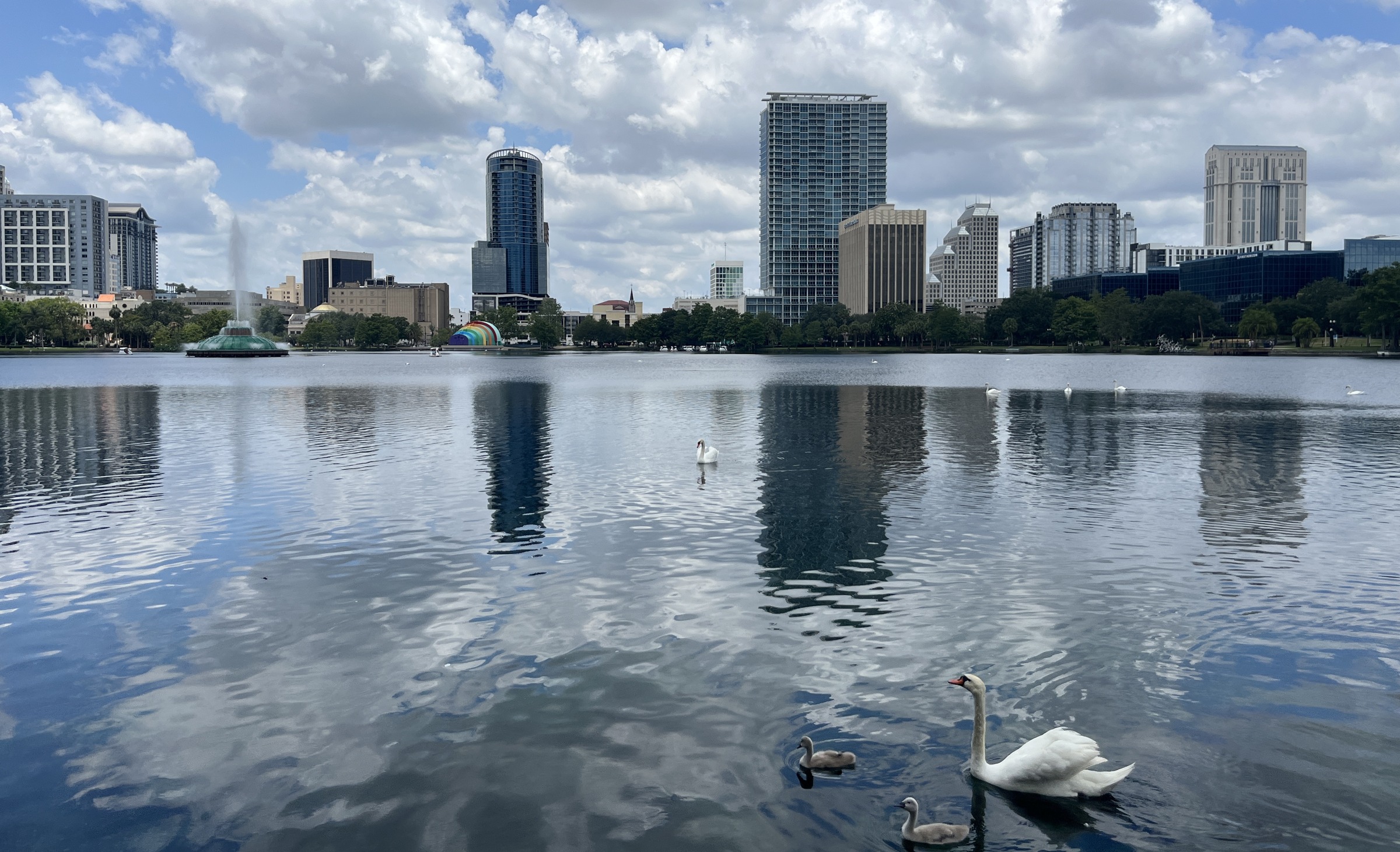
Photo: Benoît Prieur / Wikimedia Commons. CC0 1.0. Source photograph cropped by its contributor; resized for this page.

A venue guide is useful until someone treats every page as a current instruction. It may describe the property accurately in broad terms while containing older statistics, historical language, or a diagram that is not the client's installed setup. I would separate that background from the working photography plan.
For an Orlando event inquiry, that separation can make the difference between a prepared photographer and a crew following the wrong assumptions. The client needs a usable record of the actual occasion, not photographs based on a remembered version of the venue.
The Orange County Convention Center's published facility-floor-plan guide provides the background for the exercise below. I use its broad building and room distinctions cautiously, without carrying its older totals or promotional claims into a new article. The event is hypothetical, not an open job or a personal shooting story.
The exercise: a supplier meeting inside a larger gathering
Imagine an organization arranging a presentation, a demonstration, and a small participant group at an Orlando convention. The organizer sends the photographer a venue guide, a draft program, and several requests from different departments. The material is helpful, but it is not yet one agreed commission.
I would ask the client to identify the commissioning organization, the actual booked space, and the people who will use the photographs. A supplier's private gathering may sit inside a larger program without controlling its public activities. Define that boundary before promising access or image uses.
Then I would sort the information into three piles: background, confirmed instructions, and unanswered decisions. A public guide belongs in background until the organizer confirms what applies. An approved event diagram can become a working instruction. A desired portrait location remains a decision if nobody has checked it.
Background: the property has distinct buildings and program spaces
The OCCC guide distinguishes the West building from North/South. It identifies Valencia Ballroom and Chapin Theater among West program spaces and shows connecting bridge infrastructure. Those are useful orientation facts, not a guarantee of current access for the photographer's assignment.
The guide includes older historical material and figures that should not be assumed current. This article does not repeat aggregate capacities, market rankings, attendance totals, travel-time promises, or hotel counts. They are unnecessary to plan the supplier meeting and could distract from the facts that actually govern it.
Ask the organizer to name the exact building, room, and confirmed event arrangement. West versus North/South is a real distinction, but even that distinction does not settle the stage direction or where a camera can stand. The booked program needs its own instructions.
What can the old guide still do well?
It can help the organizer and photographer use the same broad vocabulary. If someone says Valencia, the guide gives a lead for the conversation. It can also reveal a missing question: does the program actually use that room, or did the name come from an earlier proposal?
It should not be used to manufacture certainty. A bridge shown on a plan does not prove the assigned crew route. A room appearing in a public inventory does not mean it is included in the client's booking. Physical possibility and permission need separate confirmation.
I would label the background clearly when sharing it with a photographer. The aim is to preserve its orientation value without letting it compete with the current working note. A polished PDF should not silently outrank the organizer's newer event-specific instructions.
Confirmed instruction: what does the presentation need?
For the hypothetical supplier meeting, suppose the essential result is a clear introduction of a project and the participants' response. I would ask which part cannot be repeated, where it happens, and who may approve a change. The photographer needs that purpose, not only the public start and end times.
If the client wants a complete presentation record, protect it on the timeline. Do not schedule a required group elsewhere during the same interval and expect one photographer to maintain full attention in both places. A priority or staffing decision should appear before a bid is accepted.
If selected images are sufficient, describe that service honestly. A photographer visiting for a sample can make useful work while still missing later exchanges. The final expectations should match the coverage actually commissioned.
Chapin Theater is a planning reference, not a promise
If the inquiry names Chapin Theater, confirm that the actual program is there and obtain the approved position. The guide's identification of the room does not authorize balcony, backstage, or production access. Those rights come from the event's responsible people.
Ask how the photographer will balance the speaker, audience, and setting. A close frame can preserve expression while revealing little context; a broad view can explain the room while making individuals small. The intended selection may need both rather than one photograph expected to do everything.
Review a permitted full presentation sequence from comparable work. Follow ordinary moments, speaker changes, and audience response. A dramatic favorite demonstrates selected ability without establishing sustained coverage of the whole session.
Slides and scripts need factual boundaries
The presentation may contain material the client does not intend to publish. Identify the practical restriction and the contact who can settle uncertainty. A program being part of a convention does not automatically clear every displayed item for every use.
If an image can be made privately but requires review before release, say so. Names verification, confidential-content review, and communications selection are different decisions. The photographer needs to know who owns each relevant step.
The photographer should not infer a project outcome from expressions or applause. If captions are commissioned, appoint a factual source who verifies names, roles, and context. The record should describe what actually happened, not what someone hoped the presentation would achieve.
Confirmed instruction: what makes the demonstration important?
A supplier demonstration can be a particularly informative part of the event when the photographer knows what to watch. Ask the organizer to identify the essential step, demonstrator, and time. A generic label such as product demo does not explain when the meaningful action occurs.
Decide whether the image should emphasize the object, the person using it, the participant response, or their relationship. Each purpose can require a different view. A wide room image may establish attendance without explaining the process.
If a clean display record is also needed, arrange a permitted opportunity when the setup is ready. That is separate from activity coverage later. An empty display can be accurate documentation without proving that anyone engaged with it.
A demonstration change needs an authorized choice
If the activity moves against the presentation, identify the decision-maker. The photographer can explain the conflict, but the client should choose the priority or approve additional support. An unconditional promise to make both complete records hides the real problem.
If the demonstrator is unavailable, decide whether to return, make an approved alternative, or shift effort. A photographer should not spend the rest of the program searching while other essential images pass. Keep status visible to the organizer.
For restricted processes or displayed work, establish what the commissioning organization can authorize. A supplier may control its own demonstration without controlling adjacent exhibits or the larger program. Do not expand a private commission into unrestricted coverage by implication.
Unanswered decision: where does the group belong?
Suppose another department asks for a participant photograph near Valencia Ballroom. The guide provides a room reference, but the photographer still needs an approved location and the group's availability. A background idea should remain conditional until someone settles those facts.
Ask whether the purpose is a formal leadership record, a casual participant image, or a matched series for profiles. Those results have different demands. Provide an authorized reference before the event if a particular look is required.
Identify the contact who knows the roster and gathers people. A photographer new to the organization cannot reliably recognize every missing participant. The client supplies that recognition while the photographer concentrates on arranging subjects and making the image.
Protect the group without losing the program
Choose a moment the participants have accepted. Waiting until the end can mean essential people have left. A photographer's ability to arrange a group does not replace the organizer's responsibility to make the subjects available.
Keep the combinations finite and purposeful. One shared image and a long sequence of departments are different services. Each extra request may sound quick while collectively taking time from the presentation and demonstration record.
If the preferred position is unavailable, use an approved alternative when it preserves the purpose. The people together may matter more than a particular background. If the location itself is essential, state that dependency before anyone promises the photograph.
Unanswered decision: is there really a portrait station?
Individual portraits are sometimes added as though they require no change to event coverage. I would ask what result the client needs and how long subjects are available. A consistent profile series is not simply a collection of quick candid images.
Ask the photographer to describe the equipment footprint and participant flow. A backdrop, light, or waiting line occupies space. The facility guide warns about changing plans and capacities that do not account for audiovisual equipment; the actual approved setup is more useful than a nominal room maximum.
A fixed station and uninterrupted roaming coverage elsewhere cannot both be continuously performed by the same person. The proposal should sequence them or explain the need for another photographer. A realistic division of work is stronger than an offer whose limits appear only afterward.
Who calls the next subject?
An organizer who gathers participants and checks names can keep the session productive. An unfamiliar photographer should not repeatedly leave the setup to search. Otherwise the portrait window can disappear into coordination the client assumed was automatic.
For late arrivals, identify who may change the order or displace another task. The photographer should not be left choosing between a waiting participant and an essential presentation without authority. The organizing contact needs the consequence while there is still time to decide.
If privacy restrictions apply, share the practical instruction without unnecessary personal background. The crew may need to know that a subject should not appear publicly without learning private reasons. Keep information proportionate to the work.
Turn the piles into one current working note
Once decisions are settled, put the actual room, program, required images, people, access, and change contact in one usable note. Keep background material labeled. The photographer should not have to choose among several confident but conflicting versions during the event.
If something changes, update the instruction the crew follows and obtain acknowledgement of any effect on staffing, equipment, or coverage. Sending a new attachment does not establish that its operational consequence is understood. A short explicit update can prevent a much larger misunderstanding.
For arrival, get the actual reporting point, equipment route, and permitted setup window. An attendee invitation or public address may not supply crew access. A bridge in the guide is not automatically an approved route for this equipment or this booking.
Additions need their own scope
A reception or another property can be related to the convention without being included in the original commission. Identify its purpose, location, participants, and timing. Do not fold it into the assignment by assumption because it sounds nearby or informal.
Use actual addresses and the full schedule to judge feasibility. This guide does not supply transfer estimates or theme-park logistics from general impressions of Orlando. The client and photographer should assess the real commitment.
If insurance or credentials are required, obtain current specifications and confirm the proposed crew meets them. A portfolio or marketplace profile does not prove compliance. One property's request is not a universal Orlando venue rule.
Select a photographer through the exercise's actual demands
I would review permitted complete work showing presentation continuity, demonstrations, participant interaction, and groups where those are commissioned. A few attractive excerpts can establish selected skill without explaining the full service. Look at ordinary moments and the transitions between required activities.
Ask what the applicant personally did. An additional photographer might have covered guests while someone else controlled the main program and delivery. Accurate contribution labels make that evidence useful without implying responsibility for every part of a crew's project.
Confirm who will attend the new assignment. If another person performs it, review relevant work and the role split. The client should understand whose evidence supports the offer before accepting it, not discover the difference on arrival.
Use a reference to test change handling
Ask a previous client about one moved session, absent subject, or added group. Did the photographer explain the consequence while there was time to choose? That observable behavior can matter more than a general compliment.
Avoid private participant information and confidential event records. You need evidence of the process, not someone else's internal material. If a full gallery is restricted, ask for an authorized alternative and respect the limit.
Exact venue history can help without replacing current confirmation. A photographer new to a room can prepare carefully; a familiar one can carry stale assumptions. Relevant evidence and a thoughtful verification plan should guide the choice.
Photographers: respond to the confirmed task and name the open question
An OCCC inquiry should prompt confirmation of the actual building and program, not a recitation of the guide's largest numbers. Show relevant work and explain the consequential decision still needed. A useful question can make the client's next step easier.
ProShoot's published client process describes posting jobs, comparing bids and portfolios, and choosing a photographer. Its photographer process includes applying and presenting work. Use the exchange to define a real commission. A listing does not establish venue access or personal local history.
Check availability from arrival and setup through the last commissioned function. State unresolved conditions honestly. This guide does not infer jobs from convention rankings, theme-park activity, demographic claims, or a promise that events can fill a calendar. A real opportunity needs a current commissioning contact and scope.
Deliver a record with its decisions intact
Agree on how the recipient will find the work. Presentations, demonstrations, portraits, groups, and approved public selections may be easier to navigate separately. If captions are included, designate the factual source and reviewer rather than guess identities or outcomes.
Set delivery and any earlier selection separately, including how editing during ongoing coverage affects the work. Clarify intended uses and discuss the photographer's promotional audience separately from private client delivery. Use actual storage and file-access terms.
Before closing, reconcile essentials with authorized changes. Explain material gaps caused by canceled activity or absent people and identify files awaiting review. The handoff should leave the client using the record rather than conducting an image-by-image audit for unanswered questions.
Hire for the event, not the old attachment
A facility guide begins the inquiry without completing it. The actual people, program, permissions, and audiences give the photographs their purpose. I would choose a photographer whose relevant work and practical answers turn those facts into a realistic commission.
Whether hiring through ProShoot or applying there, keep background, confirmed instructions, and unanswered decisions distinct. That is a stronger foundation for Orlando event photography than a promise built on an impressive but unverified old plan.
Sources checked November 6, 2026
Ready to hire a professional photographer?
Post your job free and get bids from photographers near you.
Post a Job Free →