Top Event Photographers in Oklahoma
Compare Oklahoma event photographers using a plan for Oklahoma City presentations and Tulsa breakout programs. Hiring guidance and proposal examples.
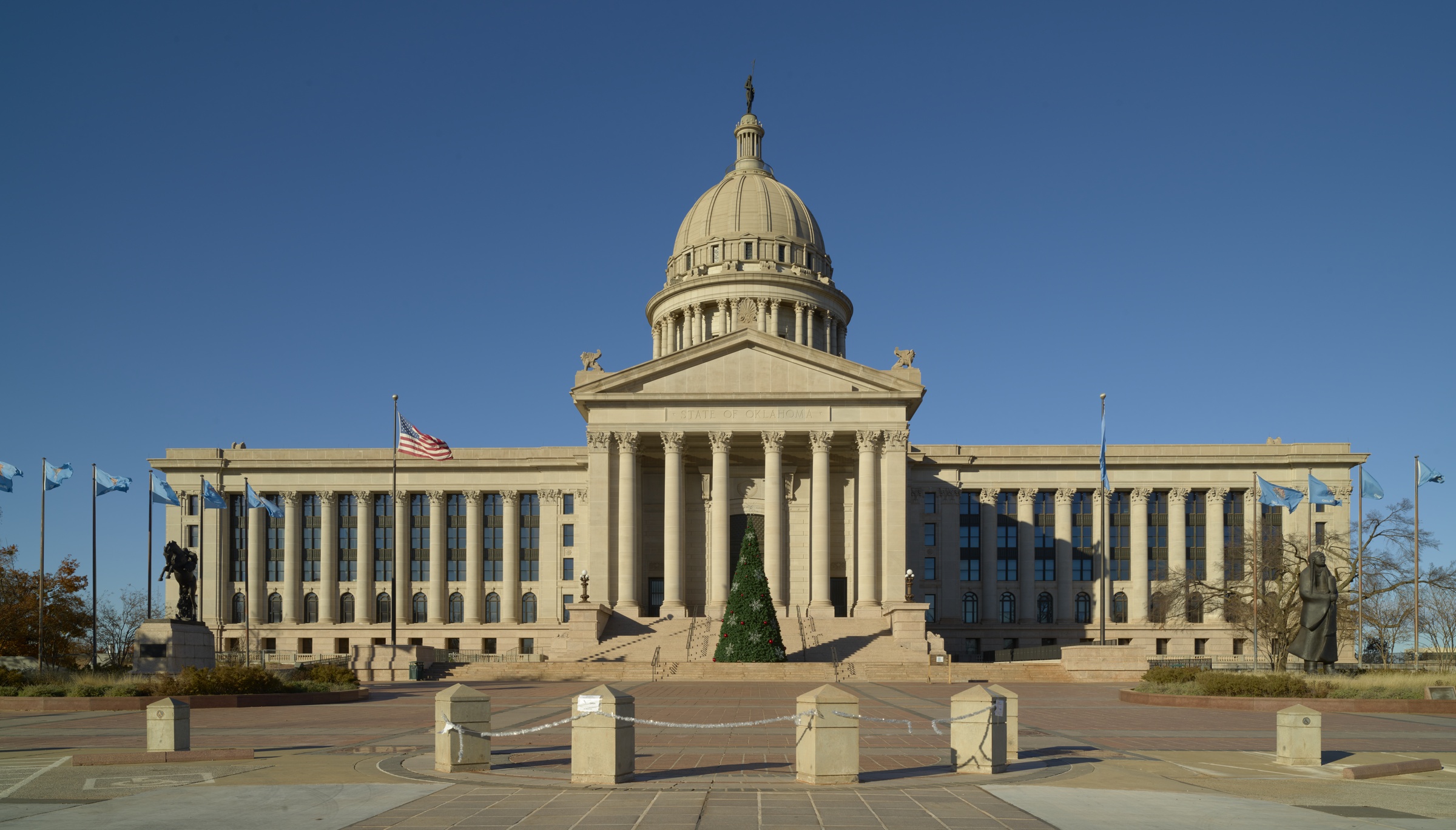
Photo: Carol M. Highsmith / Library of Congress, Prints and Photographs Division, LC-DIG-highsm-65620, December 7, 2020. Public domain. Resized; no crop.
I would not start an Oklahoma event photographer search with a list of equipment. I would start with the organizer's most difficult handoff: the moment when a presentation ends and several other things need to happen. That transition often reveals whether the proposed coverage is realistic.
For this guide, I checked the Oklahoma City Convention Center's official facility description and Arvest Convention Center's current Tulsa venue details. Those sources establish local spaces and configurations. The sample programs below are hypothetical exercises, not personal shooting history or announcements of available work.
One example follows an Oklahoma City presentation into a reception. The other follows a Tulsa conference with breakout rooms. I would expect a photographer to ask different questions for each. The right shortlist comes from relevant work and an understandable plan, not a claim that one person can cover every gathering in the state.
Draw the transition before choosing the photographer
Imagine a presentation ends, a leadership group needs a photograph, a reception opens, and a sponsor asks for an image at its display. If all four requests matter, one photographer needs an order and help from the organizer. The answer cannot simply be that everything should happen immediately.
I would put those moments on a short timeline and ask which can wait. Could the leadership group be made before the presentation? Can the sponsor representative join the reception later? Does the client need a full reception sequence or a few selected interactions? These choices can make the job more coherent without adding unnecessary coverage.
The timeline should also identify who gathers the group and who knows the sponsor representative. The photographer can arrange and time an image without recognizing every person on the client's list. Assigning that help is part of the organizer's preparation, not a sign that the photographer lacks initiative.
Define a useful result for each moment
A presentation photograph might need a recognizable speaker, a meaningful expression, and enough context to identify the program. A group might need every named person visible. A sponsor image might need participation rather than an isolated logo. Say what the photograph must do instead of leaving the category undefined.
I would keep optional images below those essential results. A second room detail may be attractive, but it should not displace the only leadership group if the client has clearly prioritized that group. The photographer needs permission to protect the important moment when requests collide.
Oklahoma City: a terrace is part of a confirmed plan
The Oklahoma City Convention Center's official page describes an exhibit hall divisible into separate halls, a ballroom with pre-function space and a terrace overlooking Scissortail Park, and meeting rooms including a Junior Ballroom. Those categories help identify an assignment. They do not establish which areas the client has booked.
For the presentation-and-reception example, I would ask whether both portions use the ballroom area and whether terrace access is included. A public description cannot settle the event's stage position, seating, displays, or approved camera locations. Obtain the current room diagram from the organizer.
If the client wants the park setting recognizable, put that into the image goals. If the main purpose is to record introductions among colleagues, identify those people instead. An attractive background should support the commission rather than distract from the relationship the client needs documented.
Make the outdoor alternative before it becomes necessary
For a required terrace group, agree on a suitable indoor alternative and the person who can change the location. The useful promise may be a clear image of the team together, not an unconditional commitment to one background. That leaves room for the photographer to produce a good result when the intended position cannot be used.
Do not assume every outdoor space in the venue's description is available to an outside crew. Confirm the booked area and equipment permissions. The organizer's plan should identify where a group can gather without disrupting circulation or another part of the event.
I would ask how a location decision reaches the photographer. If the program moves while the crew is working elsewhere, someone needs to communicate it directly. The photographer should not learn from a guest that the required group happened in a different place.
A presentation and reception need different visual evidence
For the presentation, I would review work showing speakers, screens, and audience attention. For the reception, I would look for comfortable groups and meaningful interactions. A portfolio with one strong stage image does not demonstrate every part of this combined assignment.
Ask the photographer how they would move from one part to the next under the actual schedule. The answer should identify any moment that loses coverage during the transition. A specific explanation lets the client choose; a broad promise to capture everything leaves the decision hidden until it is too late.
Tulsa: use Arvest Convention Center's current room names
The current operator website identifies the Tulsa facility as Arvest Convention Center. Its venue-details page distinguishes Grand Hall, Tulsa Ballroom, West Meeting Rooms, Pepsi Exhibit Hall, Conference Hall, Legacy Hall, and meeting rooms on upper floors. A new brief should use the actual booked space, not rely on an old complex name or an unspecified ballroom.
The operator describes Grand Hall as divisible into three rooms and Tulsa Ballroom as divisible into four, with adjoining meeting rooms. It describes Conference Hall divisions and Legacy Hall with a theatrical stage. Those differences matter when planning a conference that uses more than one program format.
For the sample breakout conference, I would ask which rooms contain essential presentations and which need only selected interaction images. A list of every session is not yet a coverage plan. The client must identify what each set of pictures is supposed to accomplish.
Do not ask one person to document simultaneous sessions completely
Breakout programs can create an impossible instruction when every room is marked essential for its whole duration. I would ask the organizer to choose particular moments, a representative selection, or a staffing plan. A photographer cannot remove overlap by being familiar with the building.
If the client only needs a few images of each session, say so and discuss the consequences. That is different from a complete record of every speaker and audience exchange. The proposal should explain the agreed level of coverage rather than let the phrase conference photography mean different things to each side.
I would mark required people on the schedule and identify someone who can recognize them. A speaker list may help with formal presentations while doing little to locate an important attendee in a hallway. The organizer needs to connect those names to the actual program.
Configuration details belong to the current event
The operator's room combinations show why the booked arrangement matters. A gallery of an open ballroom may not show the positions available after partitions and production are installed. Ask for the approved layout with stage, screens, displays, seating, and clear routes.
A room's technical features are not permission to use them. If the photographer proposes extra light, a fixed camera, or a portrait area, coordinate the location with the organizer and production team. Portable equipment still takes space and can affect movement through a room.
The venue page describes different loading arrangements for several spaces. I would use that as a reason to obtain assigned equipment instructions, not as a personal authorization to use a dock. The crew needs a confirmed reporting point and access window for this particular booking.
Compare a photographer's choices, not only their style
I would ask each shortlisted person to talk through the transition timeline for Oklahoma City or the breakout priorities for Tulsa. Which moment do they protect first, and what help do they need? The answer should respond to the actual program rather than repeat a general statement about being unobtrusive and professional.
Then review a complete authorized assignment with a similar problem. Look for consistent attention to people, not only attractive architecture. Does the gallery explain what happened? Are required groups clear? Do transitions make sense, or does the record disappear whenever the event changes pace?
A strong highlight can show taste. A delivered sequence provides evidence of reliability across the job. I would not use an image count as a shortcut for that judgment. Many repeated frames can still lack the only interaction the client needed.
Ask what role the person played in the examples. Additional-photographer experience can be valuable, especially for a specific portion of the assignment. It should not imply responsibility for the entire event if another person directed the main program, crew, and final delivery.
Same-venue experience is not automatic current knowledge
A photographer new to a room can prepare carefully with the approved layout and instructions. A photographer who has worked there can still assume an arrangement that has changed. I would ask how the current program will be checked instead of accepting a broad claim to know every Oklahoma venue.
References can test that behavior. Ask a former client what happened when the schedule shifted or an important person was hard to find. Did the photographer ask for the needed help and explain the consequence? A concrete account is more useful than a list of compliments.
Do not ask a reference to disclose confidential guests or another organization's internal program. You need evidence about communication and judgment, not private details. The previous client's information should remain protected while the next client makes a decision.
The agreement should identify who owns each answer
The organizer supplies the confirmed rooms, current schedule, required people, intended image uses, and restrictions. The photographer supplies a proposed approach, staffing, equipment, selection, editing, and delivery. Unresolved items should be visible with the person responsible for answering them.
Name one contact who can approve event-day additions. A guest requesting portraits does not necessarily have authority to pull the crew away from a required session. A department asking for another room may be important, but the commissioning client should decide what it changes. Clear authority protects the actual brief.
Discuss how another reception, a new property, or a longer program changes the assignment. The point is not to reject every request. It is to make additions explicit decisions rather than hidden obligations one side assumes were included.
Read proposal boundaries before comparing them as equivalent. Coverage segments, staffing, rights, and delivery can differ even when the descriptions look similar. A headline total cannot explain whether the proposal includes the essential group, all breakout sessions, or only a selected record.
Image uses deserve a direct conversation
Ask where the pictures will go: internal communications, public posts, press distribution, sponsor reports, or advertising. Receiving files is not a complete description of rights. The agreement should name the intended audience and the permissions relevant to this commission.
If screens, displays, or participants have restrictions, give the photographer a practical way to recognize them. A rule known only to one organizer cannot reliably guide a crew in a busy room. Identify a contact for uncertain cases and decide how images awaiting approval are separated.
Portfolio use is another decision. A client receiving a private gallery has not necessarily approved public promotion by the photographer. Obtain the permission required by the agreement rather than surprise people with a later post. A successful event should not create an avoidable privacy problem afterward.
Small administrative checks can protect large moments
If insurance documentation is required, obtain the actual current specifications and ask whether the proposed photographer and crew satisfy them. A good gallery does not establish policy details. A certificate used elsewhere is not proof that this venue's request has been met.
Send a crew arrival note separate from the attendee invitation. Include the confirmed entrance, reporting contact, arrival window, and route for the agreed equipment. Mark unanswered items honestly instead of filling them with a convenient guess that looks settled.
For another city or property, prepare separate instructions. Oklahoma City's facility page cannot establish Tulsa access or rules at a private celebration elsewhere. The actual locations and program should drive the plan, not a generic statewide travel assumption.
Photographers: explain the handoff you will protect
For the Oklahoma City inquiry, I would address the presentation-to-reception transition, required group, and any terrace alternative. I would show relevant work and ask who gathers the people. That response gives the client something more useful than a broad offer to photograph everything.
For Tulsa, I would respond to the breakout schedule and room divisions. If the scope needs another person or a choice of priorities, I would explain the exact conflict. The client needs an actionable decision, not a general claim that the event is too complex or a promise that ignores the overlap.
ProShoot's published workflow describes clients posting assignments, comparing bids and portfolios, and selecting a photographer. Its photographer process includes applying and presenting work. Use those steps to make the specific commission clear. A profile does not establish credentials, insurance, personal venue history, or access to an event.
Keep examples authorized. If a relevant project is private, choose another permitted example or obtain approval through the appropriate route. A new opportunity should not depend on exposing an earlier client's restricted information. Be precise about your role as well as your right to show the work.
Availability should cover the whole plan
Check the location, equipment arrival, program, and any additional function before confirming availability. A short presentation can require preparation and setup. Another property or city cannot be added on the assumption that it is a minor extension without examining the schedule.
A specific unanswered question can strengthen a proposal when it explains what depends on the answer. The organizer can supply the information before the event relies on it. Invented certainty only postpones the problem to a moment when fewer choices remain.
Delivery should make the agreed images easy to find
For Oklahoma City, the client may need presentation, group, and reception images separated. For Tulsa, session and sponsor groupings may be more useful. Discuss a structure based on the team's next task rather than assume an undivided collection suits everyone.
If captions and names are included, identify who verifies spelling, titles, and affiliations. The photographer should not guess facts from memory or a partially visible badge. The organizing team needs to provide a reliable source for the factual record.
Set the delivery date and any earlier selection separately. If images are needed during the program, explain the review route and how editing affects coverage. A casual request for quick pictures should not become an unlimited live-editing obligation hidden inside the job.
State the storage and access terms actually offered. Do not promise permanent availability unless it is genuinely included. Closing the assignment means the client knows where the agreed files are, which await review, and how a factual correction will be handled.
A useful Oklahoma shortlist is tied to one event
The official facility pages do not establish statewide job demand, company spending, festival recurrence, sports-related work, or seasonal peaks. I would not use those unsupported claims to choose a photographer. The evidence should remain close to the commission.
For the Oklahoma City example, that is a realistic handoff between presentation, group, and reception. For Tulsa, it is a deliberate plan for breakout rooms and required people. Whether you are hiring through ProShoot or responding there, make those differences visible. A clear agreement about useful photographs is worth more than the broadest promise to cover the whole state.
Sources checked November 6, 2026
- https://okcconventioncenter.com/
- https://www.arvestconventioncenter.com/venue-details
- https://proshoot.io/how-it-works/
Ready to hire a professional photographer?
Post your job free and get bids from photographers near you.
Post a Job Free →