Top Event Photographers in Ohio
Hiring guidance and photography job advice for Ohio clients and photographers.
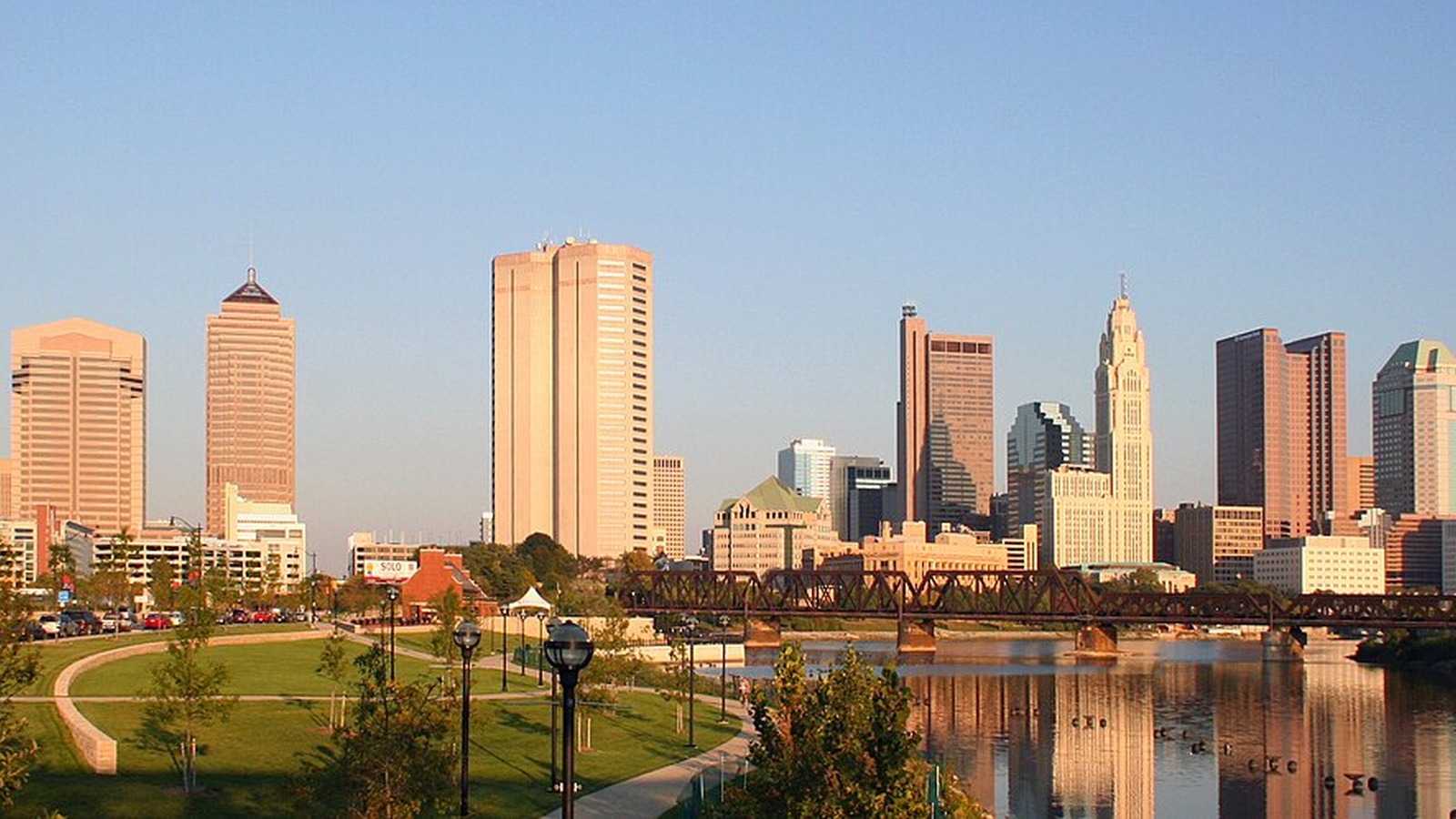
Photo: Tysto / Wikimedia Commons. Public domain. Cropped and resized.

Three clients can mean three different photography jobs
If three Ohio clients ask for event photography, I do not assume they are shopping for the same thing. A conference organizer, an employer arranging a team day and an association planning a dinner may need entirely different photographs. They may also use the word coverage to mean different things.
I would separate those needs before searching for a photographer. It makes portfolio review more useful and gives the photographer a real assignment to answer. For photographers looking for work in Ohio, it also gives you a better pitch than announcing that you photograph events of every kind.
This guide follows three hypothetical clients, then shows how I would compare the proposals. The Columbus, Cleveland and Cincinnati examples are not accounts of jobs I have photographed. They are practical scenarios. The regional examples later in the guide are hypothetical too, so no one mistakes a planning suggestion for a claim about an actual event.
Client one: a Columbus conference organizer
The first client is planning a conference in Columbus. They need a gallery for members and material for a future event announcement. The draft program includes a keynote, an exhibit area, workshops and an evening gathering. The request says full coverage, which is where I would start asking questions.
Does full coverage mean each workshop gets a complete sequence? Does the organizer need every speaker photographed? Are sponsor images part of the delivery? Which moments happen at the same time? Put the answers on the actual program so the proposed photographer can see the conflicts.
If the Greater Columbus Convention Center is the venue, use its current official site for facility information. Get the room assignments, credentials and event-specific access instructions from the organizer. A large facility can contain many different arrangements; its name does not describe this assignment's working conditions.
I would ask the client to identify the images they cannot do without. Perhaps an award is the main record the association needs. Perhaps the exhibit activity matters most to a sponsor. The photographer should know those priorities instead of treating every line of a long shot list as equally essential.
The client should also describe how the gallery will be used. A recap aimed at people who attended may need different context from an announcement aimed at people who have never seen the conference. Tell the photographer which audience the edit should serve, and discuss any separate selections explicitly.
The Columbus portfolio test
For this conference, I would ask for a comparable delivered gallery the photographer is allowed to share. I would look at the ordinary coverage between the most dramatic photographs. Does the gallery show speakers, audience, activity and useful context? Can somebody unfamiliar with the event follow it?
A stage-only portfolio is not enough if the assignment also includes workshops and an exhibit floor. A photographer may have relevant work in separate galleries, so ask rather than assuming. The goal is evidence for the proposed scope, not a test of whether every service appears in one perfect earlier job.
If the earlier event used a photography team, ask what this candidate covered when that matters to your choice. They should describe their role accurately. A coordinated team result can be valuable evidence, but the client needs to understand whether they are hiring the same kind of staffing plan.
The proposed coverage should identify parallel sessions. If one photographer is offered, ask what happens when essential moments overlap. If a team is offered, ask how the rooms and activities are divided and who assembles the final edit. Two cameras do not automatically produce a coordinated story.
For photographers pursuing Columbus conference jobs, answering those questions directly is part of the pitch. It shows that the proposal is based on the client's program rather than a standard paragraph with the city name changed.
Client two: a Cleveland employer bringing people together
The second client is organizing a company day in Cleveland. They want photographs of the meeting and a portrait of every employee attending. I would treat the portraits as a separate production inside the event, not a favor that happens whenever the photographer has a spare minute.
Ask how many people need portraits, what the pictures should look like and how they will be used. Matching an existing staff page is a different request from making environmental portraits in the office. Show the photographer the intended reference and discuss the available space.
The organizer needs a coordinator who can bring employees to the session and check names if named files are required. The photographer should not have to walk away from the setup to find the next person. Decide how missed time slots will be handled so the session does not silently displace the meeting coverage.
The schedule may need a dedicated portrait period. If portraits run while the main meeting continues, the photographer must explain how both are covered. One person stationed at a portrait setup cannot simultaneously record a presentation elsewhere. The client can adjust the program or consider another coverage arrangement.
I would want the deliverables separated on the proposal. What portrait output does each person receive? Is selection or retouching included? What belongs in the meeting gallery? Clear categories prevent the company from assuming the two types of work follow the same editing and delivery process.
The Cleveland portfolio test
For the portrait portion, compare a set of people. One impressive photograph does not show whether the photographer can produce a coherent staff series. Look at framing, backgrounds and the way the edit holds together across different subjects.
For the meeting portion, ask for actual event coverage. A portrait specialist may also do that work, but the portfolio should show it. The employer is choosing somebody for both tasks, not merely hoping one skill automatically proves the other.
Ask about any important difference from the examples. If the portfolio portraits used a larger space or a different lighting arrangement, can the proposed setup fit the available room? A thoughtful answer can explain the limits without promising an identical photograph under different conditions.
The client should confirm who approves the portrait look. If several departments have conflicting preferences, settle them before the session. A photographer cannot satisfy an unstated expectation that appears only after employees have returned to their normal work.
For photographers looking for Cleveland corporate assignments, present the two services clearly. A concise explanation of the workflow can help the buyer see how the day runs. Avoid broad claims about what every employer expects; answer what this employer actually requested.
Client three: a Cincinnati association dinner
The third client is planning a Cincinnati dinner with a reception, speeches and awards. The organizer needs a clear record of recipients and a gallery for members. The first question is how the stage program will make the required photographs possible.
Agree on where recipients stand with presenters and whether they pause. Identify a stage contact who can explain the sequence. If the award is immediately carried away or people turn in opposite directions, the photographer may not get the clean record the client imagined. A little program coordination can prevent that mismatch.
Give the photographer a checked list of recipients and names. If captions are requested, the organizer should provide and verify titles too. The photographer should not guess from an introduction heard over applause or a badge visible in one frame.
Decide whether table or group photographs are required. If they are, plan when and how they happen. Roaming reception coverage is not a dependable way to produce a posed record of every table. Assign somebody who can gather the relevant people while the photographer handles the frame.
The client should rank stage coverage against other requests. A sponsor may ask for a group photograph during a speech, but one person cannot be in both places. Name the organizer who can set the priority and approve changes instead of giving several people independent authority to direct the crew.
The Cincinnati portfolio test
I would look for a dinner gallery with speeches, reactions, groups and context, not only a room photograph before guests arrive. The client needs to see how the photographer works once the event is active and the lighting is whatever the room actually provides.
Ask what lighting or access was available in the earlier example. If your venue has restrictions, get the current rules from the operator or organizer. Do not assume that because a photographer has worked a similar dinner, every proposed piece of equipment is permitted at yours.
If the association has people who should not appear in photographs or material that requires restricted distribution, establish a practical instruction. The photographer does not need unnecessary private explanations. They do need a way to honor the boundary without guessing during a busy reception.
Photographers can show the value of a coherent edit here. A sequence connecting arrival, conversation, recognition and the room tells a more complete story than isolated highlights. Explain why the example is relevant and be honest about what it does not demonstrate.
The buyer should not demand confidential galleries to satisfy this check. Ask for another appropriate example or a permitted reference when necessary. Respect for a prior client's agreement is consistent with helping a new client evaluate the work.
Outside the three cities: use the address, not a statewide assumption
An Ohio photography search may produce candidates from several places. A job in Dayton, Toledo, Akron or elsewhere still needs an arrival plan tied to its actual address. Ask where the photographer is based and what travel the proposal includes.
If the assignment moves between locations, name every address and put the move on the program. Packing, access and setup are part of the transition. A map's drive estimate does not include all the work needed to stop photographing in one room and begin in another.
For an outdoor activity, decide who can move it and where the work goes if conditions are unsuitable. Check current conditions close to the date. Broad statements about Ohio weather are not enough to plan a particular portrait or reception.
A photographer unfamiliar with the venue can prepare honestly. Request the current program, room information and access instructions. Discuss a walkthrough when appropriate and possible. There is no need to invent local experience to demonstrate that you know how to prepare.
For clients, say where the plan has flexibility. A portrait may be movable, while a departing speaker is not. That information can help a photographer propose a sensible arrangement instead of declining a job based on an incomplete picture of the schedule.
Compare proposals by reading the assumptions
Send each candidate the same scope. Otherwise you may be comparing different assignments without realizing it. A proposal with a portrait session, two photographers and separate early delivery is not equivalent to a proposal for one photographer covering the main room.
I would check the date, addresses, coverage window, staffing and contact first. Then I would read the outputs: what files, what organization, what delivery method and what deadline? If an early selection is requested, it should be explicitly agreed rather than assumed during the event.
Usage language needs the same attention. Describe the actual intended uses and recipients, including partners, sponsors or advertising when relevant. Ask about unclear terms and seek qualified advice on significant contract questions for the applicable jurisdiction and circumstances.
Look for open dependencies. Are credentials still pending? Is the portrait room unconfirmed? Is a second address missing? A proposal can identify those honestly, but the assignment should not be treated as settled until the consequential details are resolved.
For photographers, explain exclusions in ordinary words. The goal is not to bury the client in conditions. It is to make sure both people understand what the plan does and does not cover. A clear limit gives the organizer a decision they can make.
The first message from a photographer should answer the job
If I were applying for event photography work in Ohio, I would choose a relevant gallery before writing a long introduction. Show the buyer evidence for their assignment, then answer the practical details they supplied. A general claim about experience does not replace that work.
State your service area accurately. It is fine to consider travel, but do not imply that every Ohio city is local to you. Ask for the address and schedule needed to assess the job. Avoid promises about availability, access or delivery that have not been checked for this assignment.
If the brief is unclear, ask the question that most affects the plan. For the Columbus conference, it might be simultaneous sessions. For the Cleveland company day, it might be portrait numbers. For the Cincinnati dinner, it might be the awards sequence. These are better openings than asking the client to repeat everything already written.
If ProShoot is the route you use, consult its current how-it-works page for its process. This guide does not guarantee platform functions or results. An introduction is the start of a working conversation, not a substitute for a relevant portfolio and an agreed assignment.
Finish with one version everybody can use
The final brief should be easier to scan than this article. Keep the current program, locations, priorities, access contact and delivery terms together. Mark material changes and ask the photographer to confirm them rather than assuming a revised detail was noticed in an old thread.
At delivery, name the recipient and explain what is complete. If there are separate selections, identify their purpose. If names or other information remain pending, state that directly. A link without context can leave the communications team doing work the handoff should have settled.
Collect feedback through one responsible contact and tie it to the scope. A caption error, a missing agreed photograph and a new request are different matters. Keeping them distinct helps the assignment end clearly for both sides.
That is how I would choose an event photographer in Ohio: start with the client's actual problem, inspect relevant work and agree on a plan that survives the schedule. For photographers, it is also how I would present the service. Show the work and make the next decision easier.
A decision test before choosing
I would ask each candidate to describe the photograph most at risk under the current program. The answer should relate to the assignment. It might be a portrait squeezed between sessions, an award during another activity or an exhibit interaction before the relevant people arrive. That conversation reveals where planning can improve the result.
The client can then decide whether to change the program or accept the coverage limit. Do not leave a known conflict unresolved and expect the photographer to make both outcomes happen through effort alone. A clear choice before the event is more useful than a disagreement afterward.
Photographers should ask the organizer which missing photograph would cause the biggest problem. Sometimes a brief gives every requested image equal weight, while the organizer privately cares most about one. Put that priority into the scope so it can guide decisions when several requests compete.
Finally, check the practical communication route. Who can reach the crew during the event? Who can authorize a change? Who receives the finished gallery if the original organizer is unavailable? A named alternate prevents a simple absence from becoming a handoff problem.
Those questions are not extra ceremony. They are how the buyer turns a promising portfolio into a defined commission and how the photographer avoids accepting an assignment built on assumptions neither person intended.
Sources checked November 6, 2026
Ready to hire a professional photographer?
Post your job free and get bids from photographers near you.
Post a Job Free →