Top Event Photographers in North Dakota
Write a North Dakota event photography brief for demonstrations, meetings, and participant coverage. Practical Bismarck and Fargo examples for clients and photographers.
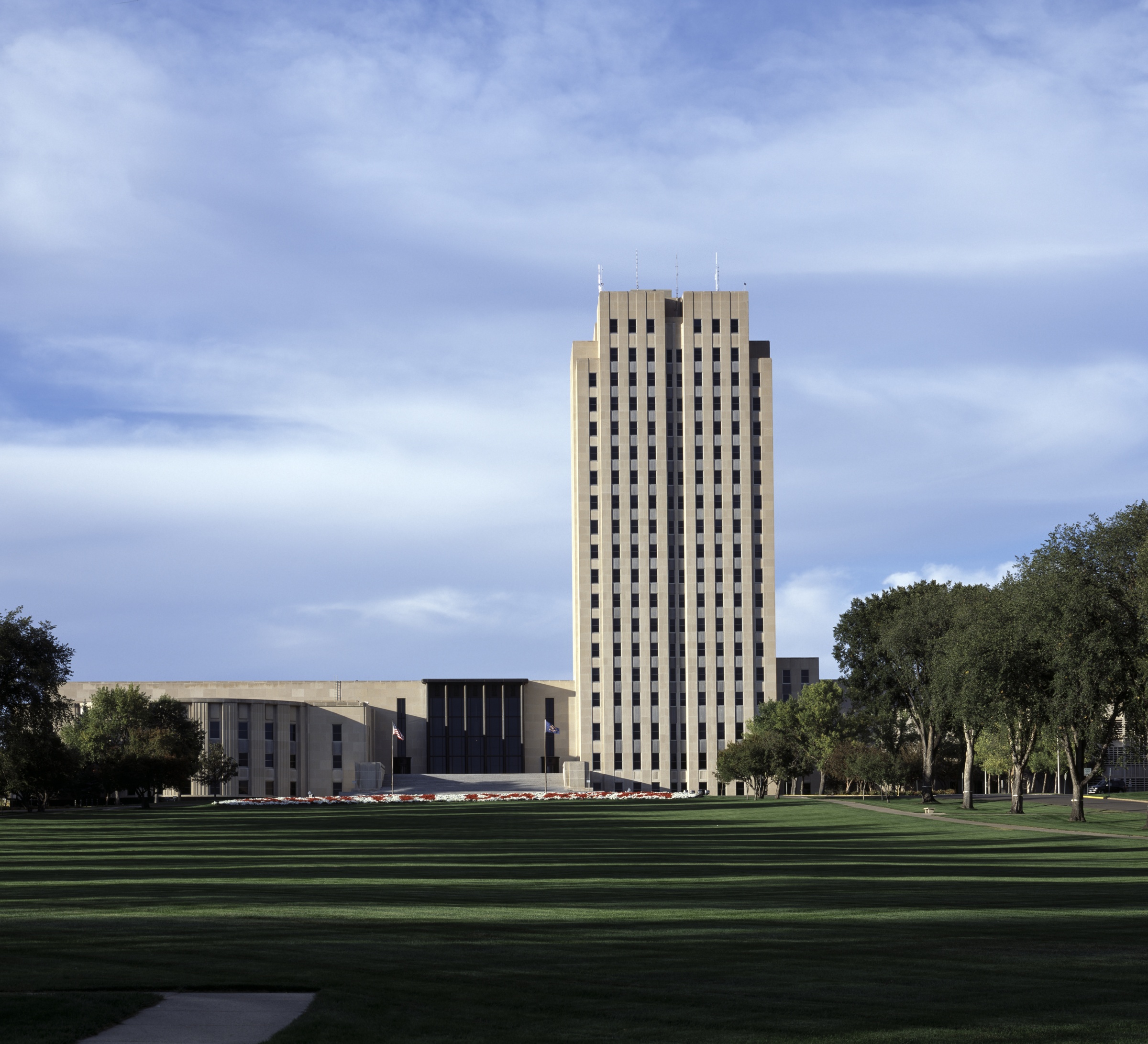
Photo: Carol M. Highsmith / Library of Congress, Prints and Photographs Division, LC-DIG-highsm-13277, between 1980 and 2006. Public domain. Cropped at the left edge to exclude visitors; resized.
If a client asks me to photograph a demonstration, my next question is what the picture needs to explain. The equipment, the person using it, and the audience reaction are different subjects. A photograph can include all three without making any of them clear. The brief needs a purpose before it needs a long shot list.
That is a useful starting point for North Dakota event photography. A Bismarck exhibition with demonstrations and a Fargo program using meeting rooms can need different kinds of coverage. I would compare photographers through their relevant work and the decisions they propose for the actual event.
This guide uses current facility information to build hypothetical planning examples. It is not a directory of named photographers, an open-job announcement, or an account of events I personally covered. The goal is to help organizers hire thoughtfully and help photographers respond without making generic promises about statewide work.
Bismarck example: show what people are doing, not only what is displayed
Bismarck Event Center's official Exhibit Hall page describes halls, meeting rooms, a lobby, and planning diagrams. It also lists named room categories. Those materials support a conversation about a booked event. They do not establish the organizer's final layout or a photographer's working permissions.
Imagine an exhibition where the client needs to show demonstrations and conversations at selected displays. I would ask which activities matter, when they happen, and who can introduce the photographer. A hall overview may establish context without showing the specific work the client needs documented.
The organizer should provide the actual exhibit assignments rather than assume the photographer can identify priority displays on arrival. A familiar organization name is not a location. A booth in a prominent position is not necessarily the one the client needs first.
Put demonstrations on the program
If a demonstration occurs at a particular time, add it to the coverage plan with a contact and a description. Is there a key step that cannot be repeated? Does the client need the demonstrator's face, the audience, or the result? Those questions affect where the photographer should stand.
If several activities happen together, identify the priority or discuss staffing. One person cannot provide complete records of simultaneous demonstrations in separate positions. A proposal should explain that clearly rather than hide it inside an offer to photograph the whole exhibition.
Ask what happens if the activity changes or runs late. The demonstrator or organizer needs a way to inform the crew. A printed time is useful only while it reflects the program. Keep one current instruction route rather than expect the photographer to monitor several unrelated conversations.
Decide how a demonstration can be used afterward
An exhibit may contain information or work that is not intended for unrestricted publication. Confirm the permitted content and intended uses with the commissioning organization. Public attendance does not automatically answer every image-rights question.
If a restricted moment should not be photographed, make the instruction recognizable. If photographs may be made privately but not released, identify the review route. The crew needs to know what to do, not simply receive a general warning that some content is sensitive.
Do not ask the photographer to guess whether a participant is authorized to approve a new use. Name the contact who may make that decision. This keeps a casual request at a display from becoming an unintended extension of the client's commission.
Empty displays and active displays serve different purposes
If the client needs clean documentation before attendees arrive, arrange a permitted window. The photographer can then address signage, layout, and detail. That is separate from making photographs of people participating later, and the program should account for both if both are required.
When interaction is the priority, tell the photographer what kind matters. A representative explaining a process is different from a visitor passing in front of a sign. A photograph should support the actual reporting need rather than merely prove that the hall was occupied.
I would review portfolio evidence for readable relationships among the display, people, and activity. Attractive object photographs can show one skill without demonstrating event observation. Ask for an authorized sequence that makes the interaction understandable across more than a single selected frame.
A Bismarck meeting attached to the exhibition needs a handoff
The operator's Exhibit Hall page includes meeting-room and lobby information. That can prompt an organizer to add a workshop or gathering, but its existence does not make it part of the photographer's original scope. Identify the booked room, time, and image purpose.
If the workshop overlaps an essential demonstration, choose how to cover it. A photographer cannot fulfill two complete simultaneous commitments by moving faster. A concise schedule with priorities is more useful than adding another line to an unrestricted shot list.
The lobby may be used for registration or greeting guests. Confirm its actual function before planning portraits there. A public description of a welcoming area is not permission to occupy it with equipment or stop participants moving through it.
Give participant recognition an owner
If selected people need to appear, assign someone who recognizes them. A photographer new to the group should not be expected to identify everyone from an unfamiliar name list. Introductions make observation more effective without turning every conversation into a formal pose.
If a group photograph is required, give it a confirmed time and gathering contact. Do not wait until the end and assume everyone remains available. The client's organizer can communicate the expectation before the photographer begins arranging people.
Describe whether the image should be formal or informal and what use it supports. A newsletter group and a consistent staff portrait series are not automatically the same assignment. The proposal should reflect the work actually needed.
Fargo example: meeting-room coverage is not arena coverage
FARGODOME's official Meetings & Gatherings page describes two levels of meeting rooms that can be used individually or in combinations. It lists presentation equipment for specific rooms and provides floor-plan material. It also cautions that capacity depends on production needs. This guide does not reproduce numerical capacities or room rates.
A meeting inquiry should identify the actual booked rooms and combinations. Do not assume that working in the property grants arena-floor or backstage access. The commission's location, credentials, and permissions need confirmation for the particular program.
For a hypothetical professional gathering, I would ask whether the client needs a main presentation, selected discussions, and a participant group. These may be compatible when sequenced well. They may also require a choice when they overlap.
A divided program needs a definition of complete
Some organizers want every session represented. Others need only a few examples plus the keynote. State that difference. A photographer's occasional visits should not later be presented as an uninterrupted record of all simultaneous rooms.
If an additional photographer is proposed, identify responsibilities and how the final work will be selected consistently. The client should understand who covers the essential presentation and who follows the smaller sessions. More people are useful only when the coverage plan is clear.
The proposal should also explain what happens when the room arrangement changes. A combined meeting area and separate rooms can create different positions and transitions. Work from the actual event diagram rather than infer the arrangement from the property's name.
Presentation equipment does not establish content permission
The operator lists projectors, screens, and sound equipment for meeting rooms. That information helps generate planning questions. It does not authorize an outside crew to adjust systems or establish that every displayed slide can be photographed for publication.
Ask the organizer to identify confidential material and the contact who can settle uncertainty. A session lead should know the agreed photography boundaries too. Otherwise the photographer can receive a restriction from one person and a conflicting request from another.
For the finished set, decide whether slides should be readable or simply provide background. The intended use matters. A client looking for speaker portraits and audience interaction may not need a complete visual transcription of a presentation.
Do not build a portrait station from a maximum-capacity figure
FARGODOME's production-dependent capacity warning is a reminder to use the approved setup. Staging, tables, audiovisual equipment, and circulation change available working space. A chart is not evidence that a backdrop and waiting group can fit where the photographer prefers.
Ask for an approved location, the proposed equipment footprint, and a schedule that protects the meeting. If the same photographer is expected to roam while portraits continue, expose the conflict. A fixed setup needs a realistic staffing or timing decision.
Identify the person who gathers participants and verifies names. Without that support, a portrait session can lose time searching for people rather than photographing them. The organizer's knowledge of the group is part of the production, not something a camera can replace.
Hire from complete evidence, not just attractive excerpts
For the Bismarck example, I would look for demonstrations, exhibit interaction, and a meeting handoff in relevant permitted work. For Fargo, I would examine session coverage and how required groups fit the program. The exact venue need not appear if the photographer can show comparable demands and prepare carefully.
A complete gallery answers questions a short portfolio cannot. Are the important subjects covered consistently? Can a viewer follow the event? Are less dramatic parts still useful? A single strong frame may demonstrate skill without proving the full service the client needs.
Ask what the applicant actually did on an example project. Someone may have covered exhibits as part of a larger crew. Credit that experience accurately instead of treating it as proof that they managed the main program and delivery as well.
References should describe behavior
A former client can help explain how the photographer handled a delayed session, absent participant, or new request. Ask for one relevant example and how the decision was communicated. You need evidence of judgment under changing conditions, not private information about attendees.
Ask which person and crew would attend the proposed assignment. If the work will be performed by someone other than the portfolio's main author, review the relevant evidence. A team can be a strong choice when roles and responsibility are visible.
Respect restrictions during review. If a gallery cannot be shared, ask for an authorized alternative. A photographer protecting another client's internal session is demonstrating a boundary that may matter to your own organization later.
Keep one working brief and one route for changes
List the actual location, program, essential subjects, intended uses, and approved coverage priorities. Add current maps and arrival instructions when confirmed. Distinguish an unknown detail from an assumption so the photographer does not follow a confident-looking instruction that nobody verified.
Read proposals for the differences in room coverage, staffing, portraits, selection, editing, delivery, and rights. Two offers can sound alike while including different work. The client should not discover after the event that a requested demonstration or group was outside the agreed service.
Name the person who can approve a change during the program. A request for another group or a separate display session may be reasonable while still displacing commissioned coverage. The photographer should explain that tradeoff to the authorized decision-maker.
Requirements belong to this booking
If insurance is required, obtain the current specifications and confirm that the proposed crew meets them. A marketplace presence does not prove a policy. Do not describe one venue's paperwork as a universal North Dakota rule.
Obtain the actual reporting point, equipment route, and permitted positions. An attendee ticket or a public building address may not supply working access. Familiarity with another event at the property should not replace the new organizer's instructions.
For a different property or another town, create its own location note. Do not fill travel and setup time from a statewide impression. The actual addresses and full program determine whether the assignment can be accepted responsibly.
Photographers: answer the problem hidden in the inquiry
A request mentioning Bismarck exhibits should prompt a question about demonstrations and reporting needs. A Fargo meeting request should prompt a question about the booked combinations and simultaneous sessions. Those questions are more useful than a generic assurance that every event will receive the same coverage.
ProShoot's published client process describes posting jobs, comparing bids and portfolios, and selecting a photographer. Its photographer process includes applying and presenting work. Use that exchange to define a real commission and show relevant evidence. A profile does not establish access or experience at every facility.
Check availability against arrival, setup, coverage, and any additional function. State unresolved conditions honestly. If the brief depends on a portrait room or permission, identify that dependency rather than promise a result that cannot yet be planned.
This guide does not infer job availability from agriculture, energy, festivals, sports, or seasonal demand. An opportunity needs an actual commissioning contact and current scope. Accurate applications do more for trust than broad claims about where work must exist.
Finish with files that explain the event
Ask how the recipient will use the final set. Demonstrations, meetings, exhibits, and groups may be easier to navigate as separate collections. A client should not have to reconstruct the program from a pile of repetitive images or guess which files are approved for public use.
If captions or identities are part of the service, assign a source and reviewer. The photographer should not invent titles or outcomes from what appears in an image. The organizer needs to verify the facts and provide a route for corrections.
Agree on delivery and any earlier selection separately. A request for images during the program can affect ongoing coverage and review. Describe that workflow explicitly rather than let a quick favor become an undefined parallel service.
Clarify uses, portfolio permission, and actual file-access terms. Internal delivery does not automatically approve public promotion. A clean finish tells the client which files are ready, which await approval, and how material changes from the program affected the record.
Before delivery, reconcile the gallery with the agreed essentials. If a demonstration was canceled or a required participant never arrived, explain that fact rather than leave the client searching for a missing photograph.
Choose the plan that makes the important activity visible
Bismarck's demonstration example and Fargo's meeting example need different questions. One centers on what an activity should explain. The other centers on coverage across room combinations and concurrent sessions. Both benefit from a photographer who can show relevant complete work and make practical choices visible.
Whether you are hiring through ProShoot or applying there, define the real story and the people who need it. That gives the photographs a purpose before the event begins and gives both sides a clearer way to judge the result afterward.
Put the demonstration and meeting handoff into one sentence
Ask the organizer to describe when the photographer stops following the exhibit activity and begins the meeting assignment. The answer should name an actual program point and who communicates a change. A break in the public schedule may look available while the exhibition team still expects essential pictures.
If a demonstration runs late, the crew needs a priority decision rather than an instruction to somehow cover both. The meeting may need uninterrupted attention; the exhibition may allow an approved return. Those facts must come from the actual program and responsible people, not a guess about which activity looks more important.
A clear handoff can be short. It should identify the required record before the switch, the duty afterward, and the contact who decides if they collide. This gives the photographer room to observe without leaving two teams believing they own the same moment. It also makes delivery easier to review, because an authorized change can be explained against a shared assignment instead of reconstructed from competing recollections.
Sources checked November 6, 2026
- https://bismarckeventcenter.com/host-an-event/buildings/exhibit-hall/
- https://www.fargodome.com/meetings-gatherings
- https://proshoot.io/how-it-works/
Ready to hire a professional photographer?
Post your job free and get bids from photographers near you.
Post a Job Free →