Top Event Photographers in New York
Hiring guidance and photography job advice for New York clients and photographers.
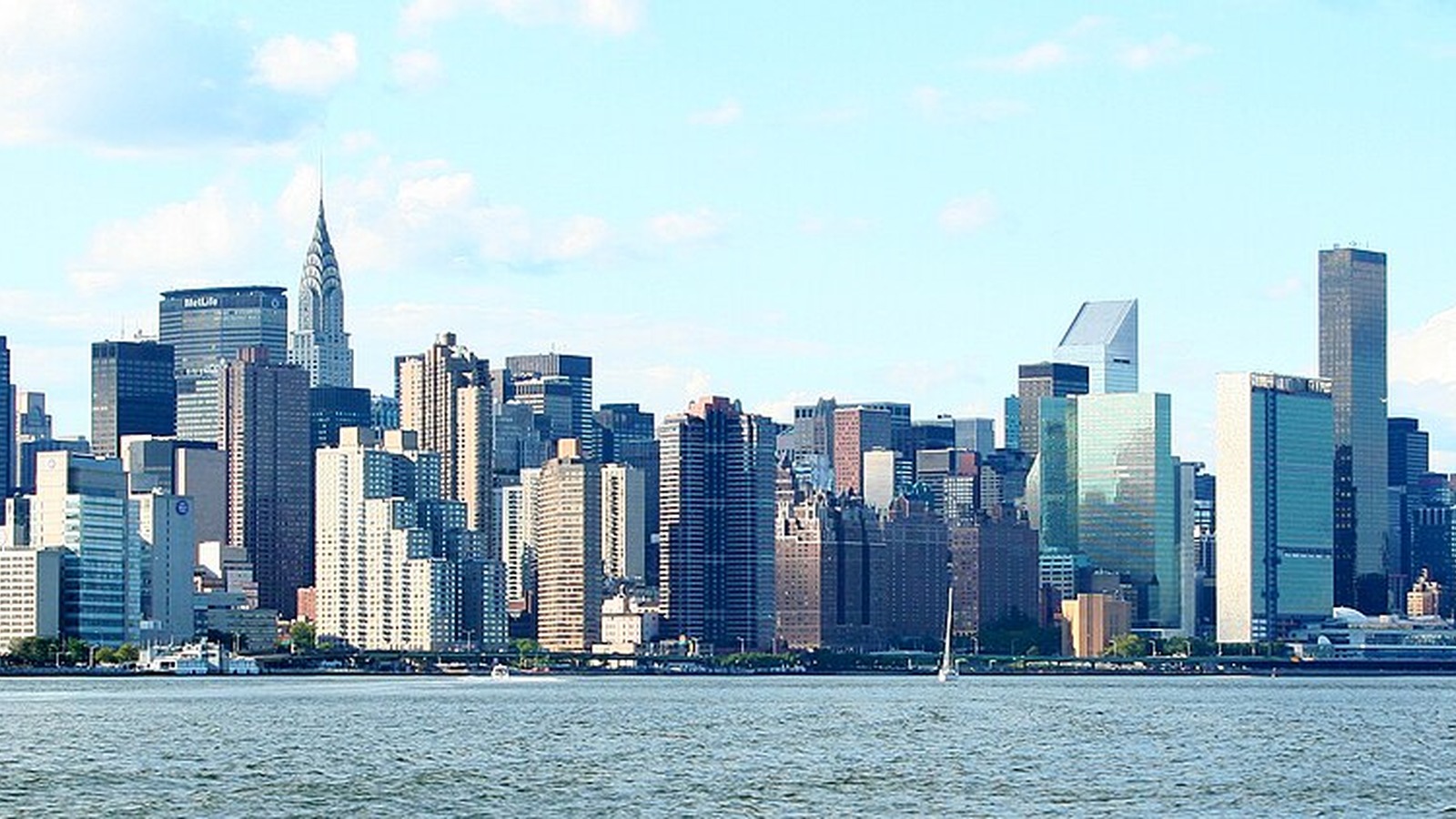
Photo: Peter Zoon from Castricum, The Netherlands / Wikimedia Commons. CC BY 2.0. Cropped and resized.

Think about the edit before the event
When somebody hires an event photographer, they are really commissioning an edit they cannot see yet. The event happens once. The gallery is what the communications team, the guests or the organizer has afterward. I would work backward from that gallery when hiring an event photographer in New York.
What should a person understand after looking at the photographs? Who was there? What did the organization do? Why did the meeting matter to the people in the room? Those questions give the photographer direction without asking the client to become a photography director.
New York also needs a location attached to it. A Manhattan reception, a Brooklyn workshop, an Albany meeting and a Buffalo company event do not share one arrival plan. Below, I use hypothetical assignments around the state to explain how I would commission the pictures. They are examples, not stories about clients or events I have personally photographed.
The opening picture: what establishes your event?
For a hypothetical Manhattan conference, the obvious establishing photograph might be the room with the stage and audience. But the useful opening could be something else: people arriving, an interaction at a demonstration or a speaker being greeted by the organizer. Ask what the image needs to communicate before deciding where the photographer should stand.
I would tell the photographer how the pictures will be used. A member recap might need context and recognizable people. A future event announcement might need a composition that works with text. An internal report might need evidence of specific activities. These are different editorial needs, even when they come from the same day.
If a client asks for an empty room, schedule it before people enter and confirm when the space will be ready. The published program rarely tells you when signs, seating and lighting are finished. The photographer needs a current instruction from the event team, not an assumption based on the guest arrival time.
For photographers, show the buyer how you establish an event across a small sequence. Do not rely on a single room photograph to carry the whole story. A useful portfolio can show the exterior or entrance when appropriate, the room in use and the people whose activity gives the space meaning.
The human picture: give names a process
If the organizer needs specific people photographed, identify them in a way the photographer can use. A name on a list does not explain what somebody looks like or where they will be. Ask an authorized organizer to provide a permitted reference or make introductions on the day.
For a hypothetical Manhattan leadership gathering, I would separate required portraits from general candid coverage. The chief executive with the board might need a deliberate arrangement. Informal conversations can be photographed as they happen. Asking a roaming photographer to produce a particular group by chance is an unreliable plan.
Put the group photograph on the program. Name the person who gathers the participants and confirms that everyone is present. The photographer can arrange the frame, but finding people across separate meetings should not silently become their only job during a break.
Caption information needs similar care. Who checks names, titles and affiliations? If photographs will be distributed with captions, establish a source before delivery. Never ask a photographer to infer a name from a partially visible badge or identify a person from a vague description in a late message.
Clients can assess this workflow in a planning call. Photographers can explain how they keep the assignment organized without sharing private information from earlier clients. The useful evidence is the method and the relevant work, not somebody else's attendee list.
The activity picture: a Brooklyn workshop should show the work
Imagine a private workshop in Brooklyn where participants make or test something. The brief should tell the photographer what activity matters. Otherwise a gallery can fill with people looking down at tables without explaining what they are doing.
Ask the organizer to identify moments that demonstrate the process: an explanation, hands using a material, a finished result or a participant's reaction. Those are suggested storytelling opportunities, not instructions to stage a false activity. The photographs should describe what actually happens.
Check what may be shown. Screens, documents, prototypes and personal material may be outside the intended scope. A photographer being invited into the room is not blanket permission to distribute every visible detail. Give the crew a clear boundary and a contact who can answer a question during coverage.
If the workshop has several stations, decide whether they need equal attention. A few brief visits may be enough for a recap. A detailed record of each station may require more coverage or a different team. Explain the desired output rather than asking the photographer to guess from the number of participants.
For photographers seeking this work, show a sequence that makes an unfamiliar activity understandable. Include context as well as details. A client should be able to imagine how their workshop would be explained, without assuming a tight close-up proves coverage of the entire program.
The stage picture: access is part of the commission
A conference stage can be visually simple and operationally complicated. Ask where the photographer may work, whether movement is restricted and who controls access. If credentials are needed, identify who arranges them. Do not treat a general event ticket as a photography agreement.
For an event at the Javits Center, the facility's official website is a source for current building information. This assignment's room, program and credentials must come from the organizer or other party controlling them. The name of the venue does not settle the rules for every event inside it.
If the client needs a photograph of every panelist, mark that priority. Ask whether sightlines, lecterns or screens create issues the photographer should know about. A floor plan and a permitted view of the stage setup can be more useful than a vague assurance that there will be room.
Portfolio evidence should resemble the assignment's conditions. A dramatic performance photograph does not answer every question about a corporate panel. A photographer can show a relevant gallery and explain any difference in access or lighting. The client should judge the work against what was actually possible and requested.
I would also ask what happens immediately after the stage session. If a group portrait is scheduled in another room, the photographer may need time to move or prepare. The program should recognize that transition rather than treating the camera as though it appears wherever somebody needs it.
The conversation picture: photograph the room without taking it over
For a hypothetical reception in Queens, the client might want an informal record rather than a series of posed groups. Say that. A photographer can work with the room's rhythm, but the organizer needs to distinguish candid coverage from a promise to photograph every guest.
If particular introductions matter, give the photographer a contact who knows when they will happen. Do not expect them to recognize a business relationship from across the room. A brief explanation of priorities helps without turning the reception into a directed production.
Think about where photographs will be used. A small internal album and a public promotional campaign may require different conversations about permissions and distribution. Ask the commissioning parties to settle those terms. Do not assume that attendance alone resolves every use question.
Look through a reception portfolio for usable expressions and context. A gallery should have room to breathe. If every frame is a posed smile against the same wall, it may not answer a request for documentary coverage. If nothing is posed, it may not answer a requirement for named groups either.
For photographers, explain the balance you propose. You can offer a short organized group session and roaming coverage if the schedule supports both. The important thing is that the buyer understands which result comes from planning and which depends on the natural flow of the event.
The location picture: separate New York City from the rest of the state
A statewide guide should not pretend the entire assignment map ends at New York City. An Albany association meeting, a Rochester training program and a Buffalo awards event each deserve a proposal tied to their actual location. Ask where the photographer is based and what travel the plan assumes.
For a hypothetical Albany meeting, the organizer might value familiarity with a similar program more than a particular portfolio style. For a Rochester training day, the challenge might be documenting several activities without interrupting them. For a Buffalo dinner, it might be a clear record of an awards sequence. Those are assignment questions, not rankings of cities.
A client can make the search more useful by supplying an exact address and schedule at the start. "Upstate" is not enough to assess arrival or travel. If the photographer must move between locations, list each one and identify where the coverage stops and resumes.
Photographers should describe their service area without pretending to be local everywhere. It is fine to consider a trip. It is misleading to imply that travel and access have already been settled when they have not. Ask the questions needed to decide whether the proposed day is workable.
If travel arrangements are part of the agreement, spell out the responsibilities and what happens if the date changes. Significant contract questions should be reviewed with qualified advice for the applicable jurisdiction and circumstances. A city list in a profile does not replace those terms.
The missing picture: ask about simultaneous moments
The most important photograph to discuss may be the one the proposed plan cannot cover. Put all fixed moments on one timeline. If two essential activities happen in separate rooms, one photographer has a conflict. Make the decision visible before the event.
A client can choose a priority, adjust the schedule or consider additional coverage. The right answer depends on what the gallery must contain. A photographer should explain the limits of the plan instead of promising complete coverage with no definition of complete.
For a multi-room conference, ask how a proposed team divides the work. Who covers the stage? Who follows the exhibit activity? Who handles an unplanned portrait request? A second camera alone does not create a coordinated assignment. The organizer should understand the roles and who delivers the combined gallery.
This is also a portfolio question. If a photographer presents work from a team assignment, ask what they personally covered when that distinction matters. They can describe their role honestly without diminishing the result. Clients need accurate evidence of the work they are hiring someone to do.
For photographers looking for New York event jobs, a sensible response to a schedule conflict can distinguish your proposal. It shows that you read the program and understand the consequences. A broad promise to be everywhere gives the organizer less information, not more.
The delivery picture: make the folder useful
Before agreeing to an assignment, name the delivery recipient and the promised outputs. State the file format, delivery method and deadline. If there is an early selection and a later complete gallery, define both. Avoid leaving that distinction to an informal request during the event.
Ask how the images will be organized. A large conference might need sessions separated. A company portrait assignment might need files matched to names. A small reception might be easier as one coherent edit. The structure should serve the intended user rather than reflect an unexplained default.
Rights and access deserve plain language. Identify the client's planned uses and any other recipients, including sponsors or partners. Seek appropriate contract advice where needed. Do not assume an organizer can pass the entire gallery to every person who asks without checking the agreement.
For photographers, include a concise handoff note. Tell the client which delivery is complete and what each selection contains. State anything still pending directly. A link arriving without explanation can create unnecessary work for the person trying to use the images.
For clients, consolidate feedback through one person and refer to the agreed scope. An incorrect name, a missing requested image and a new preference are different issues. Keeping them separate helps the photographer respond and makes it easier to know when the assignment is finished.
How a photographer can make the first reply worth reading
If I were responding to a New York event photography lead, I would begin with the event rather than myself. Address the date, place and kind of coverage. Then show one relevant gallery and ask the unresolved question that most affects the plan.
A client organizing portraits does not need to dig through a performance portfolio to discover whether you can make a consistent set. A client organizing a conference does not need only one striking portrait. Arrange the evidence around the buyer's assignment so they can make a useful comparison.
Be specific without inventing experience. If you have not worked in the venue, describe how you would prepare. Request access instructions, the room plan and the current program. You can demonstrate judgment without claiming a history that does not exist.
Check ProShoot's current how-it-works page if that is the route you use to connect. This article makes no promise about platform features, availability or results. The quality of the brief and the relevance of the photographer's answer still matter after the introduction.
Hire for the whole edit
I would choose the photographer whose relevant work and proposed method fit the assignment, not the person with the longest list of services. That means understanding the photographs the client needs and the plan that makes them possible.
Before the date, confirm the current program, access contact and delivery terms. Keep material changes in one current brief. When the event ends, the photographer and organizer should know what remains to be delivered and who can answer a question.
That is a practical way to hire an event photographer in New York. For photographers looking for work, it is also a practical way to present yourself: show the pictures, explain the work and be honest about the limits. The gallery has to make sense after the event is gone.
A short test for the final selection
Take the photograph you most need and ask each candidate how it fits into the proposed day. If it is a leadership portrait between sessions, who gathers the people and where will the setup be? If it is a sponsor interaction, when does that activity happen and who can identify it? The answers should connect the desired image to an actual plan.
Then ask about the least repeatable part of the event. A room view can sometimes be made again. A departing speaker or an award recipient may not be available later. Agree on the priority before competing requests arrive. The photographer should not discover the organizer's priorities by guessing which missed image would be most upsetting.
I would also review what happens if the program changes substantially. Who approves revised coverage? How does the photographer hear about a different room or finish time? A workable change process is better than a vague expectation that everyone will simply adapt without discussing consequences.
Finally, make a fair comparison. Give candidates the same information and read the assumptions in each proposal. A plan for sequential sessions and one for simultaneous coverage are not equivalent. Understanding that difference helps the client choose deliberately and gives the photographer a clear assignment to accept or decline.
The useful outcome is agreement, not reassurance. Both parties should be able to explain what will happen without relying on a memory of a casual conversation. That is the standard I would apply before trusting any portfolio headline.
Sources checked November 6, 2026
Ready to hire a professional photographer?
Post your job free and get bids from photographers near you.
Post a Job Free →