Top Event Photographers in New Jersey
Hiring guidance and photography job advice for New Jersey clients and photographers.
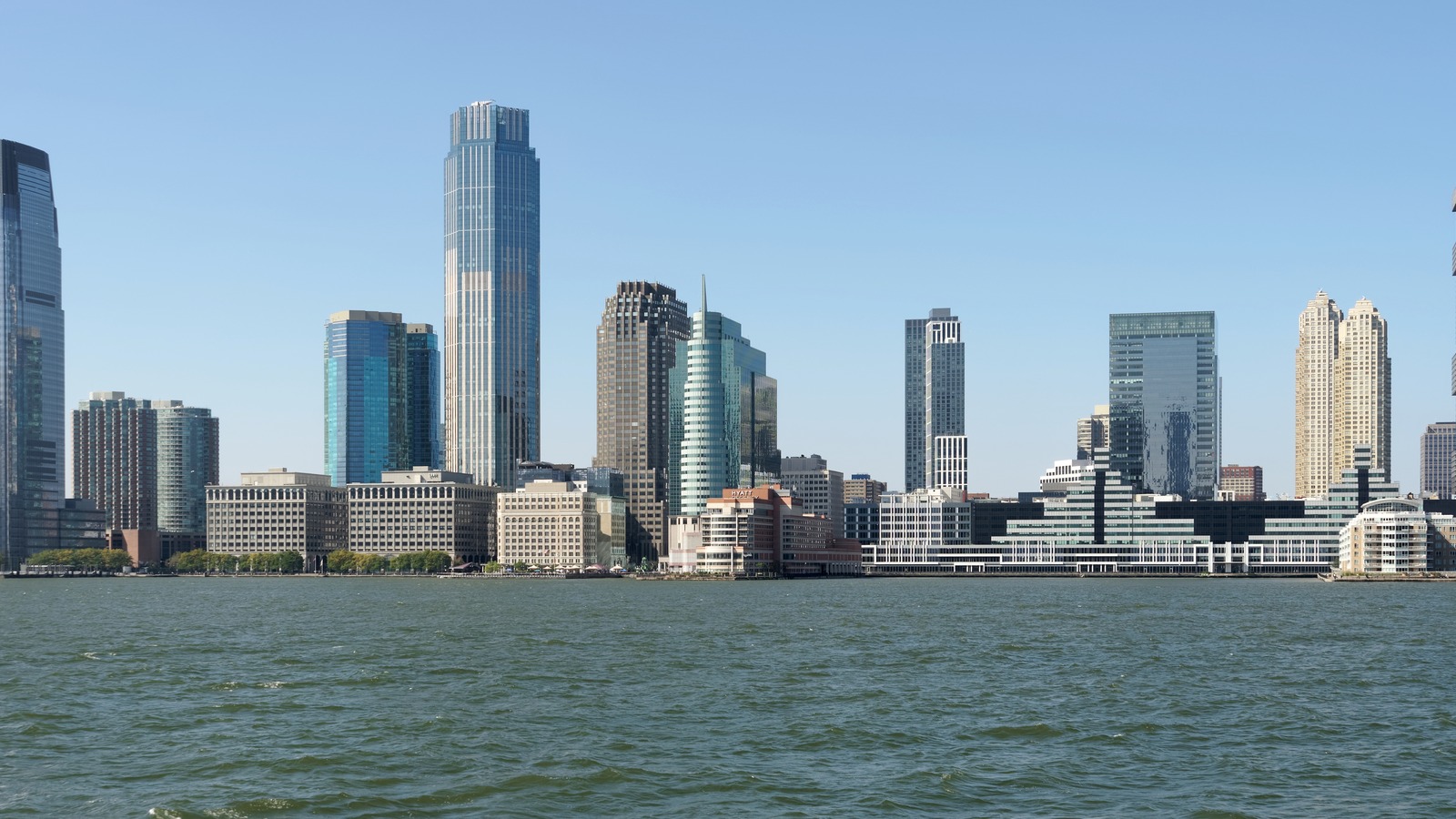
Photo: Jakub Hałun / Wikimedia Commons. CC BY-SA 4.0. Cropped and resized.

A two-address brief is where I would begin
A New Jersey event can look compact in an invitation and much larger in the photographer's schedule. There may be a meeting at one address, portraits at another and a reception that begins before the meeting team has finished packing. I would not hire against the invitation alone.
I would ask for a route through the assignment. Where does photography begin? Where does it end? What needs to happen between those points? That is useful whether the client is organizing a single reception or a company program with several locations.
This guide uses hypothetical New Jersey scenarios to explain how I would plan and evaluate event photography. They include a Jersey City company gathering, a Newark program, an Atlantic City convention and regional assignments. These are examples, not claims of personal jobs or existing events. For photographers looking for work, they also show how to respond with something more relevant than a generic service list.
Jersey City: write the handoff between meeting and reception
Imagine a company holds a daytime meeting in Jersey City and an evening reception elsewhere. The organizer wants photographs of both, plus a leadership group at the end of the meeting. I would put the addresses and exact coverage expectations next to each other before asking for a proposal.
The important gap is between the final photograph at the first address and the first required photograph at the second. Packing equipment, reaching transport, arriving, entering and preparing are all part of that move. A travel estimate alone does not represent the whole transition.
Ask whether the leadership group can be photographed earlier. If it must happen at the end, identify who gathers the people and how long the group is expected to take. The photographer cannot leave on schedule if the participants are still being found across several rooms.
The reception may require different equipment or preparation. Tell the photographer whether the opening includes a speech or another fixed moment. If it does, discuss the plan honestly. The client can adjust timing, accept a gap or consider a different staffing arrangement. Pretending there is no transition does not solve it.
For photographers, make your assumptions visible. If the proposal depends on the meeting ending at a certain time, say so. If a separate crew member is proposed at the reception, explain that person's role and how the final gallery will be coordinated. The buyer should understand the method, not only the promise.
A cross-river description needs precise geography
A client may describe an assignment in terms of the broader New York area. That is not enough for a New Jersey photography proposal. Ask which parts actually occur in New Jersey and whether any part is elsewhere. Every address matters to scheduling, access and the agreement.
Do not assume transport arrangements. Is the photographer moving independently? Is there event transport they are permitted to use with equipment? Who confirms that permission? A guest transport plan may not accommodate a working crew's needs or departure time.
If the client expects a photographer to cover an activity during transit, describe it as coverage rather than an empty travel block. A photographer documenting people on a vehicle has different practical considerations from one who is simply moving equipment to the next location. Discuss what is appropriate and permitted.
For portfolio evaluation, relevant experience may include a well-covered moving program, but the photographer should explain the earlier circumstances. Another client's route does not prove this route works. Use the example to assess judgment, then verify the actual plan for the current addresses and date.
Newark: the program has a public face and a working side
Consider a hypothetical Newark organization hosting a presentation and a private reception. The public program may be straightforward, while the working assignment includes setup photographs, staff portraits or a small selection for a communications team. Ask the organizer to describe both sides.
Who authorizes access before the doors open? When will the room be ready? Is the photographer expected to photograph staff while they are preparing the event? The crew needs to know what activity is part of the brief and what would interfere with other workers.
If there is a stage program, obtain the current rules about positions, movement and additional lighting. A ticket or general entry instruction does not settle photography access. Get the answer from the event team or operator controlling the space.
The private reception may have different restrictions from the public presentation. Ask whether the same photographs can be distributed to the same audiences. A client should not assume that because one part of the program is public, every conversation afterward is intended for promotion.
Photographers can show good judgment by asking for those boundaries in advance. The purpose is not to make the organizer nervous about ordinary coverage. It is to prevent the crew from guessing about a distinction the client already knows but has not yet explained.
What I would inspect in a Newark gallery
I would ask for a comparable delivered gallery that can be shared with permission. Look for a coherent account of the program rather than a page of unrelated favorite photographs. Does the edit include context, people and the activity the client would need to explain afterward?
Read the ordinary frames. Can you see expressions clearly? Are speakers and listeners both represented when that was part of the earlier brief? Does the reception coverage have useful variety? A strong opening image does not answer every question about the rest of the assignment.
Ask the photographer what they were asked to deliver and what restrictions applied. That gives the portfolio a fair context. A gallery made without permission for additional lighting should not be judged as though it came from a controlled portrait setup.
If the assignment includes confidential material, the candidate may not be able to share a particular gallery. Ask for another appropriate example or a permitted reference. The goal is enough relevant evidence to choose, not unrestricted access to a previous client's files.
Atlantic City: plan the convention as a set of rooms
For a hypothetical Atlantic City convention, I would begin with the current room plan and program. The Atlantic City Convention Center's official information can help establish the facility. The organizer still needs to supply this event's credentials, entrances and working instructions.
List the activities that require dedicated coverage. A keynote, an exhibit demonstration and a sponsor gathering may overlap. Decide whether the client needs a complete record of each or a representative story. The answer affects staffing and cannot be inferred from the event's title.
If a team is proposed, ask who covers which activity. Who responds to a requested group? Who handles a sudden room change? Who assembles the final edit? A coordinated plan matters more than simply counting cameras.
Sponsor requests need definition too. Does the organizer need photographs of a display, people engaging with it or a portrait of the sponsor's representatives? Say what the pictures should demonstrate. Do not ask the photographer to make an area look busy if the activity does not support that account.
For photographers looking for convention work, show a gallery that demonstrates movement between different parts of a program. Explain your role accurately if the example involved a team. A buyer should be able to see how the proposed service relates to work you actually did.
Princeton and New Brunswick: a professional workshop needs a boundary
Imagine a private workshop in Princeton or New Brunswick. Participants are discussing material that may include screens, documents or unfinished work. The organizer wants photographs of participation but not unrestricted distribution of everything visible in the room.
Ask which content is approved and who can answer a question during coverage. The photographer needs an operational boundary, not a vague warning to be careful. If certain stations or materials are outside the scope, mark them clearly in the working brief.
Also identify the meaningful activity. Does the client want a record of a demonstration, small-group discussion or a finished result? Those directions help the photographer explain the workshop without interrupting it or fabricating a process for the camera.
If captions require technical accuracy, nominate an authorized person to check the information. A photographer should not guess what a device or document represents. The organizer supplies the facts; the photographer makes the visual record under the agreed scope.
For a relevant portfolio, I would look at a process sequence. Does it connect details to people and context? Can an unfamiliar viewer understand what is happening? A close-up alone is not enough evidence of a complete workshop story, even if it is a good photograph.
Parsippany or Morristown: portraits need their own appointment
For a hypothetical company gathering in Parsippany or Morristown, employee portraits may be the most important deliverable. Treat them that way. Do not hide them inside a broad request for event photographs and hope they fit around the meeting.
Ask how many people need portraits, whether the result must match an existing set and what space is available. Show the photographer the actual reference. Discuss what can be reproduced under the proposed conditions rather than expecting an identical result from a different room.
The client should assign someone to manage the queue and verify names. If filenames must identify employees, decide how that information is recorded and checked. A photographer directing a portrait should not also be searching the event for the next subject.
State the output for each participant and any agreed selection or retouching. Separate the portrait delivery from the general event gallery. The company should know what each folder is for and who receives access.
Photographers can support this proposal with a consistent set of portraits. The buyer needs to see repeatability across people, not only one impressive face in dramatic light. Explain the setup, the organizer's role and how the session closes so the next part of the event can begin.
The Shore: the alternative location must exist
A hypothetical Shore event may include an outdoor reception or group photograph. I would ask for the exact place, the current permission requirements and a decision-maker for changing the plan. An attractive location is not enough to establish that the proposed activity and equipment are permitted.
Check current weather and operator instructions near the date. A broad description of New Jersey seasons is not a forecast. Decide who can move the program and how the photographer receives that instruction.
The indoor option needs enough room for the planned photograph. If the alternative is smaller or has a different background, the arrangement may need to change. Give the photographer time to assess it. A contingency that is discovered only after guests line up is not much help.
If the assignment includes travel or accommodation, state who arranges it and how date changes affect the agreement. Consequential terms should not remain an informal understanding. Seek qualified advice when the contract questions warrant it under the applicable jurisdiction and circumstances.
For photographers, show the buyer how you prepare for uncertainty without guaranteeing a particular environment. A realistic fallback plan is a stronger answer than claiming that conditions never affect your work.
Compare the plan before comparing the presentation
A polished proposal can still leave the job unclear. I would first verify the date, addresses, coverage window, staffing and responsible contact. Then I would read the deliverables: what arrives, in what format, by which method and on what deadline?
If an early selection is requested, define it separately from the complete gallery. Do not assume event-time editing is part of ordinary coverage. The photographer needs to explain how that work fits the staffing and schedule.
Image use should describe the actual audiences and purposes. Internal distribution, public promotion, sponsor access and advertising may require different terms. Discuss them and obtain qualified advice for significant rights questions rather than relying on an undefined phrase in a proposal.
Check the open assumptions. Is a room still pending? Is access unconfirmed? Does the proposal depend on a portrait moving earlier? Name those dependencies and settle the consequential ones before accepting the assignment.
Give each candidate the same current brief. A one-person plan for sequential sessions and a team plan for simultaneous activity are not identical offers. Understanding the difference lets the client choose deliberately rather than comparing headings that conceal different jobs.
For photographers: make the reply local to the assignment
Finding event photography jobs in New Jersey does not require pretending every town is your home base. State where you work from and ask for the details needed to assess travel. A statewide profile is not a promise that every schedule is possible.
Choose work that matches the lead. Show a convention sequence for a convention, a portrait set for a company portrait day and an activity story for a workshop. Make the relevant evidence easy to find before describing the rest of your services.
Ask about the issue the brief actually raises. A two-address program needs a transition plan. A private workshop needs content boundaries. An awards dinner needs a stage sequence. Those questions show more preparation than a generic claim about attention to detail.
Use ProShoot's current how-it-works page to understand the platform process if that is where the conversation starts. This article does not guarantee platform functions, available photographers or a particular outcome. The introduction still needs a clear agreement between the client and the person doing the work.
End with an understandable handoff
Before the date, keep one current brief with the program, locations, priorities, access instructions and responsible contact. Make material changes visible and confirm them. Do not expect a crew to notice a new address buried in an old message chain.
At delivery, the recipient should know what is complete and what each selection is for. If information remains pending, state it directly. A client should not need to inspect every folder to discover whether the promised work has arrived.
Collect feedback through one contact and tie it to the scope. A caption error, a missing agreed item and a new request deserve different responses. Keeping them distinct gives the assignment a fair conclusion.
That is the standard I would use for a New Jersey event photographer: relevant evidence, a route through the day and a final delivery that makes sense to its recipient. For photographers, that is also a service worth making visible before the client chooses.
Try the plan against one late change
Before the final decision, ask how the proposal would handle a realistic change. The meeting runs later, a portrait participant becomes unavailable or the reception entrance changes. The photographer does not need to predict every outcome. They should be able to explain who they would contact and which part of the plan is affected.
The organizer needs a corresponding answer. Who has authority to choose between competing requests? Who can approve revised coverage? If the original hiring contact is presenting onstage, name an alternate. A plan depending on one unreachable person can leave the crew guessing at exactly the wrong moment.
Photographers can ask which image the client most needs to protect if the schedule compresses. Write the answer into the priorities. It may be a specific group or a one-time presentation, not the most visually dramatic activity. That information lets the crew make a decision based on the client's purpose rather than its own guess.
Finally, confirm the handoff recipient before the event ends. If another colleague takes over, make the intended access clear. A useful gallery should not sit unnoticed because everybody assumes somebody else received the link. The last part of the route matters as much as the first address.
Sources checked November 6, 2026
Ready to hire a professional photographer?
Post your job free and get bids from photographers near you.
Post a Job Free →