Top Event Photographers in Nevada
Compare Nevada event photographers for Las Vegas conventions and Reno-Sparks exhibitions with a brief that defines access, image uses, and priorities.
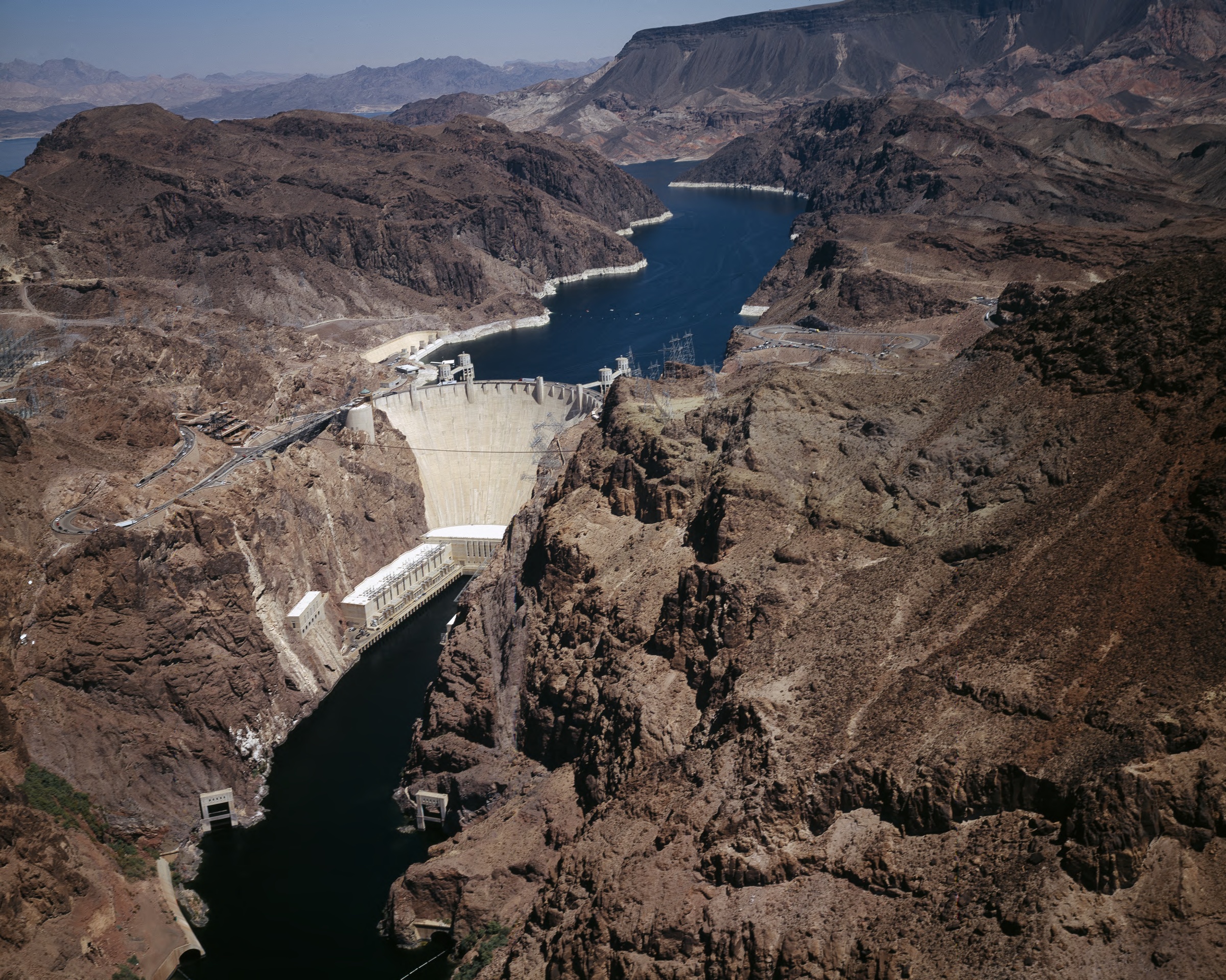
Photo: Carol M. Highsmith / Library of Congress, Prints and Photographs Division, LC-DIG-highsm-12141, between 1980 and 2006. Public domain. Resized; no crop.
A Nevada photographer inquiry should not begin and end with the words trade show. A company documenting its own exhibit has a different assignment from an organizer recording a whole program. A presenter who needs a keynote sequence has another job again. I would ask who commissioned the pictures and what they need before discussing a shortlist.
This guide uses current published information from the Las Vegas Convention and Visitors Authority and Visit Reno Tahoe for its local references. The hypothetical planning exercises below are examples of how I would work through a brief. They are not reports of jobs I photographed or evidence that a public event is hiring.
I am not naming a best photographer for the whole state. That decision requires available people and complete work relevant to a particular program. What follows is a way to separate three commissions that can look similar in a search result but need different evidence and instructions.
Commission one: the Las Vegas exhibitor
Imagine a company that wants photographs of its display, a product demonstration, and selected customer conversations. I would begin by asking whether the photographs are for internal reporting, public announcements, partners, or advertising. The answer affects which people and information can appear and how the images are approved.
Then I would identify the display's actual location, the permitted work window, and the person who can introduce the photographer to required participants. A hall name is useful, but it does not identify a booth or explain the relationship between two people talking nearby. The client needs to supply that knowledge.
The photographs should answer the company's purpose. A clean display record may show design and branding. An active demonstration may show how someone uses a product. A customer conversation may show participation or a relationship. These are separate requests, not interchangeable versions of one generic trade-show photograph.
What the renovated convention campus changes
The Las Vegas Convention and Visitors Authority announced completion of the Las Vegas Convention Center's legacy-campus renovation in January 2026. Its release identifies changes to the Central Hall Grand Lobby, an interior concourse between North and South halls, and a redesigned South Hall with an east-side entrance.
That gives an organizer a reason to check current arrival documents rather than recycle an old show plan. It does not authorize a photographer to use a particular entrance or enter an exhibition. Ask the actual event contact for credentials, reporting instructions, and equipment access.
The authority describes a glass curtain wall and digital screens in the Central Hall Grand Lobby. If the company wants its participation connected to that setting, state the image goal. A photographer should not devote time to a broad venue view while missing a required demonstration simply because the architecture is visually interesting.
Do the empty-display work before it competes with people
If the client needs an unobstructed display image, arrange a suitable period through the organizer. The photographer should not assume an early credential or permission to move other exhibitors' materials. A request that sounds simple can still depend on access only the client can arrange.
For active images, identify a demonstration window or the contact who can alert the crew. Do not promise a particular customer interaction without knowing when that person is available and whether publication is permitted. The client can arrange an image opportunity; the photographer can then use judgment within it.
I would ask how restricted screens, prototypes, or conversations will be recognized. A public exhibition does not necessarily mean every visible detail is cleared for distribution. Give the photographer a decision route rather than expect them to infer a company's confidentiality rules from the room.
Commission two: the Las Vegas program organizer
An organizer may need a much broader story: presentations, audiences, registration, networking, sponsors, and planned groups. I would not treat that as the exhibitor commission with more photographs added. It changes the photographer's attention and the decisions the organizer must make.
Start with the program's indispensable moments. Name the speakers and groups that must appear and the team that uses each image. Then mark their times and locations on one working schedule. That reveals whether the requested coverage can actually happen with the proposed staffing.
The renovated interior concourse described by the authority connects North and South halls without requiring an outdoor route. That is helpful facility context, not a universal transfer time or a solution to simultaneous sessions. One photographer still cannot fully cover different rooms at the same instant.
Build a hierarchy instead of an unlimited shot list
I would divide requests into required, useful if the schedule permits, and optional. A required opening exchange should not have the same practical weight as an extra room detail. The photographer needs permission to protect the essential moment when the program creates a conflict.
If every request is marked required, discuss staffing or reduce the scope. An organizer cannot remove a physical overlap by asking someone to move faster. A proposal that explains that limit gives the client an actual choice; a promise to capture everything only postpones the disagreement.
Give the crew a person who recognizes important participants. A name list is not always enough in a crowd. The photographer should not lose the opening of a session while searching for someone the organizing team could have identified in a moment.
The approval desk is part of the coverage plan
If images must be reviewed before release, name the reviewer and describe what they check. Is it participant identification, restricted content, brand use, or another requirement? A photographer can produce a selection without knowing whether the client's internal approval has happened.
For a request to supply images during the program, explain how selection and editing affect photography time. A single person cannot remain fully engaged in live coverage while also working continuously on files. The organizer should understand that tradeoff before promising pictures to another team.
I would also decide what happens when the reviewer is unavailable. Do images wait, or does another approved person decide? An event-day delivery plan should not depend on an unnamed person somehow answering at the right moment.
Commission three: the Reno-Sparks conference and exhibition
Visit Reno Tahoe's official Reno-Sparks Convention Center page describes contiguous exhibit halls and meeting rooms distributed through the facility. It offers an interactive floor-plan tool and identifies the building as one level. Those facts help frame a brief without establishing an event's actual layout or working rules.
For a sample conference with an exhibition and selected meetings, I would ask which portions the client commissioned. Are they the host organization, a participating company, or a sponsor? The answer should appear in the scope because it determines whose priorities the photographer follows.
The public page includes totals, capacities, distances, and promotional comparisons. I would not turn those into a photography-market ranking or a promise of easy movement. The current event diagram, credentials, and schedule are more useful than an aggregate facility figure.
A single level does not mean one uninterrupted job
The Reno-Sparks building description can make the spaces sound conveniently related. That still does not establish how doors, displays, crowds, or production restrictions affect a particular assignment. Obtain the organizer's approved route and plan rather than infer a working pace from the general building description.
If the client wants a presentation and a demonstration during the same period, identify the conflict explicitly. Which moment can be repeated? Which cannot? Could the demonstration be arranged at another time? Those questions can produce a better plan than automatically adding coverage the client may not need.
For meetings, specify whether the photographer enters during the discussion or makes a group before it. One requires unobtrusive observation; the other requires participants to cooperate. The organizer should communicate that expectation instead of expecting the photographer to negotiate it while the meeting starts.
Keep the commissioning organization visible
At a conference with several organizations, requests can arrive from many directions. A guest may want a portrait, an exhibitor may want a display photographed, and a sponsor may ask for a group. The photographer needs to know who can approve those additions and what they displace.
I would name one client contact for changing priorities. That is not a reason to be unhelpful to guests. It is a way to preserve the work the client actually commissioned. A courteous explanation and a clear decision route can prevent a small favor from becoming a missed essential session.
If another location is added, give it its own address, arrival window, and permissions. Reno-Sparks facility information cannot establish access at a separate hotel or property. Do not treat a venue change as a minor room adjustment without examining the actual schedule.
The portfolio test changes with the commission
For the exhibitor, I would review an authorized sequence showing clean displays, demonstrations, and participation. Look for images that explain what someone is doing, not only an attractive background. A large crowd image may be useful context while failing to show the company's actual involvement.
For the program organizer, I would want a complete event story with presentations, audience responses, groups, and transitions. Consistency across those parts matters. One excellent keynote image does not demonstrate that the photographer can manage the rest of the program with equal care.
For the Reno-Sparks meeting component, I would review small-group work and unobtrusive coverage alongside the exhibition examples. A photographer can be strong at one kind of event without every portfolio image proving every other skill. Ask how their experience addresses the particular combination you are commissioning.
Know whose responsibility the examples demonstrate
Ask whether the person proposing made the work as lead photographer, an additional photographer, or an assistant. Each role can provide relevant experience. It should not be blurred into a claim of having managed an entire program when another person handled the main coverage and delivery.
Venue familiarity can help, but it should remain specific. Someone who has not worked in a room can prepare from current plans and instructions. Someone with experience there can still use an outdated arrival plan. I would assess the quality of preparation rather than accept a broad claim to know every Nevada event venue.
References can test that preparation. Ask how the photographer handled one change in priorities or a request that needed permission. You do not need confidential guest details to learn whether communication was useful and timely. A concrete example is stronger than a list of compliments.
A proposal should expose differences before comparing them
Read which rooms, activities, people, and coverage periods are included. Check staffing, selection, editing, delivery, and uses. Two proposals can have similar wording while offering different assignments. A headline total or image count cannot explain those differences by itself.
I would ask each photographer to identify exclusions and assumptions. If the plan depends on a credential, a particular room, or a client-supplied roster, state that. The organizer can then settle the condition before making a decision rather than discover a hidden assumption during the event.
Explain the intended audience for the photographs. Internal records, press distribution, partner reports, and advertising can be different requests. Receiving files is not a complete description of rights. The agreement should identify the permissions the commission needs and the route for any additional use.
The photographer's own promotional use is a separate question. A client receiving a private gallery has not necessarily approved its appearance in a public portfolio. Discuss the actual permission instead of surprising the client after an otherwise successful job.
Administrative checks belong to the real booking
If insurance documentation is requested, obtain the current instructions and ask whether the proposed photographer and crew meet them. Do not assume one certificate covers every property or infer policy details from a portfolio. A specific check avoids both missed requirements and unnecessary requests.
Describe equipment before arrival. A portrait backdrop, stand, or extra light needs an approved position compatible with circulation and production. Portable equipment is not permission to use an aisle or service area. The client should also understand how a fixed station changes roaming coverage.
Provide a crew arrival note with the confirmed reporting point, access window, contact, and equipment route. A guest invitation may not contain those details. Mark unresolved items honestly rather than invent an entrance or instruction that looks convenient.
Photographers: write three different applications
For the exhibitor, lead with relevant product-demonstration and interaction work and ask about restricted material. For the host organizer, explain the required-moment hierarchy and the staffing implications of overlaps. For the meeting-and-exhibition commission, clarify which organization owns the priorities and how meeting access works.
Those responses can share your professional standards without sharing the same generic pitch. The client should see evidence that you have read the actual inquiry. A broad biography does less work than a short explanation of the specific problem you will solve.
ProShoot's published workflow describes clients posting jobs and comparing bids and portfolios before choosing a photographer. Its photographer process includes applying and presenting work. Use that process to make the scope clear. A marketplace profile does not establish credentials, insurance, personal venue history, or access to a show.
Show only material you have permission to share. If a relevant project is private, choose another authorized example or obtain approval through the appropriate route. Winning a new assignment should not require exposing an earlier client's restricted event or confidential screen content.
A delivery plan is a plan for finding the right image
For an exhibitor, the client may need display, demonstration, and customer sets. For a program organizer, session and sponsor groupings may be useful. Discuss an organization suited to the actual next task rather than assume one enormous gallery always serves everyone.
If names or captions are part of the work, identify the person who verifies spelling, titles, and affiliations. The photographer should not guess from memory or a partially visible badge. Accurate factual labels need a reliable source from the organizing team.
Set the delivery date and any earlier selection separately. State the review route and the effect of event-day editing on coverage. Explain the storage and access terms actually offered, without promising indefinite availability unless that is genuinely part of the service.
Choose the plan that fits the commission
I would not use unsupported claims about convention rankings, wedding volume, sports calendars, or year-round demand to decide who photographs an event in Nevada. Those claims do not establish an open job or prove a particular person's fit. The useful evidence is closer to the assignment.
Start with the commissioning organization, required photographs, actual spaces, and intended uses. Compare complete relevant work and a proposal that makes difficult choices visible. Whether you are posting through ProShoot or applying there, that specificity gives both sides something dependable to agree on.
Keep the three hypothetical commissions from borrowing promises
The exhibitor, program organizer, and conference client can all want event photographs while needing different records. I would ask the applicant to identify which duty their evidence supports and which part requires another decision. An excellent exhibit interaction does not prove complete speaker continuity; a strong stage record does not automatically include a controlled product service.
For a real inquiry, remove the promises that belong to a different commission unless the client actually requests and authorizes them. If the job combines duties, explain the staffing or timing that makes the combination credible. Do not let a broad description of the market replace that operational answer.
The same separation should continue through delivery. An exhibitor may need selected identifying evidence; an organizer may need a coherent public story; a conference team may need required people easy to retrieve. Agree on the actual use instead of handing every client the same unexplained structure. That makes the service specific without inventing demand or suggesting that every event produces the same kind of opportunity.
Sources checked November 6, 2026
- https://press.lvcva.com/news-releases/las-vegas-convention-center-completes--600-million-renovation--welcomes-ces-2026/s/347816b0-e3ad-4eea-911a-130df7d34c6a
- https://www.visitrenotahoe.com/event-venues/reno-sparks-convention-center
- https://proshoot.io/how-it-works/
Ready to hire a professional photographer?
Post your job free and get bids from photographers near you.
Post a Job Free →