Top Event Photographers in Nebraska
Plan a Nebraska event photography brief around Omaha convention coverage or a Lincoln stage and reception program. Hiring and photographer application advice.
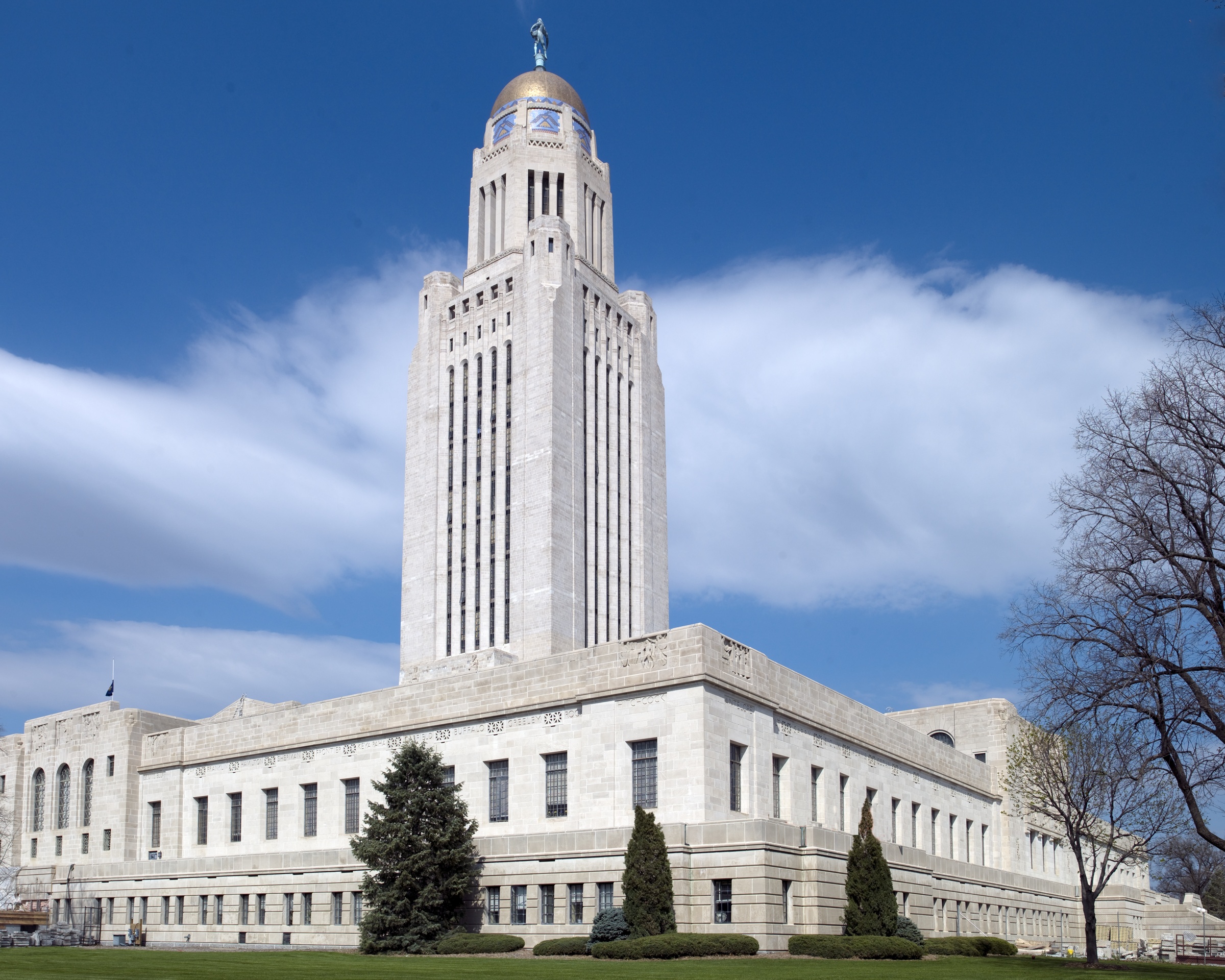
Photo: Carol M. Highsmith's America / Library of Congress, Prints and Photographs Division, LC-DIG-highsm-04814, April 19, 2007. Public domain. Resized; no crop.
I would begin a Nebraska photographer search by asking what the organizer needs to show after the event. An Omaha exhibitor may need a record of customers participating at a display. A Lincoln presenter may need a sequence that connects a stage program with the people who attended it. Those are different visual stories, even when both inquiries say event photography.
The examples in this guide use the published planning pages for CHI Health Center Omaha and Lincoln's Lied Center for Performing Arts. I checked those sources for the facility descriptions below. The sample assignments are planning exercises, not accounts of events I photographed or announcements of open jobs.
I am not ranking named photographers here. A responsible recommendation would depend on available people, relevant complete work, and the actual brief. What I can do is explain how I would make that choice without relying on a claim that one person is right for every gathering in the state.
Omaha: an exhibition image has to show something
CHI Health Center Omaha's official floor-plan page separates its exhibit-hall information from meeting-room levels one and two. That distinction matters when the photography assignment includes more than one part of a convention. The organizer should name the actual hall and meeting rooms and provide the current event layout.
The public page provides floor-plan resources. It does not establish the location of a client's display, which doors the crew may use, or access at an individual show. I would ask for the event's approved plan and vendor instructions rather than use a generic complex name as the whole brief.
Imagine an exhibitor asking for photographs during a demonstration and a separate customer meeting. Before discussing cameras, I would ask what each photograph needs to prove. Is the demonstration meant to show the product, a person's reaction, the size of the audience, or a sponsor's involvement? The photographer needs an answer to avoid returning a technically good set that misses the intended use.
Empty displays and active displays are separate requests
A clean image of a display may be easiest to plan before the program starts, while an interaction image requires participants and an actual activity. If the client needs both, put both into the schedule. Do not assume one kind of image substitutes for the other.
I would also ask which material may appear. A screen could contain an unreleased presentation or information that should not be distributed. The organizer must explain restrictions and identify someone who can settle a question. A photographer cannot reliably infer a company's publication policy from the fact that a display is visible inside a room.
For the separate meeting, clarify whether the photographer is documenting the discussion or arranging a group before it. The first asks for unobtrusive coverage; the second needs a short period when participants cooperate. Calling both meeting photographs conceals the different arrangements needed to make them useful.
Give the photographer a subject contact
At an exhibition, a representative who knows the important customers can be more useful than a long list of names. I would assign someone to identify the required people and help arrange introductions. That person should understand the photography priorities rather than direct the crew toward every conversation equally.
If a particular person is available briefly, schedule the required image. Do not rely on the photographer recognizing them by chance while covering another activity. The client holds the relationship knowledge; the photographer brings the visual judgment. A good brief connects the two.
Lincoln: a stage program and a reception need different working rules
The Lied Center's official rental information identifies several venues rather than one interchangeable room. It describes Lied Commons as having a dedicated entrance extending onto Friends of Lied Plaza. It identifies Katherine Hendy Parker Lobby on the orchestra level and describes Carson Theater as a black-box theater with configurable seating. The page also identifies the main stage among its rental options.
For a Lincoln assignment, I would name the actual venue and configuration. A black-box production, a reception in a lobby, and a program on the main stage can create different photographic opportunities and restrictions. An earlier gallery from the same institution does not establish what will be possible at the next event.
Suppose a presenter wants photographs of a talk and a gathering afterward. I would ask whether the stage portion is a lecture, interview, panel, or performance. That description affects the moments to anticipate. It also determines what questions to ask about movement and approved positions.
Do not let the reception erase the end of the program
A photographer sent to prepare reception groups before a program ends may miss its final applause or closing exchange. If those images matter, the schedule needs a choice. The client can move the groups, adjust priorities, or consider another photographer. It is not useful to request both without acknowledging the overlap.
I would ask who announces the transition and whether the photographer receives a cue. A short conversation with the production contact can prevent the crew from leaving a position too early or arriving after the required moment. That is an organizer-specific arrangement, not a claim that any Lied venue follows a universal photography procedure.
The reception deserves its own image goal. Does the client want a record of key supporters, informal exchanges with the speaker, or an overall view of attendance? Those goals may point toward different positions and different people. The photographer should not have to infer them from a general request for atmosphere.
Confirm the room included in the booking
A venue's rental page can identify a lobby, plaza, or separate theater without granting a crew access to all of them. Ask which spaces are actually assigned. If the client wants a group elsewhere, confirm the location and permission through the organizer before putting it into a proposal.
For a stage program, obtain the applicable restrictions on camera movement, additional light, and release. A public ticket is not a photography credential. Technical features described by the venue are not authorization to use production equipment or enter working areas.
A useful portfolio review follows the proposed story
For the Omaha exhibitor example, I would ask for a delivered assignment showing both displays and human participation. Look for an understandable sequence: a setting, an activity, recognizable people, and details that support the client's purpose. A gallery containing only empty booths does not answer the same question as a gallery of an active demonstration.
For Lincoln, I would look at stage timing and the transition into guest coverage. Does the photographer show expressions and exchanges rather than only a speaker standing at a lectern? Does the reception sequence include meaningful interaction without making everyone pose in the same way?
I would not judge either assignment from a handful of unrelated favorite images. Ask to see enough authorized work to understand consistency across the program. Bright rooms, darker presentations, groups, and transitions can reveal different strengths. The issue is fit, not whether every frame belongs on a portfolio cover.
Ask what role the person played. If the examples were made while they were an additional photographer, that can be valuable evidence for that part of the work. It should not be presented as responsibility for a whole event if someone else directed the main coverage and delivery.
References should answer a working question
I would ask a former client how the photographer handled a change in priorities. Did they explain the consequence of a late request? Did they communicate when a planned image needed help from the organizer? Did the final gallery make the agreed photographs easy to find?
There is no need to obtain private guest information or another organization's internal schedule. The purpose of a reference is evidence about the working relationship. A specific account of communication is more useful than a vague description of someone being friendly.
Build the agreement around responsibilities
For the exhibition example, the client should identify who supplies the approved display information, finds the required people, and confirms release restrictions. The photographer should describe the coverage they will provide and which moments require a client decision. Those responsibilities belong beside the schedule.
For the stage-and-reception example, identify the production contact and the person who gathers groups afterward. If those are different people, make sure each understands the photographer's plan. Otherwise, one may ask the crew to leave the stage while the other expects complete coverage there.
I would name one person who can approve additions. A guest asking for another group photograph is not necessarily authorized to extend the assignment or move the photographer away from a required moment. A clear decision-maker protects the organizer's priorities without making the crew seem unhelpful.
Describe intended image uses directly. Internal documentation, press distribution, partner materials, and advertising can be different requests. Receiving files does not explain which uses are permitted. The agreement should say what the client intends and what permission the photographer is providing.
Check access and insurance against the actual event
If the organizer or venue requires insurance documents, obtain the current instructions and ask whether the proposed photographer's policy meets them. Do not assume the same certificate or wording works everywhere. A good gallery is not evidence that a particular administrative requirement has been met.
The equipment plan also needs to be specific. If extra light, stands, or a backdrop are proposed, identify where they can go without obstructing circulation or production. A portable setup still occupies space. Discuss it before the room is full rather than expect event staff to solve it at the last moment.
Send the crew an arrival note separate from the attendee invitation. It should identify the reporting point, contact, permitted arrival window, and route for the agreed equipment. If something remains unconfirmed, mark it clearly. A guessed entrance is worse than an honest question because it looks settled.
Photographers: make the application sound like this job
For the Omaha inquiry, I would lead with a relevant demonstration or exhibition sequence and a short explanation of how I would approach the required interaction images. I would ask about display restrictions and the contact who identifies customers. That shows attention to the assignment in a way a generic list of services does not.
For the Lincoln inquiry, I would show stage work and a reception sequence, then discuss the transition conflict if the schedule contains one. I would identify positions and permissions that still need confirmation. I would not claim that familiarity with a different theater settles the rules here.
ProShoot's published workflow describes clients posting jobs and comparing bids and portfolios before choosing a photographer. Its photographer process includes applying and presenting work. Use those steps to make the actual proposal clear. A marketplace profile does not by itself establish credentials, insurance, venue access, or permission to publish someone else's private event.
Show only work you are authorized to share. A client may accept delivery of a private gallery without agreeing to public portfolio use. If you cannot show one project, choose another permitted example or obtain approval through the proper route. A new job should not be won by exposing an earlier client's restricted material.
A realistic answer can include an unresolved question
A proposal does not need to pretend every detail is known. If the exact meeting room or production restriction is still open, state the assumption and ask for the answer. Explain whether it changes staffing, position, or coverage. The client can then compare proposals on a fair basis.
Avoid promising a volume of work because an industry or venue is active. A public event calendar is not a list of jobs open to outside photographers. Respond to actual authorized inquiries and use relevant examples to show the part of the assignment you can do well.
Delivery should follow the reason the pictures were commissioned
For the exhibitor, I would discuss an organization that lets the team find the agreed product, customer, and sponsor images. For the presenter, the useful order might follow the talk and reception. Those are possible choices, not rules that apply to all Nebraska clients.
If names or captions are required, identify the person who verifies them. The photographer should not guess titles or affiliations from a badge that is only partly visible. Accurate image metadata depends on a reliable source as much as a clear photograph.
Agree on the delivery date and any earlier selection separately. If the client needs images while the event is still underway, describe the review route and how editing affects coverage. A request for a few quick photographs should not silently become an obligation to edit continuously while also documenting the program.
I would close by explaining file access and the storage terms actually offered. Do not promise permanent availability unless it is part of the service. The job is easier to finish cleanly when the client knows where the required images are, which are approved for use, and what happens after delivery.
The right shortlist is smaller than the whole state
A Nebraska search becomes more useful when it narrows to the actual story. For the Omaha exhibitor, that may be participation around a display and a planned customer meeting. For the Lincoln presenter, it may be a stage sequence and the relationships visible afterward. The same photographer might fit both, but the evidence and plan should demonstrate it.
I would choose a person who can explain those differences without exaggerating local history or promising impossible coverage. Relevant complete work, clear responsibilities, and confirmed instructions give the organizer something solid to approve.
If you are hiring through ProShoot, put that specific program into the brief. If you are applying, answer it rather than send the same response to every Nebraska inquiry. The goal is an agreement about useful photographs, not a competition to make the broadest claim.
Before saying yes, walk through one missed-moment scenario
I would ask each shortlisted photographer what they would do if the customer meeting runs late while the demonstration begins. The point is not to demand a clever answer. It is to learn whether they notice that the client must choose a priority or change the plan. A promise to get both somehow gives me less confidence than a clear explanation of the available choices.
For the Lincoln example, I would use the reception group scheduled against the closing exchange on stage. Ask when the photographer would alert the organizer and what help they would need. That conversation can reveal whether the proposal is a working plan or only an attractive description of services.
The client should also answer a question: who will be reachable when the photographer needs that choice? Preparation is shared work. Hiring a good photographer does not remove information and decisions that only the organizer can supply. Settling that responsibility before the event is one of the simplest ways to avoid disappointment afterward.
Let the organizer describe what a missing picture would change
Ask the person using the delivery which image would create the most work if absent. It may be an essential presenter, a particular exhibit interaction, or a required group. That answer should inform the priority rather than remain a private expectation discovered only during review.
Then ask what cooperation protects it. The organizer may need to identify a representative, schedule a pause, or provide an approved position. The photographer can own picture-making without owning access to people or authority to redirect the program. State those separate responsibilities plainly.
For the hypothetical Omaha and Lincoln situations, do not assume the same answer fits both. Exhibition evidence and a stage-to-reception story can have different failure points. Use the actual client's purpose to decide what matters. This keeps the shortlist focused and helps each applicant show evidence relevant to the requirement instead of submitting a broad portfolio and leaving the organizer to infer that every kind of complete record is included.
Sources checked November 6, 2026
- https://chihealthcenteromaha.com/convention-center/event-planners/floor-plans-specifications/
- https://www.liedcenter.org/about-lied/lied-rental-spaces
- https://proshoot.io/how-it-works/
Ready to hire a professional photographer?
Post your job free and get bids from photographers near you.
Post a Job Free →