Top Event Photographers in Nashville
Plan Nashville event photography from arrival through the final usable selection. A working-day guide for organizers hiring and photographers applying.
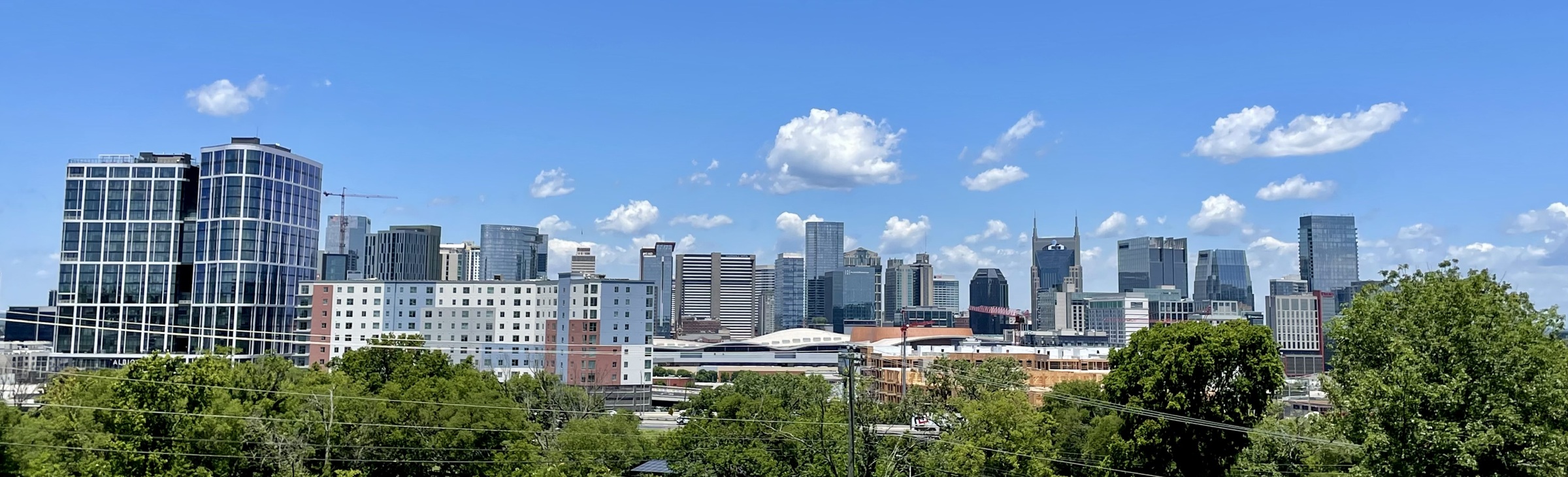
Photo: Jschnake / Wikimedia Commons, June 10, 2024. CC BY-SA 4.0. Resized; no crop. Photo adaptation under the same license.

The part of an event nobody puts in the public program can shape the photographs. A host gathers the right people. Someone tells the crew where to report. A late speaker changes the order. I would include those practical moments in a Nashville photography conversation rather than assume the camera will solve them on arrival.
A useful commission is a shared working day, not merely a number of hours. The organizer knows the people and purpose. The photographer brings observation, direction, and a way to make the record coherent. Those responsibilities need to meet at specific decisions.
This guide follows a hypothetical meeting and recognition program at Music City Center, using the venue's current website for limited facility context. It is not an open job, a ranked directory of photographers, or a claim of my personal shooting history. The example is meant to help clients choose relevant evidence and photographers write a response that fits the actual inquiry.
Before the day exists: write the assignment in one sentence
I would ask the client to finish this thought: these pictures will help someone understand this particular gathering. The answer might concern a project introduction, recognition of colleagues, or the way participants worked together. It should describe the actual purpose rather than a generic wish for memorable moments.
For our hypothetical program, suppose the client needs a presentation record, several participant portraits, and recognition photographs. Communications wants a cleared public selection; another team wants an internal account. Those are related needs, but they should not arrive as unrelated instructions from separate departments.
Choose an organizing contact who can reconcile the requests. The photographer needs to understand what matters when the presentation, portraits, and conversation compete. An undefined promise of complete coverage leaves that choice hidden instead of resolving it.
Write the inquiry around the day, not Nashville's reputation
A client does not need a claim about festival volume, corporate growth, or the city's busiest season to describe a real assignment. The actual date, location, program, people, and image users give candidates enough substance to respond specifically.
Likewise, a photographer need not invent local experience to explain a useful approach. Comparable work and a thoughtful preparation plan can demonstrate fit. A confident story about having photographed every kind of Nashville gathering is less useful than evidence for the one being commissioned.
The title of this guide does not establish a ranked group of named photographers. I would make that choice only after reviewing the actual applicants, their relevant permitted work, and the service each proposes for this program.
The first handoff: send current working information
Music City Center's current website distinguishes its main address from its delivery address and identifies meeting and boardroom facilities. Those facts help ask a necessary question: which arrival instruction applies to this crew? They do not authorize a photographer to use any entrance described publicly.
The organizer should provide the booked room and approved event diagram. A building name does not show the installed stage, portrait position, furniture, or circulation. The photographer needs the arrangement for this meeting rather than an empty-room image from a different program.
In the working note, identify the person who can confirm credentials, equipment routing, and setup. Mark unresolved details honestly. A blank assigned to a named contact is easier to fix than a polished but invented direction someone follows on the day.
The two addresses should not become two guesses
A photographer seeing a delivery address may assume it is the right place for equipment. Ask the organizer instead. The public distinction is a lead for the access conversation, not a personal instruction to enter a service area.
Tell the contact what is arriving. A photographer carrying cameras and a crew bringing a portrait backdrop can have different needs. The final instructions should match the proposed service rather than a generic vendor category copied from another event.
If an address or reporting point changes, update the version the crew follows and explain the consequence. Several plausible attachments can leave someone with the wrong plan. A current note is valuable only when the affected people know it is current.
The setup period: establish what can be made before guests arrive
For the hypothetical meeting, the client may want a clean room record as well as people later. Ask when the room will actually be ready and whether the photographer is permitted to work then. An early arrival does not automatically mean the installation is finished.
Separate those setting photographs from the presentation record. They explain the arrangement, not participation. A beautifully empty room does not show how people used it, and an active crowd may obscure a detail the client wants documented clearly.
The photographer can propose the necessary views without turning setup into an unlimited search for every decorative item. Identify the elements that have a specific use in the client's record. Leave optional visual ideas clearly optional so they do not compete with the essential program.
Check the portrait position while there is time to change it
If participant portraits are required, confirm the approved location and equipment footprint. A light, backdrop, or waiting line occupies working space. A general room description does not prove that the station fits around the actual tables and production.
Provide an authorized reference if portraits should match an existing series. The desired look needs to guide preparation, not appear as a new requirement after the photographs are made. A casual introduction image and a consistent profile series can need different services.
Decide who gathers subjects and checks names. A photographer unfamiliar with the participants should not repeatedly leave the setup to find them. The organizer's knowledge keeps the portrait task connected to the program.
Arrival: introduce the people who matter without scripting the whole event
As guests arrive, the host can make essential introductions. The client may need a project lead, partner, or honoree identified in the record. A list of organization names does not tell the photographer which unfamiliar face matters.
Explain whether the desired photograph is a real exchange, an arranged group, or an individual introduction. These results are not interchangeable. A candid conversation can show warmth while hiding a face; a group can identify people without explaining the activity.
I would avoid turning every arrival into an obligatory pose unless that is the commissioned service. Observation needs room to happen. A short hierarchy of essential subjects lets the photographer follow relationships rather than chase an exhaustive list with no order.
Keep the host's job and photographer's job distinct
The photographer can arrange people and watch expressions. The host knows who has not arrived and which introduction is meaningful. Neither should assume the other can supply that knowledge automatically.
If an essential guest is absent, name who decides whether to return later, use an approved alternative, or move on. An open-ended search can silently consume program coverage. Honest status helps the organizer choose while options remain.
Share practical privacy instructions without unnecessary personal reasons. The crew may need to know a participant should not appear publicly without receiving private background. Keep the instruction proportionate to following the boundary.
The presentation: protect the thing that cannot happen again
Ask the client to identify the unrepeatable moment. It may be an announcement, a question, an exchange, or a recognition embedded inside the talk. A timetable alone does not reveal the part the photographer must not miss.
For a complete presentation record, keep the same photographer available through that segment. If portraits are happening simultaneously elsewhere, decide how to sequence them or discuss another person. Fast movement does not create uninterrupted coverage in separate spaces.
If selected presentation images are sufficient, describe that honestly in the proposal. A brief visit can serve a recap without being a full account of every exchange. The client should compare services with that difference visible.
Make the audience part of the intended story
A close speaker image preserves expression. A broad view can establish context. Audience response can show participation. Tell the photographer how those needs relate so one kind of picture is not expected to do every editorial job.
Review a permitted complete sequence from comparable work. Look at consistency during ordinary stretches and changes in speaker, not only a dramatic opening frame. Ask how the photographer handled a competing request in that example.
The actual production contact should confirm movement, positions, and any additional lighting. A public room inventory cannot authorize equipment in an aisle or adjustments to installed systems. The proposed approach needs the event's real permission.
The break: it is not automatically free photography time
Our hypothetical program includes participant portraits during a break. Those subjects may also need refreshments, conversations, or preparation for the next session. Confirm their availability rather than assume the entire interval belongs to the photographer.
The gathering contact should call people and verify the roster. If someone arrives late, use the agreed decision-maker to settle the order. The photographer should not have to choose between a waiting executive and the next required presentation without authority.
If the portrait station stays open while the program resumes, make the staffing consequence explicit. A fixed station and continuous roaming elsewhere cannot both be performed by one person. The organizer needs a realistic service, not a promise whose limits remain hidden.
Preserve the purpose when a preferred background fails
If consistent portraits are essential, an approved alternative may serve better than waiting for one setting to become available. If the setting itself is indispensable, identify that condition before accepting. The definition of success should be shared, not discovered through disappointment later.
Do not let new combinations expand indefinitely during the break. One shared team portrait and a series of departments are different work. Each extra request may sound quick while collectively removing coverage from the next activity.
Name the person who may approve changes. Guests and other departments can have good ideas without authority to redirect the commission. The photographer should explain what would be displaced and seek an informed choice.
Recognition: choose a convention the host can communicate
If recipients should pause with the presenter, the host needs to tell them where to look and when to hold. A natural exchange and a presentation portrait require different cooperation. The photographer cannot silently make an uninterrupted program behave both ways.
If candid movement is preferred, say that instead. The work can emphasize the exchange and reaction. Neither approach is automatically correct for every meeting. The important point is that the organizing team and photographer share the same expectation.
Provide the final order and a factual names source. If a substitution occurs, identify who informs the crew. The photographer should not guess a recipient from an outdated program or partly visible badge.
The closing group must happen before people disperse
Choose the required people and moment, and tell participants to expect it. The gathering contact should recognize missing subjects. A photographer can arrange a group but cannot ensure attendance at a time nobody agreed to keep.
Select an approved position and alternative for an essential photograph. If the purpose is preserving the people together, a background change need not erase that result. A conditional setting idea should not become the whole commission by repetition.
If a last-minute request competes with an unrepeatable recognition, use the authorized change route. The client should own the tradeoff while there is still a choice. A short decision is better than an unexplained hole in the final record.
After the last scheduled moment: assess candidates through the whole day
For this program, I would review evidence of presentations, portrait flow, recognition, and participant interaction. A highlight reel can show selected ability without proving the full service. A permitted complete gallery lets the client follow transitions and ordinary moments too.
Ask which parts the applicant personally made. An additional photographer may have covered guests while a colleague managed presentation continuity and delivery. Accurate attribution makes the evidence easier to use. For the new assignment, identify the actual attending crew and each person's responsibility.
A reference can help test communication. Ask about one changed program or added group and whether the photographer explained its consequence in time. Keep private participant information and confidential event records out of the request. You need observable behavior rather than someone else's internal material.
Exact venue history is useful without replacing preparation. A new photographer can verify the current plan carefully, while a familiar one can carry stale assumptions. Relevant evidence and a thoughtful confirmation process should guide the choice.
Agreement: keep the day inside a readable scope
Compare coverage, locations, crew, portraits, groups, selection, editing, delivery, and uses. A selected recap is different from complete simultaneous-session records and a dedicated portrait service. Similar headline descriptions should not conceal those differences.
Ask for assumptions and exclusions in plain words. If an approved position, credential, subject availability, or gathering contact is essential, make that condition visible. If insurance or credentials are required, obtain current specifications and confirm the attending crew meets them. A portfolio or marketplace profile cannot prove compliance.
A separate reception or another property needs its own scope and location note. Use actual addresses and the full schedule rather than a general Nashville transfer assumption. One property's requirements should not become a universal venue rule.
Discuss audiences clearly. Internal records, public announcements, participant sharing, partner distribution, and advertising may be different uses. Receiving files alone does not define every right. The photographer's public portfolio needs its own agreement, separate from private client delivery.
Photographers: respond to the actual working day
A Music City Center inquiry should prompt a check of the assigned room and crew arrival instructions, not an assumption that the public delivery address applies. A mixed portrait-and-program request should prompt a concurrency question. Show relevant work and the decision needed to make the proposal realistic.
ProShoot's published client process describes posting jobs, comparing bids and portfolios, and choosing a photographer. Its photographer process includes applying and presenting work. Use the exchange to define a real commission. A listing does not establish local shooting history or venue access.
Check availability from arrival and setup through the last assigned function. State unresolved conditions honestly. This guide does not infer opportunities from music festivals, corporate lists, sports, city growth, or promises of every-week work. An actual inquiry needs a current commissioning contact and scope.
Delivery: leave a record, not another coordination project
Agree on how the recipient will find the images. Presentations, portraits, recognition, groups, and cleared public selections may be easier to navigate separately. If captions are included, designate a factual source and reviewer instead of guessing names, roles, or what a discussion achieved.
Set delivery and any earlier selection separately, including how editing during the event affects ongoing photographing. Identify files awaiting review and use actual storage and file-access terms. Preserve restrictions on private content and participants after the program ends.
Before closing, reconcile essentials with authorized changes. Explain material gaps caused by absent subjects or canceled activity. The client should be using the record, not auditing every image to discover what could not happen.
Choose the photographer whose plan can carry the day
The hypothetical Nashville program needs more than a good opening frame. It needs correct arrival, useful introductions, protected presentation coverage, a realistic portrait flow, and a clean finish. I would choose through relevant complete evidence and practical answers to those tasks.
Whether hiring through ProShoot or applying there, describe the actual occasion. A plan that both sides can follow is stronger than an unlimited promise built on the city's reputation.
Sources checked November 6, 2026
Ready to hire a professional photographer?
Post your job free and get bids from photographers near you.
Post a Job Free →