Top Event Photographers in Montana
Plan Montana event photography for a Billings exhibition or Missoula campus program. Practical guidance on evidence, access, scope, and useful delivery.
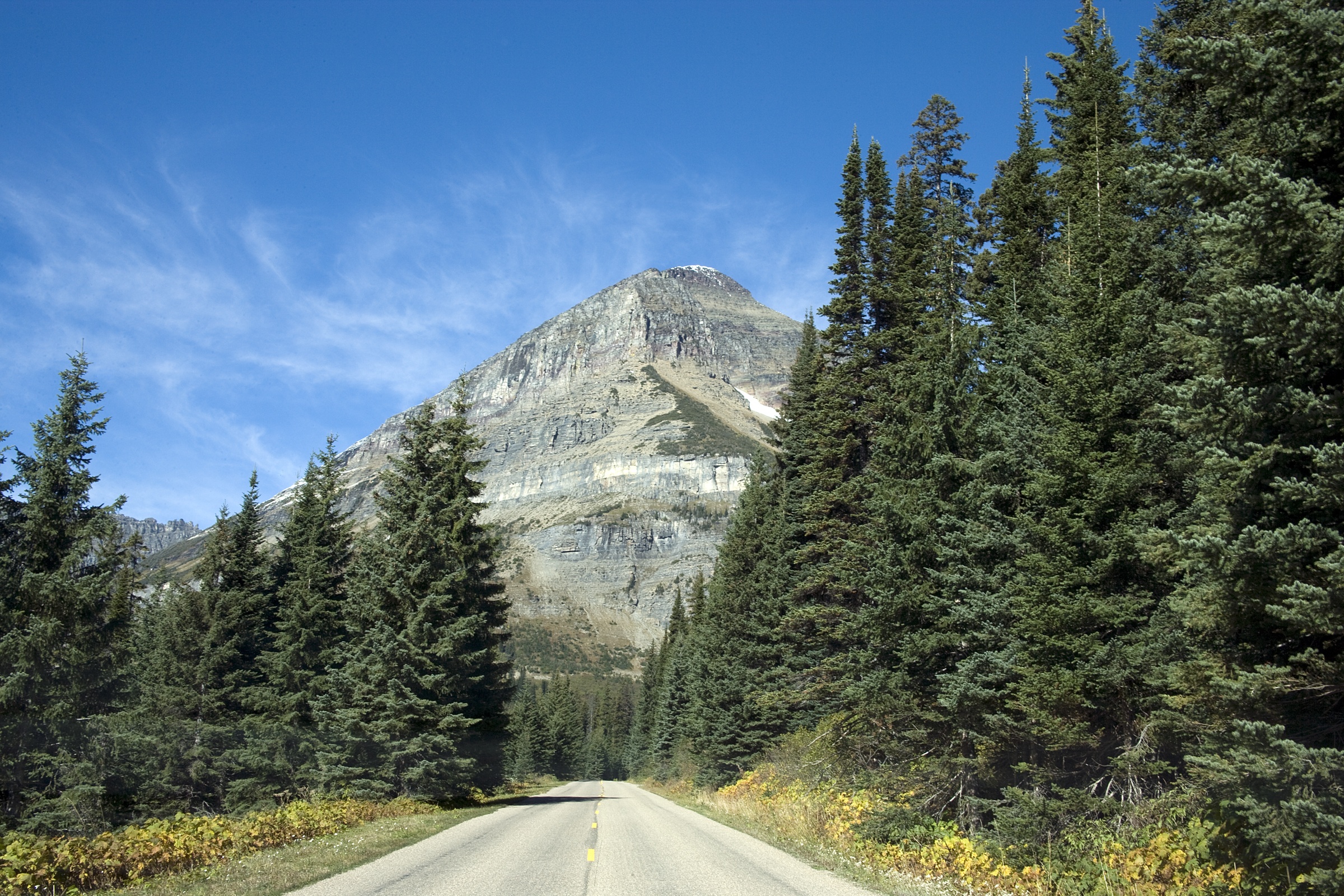
Photo: Carol M. Highsmith / Library of Congress, Prints and Photographs Division, LC-DIG-highsm-04926, September 25, 2005. Public domain. Resized; no crop.
An exhibition picture should help someone understand the activity, not merely show a large room. A campus event picture should connect the people with the program, not merely prove that they sat in chairs. When I read a Montana photography inquiry, I want to know which explanation the client needs the photographs to provide.
That gives the hiring process a concrete starting point. The organizer can describe a purpose, and the photographer can show relevant work and explain a plan. A broad promise to capture every moment is less useful than a clear answer about the moments that matter most.
This guide uses current operator information from MetraPark in Billings and the University of Montana's University Center in Missoula. The assignments are hypothetical examples, not job announcements or accounts of my personal shoots. They demonstrate how different programs should lead to different briefs and applications.
Billings: specify the building and the booked bay
MetraPark's official Montana Pavilion and Expo Center pages describe whole-building rentals or separate bays. Each identifies Large Bay and Small Bay options. The open or adaptable layouts support different event configurations, but the pages do not establish a particular client's arrangement or photography permissions.
A brief should say which facility and which portion are booked. Montana Pavilion and Expo Center are not interchangeable names, and a proposal should not assume the same working conditions in both. Obtain the organizer's current diagram rather than infer the setup from a public facility description.
For a hypothetical exhibition, I would ask which displays and activities need coverage. Does the client want a clean record before opening, participant interaction, selected demonstrations, or a mix? Those requirements belong in the schedule as actual work, not as an unlimited request to photograph the venue.
Decide what the wide photograph must explain
An overview can establish scale and layout, but it may make faces, signs, and actions hard to read. If the client needs specific identification, add the relevant detail or interaction to the brief. One dramatic wide view should not be expected to do every reporting job.
Ask whether the exhibition needs a visual sequence from context to activity. The photographer can show how they handled that in relevant permitted work. A portfolio of isolated products may not demonstrate the ability to follow people moving among displays during a program.
Do not assume a proposed elevated position exists or is approved. A facility's volume and layout do not grant permission to photograph from a particular location. Confirm the actual position through the organizer and the people responsible for the event's production.
Demonstrations need timing and identification
If the client wants a demonstration recorded, name its time, location, and contact. Explain the essential action. The photographer should not have to discover that the important step already happened while they were following a lower-priority request elsewhere.
For concurrent demonstrations, identify which needs complete coverage or discuss another photographer. A single person cannot provide uninterrupted records in separate places at once. A realistic bid should make that constraint visible while the organizer can choose.
If the activity changes, provide one way to reach the crew. A demonstrator may revise the program without knowing the photographic consequence. The organizing contact should reconcile the change and tell the photographer which instruction is current.
Access features are not a crew authorization
MetraPark's pages describe facility features including overhead doors and event setup resources. Those are useful leads for planning questions. They do not authorize a photography crew to bring equipment through a particular door or use production resources without confirmation.
Tell the organizer what the proposed crew will bring. A person carrying cameras and a portrait station with lights can need different arrangements. The client should approve a working position that preserves circulation and the event's actual requirements.
Do not copy electrical or technical instructions into a photography plan without the relevant event approval. The assignment needs an agreed setup, not a collection of public specifications treated as permission. Mark unconfirmed details honestly until the responsible contact settles them.
Billings: distinguish exhibitor reporting from public promotion
A partner may need evidence of its display and participation. The communications team may need a small public story. These can overlap, but they are not necessarily identical requests or audiences. I would ask the organizer to reconcile the requirements before the photographer starts.
Provide the current exhibitor assignments and people who matter. A list of brands cannot identify an unfamiliar representative. Someone on the organizing team should make introductions or provide an authorized way to recognize required participants.
If a subject is absent, identify who decides what happens next. The photographer can return, make an alternative approved image, or shift to another priority. Do not let an open-ended search silently displace the rest of the commission.
Explain the image-rights boundary
Some demonstrations, screens, or documents may not be intended for public distribution. Confirm what may be photographed and which uses are commissioned. Attendance at an exhibition is not an automatic answer to every publication question.
If review is required, name the reviewer and the decision they make. A confidentiality check differs from verifying a participant's name. The photographer needs a usable route for images that should wait rather than infer an organization's policy from its display.
Keep the photographer's promotional use separate from private client delivery. Receiving a gallery does not necessarily approve a portfolio post. Obtain the approval required by the agreement and preserve restrictions on other people's material.
Missoula: follow the program across distinct campus spaces
The University of Montana's current University Center reservation page describes a ballroom, theater, Alumni Boardroom, atrium, and meeting rooms. It distinguishes second-floor conference rooms with permanent meeting tables from flexible third-floor configurations. The ballroom is described as divisible from North to South.
Those details support specific planning questions. A classroom discussion, theater presentation, and ballroom gathering need different positions and expectations. A client saying University Center has not yet defined the actual photography assignment.
For a hypothetical campus program, I would ask whether the record should explain learning, recognition, community participation, or something else. Then I would identify which sessions and people make that purpose visible. The venue's room inventory cannot supply the story on the client's behalf.
A theater presentation needs its own permissions
A room described as a theater may host different kinds of content. Ask who authorizes photography of the actual program and where the crew may work. A facility reservation does not automatically clear a performance, film, artwork, or presentation for every image use.
If segments are restricted, identify them in a way the photographer can follow. Who signals the change? What happens if a speaker adds material? A general instruction to be careful is not a workable boundary for making or releasing photographs.
Ask for relevant presentation evidence during review. Look at continuity across speakers and useful audience context. An applicant's strong portraits can demonstrate skill without establishing how they would handle a program that cannot be interrupted.
Meeting-room furniture affects the proposed work
The page's distinction between fixed-table second-floor rooms and flexible third-floor configurations helps generate questions. Obtain the booked room and actual arrangement. Do not promise a portrait station or a particular view based on a general category.
If a discussion should be observed, tell the photographer how much movement or interruption is acceptable. A learning image should reflect the real activity rather than an invented outcome. If an arranged group is also required, schedule it as a separate task.
Screens and documents may contain private content. The organizing team should identify restrictions and a contact for uncertain cases. Multimedia capabilities describe room equipment, not permission to publish the information shown through it.
A ballroom division can change coverage, not only room size
If the program uses separate parts of the ballroom at the same time, identify which activities need complete records. A partitioned arrangement can create competing assignments. One photographer cannot be fully present in both simply because the spaces share a larger room name.
For a transition to a combined gathering, provide the actual timing and approved arrangement. The photographer needs to know whether to remain with an essential session or prepare for the next required moment. An updated event diagram is more useful than a maximum-capacity assumption.
If a final group is planned, assign a gathering contact and obtain participant agreement. Do not wait until people are leaving to discover that no one told them to remain. The photographer can arrange people; the organizer needs to get the right people there.
Make the portfolio review answer concrete questions
For Billings, I would review an authorized exhibition set that explains demonstrations and interaction, not only empty displays. For Missoula, I would look at a program moving between presentation, discussion, and gathering. Exact property history can help, but comparable work and current preparation are more important than a broad familiarity claim.
Ask what role the applicant held in the examples. An additional photographer may have covered exhibits while another managed the main presentation and delivery. That is useful experience when attributed accurately. It should not quietly become a claim of responsibility for the full project.
If another person would attend the new assignment, review relevant evidence and responsibilities. A client should know whose work supports the proposal. Crew descriptions should make accountability clearer, not obscure who will photograph the event.
References can test the planning process
Ask a former client about one changed demonstration, delayed session, or added group. Did the photographer explain the effect and obtain a decision while it was still useful? Specific behavior tells you more than a general statement of enthusiasm.
Do not request private guest information or confidential session details to prove the story. A reference can discuss communication without exposing another client's records. The same respect applies when a full portfolio gallery cannot be shared.
Look at the consistency of the delivered set. Required people, clear interactions, and a readable sequence matter more than repeated frames. More files can be useful, but volume alone is not evidence that the commission was fulfilled.
Scope the service so the event team can use it
Compare coverage, facilities, crew, group work, editing, delivery, and image rights. Two bids can use similar words while including different tasks. A selected exhibition story is not the same service as complete concurrent-room coverage plus portraits.
Ask candidates to identify assumptions and exclusions. If a plan depends on a room, approved position, credential, or gathering contact, make the condition visible. The organizer can then settle it before accepting rather than discover it when the crew arrives.
Name a person authorized to approve changes during the event. An exhibitor, guest, or another department may request something reasonable without authority to redirect commissioned work. The photographer should explain the tradeoff and seek a decision through the agreed route.
Check current requirements for the actual booking
Get the reporting point, permitted positions, and equipment instructions from the organizer. An attendee invitation or a public address does not necessarily provide working access. Do not assume that a previous event's permission transfers to the current program.
If insurance or credentials are required, obtain the specifications and ask whether the proposed crew meets them. A marketplace profile or attractive gallery cannot prove compliance. One property's request is not a universal Montana rule.
For another community or property, create its own location note. This guide does not establish statewide transfer times, seasonal conditions, or access. Use actual addresses and the full schedule when deciding whether an extended assignment is realistic.
Photographers: make the response solve a planning problem
For Billings, I would address demonstration timing and exhibit reporting. For Missoula, I would address transitions among the theater, meetings, and gathering. Those responses can use the same professional skills without using the same generic service description.
ProShoot's published client workflow describes posting a job, comparing bids and portfolios, and selecting a photographer. Its photographer process includes applying and presenting work. Use those steps to define a real commission and show relevant evidence. Platform presence does not establish local history or permission at every venue.
Check availability against arrival, setup, coverage, and any added function. If a room or right remains unresolved, explain the condition. A realistic preparation plan is more useful than an unconditional promise built on another person's unconfirmed decision.
This guide does not infer opportunities from industries, tourism rankings, recurring events, or seasonal demand. A job needs a current commissioning contact and scope. Accurate applications build trust without those unsupported claims.
Deliver an explanation, not an unexplained file list
Ask what the recipient will do with the pictures. Exhibition activities, session groups, presentations, and portraits may be easier to find separately. The client should not have to reconstruct the program from a pile of repetitive images.
If names or captions are included, designate a reliable source and reviewer. The photographer should not guess titles, affiliations, or outcomes from visual context. The organizing team needs to verify those facts and provide a route for correction.
Agree on delivery and any earlier selection separately. Images requested during the program can affect ongoing coverage and review. Describe that work instead of letting a casual request become an undefined live-editing obligation.
Clarify intended uses and portfolio permission, and use actual file-access and storage terms. Identify files awaiting approval. If a required activity was canceled or a subject absent, explain the material gap so the recipient does not search for a photograph that could not be made.
Reconcile changes before closing the record
An exhibition or campus program can change after the initial brief is approved. Before the event, compare the current schedule with the photographer's working note. If the essential demonstration moved or a session changed rooms, update the instruction that the crew will actually follow.
Afterward, compare material changes with the agreed priorities. The purpose is not to create another long report. It is to make clear whether a required image was replaced by an authorized alternative or could not happen because the program changed. That information helps the client understand the gallery without treating every absent photograph as an unanswered question. A finished service should make those facts easier to see, not leave the recipient to discover them through a file-by-file audit.
Choose the photographer who understands the activity
The Billings example centers on making an exhibition readable. The Missoula example centers on connecting distinct program spaces without losing the people or permissions. Both need relevant complete work and a plan grounded in the actual gathering.
Whether hiring through ProShoot or applying there, begin with what the pictures must explain. A photographer who can make that purpose visible gives the client stronger evidence than a promise to capture everything across Montana.
Make the two reporting questions explicit
An exhibitor report and a public recap may use pictures from the same activity for different reasons. Ask the client what each needs to establish. The report may depend on a particular organization or representative; the recap may need understandable action and context. Neither use should be assumed from the other's image request.
For the actual booked bay or campus space, connect those requirements to people and timing. Who can identify the representative? When does the action happen? Which event contact can approve a return if the subject is unavailable? These answers are more useful to the crew than an expanding list of general wishes.
If one image can serve both uses, that is helpful. If not, describe the separate duty and any conflict it creates. The photographer should not promise dual-purpose coverage merely to simplify the proposal's wording. A clear distinction lets the organizer choose the service and later find the intended evidence without having to infer why a required organization appears only as a sign in the background.
Sources checked November 6, 2026
- https://www.metrapark.com/p/facilties/montanapavilion
- https://www.metrapark.com/p/facilties/expocenter
- https://www.umt.edu/university-center/reserve-space.php
- https://proshoot.io/how-it-works/
Ready to hire a professional photographer?
Post your job free and get bids from photographers near you.
Post a Job Free →