Top Event Photographers in Missouri
Find top event photographers in Missouri for conventions, corporate events, and weddings. Hiring guidance plus photography jobs across MO.
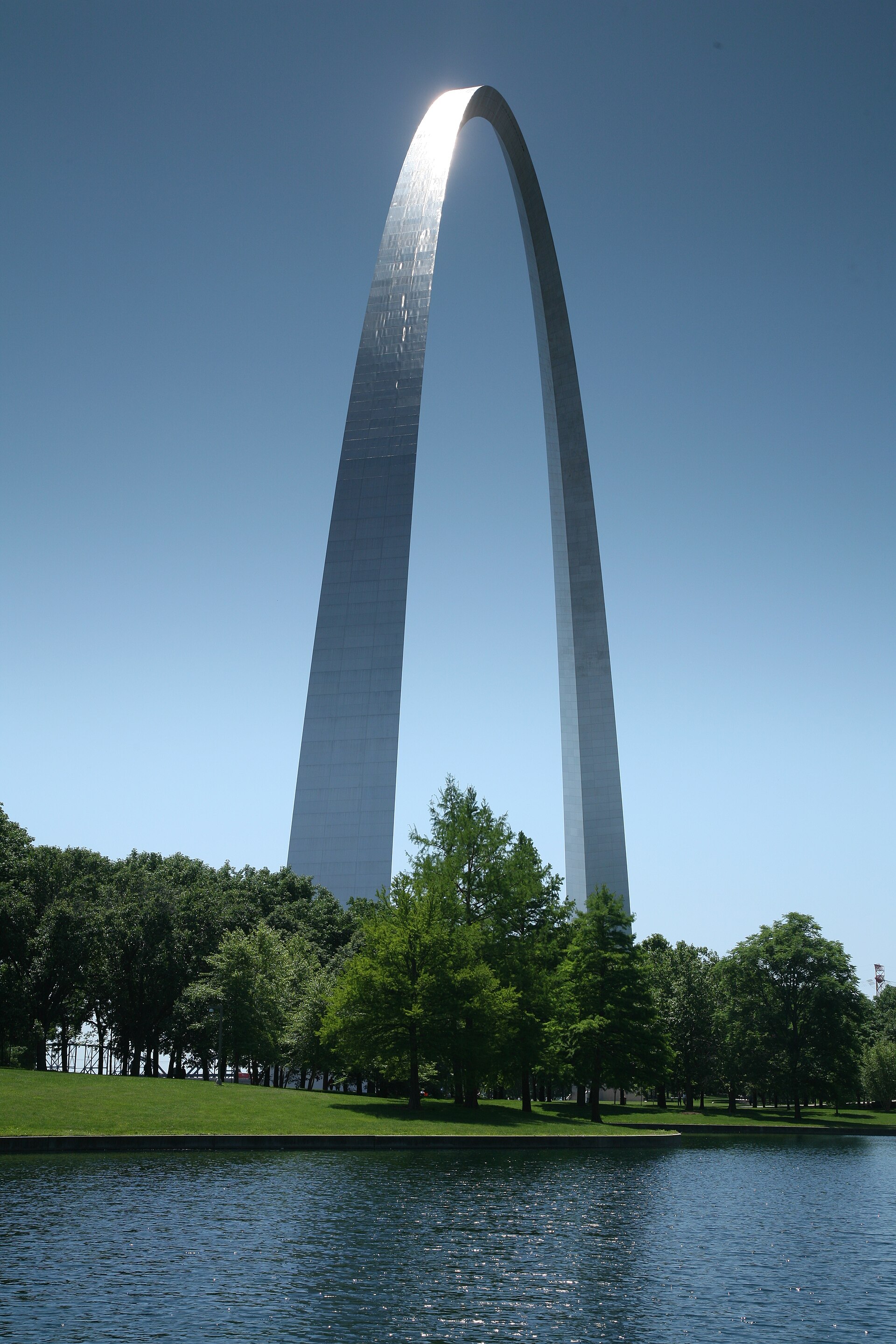
Hero photo: Gateway Arch reflection, St. Louis, by Daniel Schwen. License CC BY-SA 4.0, via Wikimedia Commons. Shown uncropped.

A Missouri photography search can place a St. Louis convention, a Kansas City exhibition, and a company reception under the same broad label. I would not hire from that label alone. First I want to know what the gallery needs to prove: that a program took place, that people participated, that partners were recognized, or that a private gathering brought the right people together.
I have photographed events for more than 20 years. My practical standard is to connect each requested image to a purpose, then check whether the coverage proposal can produce it. Missouri's convention settings offer useful examples of that process. This guide uses published details for America's Center and Bartle Hall, plus a dated headquarters announcement, without turning those facts into claims about demand or access. It does not rank individual photographers.
Start With the Final Use, Then Work Backward
When a client asks for event coverage, I would ask what they expect to do with the gallery first. A member report needs different emphasis from an exhibitor's campaign. A record for an internal team differs from a public announcement. If the intended use remains vague, even a technically strong gallery can disappoint because nobody agreed on the story it should tell.
Write an image purpose beside each priority
Instead of asking for a photograph of a booth, explain whether the image must show the display, the product in use, or guests interacting with the team. Instead of asking for the keynote, identify whether the client needs a speaker portrait, a wide room view, or the audience responding. These are related pictures, but they are not interchangeable.
I would keep the priority list short enough to guide decisions. A list that calls every possible image essential does not help when two moments overlap. Mark what cannot be repeated and what can be made at another point. Give the photographer a reason for the priority so they can make an informed choice if the planned picture becomes unavailable.
For a private celebration, the purpose may be less formal but just as specific. Say which relationships matter and which groups need organizing. Identify guests with a limited availability window. A photographer should not have to discover during the event that someone important is leaving before the first formal portrait.
Identify the person who will use the files
The event lead may commission the photography while another team publishes it. Bring that second team into the brief early. Ask what formats, captions, or layouts they expect and which images they need first. The photographer can plan useful variety when the intended use is known, rather than being asked later to make every frame fit an unrelated design.
Keep the request realistic. A single moment cannot always be photographed from every angle and in every orientation. Explain the main use and any secondary needs, then ask how the photographer would balance them. This conversation gives the crew a direction without demanding a catalogue of versions for every interaction.
America's Center: Do Not Commission a Building Instead of an Event
Explore St. Louis describes America's Center Convention Complex with 502,000 square feet of exhibit space, meeting rooms, a domed stadium, Ferrara Theatre, a ballroom, and an Executive Conference Center. That listing shows several kinds of setting within one complex. The photographer still needs the actual space assigned to your program.
A room list is more useful than a campus name
I would ask for the hall, room, entrance, and on-site contact for each part of the assignment. Include the schedule and indicate movement between spaces. A request that says America's Center throughout may conceal an exhibition, a presentation, and a reception in different areas. The coverage plan should make those differences visible.
Imagine a client wants a wide exhibition photograph, portraits of several leaders, and the opening of a presentation. Put all three requests on the program. If the only portrait opportunity overlaps with the presentation, make a decision before hiring. The options may include adjusting the portrait window, choosing a priority, or arranging additional coverage.
The complex's published size is not a substitute for that exercise. A small event can have a difficult overlap, and a large event can have a carefully sequenced program. Crew decisions should follow the actual requirements. Ask the photographer what would be missed under the proposed staffing rather than assuming the venue number settles the question.
Match the gallery to the space's role
For a theatre presentation, look for expressive photographs of speakers and clear handling of the stage background. For an exhibition, look for interactions and details that explain what participants are doing. For a reception, look at relationships and the photographer's ability to work without interrupting every conversation. The same portfolio may contain all of these, but ask to see complete relevant sequences.
If the client wants a visual record of staging or partner recognition, identify the exact details. An empty room image might need to be made before guests arrive. A display may only be complete shortly before the opening. Give those moments a place in the schedule and confirm who can tell the photographer when the space is ready.
Bartle Hall: A Broad Floor Still Needs a Narrow Brief
Kansas City Convention Center describes Bartle Hall as offering 388,800 square feet of column-free exhibit space on one floor. It also explains that movable walls can divide the hall into separate rooms. Those details support a practical question: which part of the hall is actually included in the commission?
Use the exhibitor's story to define movement
For a client exhibiting at Bartle Hall, I would begin at the booth rather than with the total floor area. What happens there that needs to be documented? Which demonstration or meeting matters? Are particular partners expected? Ask for a contact who can identify the right people and explain changes in the booth program.
Then decide whether the assignment includes anything outside that area. A client may want a session elsewhere, a team portrait, or a reception after the exhibition. List those separately. Do not treat an exhibition commission as permission to roam into every related event or as a promise to cover activities the client has not described.
Ask the organizer about the photographer's access and the intended image use. A booth location or exhibitor relationship does not establish every permission. If participants need to consent to a directed photograph, identify how that will be handled. The photographer should not have to improvise the client's publication policy while trying to document an interaction.
A column-free hall does not guarantee a clear photograph
The operator's description concerns the building. It does not promise unobstructed sightlines once an event is installed. Displays, lighting, signage, and visitors can change the view. I would ask the photographer to review the current layout and identify which requested images depend on a particular position or a short opportunity.
For a product demonstration, discuss what must be visible: the object, the person explaining it, or the participant's response. If the client wants all of those elements together, plan for the actual setup. A useful photograph often comes from knowing what to watch, not from expecting a large hall to provide an easy frame.
Keep the plan adaptable without losing its purpose. If the demonstration moves or the intended guest cannot attend, the photographer needs to know what the image was meant to communicate. That allows a sensible alternative to be discussed with the client rather than substituting an unrelated picture simply because it looks attractive.
A Headquarters Announcement Is Not a Booking Forecast
Boeing announced in February 2026 that its Defense, Space and Security headquarters was returning to St. Louis. I would preserve that date and the specific business unit when using the fact. It does not establish the location of every Boeing event, permission to enter company property, or future work for photographers.
For a corporate commission, ask the host for the booked location and the approved scope. If the event involves an industrial or technical setting, the host should identify restrictions on screens, equipment, displays, and people. Do not invent a security rule from the company name, and do not assume the absence of a published rule means unrestricted coverage.
I would make publication decisions explicit. A company may want an internal record while permitting only selected images for external use. Name the reviewer and the process. Capture permission and public release can be different decisions, and a useful proposal should not blur them.
Judge a Missouri Portfolio by What the Client Received
Once the brief has a purpose and a boundary, ask for a complete comparable gallery. The photographer should be permitted to share it. Read the sequence as if you were the original client. Can you understand the event, identify the important people, and find images that would serve the stated purpose?
Examine the transitions
I pay attention to the photographs between the obvious highlights. Arrivals, breaks, changes of room, and informal exchanges can reveal whether the gallery holds together. A collection of speakers alone may not explain how the gathering worked. A collection of candid conversations alone may miss the program the client commissioned.
Look for a deliberate balance without expecting identical coverage of every minute. Ask what the original priorities were and which limitations shaped the edit. A gallery should be assessed against its assignment. The photographer's explanation can help you understand choices that are not visible from the pictures alone.
Read formal photographs for care
In a group photograph, check faces, spacing, and the background. Does anyone appear hidden or disconnected from the group? Does the setting help identify the event without overwhelming the people? Ask how the photographer would organize your required groups and what help they need from the host.
That help should be practical. Someone must know who belongs in the group and be able to gather them. The photographer can direct the arrangement, but cannot reliably reconstruct relationships or organizational roles from a guest list they have never seen. Put the group names and the gathering contact into the brief.
Clarify the photographer's contribution
If the sample event used several photographers, ask which work the candidate made and which responsibilities they held. That is part of understanding relevance. A photographer who covered one room may be well suited to your job, but the gallery should not lead you to assume they personally managed a whole complex.
Discuss how the proposed lead will work with anyone else on the crew. A client should know who covers which priority and how instructions are shared. Additional staffing is useful when the responsibilities are clear, not merely when more names appear in the proposal.
Put the Boundaries Into the Agreement
Before choosing a proposal, I would check the coverage window, exact locations, staffing, finished files, delivery dates, and image-use terms together. If one of those changes, ask whether the rest of the scope still works. An extra location can affect movement; an early edit can affect coverage; a new audience can affect permission.
Decide what delivery means
A full edited gallery, a small approved selection, and raw captures are different things. State what the client receives and how the selection is made. If particular formats or captions are needed, include them. The agreement should let the client recognize completion without guessing what the photographer intended to provide.
For files needed during the event, name the recipient and the agreed handoff point. Ask the photographer how editing fits the program and whether any coverage tradeoff is involved. Avoid a general instruction to send something quickly. A specific delivery request gives both sides a workable expectation.
Define audiences and approvals
Ask whether the client will use images internally, publish them, or distribute them to outside organizations. Explain those uses before booking. Do not assume an image received for one purpose can be handed to every partner for another. The photographer should explain the proposed terms in plain language.
If some photographs need review, distinguish them from files ready for release. Give the reviewer a clear destination for receiving selections and a way to identify any restrictions. A communications team should not have to infer approval from the fact that an image is available in a folder.
Confirm operating requirements with the venue
Ask the responsible property contact about vendor documentation, entry, and equipment restrictions. Then ask the photographer whether they can meet those conditions. I would not describe every Missouri venue as following the same insurance or access policy. Requirements belong to the specific assignment.
Discuss backups in the same practical way. Ask about equipment, file protection, and what happens if the named photographer becomes unavailable. The point is to understand the plan, not to collect an absolute guarantee that nothing can fail. Record the commitments that influence the hiring decision.
Use ProShoot for a Comparison That Means Something
Post the Missouri assignment with its actual date, location, hours, image purpose, and constraints. Available photographers can respond with relevant work and a proposal. Compare the responses against that same brief, and clarify any difference in what they include. Otherwise, two bids may appear comparable while describing different jobs.
I would keep a short decision record: which gallery relates to the assignment, which proposal covers the required moments, and which questions remain unresolved. A missing answer about an essential activity matters more than a polished statement about covering every kind of event. Hire for a plan you understand.
For photographers seeking event photography jobs in Missouri, explain your role and the result of relevant past assignments. Do not rely on a statewide claim about conventions, companies, or celebrations keeping a calendar full. The sources here identify settings and a dated announcement, not a pipeline of work. Your proposal should show how you would handle this client's program.
A Useful Missouri Proposal Should Survive a Change of Room
I would ask the photographer to explain which parts of the proposal depend on the setting and which depend on the program. If a reception moves to another approved room, the required people and purpose may stay the same while backgrounds and lighting change. That distinction helps the client understand what must be updated.
The answer should not be that every change is harmless or that every change makes coverage impossible. It should identify the practical effect and the decision needed. A clear explanation gives the event lead a way to preserve the assignment without pretending that conditions never matter.
Check the Result Against the Original Purpose
Before the event, confirm the current room list, schedule, key people, permissions, and delivery contacts. Ask what changed after the proposal. Make sure the event lead knows which requests are essential and which have alternatives. Everyone should be working from one current plan.
After delivery, return to the purpose written at the beginning. Does the gallery support the agreed uses? Are names and captions accurate? Are restricted images kept within the intended audience? That final check closes the assignment on something concrete: photographs the client can use, with responsibilities and permissions they understand.
Ready to hire a professional photographer?
Post your job free and get bids from photographers near you.
Post a Job Free →