Top Event Photographers in Mississippi
Build a Mississippi event photography brief for Jackson presentations and Gulf Coast conferences. Practical hiring and photographer proposal guidance.
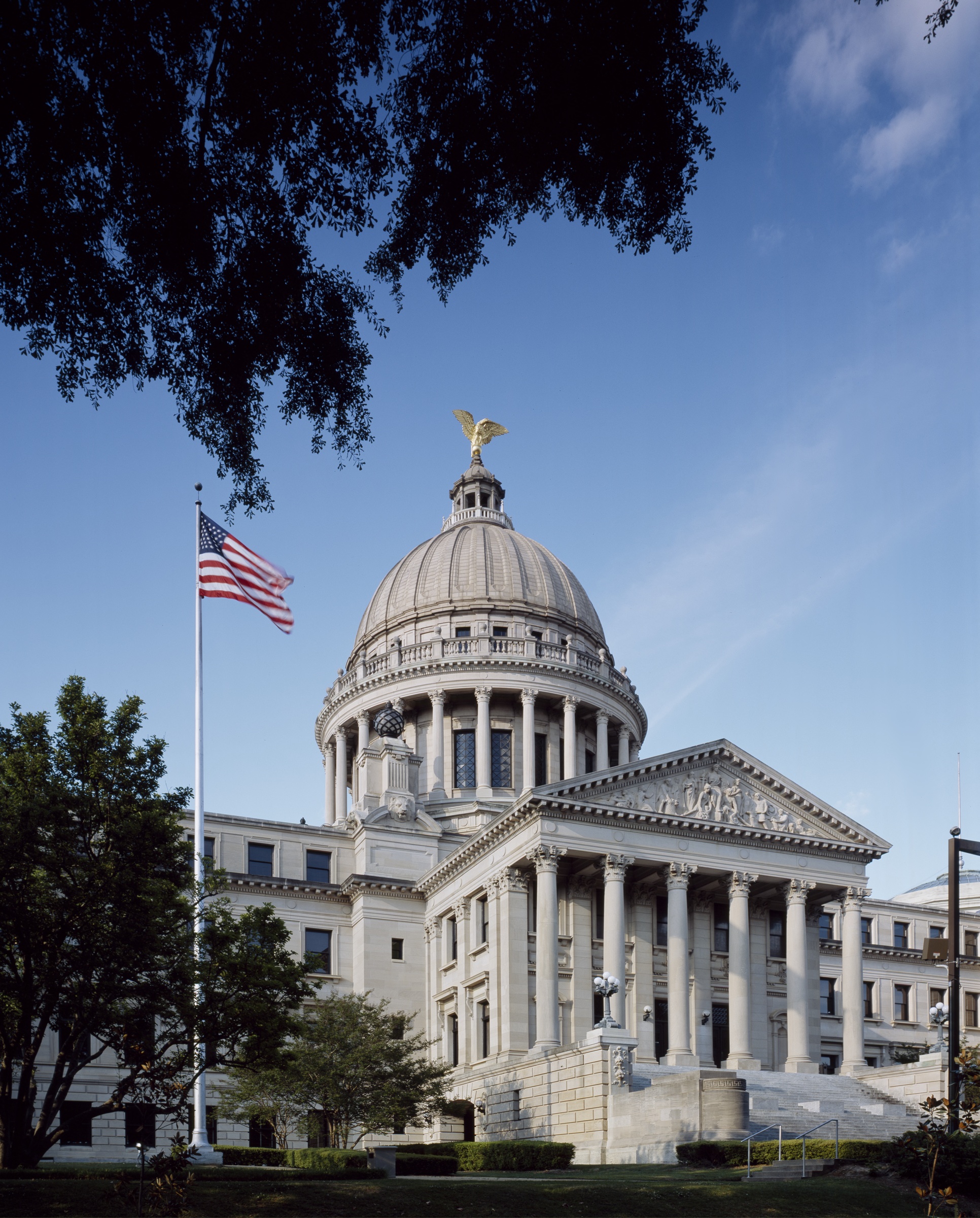
Photo: Carol M. Highsmith / Library of Congress, Prints and Photographs Division, LC-DIG-highsm-12519, between 1980 and 2006. Public domain. Resized; no crop.
An event photography search becomes easier when the organizer can describe what success looks like. I would ask a Mississippi client which pictures they need to use the next day, which people must appear, and which part of the program cannot be repeated. Those answers tell me more than a claim that the event will be unforgettable.
For local context, I checked the Jackson Convention Complex's official planning page and the Mississippi Coast Convention Center's public information and booking form. They support the facility references below. The examples are hypothetical briefs, not personal accounts, statements that jobs are open, or a ranking of named photographers.
A Jackson presentation with a sponsor reception and a Gulf Coast conference with several participating organizations can need different coverage decisions. I would expect the proposal to show that difference. A useful photographer explains the work they can do and the information still needed to do it well.
Jackson: choose the relationship between stage and reception
The Jackson Convention Complex's official planning page identifies an exhibit hall, carpeted ballroom, meeting rooms, pre-function lobby and registration space, and an outdoor patio overlooking downtown. A brief should identify the booked spaces rather than use the complex's name as though it describes one room.
For a sample presentation followed by a sponsor reception, I would begin with the intended story. Does the client need the speaker's message, the scale of attendance, introductions among supporters, or a planned group? Each can matter, but the photographer needs to know which images are indispensable.
The public venue description cannot establish the actual stage, screen, seating, or display arrangement. Ask the organizer for the current approved plan. A photograph from another ballroom event may demonstrate skill without showing the working positions available at this one.
A reception photograph needs more than a room full of people
I would ask the organizing team which relationships matter. If the goal is to show a sponsor representative meeting participants, identify the person and a contact who can help. A photographer can recognize a useful visual moment without knowing the client's internal relationships.
If the client needs a formal sponsor group, schedule it. Do not assume that all required people will gather naturally after the presentation. Assign someone to bring them together and verify the list. The photographer can direct the image once the organizer supplies the right people.
For informal coverage, explain whether posed groups are welcome or whether the client prefers a documentary approach. Those are choices to agree on, not universal rules. A photographer should not have to guess whether stopping guests improves the result or interrupts the experience the client wants preserved.
The patio is an option to confirm, not a promise
The official Jackson page describes an outdoor patio. Its appearance in facility information does not mean it is part of every booking. If the client wants a setting image or a group there, confirm access and an alternative before putting the photograph into the agreement.
I would keep the purpose separate from the background. A leadership group may need to identify the team clearly more than it needs a particular view. If the intended position cannot be used, the photographer and organizer can still produce a useful image when they understand that purpose.
Ask who can change the location and how the crew receives the decision. A photographer should not find out from guests that the reception moved while they were still preparing the original position. That communication belongs in the event plan.
Gulf Coast conference: the brief starts with the organizations involved
The Mississippi Coast Convention Center's official page describes convention, conference, and meeting use and separates attendee, planner, and exhibitor resources. Its booking form requests event and meeting-space information. Those are useful reminders that a photographer needs the actual program, not simply the facility's name.
For a hypothetical conference with several organizations, I would ask which one commissioned the photographs and who has authority to approve the scope. A host association, an exhibitor, and a sponsor may want different records from the same gathering. Their requests should not silently become one unlimited assignment.
Name the rooms and activities included, using the organizer's confirmed plan. The general public page does not establish room availability or a photographer's access. Credentials, equipment routes, and release rules need to come from the actual event contact.
Separate host coverage from exhibitor coverage
A host may need an overall account of the conference, while an exhibitor needs interaction around its own display. If the client wants both, describe how the work is divided. A photographer concentrating on one booth cannot also provide complete coverage of an unrelated session in another room.
I would make a short list of required activities and place them beside the schedule. For each, name the image user and the contact who can identify people. This can reveal conflicts before the event rather than leave the photographer to choose between departments without guidance.
If the client only needs a few selected sessions, say which ones. Do not ask for full conference coverage when the actual purpose is a narrow record of one organization's participation. Precise language helps photographers propose a realistic approach and helps the client compare offers fairly.
An open exhibition is not unlimited permission
A public event or visible display does not establish the right to photograph and publish everything within it. Ask about unreleased material, private discussions, participant restrictions, and any review process. The organizing team needs to explain how those limits will be recognized.
I would identify a contact for uncertain cases and decide what happens to images awaiting approval. A photographer should not have to invent a release policy during the program. Nor should a client assume a general instruction to be discreet communicates information the crew has never received.
How I would build the shortlist
For Jackson, I would ask for a delivered sequence that connects a presentation to a reception. I want to see whether the photographer maintains useful coverage when the program changes pace. A room view and one speaker frame do not demonstrate how important people and interactions were handled afterward.
For the Gulf Coast sample, I would review conference and exhibition work for an understandable story. Do the photographs show who participated and what happened, or only empty displays and distant crowds? The correct answer depends on the brief, but the gallery should give evidence relevant to it.
I would review enough of an assignment to judge consistency, not only the photographer's favorite frames. Look at groups, faces against screens, movement between activities, and the quieter moments that explain relationships. A strong highlight can attract attention; a coherent delivered set supports a hiring decision.
Ask the photographer what their role was. If the work came from a larger team, understand which part they covered and which responsibilities belonged to someone else. Additional-photographer experience can be valuable without being described as management of an entire event.
Venue history is helpful only when it stays current
I would not automatically reject a photographer who has not worked in the exact room. They can prepare using the approved plan and organizer instructions. I would also not assume that someone who has worked there knows the next event's arrangement or permissions.
A proposal should describe preparation rather than rely on a broad claim of local knowledge. Ask which details have been confirmed and which still depend on the client. That distinction is more useful than a promise to know every venue or type of celebration in Mississippi.
A reference can test how the person handles uncertainty. Ask about a late change, a missing participant, or an image request that needed clarification. Did the photographer communicate in time for the organizer to choose? There is no need to collect private event details to learn whether that working relationship was reliable.
Put the client decisions into the agreement
For the Jackson example, list presentation coverage, reception priorities, and the required group if one is included. For the conference, list the organizations, sessions, and exhibit activities commissioned. The agreement should make it possible to tell whether a new request is part of the original job.
Name the person who approves additions. A guest's request for a portrait does not necessarily authorize the photographer to leave a required session. A sponsor's suggestion may matter, but the commissioning client should decide whether it changes priorities. Clear authority keeps the crew from following whichever request arrives most insistently.
Discuss image uses explicitly. Internal records, public social posts, press distribution, sponsor reports, and advertising are different intentions to put on the table. Receiving files does not by itself explain the permission provided. The agreement should describe the actual intended audience and rights.
The photographer's portfolio use is another decision. A private gallery can be delivered successfully without permission to show it publicly. Ask for the approval the agreement requires rather than surprise participants when their images appear later in promotion.
Compare scope instead of a headline total
Two proposals may cover different rooms, different program segments, or different staffing. Read those boundaries before comparing them. An image count also needs context: more repeated frames do not necessarily provide a more useful record of the required people and moments.
Ask how changes are handled if a session moves, a reception is added, or the program runs longer. You do not need to predict every disruption. You do need a clear decision route so neither side assumes a change is automatically included or automatically impossible.
If insurance documentation is required, obtain the venue's current instructions and ask whether the proposed photographer and crew satisfy them. Do not infer policy details from a portfolio or treat one certificate as proof that every venue requirement is met. This is a check against the actual assignment.
The crew needs a working arrival note
A guest invitation may omit equipment access, reporting points, and permitted setup time. I would create a separate note identifying the organizer's contact, the confirmed entrance, the arrival window, and the route for the gear being brought. If a detail is still open, leave it marked as open.
Explain any portrait station or additional light before arrival. A portable setup still takes space and must fit the approved circulation and production plan. The photographer should not occupy an aisle because a public floor plan appears to have room, and the client should not add a station without considering its effect on roaming coverage.
For a program using another city or property, supply separate instructions. Jackson's facility information cannot establish access on the coast or at a private venue elsewhere. Use the actual location and schedule rather than a generic statewide travel assumption.
Photographers: answer the part of the job that can go wrong
For the Jackson presentation-and-reception inquiry, I would explain how I would protect the required group and cover the transition from stage to guests. I would ask about the patio only if the client wants to use it and make permission an explicit condition. That response shows more attention than a generic claim to photograph all events.
For the Gulf Coast inquiry, I would clarify who commissioned the work and how host, sponsor, and exhibitor priorities relate. If the schedule puts essential moments in different rooms simultaneously, I would explain the specific conflict. The client needs a choice they can make, not a promise that ignores the problem.
ProShoot's published client process describes posting assignments, comparing bids and portfolios, and choosing a photographer. Its photographer process includes applying and presenting work. Use those steps to make the actual approach understandable. A marketplace profile does not prove credentials, insurance, access, availability, or permission to publish previous clients' material.
Show only examples you are allowed to share. If the most relevant project is private, use another authorized example or obtain approval through the appropriate route. A new inquiry should not become a reason to expose an earlier client's restricted program.
A specific question can be stronger than a broad promise
If the room configuration, release rule, or arrival route is unknown, say what depends on it. The client can then supply an answer or compare proposals with that condition visible. Pretending the detail is settled only moves the uncertainty to event day.
Do not treat a public calendar as a list of photography openings. Seek authorized briefs and describe the work you can actually perform. This guide does not promise a stream of jobs from tourism, industries, festivals, seasonal peaks, or statewide demand claims that the cited facility pages do not establish.
Delivery should help the client finish their own work
For the sponsor reception, the organizer may need required groups and interactions easy to locate. For the multi-organization conference, the useful structure may separate sessions and commissioned exhibit activity. Discuss the organization that supports the client's next task rather than assume one undivided gallery suits everyone.
If captions or names are included, identify who verifies them. A photographer should not guess titles, affiliations, or spelling from memory or a partly visible badge. The organizing team must provide a reliable source for factual labels just as it provides the program.
Agree on a delivery date and any earlier selection separately. If images are needed during the event, describe the review route and how editing affects coverage. A casual request for quick photographs should not silently become an unlimited obligation to edit while also photographing the full program.
State the storage and file-access terms actually offered. Do not promise permanent availability unless it is genuinely part of the service. The job closes more cleanly when the client understands where the agreed images are, which require review, and how to request a factual correction.
Choose the proposal that makes the work clear
I would not name one photographer as the right choice for every Mississippi event without reviewing the actual assignment and available work. A useful shortlist comes from relevant complete examples, a specific plan, and clear answers about the decisions only the organizer can make.
For Jackson, that might mean a thoughtful connection between presentation and reception. For the Gulf Coast conference, it might mean a precise distinction among host, sponsor, and exhibitor needs. The same photographer could fit both, but their response should show why.
Whether you are hiring through ProShoot or applying there, make the purpose of the pictures visible. Agree on the required moments, the people responsible for arranging them, and the boundaries of the job. That conversation gives both sides a more useful starting point than the broadest promise to capture everything.
Confirm who represents each organization in the image plan
For the hypothetical conference example, an organization list is only the start of a partner record. Ask the client who can identify the representatives and explain the practical image requirement. A visible logo, an introduced conversation, and an arranged group establish different things.
If the required representative changes or does not attend, the photographer needs an update and a decision route. Do not let an unfamiliar person be assigned a role from appearances. If captions are included, use the client's verified factual source and preserve unresolved status rather than guess.
The stage-to-reception plan needs the same clarity. The organizer should explain which relationship must remain visible as the program changes setting and treatment. That does not require the crew to learn private background unrelated to the task. It requires names, useful introductions, and a shared priority. With those pieces in place, an applicant can describe a credible service and the final recipient can understand the pictures without reconstructing the commission from a room full of unidentified faces.
Sources checked November 6, 2026
- https://www.jacksonconventioncomplex.com/p/planyourevent
- https://www.mscoastcoliseum.com/p/conventioncenter
- https://www.mscoastcoliseum.com/p/conventioncenter/plan/463
- https://proshoot.io/how-it-works/
Ready to hire a professional photographer?
Post your job free and get bids from photographers near you.
Post a Job Free →