Top Event Photographers in Minnesota
Find top event photographers in Minnesota for conferences, corporate events, and weddings. Hiring guidance plus photography jobs across MN.
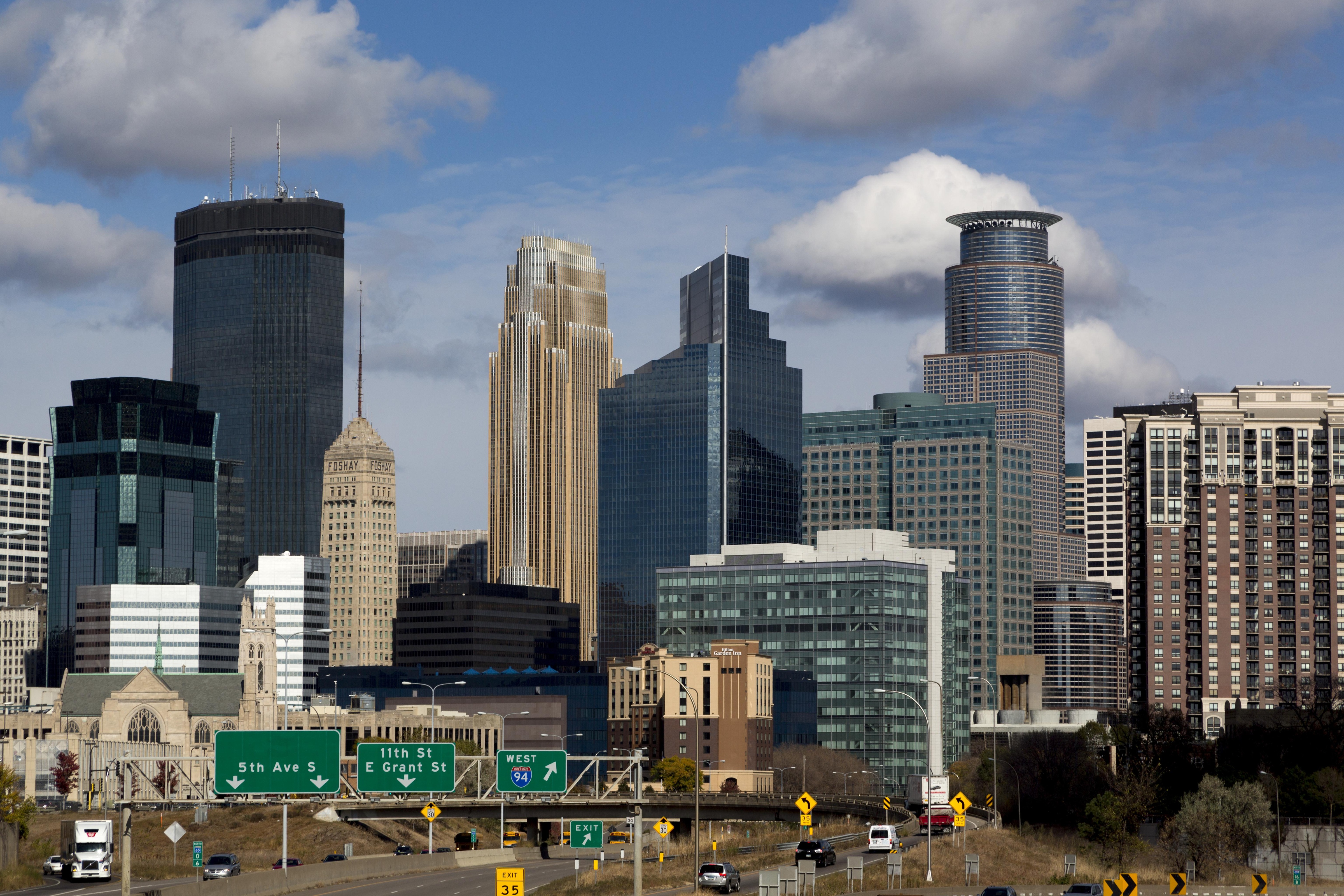
Hero photo: Skyline view of Minneapolis, Minnesota, October 2012, by Carol M. Highsmith. Photographs in the Carol M. Highsmith Archive, Library of Congress, Prints and Photographs Division. No known restrictions on publication. Resized, uncropped.
When I read a Minnesota event photography brief, I want the names to be current and the responsibilities to be clear. A convention center listing, an arena's new name, and a client's old schedule can describe the same assignment differently. Before comparing photographers, I would make sure the brief points to the right place and explains what the gallery must accomplish there.
I have photographed events for more than 20 years. That experience makes me cautious about broad promises of coverage based on a city, an industry, or a recognizable venue. This guide uses the Minneapolis Convention Center and the Twin Cities' arena names to show how I would turn a Minnesota event request into a workable commission. It is not a ranked list of photographers or a claim that any particular client is hiring.
Check the Nouns Before Discussing the Pictures
A wrong venue name can seem like a small copy error until it affects an address, an entrance, or a contact's understanding of the plan. I would start preparation by checking the event title, edition, property, room, and commissioning organization. Use the current instructions for the actual assignment rather than a remembered name or a previous program.
Grand Casino Arena is the current name, not Xcel Energy Center
The Mille Lacs Band's 2025 announcements identify the change from Xcel Energy Center to Grand Casino Arena in September 2025. I would use the current name in a new brief and preserve the former name only when it helps explain an older reference. That avoids treating an outdated program as a current instruction.
The naming fact does not establish the rules for a photography assignment. Ask the client which activity they are commissioning and where it happens. An event associated with an arena may involve hospitality or a private room rather than competition or a performance. The proposal should describe the actual work, not a general expectation attached to the building.
If a client forwards an older document, update the operational details together. Confirm the address, entrance, reporting contact, and coverage area. Do not correct the name while leaving an unverified arrival plan untouched. The purpose is a usable brief, not simply a current label on an old set of assumptions.
Target Center is a separate venue
Target Center's own arena information identifies its Minneapolis setting. I would keep it distinct from Grand Casino Arena in St. Paul. A request that says the Twin Cities arena is not precise enough for a photography proposal. Name the property and the relevant space so nobody has to infer which building the client means.
That precision is especially useful when an event series uses several locations. Give each date its own instructions. A reception at one property should not inherit the access conditions of a program at another. Ask the photographer to confirm the locations included in the proposal, along with any movement the schedule requires.
The same applies to image captions and delivery folders. A mistaken venue label can spread after the photographs leave the original team. Confirm the identifying information before public distribution. The photographer should have a reliable source for names rather than be asked to reconstruct them from a busy program afterward.
Minneapolis Convention Center: Verify the Space You Need, Not Every Number You Find
Meet Minneapolis describes the convention center as offering more than 480,000 square feet of exhibit space, a ballroom, an auditorium, and meeting rooms connected to the skyway system. Its listing contains different meeting-room counts in separate parts of the page. I would not choose a count from that conflict for a hiring guide. The actual room list is more useful to the assignment anyway.
Use a current floor plan to define the job
Ask the organizer which halls and rooms are booked and where each required activity takes place. Mark the program segments that overlap. A total exhibit-space figure does not tell a photographer where a leadership portrait happens or whether it conflicts with a session. The coverage plan should follow those specific requirements.
For an exhibition client, ask what the photographs need to show about their participation. For a conference organizer, ask which parts of the wider program must be represented. Those clients may use the same building but need different images. A clear proposal names its boundary rather than promising a whole convention by default.
If the assignment includes a separate reception, list it with its own address or room and coverage window. Do not assume the convention center's connectivity makes every movement effortless or every entrance available to vendors. Get the route and equipment instructions from the responsible event contact.
Treat source conflicts as a reason to narrow the claim
The meeting-room count is a useful example of what I would do when public information disagrees. Keep the fact that can be supported, omit the unnecessary disputed number, and ask the host for the details that actually affect the event. A hiring guide does not need every statistic on a venue page to be useful.
For an assignment, unresolved details should be named plainly. If the room is not confirmed, do not pretend it is. The photographer can still discuss the program and portfolio while the organizer settles the location. Preparation can continue without turning uncertainty into an instruction to use the wrong space.
Give the Photographer a Recognition Plan
A Minnesota event may involve people whose significance is obvious to the host but not to a visiting photographer. I would make identification part of the brief. The crew needs to know who matters to the commissioned story and who can help recognize them without interrupting the program.
Replace vague VIP instructions with names and roles
List the people who need specific coverage and explain why. A speaker, an award recipient, an incoming leader, and a guest with a short availability window may each need a different opportunity. Where appropriate, provide a reference image or an introduction from the event team. Avoid asking the photographer to guess from clothing, seating, or attention in the room.
A named contact should be available when the program changes. If a presenter is replaced or a group arrives late, the photographer needs updated information. The contact should understand which photographs are essential so they can make a useful decision rather than merely pass along another request.
For a private gathering, the recognition plan can be simple. Identify relationships and formal groups, then appoint someone who can gather them. The photographer can arrange the frame but cannot reliably know who belongs together from an unfamiliar guest list. That small piece of host support can protect the image everyone expected.
Distinguish recognition from constant attention
A person being important does not mean every photograph should feature them. Ask how the client wants to balance leadership, participants, and the wider program. A gallery can acknowledge key people while still showing the event as a gathering rather than a series of portraits of the same few faces.
I would also leave room for interactions that explain the event's purpose. A discussion, a demonstration, or an audience response may tell the story more clearly than another posed photograph. Give the photographer the context needed to recognize those moments rather than prescribing every composition.
Create a Coverage Order That Can Survive an Overlap
A schedule says when activities happen. A coverage order explains which photograph matters when the schedule asks for two at once. I would make that distinction explicit before hiring, especially for a program spread across rooms or properties.
Mark the moments that cannot be repeated
A short presentation, an award handoff, or a guest's departure can create a limited opportunity. Put those moments beside any other essential request happening at the same time. Ask whether the schedule can change, whether the client can choose a priority, or whether more coverage is needed. Do not rely on a general statement that the photographer works quickly.
For portraits, confirm the space and the person responsible for gathering subjects. A portrait request with no time or location is not a finished plan. If it is essential, give it a real place in the program. The photographer should be able to explain what conditions are needed without promising that an unused room will appear on demand.
Make changes through one decision maker
Several stakeholders may reasonably want different images. Combine their requests before the event and identify who can settle a conflict during coverage. If each person gives the photographer a separate priority list, the crew may have no way to know which commitment takes precedence.
When a change affects another requested image, say so. A move to a new room, an added portrait, or an early edit can alter what is possible. The event contact should approve the tradeoff rather than assume the new request simply fits. Clear decisions keep the scope from changing invisibly.
Prepare an alternative without predicting conditions
For an indoor-outdoor program, identify the approved alternative and how it will be communicated. Ask what happens to any setting-specific photograph if the location changes. The essential people and purpose may remain the same even when the background does not.
Do not ask a photographer to guarantee weather, access, or a particular expression. Ask how they would preserve the assignment's purpose under the confirmed conditions. A sensible alternative is a better basis for hiring than an assurance that everything will work exactly as pictured in advance.
Compare Portfolios for Recognition, Continuity, and Restraint
I would request a full relevant gallery that the photographer can share, then read it with the brief in mind. Does it identify the event? Does it show the people and activities that matter? Does the sequence hold together between the headline moments? Those questions are more useful than counting striking images at the top of a profile.
Look for continuity across ordinary moments
Arrivals, breaks, room changes, and quiet exchanges can connect a program's formal parts. Check whether those images add information or simply repeat the same scene. A gallery should help a client understand the gathering, not require them to explain what happened between every pair of frames.
Ask what the original assignment required. A focused gallery may be appropriate for a narrow commission, while a broad event record needs a different balance. The photographer's explanation should make the role and the edit understandable. Do not judge an image count without knowing the job behind it.
Read directed pictures for care
Group portraits and formal presentations reveal preparation. Look at faces, spacing, hands, and distracting backgrounds. Ask how the photographer works with the host to organize these moments and keep them from interrupting the program unnecessarily. Relevant examples should show more than an attractive room.
For candid coverage, look for discretion. Are people photographed at meaningful moments, or are expressions awkward and interactions repeatedly interrupted? Ask when the candidate would direct a picture and when they would step back. That answer tells you how their approach might feel to the guests as well as how it looks in a portfolio.
Understand a team gallery accurately
If several photographers covered the sample event, ask which images and responsibilities belonged to the candidate. That experience may fit your needs, but the role should be clear. Do not assume that a photographer associated with a large gathering personally covered every room and activity.
For your own proposed crew, ask who handles each priority and how instructions are shared. Additional photographers help when responsibilities are defined. They do not replace a current schedule, reliable names, or clear publication boundaries.
Decide Where the Images Go Before They Are Made
A gallery can be useful internally while only part of it is appropriate for public release. I would ask about audiences and approvals before coverage, not after the files have already reached several teams. The photographer needs a practical distinction between what may be captured and what may be distributed.
Identify restricted people and material
Name any screens, documents, activities, or guests that need special handling. Explain how the crew will recognize them and who can answer a question. A general warning about confidentiality does not tell the photographer which frame is safe to make or release.
If a public selection needs review, identify the reviewer and the destination for submissions. Keep that step separate from choosing attractive images. A selected photograph is not necessarily an approved photograph, and another team should not have to infer the difference from a hurried delivery.
Agree on a finished package
Put the edited gallery, file formats, delivery dates, and selection process or expected quantity into the agreement. Include captions or naming requirements if they matter. Clarify what the edit includes and what would be a later request. A client should know when the commissioned package is complete.
Any images needed during the event should have a separate plan. Explain which files, who receives them, and how selection and editing fit around coverage. Ask the photographer about the practical effect on the program. Do not assume an early delivery request requires no time or changes nothing else.
Preserve permissions with the archive
Discuss whether sponsors, participants, or outside organizations may receive and reuse images. The client's possession of a file does not explain every possible use. Ask the photographer to make the proposed terms understandable so the event team can apply them later.
Keep the usage guidance with the archive. A future colleague may find the photographs without remembering the original discussion. Clear captions, recipients, and permission information make the gallery more useful after the people who commissioned it have moved to another project.
Keep the Old Name as a Search Aid, Not an Instruction
If stakeholders still refer to an arena by its former name, I would add a short explanatory note to the current plan. That lets people recognize the reference without creating two competing location labels. The actual address, room, entrance, and contact should remain together under the confirmed current property.
Apply the same care to the archive. Preserve historically accurate captions for older events, but do not copy them into a new gallery automatically. A useful record tells the truth about the event pictured while giving the next team current instructions for the assignment ahead.
Use ProShoot to Present a Minnesota Assignment Clearly
Post the current venue name, address, date, coverage hours, purpose, and relevant constraints. Available photographers can assess that job and respond with portfolios and bids. Compare the proposals against the same brief, then resolve differences in staffing, locations, delivery, or intended use before choosing.
For photographers seeking event photography jobs in Minnesota, show relevant work and explain your actual role. Use local knowledge to identify questions that need answering, not to promise institutional demand or a full calendar. Venue size and an arena's current name are facts to handle accurately; they are not evidence that work is guaranteed.
Before the event, review the names, rooms, priorities, permissions, and delivery contacts once more. Ask what changed since the proposal. After delivery, check identifying information and the agreed package before distribution. That is the Minnesota hire I would aim for: useful photographs of the right event, with a clear plan from recognition through the archive.
Ready to hire a professional photographer?
Post your job free and get bids from photographers near you.
Post a Job Free →