Top Event Photographers in Minneapolis
Compare Minneapolis event photographers through a clear program and useful evidence. Convention ballroom and auditorium examples for clients and applicants.
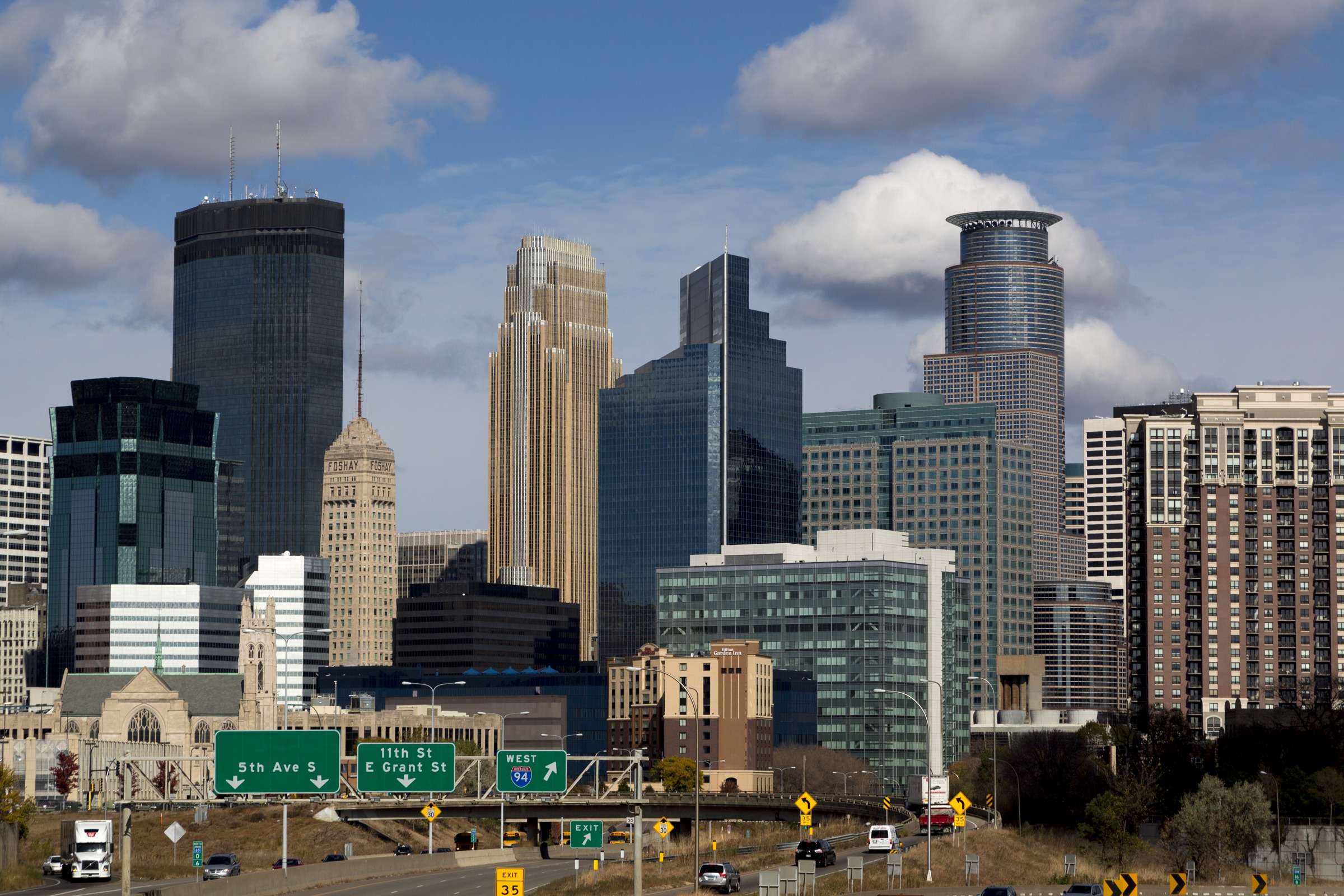
Photo: Carol M. Highsmith / Library of Congress. No known restrictions on publication. Resized.
When an organizer asks me to compare two photography proposals, I would first ask whether they describe the same job. One may promise a presentation record while another includes guest interaction, groups, and a second photographer. A similar headline does not make those services equivalent.
For a Minneapolis event, the room and program can expose those differences. A ballroom recognition event and an auditorium presentation may share a date and organizer without asking for the same photographic attention. The useful comparison starts with the client's actual needs, not a claim that one photographer is right for everything.
The examples below use current official Minneapolis Convention Center room pages and an official arena-naming announcement. They are hypothetical, not open jobs or accounts of my personal shoots. This guide helps an organizer evaluate work and helps a photographer prepare a specific application without pretending the title establishes a ranked roster.
Build the comparison before reading the bids
I would write down what the client wants someone to understand from the pictures. The answer might be a program announcement, recognition of participants, or the relationships around a gathering. Those purposes define the evidence to request and the scope to compare.
Then identify the essential people and moments. A brief exchange can matter more than a long routine session. The organizer knows that meaning and should explain it. A photographer cannot reliably infer every priority from duration, seating, or a person's title.
Finally, put the requirements on one timeline. If two essential activities overlap in different spaces, the client needs a choice before treating a single-person proposal as complete. Priorities, sequencing, and another photographer are practical alternatives, not evidence that someone lacks enthusiasm.
A comparison sheet should expose conditions
An approved portrait position, a credential, or a subject's availability can determine whether a result is realistic. Put the dependency beside the proposed service and name who will settle it. An incomplete fact should not disappear beneath confident wording just because both parties want to finish booking.
The organizer can compare the same confirmed task across applicants while asking different candidates to explain their approach. That is more useful than soliciting broad prices for an undefined event and discovering later that everyone imagined a different commission.
This guide does not list rates or claim that image volume alone determines value. The question is what work is included and how well the evidence supports it. More files can be helpful without replacing a missing essential person or moment.
Ballroom example: recognition, groups, and the surrounding gathering
The convention center's official Ballroom A & B page distinguishes Ballroom A, Ballroom B, and their combined arrangement. It identifies theatrical rigging, dressing rooms, and motorized screen or banner features as facility capabilities. This guide does not copy numerical capacities or treat those features as permission for an outside crew.
Imagine a recognition gathering using a booked ballroom configuration. The client wants presentations, reactions, and a group of honorees. I would ask for the actual approved layout and final program. A combined room name does not tell the photographer where the stage faces or how guests move.
The proposal should address the sequence rather than merely the venue. Which parts need complete coverage? When are recipients available together? How much posing does the organizer want? Those are the decisions that make two offers comparable.
Test the presentation convention
If recipients should pause beside the presenter and look toward the camera, the host needs to communicate that expectation. A held recognition image and a natural handoff require different cooperation. The photographer cannot silently make a continuously moving program produce both on demand.
If observation is preferred, say that instead. The photographer can focus on the exchange and reaction without directing every recipient. Neither approach is inherently right for all events. The problem is allowing the client and crew to carry different definitions of the required photograph.
Provide the final order and a reliable names source. If a substitute appears, identify who informs the crew. The photographer should not guess the recipient from an outdated printed program or a partially visible badge.
Test the group plan
A required group needs a moment accepted by the participants and a contact who can gather them. A photographer can arrange subjects without knowing the entire roster, but the organizer must recognize who is missing. Waiting until people leave can turn a simple request into an impossible one.
Choose the essential combinations and their purpose. One shared honoree image and a long sequence of departments create different work. Additional requests can sound brief individually while collectively displacing the candid story the client also expected.
Confirm an approved position and an alternative when the image is essential. The people together may matter more than a particular background. If the location itself is indispensable, make that condition clear before accepting the proposal.
Test the attention available for the gathering
A formal group sequence takes the photographer away from observing guests. If the client wants both continuous interaction coverage and extensive groups, ask how the staffing or schedule supports it. Do not treat one person's attention as unlimited because all tasks share a room.
Provide a recognition contact for essential partners, supporters, or leadership. A list of organizations cannot identify unfamiliar faces. Introductions can make candid work purposeful without turning every exchange into a posed image.
If a required person is absent, name who decides whether to return or use an approved alternative. An open-ended search can consume the program. Honest status lets the organizer choose instead of assuming the photograph is already complete.
Auditorium example: continuity and selected parallel activity
The convention center's official auditorium page distinguishes Full, Main, and separate room configurations and describes projection features. Those categories support questions about the actual booking. The page's promotional acoustics, parking, and comparative amenity claims are not used here to evaluate a photographer.
Imagine a presentation with a related smaller discussion. The organizer may want the main session preserved continuously and the discussion represented through selected images. Or the organizer may need complete records of both. Those are different commissions and should produce different coverage proposals.
Request the actual event setup and permitted positions. A room inventory does not authorize a camera in an aisle, a light in a particular location, or use of production equipment. The photographer should explain the intended approach and the confirmation it requires.
Test what the gallery says beyond the speaker
A close portrait can preserve expression. A broad view can establish the room. Audience response can show participation. Tell the photographer how those needs relate rather than expect one image type to fulfill every editorial purpose.
Review a permitted complete presentation sequence. Follow ordinary moments, speaker changes, and the transition afterward. A dramatic favorite demonstrates selected ability without establishing the sustained coverage the client may be commissioning.
Ask what the applicant personally handled in the example. An additional photographer may have covered the audience while another controlled stage continuity and delivery. Accurate attribution makes the experience useful without implying sole responsibility for the whole project.
Test a conflict before it happens
Suppose a leadership portrait is requested while the auditorium presentation continues. Name the authorized decision-maker and ask the photographer to explain the tradeoff. If both moments are essential, another photographer or another time may be needed.
A guest or another department can have a reasonable request without authority to redirect the commission. The crew should not quietly abandon an essential activity because someone asks confidently. A clear contact protects the program while allowing helpful changes.
If the session moves, update the version the crew follows. A change sitting in a separate conversation can undermine a good original plan. The photographer should acknowledge any effect on coverage, staffing, or equipment before the revised instruction is treated as settled.
Portrait extension: a separate line in the comparison
A participant portrait request might mean informal introductions or a consistent profile series. Define the result. If matching existing work is important, provide an authorized reference before the event rather than introduce the look after photographs have been made.
Ask the photographer to explain the setup's footprint and participant flow. A light, backdrop, or waiting group occupies space. A room's published maximum cannot establish that a station fits around the actual installed furniture and production.
Assign someone who calls participants and verifies names. An unfamiliar photographer should not repeatedly leave a prepared setup to search. The client supplies recognition and availability while the photographer directs subjects and makes the images.
Test the actual overlap
A fixed portrait station and uninterrupted roaming elsewhere cannot both be continuously performed by one person. Put them beside the program and require a realistic division of time or crew. A portrait service should not be hidden as an incidental favor inside a promise of complete event coverage.
If a subject is late, the authorized contact should choose what changes. The photographer should not have to decide between a waiting executive and an unrepeatable presentation without the client's authority. Explain the consequence while there is still a choice.
If the preferred location is unavailable, return to the intended use. An approved alternative may preserve a consistent portrait series better than waiting for one backdrop. If the setting itself is essential, state the dependency plainly.
The naming check: Grand Casino Arena is in St. Paul
The Mille Lacs Band of Ojibwe's official 2025 announcement identifies the naming-rights partnership for the former Xcel Energy Center in St. Paul, with the Grand Casino Arena name beginning in September 2025. A current regional inquiry should not rely solely on the outdated name or present the property as a Minneapolis convention room.
That naming fact does not establish an open job or permission to photograph a game, performance, backstage area, or private hospitality event. A commission there needs its own organizer, booked activity, and access instructions. The name check and permission check answer different questions.
If a Minneapolis program adds a function elsewhere, create a separate location and scope note. Use actual addresses and the complete schedule to judge feasibility. This guide does not promise transfers or general skyway connections from a regional impression.
Put an actual person beside every offered service
The ballroom example might be a one-person assignment if the groups and recognition are properly sequenced. The auditorium example might need someone dedicated to the parallel activity. Ask the applicant which person would perform each role and which example in their portfolio demonstrates that role.
This is especially important when a service presents a collaborative gallery. There is nothing wrong with showing a team result, but the client should understand the applicant's contribution. A photographer who handled reception guests can show real strength without implying they also managed every podium image. On the new job, the responsibility split should be equally clear.
A reference can help answer a different question from the portfolio: how did the photographer communicate when the planned sequence stopped working? I would ask for one example of a moved group or delayed presentation. The useful detail is whether the organizer understood the consequence in time, not the names or private circumstances of another client's attendees.
If a complete project is restricted, use a permitted substitute. Do not treat a prospect's request as a reason to publish private information. How carefully an applicant protects an earlier client's boundary may be relevant to your own event later.
Ask what each future image user receives
The honorees may want their recognition photographs. Communications may want a cleared public selection. The program team may need the internal sequence. Those users can share the commission without receiving identical selections or permissions. Describe the intended audiences before accepting the proposal.
A review decision should belong to someone. If the organizer needs a names check, identify the factual reviewer. If confidential content needs approval, identify that person separately. An image of people talking is not proof of an outcome; any caption making that claim needs a reliable source beyond its visual appearance.
Portfolio promotion is another use to discuss, not a permission silently included with private delivery. The fact that a client accepts a gallery does not necessarily approve the photographer's own public selection. Keep restrictions attached to the relevant images after the event ends.
Make the practical checks specific to this room
For the convention booking, ask the responsible contact for any current credential or insurance specifications, then confirm the actual attending crew can satisfy them. A marketplace listing and a good set of photographs do not establish a policy. Requirements supplied for another property remain leads, not proof of what this event needs.
Likewise, the ballroom's production features do not tell the photographer where to arrive or what equipment may be placed. The final working note should contain the assigned reporting point, approved position, and change contact. If something is unknown, give the question an owner instead of filling it with an entrance that merely sounds plausible.
An added St. Paul function should be explicit about its destination and task. The regional relationship does not make it part of a Minneapolis room booking. Judge the commitment using the real addresses and program, not a broad assumption about how easily a photographer can move between them.
Photographers: explain one useful difference in your offer
If the client is comparing two proposals, help them understand what yours actually includes. Perhaps the ballroom groups can happen in sequence but the auditorium session needs a second person. Perhaps the portraits are a dedicated series rather than informal participant images. Explain that distinction through the current brief, not a slogan about exceptional coverage.
ProShoot's published workflow provides for clients to post work, review bids and portfolios, and choose a photographer. Its photographer process includes applying and presenting work. The exchange is useful when it reveals the real assignment. Platform presence does not establish access, insurance, or personal history with the property.
Check the full commitment before confirming availability. Arrival, preparation, the meeting, and an added function all matter even when the public program is short. Be candid about a room, subject, or permission still awaiting confirmation and explain what the answer changes.
This guide does not derive jobs from headquarters lists, corporate rankings, sports calendars, or an idea of year-round demand. An actual opening needs a commissioning organization and a current task. Local preparation can be demonstrated through the convention-room distinction and correct arena identity without inventing a market forecast.
Finish the comparison by defining a clean handoff
Ask the client which search they will make first in the delivered work. Finding a particular honoree, the main announcement, or a cleared public photograph can call for different organization. Agree on the useful structure instead of assuming a long chronological list will suit everyone.
Set a delivery date and treat any earlier selection as planned work. If editing is required during the event, explain how that interacts with photographing and review. The client should not imagine an unlimited live service where the photographer proposed only a finished gallery afterward.
Use the access and storage terms actually offered. Make pending approvals visible, provide a factual-correction route, and explain a missing required photograph if its subject was absent or the activity canceled. A short reconciliation with the authorized final plan is more useful than leaving the client to discover material gaps alone.
Choose the proposal that describes the actual event
The ballroom and auditorium examples need different decisions even when the client calls both event photography. I would choose through relevant complete work, accurate responsibility, and a scope that makes those decisions visible.
Whether hiring through ProShoot or applying there, compare the service the event actually needs. A clear shared commission is stronger than an unlimited promise attached to a familiar Minneapolis venue name.
Sources checked November 6, 2026
- https://www.minneapolis.org/minneapolis-convention-center/event-planners/floor-plans/level-one/ballroom-a-b/
- https://www.minneapolis.org/minneapolis-convention-center/event-planners/floor-plans/level-one/main-auditorium/
- https://millelacsband.com/government/official-documents-and-communications/2025-announcements
- https://proshoot.io/how-it-works/
Ready to hire a professional photographer?
Post your job free and get bids from photographers near you.
Post a Job Free →