Top Event Photographers in Michigan
Hiring guidance and photography job advice for Michigan clients and photographers.
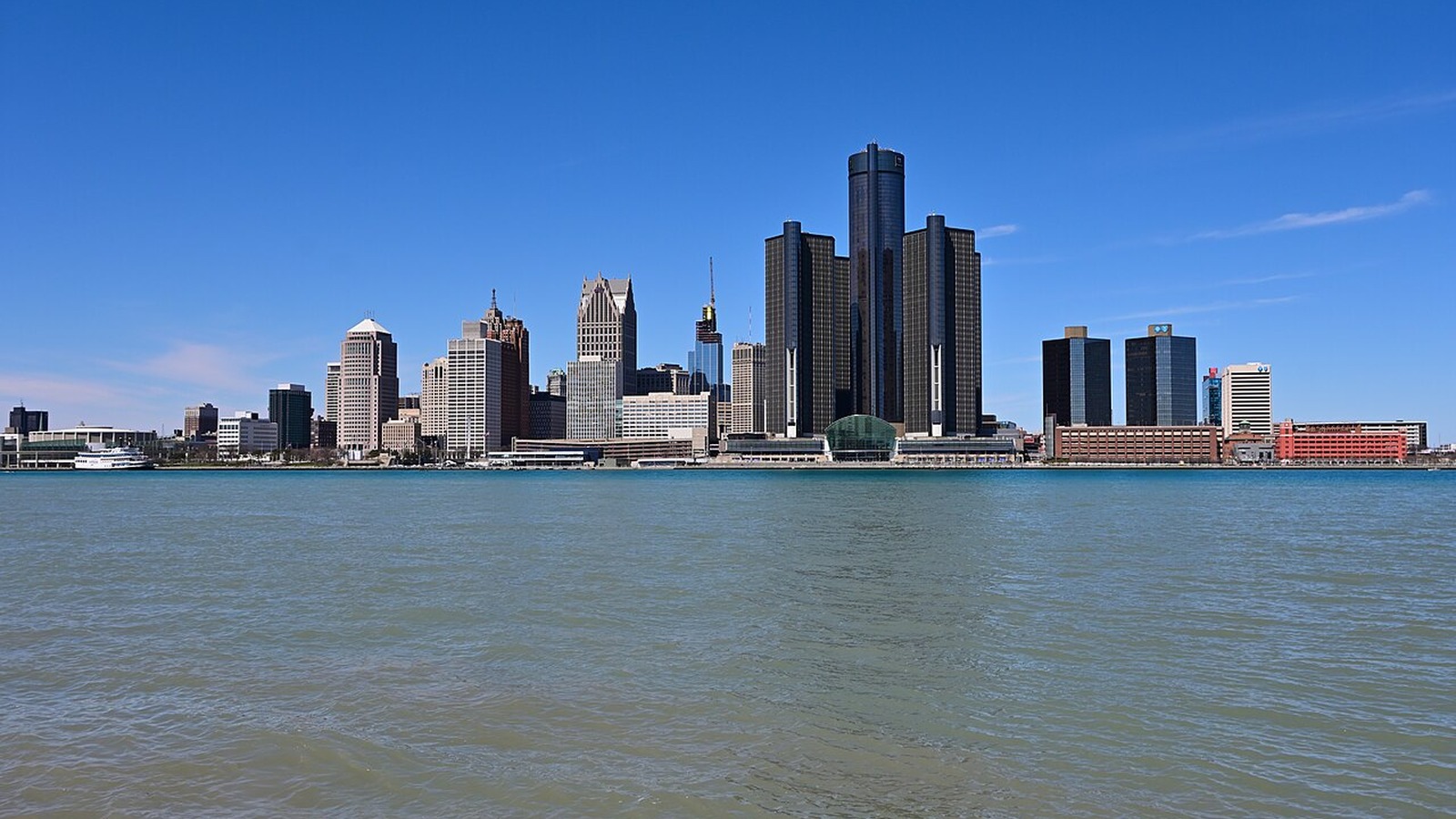
Photo: Andrew Heneen / Wikimedia Commons. CC BY 4.0. Cropped and resized.

I would build the assignment around a shot map
A shot list can become a wish list nobody can use. It grows as different departments add requests, but it does not say where the photographer needs to be or what happens when two requests collide. For a Michigan event, I would turn that list into a shot map.
By shot map, I mean a simple connection between the picture, its purpose, its location and the moment it can happen. It is not a set of instructions for every camera angle. It is a way to make the assignment understandable before a client chooses a photographer.
This guide uses hypothetical Michigan jobs to show the idea: a Detroit product gathering, a Grand Rapids meeting, an Ann Arbor workshop and other regional assignments. None is a claim about an event I photographed. Clients can use the examples to improve a brief. Photographers looking for work can use them to explain how they would approach the actual job in front of them.
Detroit: map the product story before the crowd arrives
Imagine a private product presentation in Detroit. The client wants photographs for a recap and material its communications team can use later. The brief says product launch, but that label does not tell the photographer whether the priority is the object, the presentation or people interacting with it.
I would start by asking for the intended story. Is the announcement itself important? Does the client need a record of demonstrations? Should the gallery explain how people use the product? The answers determine where the photographer should spend attention during a busy program.
Then identify any restrictions. A prototype, a screen or a document may be outside the approved material. The photographer needs a clear boundary from an authorized contact. Being hired to photograph an event does not imply permission to disclose every visible detail in the room.
For each requested product photograph, mark when access is possible. An unobstructed setup image might need to happen before guests arrive. An interaction needs actual participation. A portrait with a representative needs that person available and a suitable place to work. Those are separate opportunities, not one vague request to get the product.
A photographer can respond with a short plan explaining those needs. Do not promise activity that the event may not generate. Photograph what happens honestly, and label any deliberately arranged portrait as such in the planning conversation. The point is a useful record, not manufacturing evidence of participation.
What a Detroit product-event portfolio should answer
I would look for photographs that connect the object to the people and setting around it. A polished standalone product photograph may be excellent work, but it does not prove coverage of a live presentation. Ask for relevant event evidence as well.
Can a viewer understand the demonstration? Are hands or faces blocking the important action? Does the sequence show context without exposing material the client did not intend to share? Discuss the earlier brief with the photographer rather than assuming every absence or choice was accidental.
If the assignment includes a separate controlled product session, describe that as another service. The time, space and preparation may differ from roaming event coverage. A client should not expect a catalog-style set merely because a product appears at the event.
For photographers seeking this work in Michigan, explain the role you played in the example you show. If a team handled different parts, be accurate about your contribution. The buyer needs to know whether the proposed service matches the evidence, not simply whether an impressive photograph appears on your website.
Grand Rapids: map people to the photographs that need them
Consider a hypothetical company meeting in Grand Rapids. The organizer needs a leadership group, several employee portraits and a general event gallery. I would map each planned portrait to the people required and the time they can actually be gathered.
A group photograph needs a coordinator. Give somebody the names and responsibility to bring the participants together. The photographer can arrange the picture, but searching the event for missing people can consume the available break. Decide in advance who confirms that the group is complete.
Employee portraits need another process. How many people? What appearance? What background? Are individual filenames required? Ask the company to provide the reference and naming information, and have an authorized person check it. Do not leave identity matching to the photographer's memory.
If portraits run during the meeting, mark that conflict on the map. One person cannot hold a consistent portrait setup and cover a presentation elsewhere at the same time. The organizer can schedule a portrait period, adjust priorities or ask for a staffing alternative.
The client should also decide when the portrait station closes. If late arrivals are allowed to extend it indefinitely, the rest of the program loses its planned coverage. Put the decision in the brief so the photographer is not left choosing between disappointed participants and a missed meeting session.
Judge the Grand Rapids portraits as a set
A team portrait commission needs consistency. I would review several people photographed under a comparable arrangement, not only one favorite portrait. Look at framing, backgrounds and the relationship between the files the company would display together.
If the client wants to match an existing staff page, show the photographer the actual reference. Ask what can be achieved in the available room. A smaller space or a different background may require a new approach. An honest explanation of those constraints is useful before employees expect an exact match.
Keep the portrait output separate from the event edit. State what each person receives, whether selection or retouching is included and how the files are delivered. The general meeting gallery may follow a different organization and purpose.
For photographers, this is an opportunity to show a repeatable service rather than a slogan about making people comfortable. Explain the coordinator's role, the setup needs and the handoff. The buyer can then judge whether that process fits the company day they are planning.
Ann Arbor: map a workshop without interrupting it
For a hypothetical professional workshop in Ann Arbor, I would ask the organizer to describe the activity in ordinary language. What will people do? Which steps are visually meaningful? When does an explanation become participation? Those answers help the photographer recognize a story without directing the workshop.
Mark the places where the photographer may stand and the times they should avoid moving. A demonstration may have safety instructions or a limited viewing area. Obtain the current rules from the organizer or operator. Do not assume photography access because a guest can enter the room.
If there are several stations, decide whether each needs a full sequence. A representative recap and a detailed record of every station are different assignments. The client should explain the required output so the photographer can propose enough coverage.
Ask about material that should not appear. Screens, personal notes or unfinished work may be outside the intended audience. A clear instruction before the workshop is more useful than discovering after delivery that a large portion of the activity could not be shared.
Photographers can demonstrate relevant skill with a coherent process sequence. Show the room, the participant, the action and the result when those elements were part of the earlier assignment. A detail alone does not explain a workshop to somebody who was never there.
Lansing: map an association program around fixed moments
Imagine an association meeting in Lansing with speeches, member discussion and recognition. I would mark the fixed moments first. A recipient walking onstage may not be available for a repeat. A room detail can often happen at another point if access permits.
For recognition photographs, coordinate the pause and position with the stage contact. The presenter and recipient need to know where to face. The photographer should not have to shout directions from the aisle while the program continues.
Names and titles should come from the organizer. If captions are requested, choose someone to check them. A photographer should not infer affiliations from fragments of conversation or a badge seen briefly across the room. The image and the identifying information are separate parts of the delivery.
If the association wants photographs of specific members together, plan those groups. General candid coverage is not a guarantee that every relationship the organizer cares about will appear. A contact who can make introductions helps the photographer work without guessing who is important.
For portfolio review, ask for a comparable meeting gallery shared with permission. Read the middle as well as the opening. The ordinary speaking photographs, reactions and transitions reveal whether the delivery will be useful beyond a handful of highlights.
Traverse City and regional assignments: map the journey too
A Michigan assignment described as a retreat or regional meeting still needs a precise address. If the job is in Traverse City or another location away from the photographer's base, ask how travel fits the proposal. A statewide service label does not settle arrival or accommodation.
For a program that moves between sites, mark every address and the actual transition. Packing equipment, finding the entrance and preparing at the next place are part of the job. Do not assume a drive estimate covers the complete move.
An outdoor portrait or gathering needs a decision process if conditions make the original location unsuitable. Check the current forecast and operator instructions near the event. Identify who can move the activity and what alternative space is available.
The alternative should fit the assignment. A small meeting room may not hold the planned group or allow the same background. Tell the photographer early enough to reconsider the arrangement. Bringing everybody inside and expecting the original picture unchanged is not a useful contingency.
For photographers unfamiliar with a venue, prepare honestly. Request a floor plan, room information and current access instructions. Discuss a walkthrough when appropriate and possible. A new location does not require invented familiarity; it requires a clear preparation method.
The map also needs the photographs you will not get
A practical plan names its limits. If essential activities overlap in separate rooms, ask how coverage is divided. If one photographer is proposed, decide which priority controls. If a team is proposed, understand the roles and who prepares the combined edit.
Clients should send candidates the same current program. Otherwise proposals may look different because they are answering different versions of the assignment. Ask each person to state assumptions, exclusions and details still pending.
A photographer should flag a material change when the final schedule differs from the proposal. Parallel tracks, a new address or an added portrait session can alter the plan. Do not quietly absorb a changed scope and hope the missing work is never noticed.
The client should name one person who can approve changes during the event. Several well-meaning staff members can create conflicting directions. A clear decision-maker lets the photographer respond without guessing which request represents the client's priorities.
This is not an argument for rigid coverage. It is a way to make adaptation possible. When the original priorities and limits are understood, the organizer and photographer can decide what to change instead of arguing about what was supposedly included.
Put delivery on the map, not outside it
The job needs an agreed handoff. State the outputs, format, delivery method, recipient and deadline. If an early selection is requested, define it separately from the complete gallery. Do not assume that editing during coverage happens automatically.
Ask how the recipient will use the files. A company portrait folder may need a naming structure. A workshop story may need captions checked by a subject expert. A meeting recap may need a smaller selection that is distinct from the archive. Discuss those needs before the photographer prepares the delivery.
Describe the intended image uses and recipients in the agreement. Distribution to partners, sponsors or other third parties should not be an afterthought. Seek qualified advice for significant contract or rights questions under the relevant jurisdiction and circumstances.
The photographer should explain what is complete when sending the final link. If a selection is separate or something remains pending, say so directly. A recipient should not need to open every folder to discover which files are ready to use.
For clients, gather feedback through one contact and refer to the brief. A caption error is different from a new request, and a missing promised item is different from a preference that was never specified. Clear feedback gives the assignment a fair finish.
Finding photography work in Michigan with a concrete proposal
If I were responding to a Michigan event lead, I would begin by identifying the client's hardest decision. It might be simultaneous sessions, portrait scheduling or access to a demonstration. Address it directly and show relevant work rather than starting with a long biography.
Organize the portfolio by assignment. A Detroit product-event buyer should find an activity sequence. A Grand Rapids employer should find a consistent portrait set. An association organizer should find a meeting story. The city name does not replace evidence of the service.
State where you are based and how you consider travel. Do not imply that every Michigan location is local. Confirm the actual date and address before promising a workable schedule. Availability and access must be checked for this job, not inferred from a profile.
If you use ProShoot, check its current how-it-works page for the process. This guide does not guarantee a platform feature or the result of a posting. The introduction still needs to become a defined assignment between the actual client and photographer.
My test before the agreement
I would ask both sides to explain the same difficult moment. The client says which photograph matters and why. The photographer says what access, time or coordination it needs. If those answers do not fit together, the brief is not ready yet.
Resolve the gap, keep one current version and make material updates visible. A shot map can be simple. It only needs to connect the intended pictures with a plan the people doing the work understand.
That is how I would hire an event photographer in Michigan, and how I would want a photographer to earn the job. Not by promising everything, but by showing useful work and a credible way to make the pictures this particular event needs.
Use the map after the event as well
The same document can guide the final check. Compare the delivery with the agreed priorities and note any specific issue. It should be possible to distinguish an unresolved caption from a missing photograph and both from a request that was added after coverage ended.
A client who needs additional distribution should ask before passing the gallery along. A photographer who receives a new request should explain how it relates to the existing agreement. Keeping that conversation clear protects the original handoff from becoming an undefined second assignment.
For a recurring company or association event, retain a short record of what worked in the process. Was the portrait coordinator effective? Did the awards pause produce the required photographs? Was the delivery structure useful? Those observations can improve the next brief without turning this year's plan into an assumption about next year's access or program.
Current details still need checking each time. A familiar venue may have different instructions, and a returning client may have a different audience for the pictures. Reuse the useful method, not stale facts. That is how a practical working document remains useful instead of becoming another template nobody reads.
Keep the next assignment separate until its date, location, scope and terms are confirmed. A successful previous gallery is evidence of work, not automatic approval of a new commitment.
Sources checked November 6, 2026
Ready to hire a professional photographer?
Post your job free and get bids from photographers near you.
Post a Job Free →