Top Event Photographers in Massachusetts
Hiring guidance and photography job advice for Massachusetts clients and photographers.
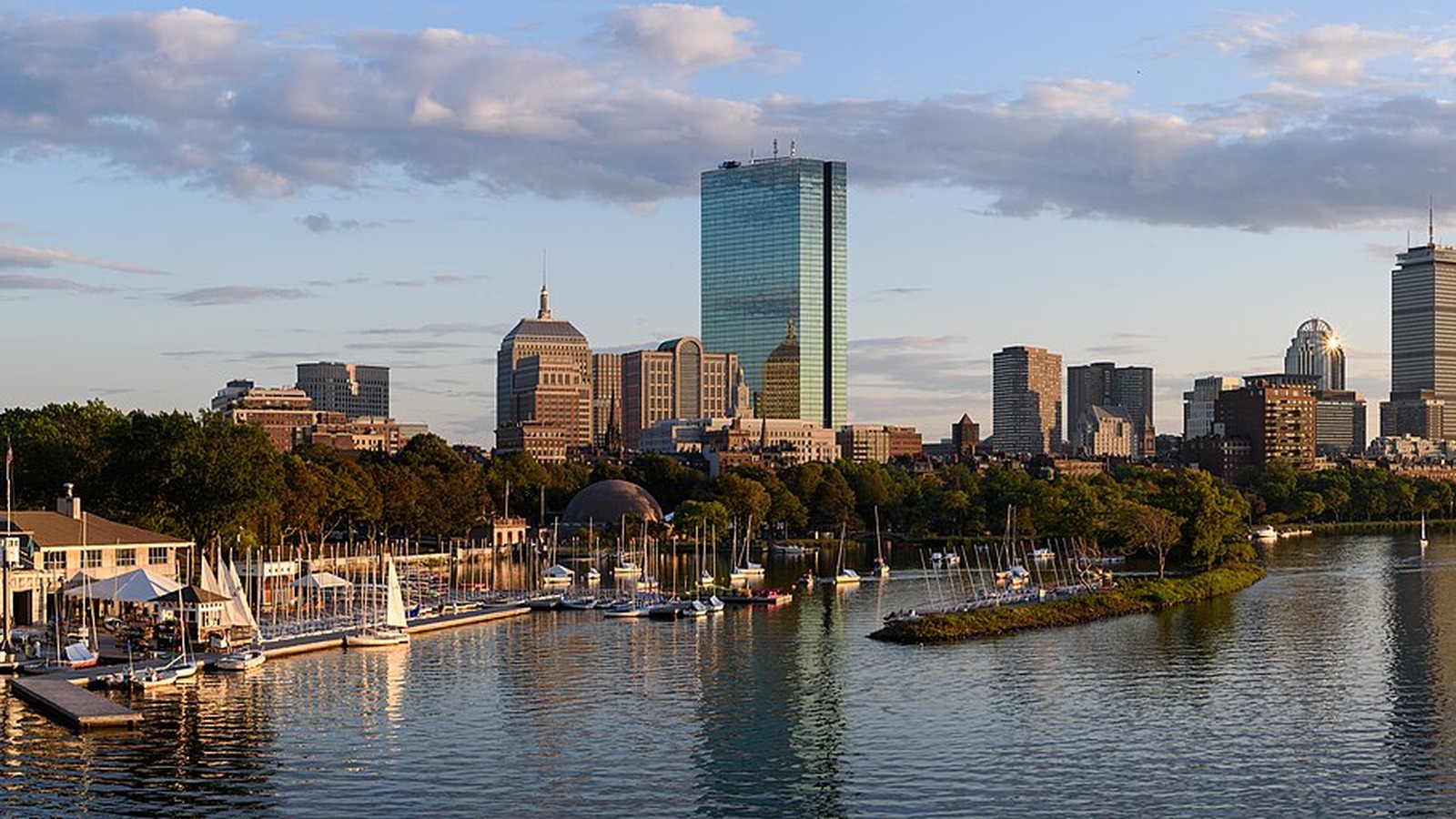
Photo: King of Hearts / Wikimedia Commons. CC BY-SA 4.0. Cropped and resized.

Hire for the subject as well as the room
An event photographer needs to understand what is happening, even when the photographs are not technical documentation. If a speaker is explaining a complicated subject, a workshop is demonstrating a process or an association is recognizing somebody's work, the client can help the photographer recognize the meaningful moments.
That is where I would begin when hiring an event photographer in Massachusetts. Tell the photographer enough about the subject to make the pictures useful. Then look for evidence that they can observe people and activity without turning the event into a staged version of itself.
The assignments below are hypothetical examples in Boston, Cambridge, Worcester, Springfield, the Berkshires and Cape Cod. They are not claims about jobs I have photographed or a description of an existing client's program. They show different ways a Massachusetts organizer and photographer can define a commission before making a commitment.
Boston conference: explain the audience before the agenda
Imagine a Boston professional conference. The organizer needs photographs for people who know the subject and for people encountering the organization for the first time. I would ask whether those audiences need the same edit or two separate selections.
An attendee recap might rely on familiar faces and moments. A public introduction may need more context: the room, the activity and a clear sense of what the gathering is. The photographer should understand the purpose before deciding how much attention to give a detail, a reaction or a broad view.
The client should provide the actual venue name and address, not a familiar name copied from an old invitation. Check current operator information and this event's instructions. Room assignments, credentials and equipment access belong in the working brief, even if the photographer has covered another event in the same building.
Then look at the program for overlap. A keynote, a workshop and a sponsor demonstration can ask the crew to be in different places. Decide what needs dedicated coverage and what can be represented through selected visits. A phrase such as full conference coverage does not answer that question.
For photographers, a relevant portfolio should show a complete story rather than only stage highlights. Ask permission to share an appropriate delivered gallery and explain the assignment behind it. A client needs to understand what the earlier organizer wanted before using that gallery to judge a new scope.
A subject guide can be short
The photographer does not need a textbook before a Boston conference. A short note identifying the main themes, important participants and activities can be enough to improve observation. Explain what would be meaningful to the intended audience without prescribing an invented scene.
If a demonstration includes a particular step that matters, tell the crew when it occurs. If a person should be identified in captions, provide a checked name and title. If an object or display has a specific meaning, assign someone who can verify the description after the event.
Do not ask the photographer to infer expertise from a badge or to invent a technical caption. Their visual judgment and the client's factual knowledge serve different roles. A useful commission gives each person the information needed to do their part.
This also helps a photographer write a better proposal. Instead of claiming to understand every industry, ask for the context that affects coverage. Show relevant work involving people learning, presenting or demonstrating. Honest preparation is more credible than a broad assertion that no subject ever requires explanation.
Cambridge workshop: access does not mean unrestricted content
Consider a private professional workshop in Cambridge. Participants are presenting ideas, discussing documents and making demonstrations. The organizer wants photographs of participation, but some visible material may not belong in the intended delivery.
Define that boundary before coverage. Which stations or activities are approved? Are screens or documents outside the scope? Who can answer a question if the setup changes? A general instruction to avoid sensitive material is not enough when the photographer does not know what the organization considers sensitive.
The organizer should share only the information needed to carry out the assignment. The photographer may need to know that a particular area is excluded without needing the private explanation for that restriction. Keep operational instructions clear and unnecessary personal or business details out of the crew brief.
Ask where the photographer can work without interrupting the activity or blocking participants. Current safety and access instructions should come from the responsible operator or organizer. A guest invitation is not automatically permission to place equipment wherever it seems useful.
For portfolio evaluation, look for a process sequence. Does it connect people, action, context and result? A close-up may be visually appealing while telling an unfamiliar viewer very little. The client should see evidence that the photographer can explain an activity within real boundaries.
Worcester training day: name the learning moments
Imagine a company training program in Worcester. The client asks for photographs of employees learning together. I would ask which activities actually show that. A room of people looking forward may be part of the record, but it may not explain the work of the day.
The organizer can identify group exercises, demonstrations or discussions when those are genuinely part of the program. Tell the photographer when they occur and whether each needs coverage. Do not manufacture an exercise solely to create a misleading photograph of a training activity that did not happen.
If several groups work at once, decide whether the client needs equal coverage or a representative story. That choice affects the plan. One photographer visiting each group briefly is a different service from a complete sequence for every group.
The client can also identify the intended users of the pictures. An internal training recap and an external recruitment page may involve different selections and permissions. Discuss the actual uses in the agreement rather than treating every potential future audience as already approved.
For photographers pursuing Massachusetts training assignments, show how you observe participation without constantly directing it. A coherent gallery can demonstrate that approach. Explain any difference in access or program so the client understands what your example does and does not prove.
Springfield association meeting: recognition needs accurate names
For a hypothetical Springfield association meeting, the required photographs might center on speakers and award recipients. I would want a checked program and a practical way to identify the people. A list of names alone does not tell the photographer who is crossing the room.
Assign an organizer who can make introductions or provide an appropriate permitted reference. If captions are requested, nominate someone to verify names and titles. The photographer should not depend on hearing an announcement perfectly over applause or matching faces afterward from memory.
Recognition photographs need coordination with the program. Where will the recipient stand with the presenter? Will there be a pause? Is the award meant to be visible? A short instruction from the stage contact can make the required image possible without the photographer interrupting the sequence.
If the client also wants specific member groups, arrange them deliberately. General reception coverage does not guarantee a photograph of every relationship or committee the organizer cares about. Somebody who knows the participants should gather the group and confirm it is complete.
For portfolio review, inspect the ordinary recognition photographs and the broader meeting story. A single expressive stage image does not tell you how consistently the photographer records a required series. Ask what the earlier brief required before judging any absence.
Boston company portraits: consistency is its own requirement
A Massachusetts employer may add portraits because employees are together for a meeting. I would separate that service from the event gallery. The client needs to say how many people, what appearance is required and how the portraits will be used.
If the result should match an existing staff page, provide the actual reference. Discuss the available room and what can be reproduced there. A smaller space or different background may require another approach. The photographer should explain the limits before participants expect an identical setup.
A staff coordinator should manage the queue and names if named delivery is required. The photographer can direct the portrait but should not have to leave the setup to locate the next employee. Decide how missed appointments are handled and when the session closes.
If portraits run during a meeting, the proposed plan must explain simultaneous coverage. One photographer cannot stay at a portrait station while recording a presentation elsewhere. Adjust the schedule, priorities or staffing explicitly rather than hoping the conflict disappears.
Ask what each person receives and whether selection or retouching is included. Review a set of portraits, not only one favorite. The company is commissioning a consistent series, and the evidence should help the buyer assess that service across several people.
The Berkshires: a retreat brief needs the actual places
For a hypothetical retreat in the Berkshires, the invitation may describe the area while the working program uses several sites. List the actual addresses and what photography is required at each. A regional name is not an arrival instruction.
Put the moves into the schedule. Packing, equipment access and preparation are part of the transition, not just the time a vehicle is moving. If the client wants a photograph at the opening of the next activity, the proposed crew needs a realistic way to be ready.
Ask who controls each location and what the current permission requirements are. An attractive outdoor background does not establish that a group photograph and equipment are permitted. Resolve that through the relevant operator or organizer, not an assumption based on an earlier visit.
The client should describe the indoor alternative if outdoor work becomes unsuitable. Check current conditions near the date and name the person who can move the activity. The fallback must fit the intended photograph; a smaller room may require a different arrangement.
Photographers should state their base and travel assumptions honestly. It is fine to consider assignments around Massachusetts without implying every place is local. If transport or accommodation is part of the agreement, define responsibilities and how a change affects them.
Cape Cod: do not let a setting replace the event story
For a hypothetical Cape Cod gathering, the setting may be part of the appeal, but the client is still hiring for people and activity. I would ask which photographs explain the gathering rather than assuming a scenic view carries the assignment.
If a group portrait is required, give it a real place in the program. Name the person who brings participants together. The photographer should not be searching for a missing guest while the agreed portrait time passes and another activity begins.
For a reception, distinguish candid coverage from planned groups. A natural record of conversation is not the same as an individual photograph of every guest. If complete individual coverage matters, agree on a deliberate process rather than judging a roaming gallery as an attendance list.
Current venue instructions apply to equipment, access and alternate spaces. Ask the responsible party and record the answer in the brief. A photographer's previous experience may help them ask good questions, but it does not establish today's rules.
For the portfolio, look at context as well as close-ups. Does the gallery show why people gathered and how the event unfolded? A beautiful location picture can be useful, but it is not evidence of consistent coverage once the program becomes active.
Read the proposal as a working document
A proposal should identify the parties, date, addresses, coverage window, staffing and responsible organizer. Then it should state what arrives afterward: the agreed selection, format, delivery method and deadline. If an early selection is requested, distinguish it from the complete gallery.
Describe intended image uses and recipients. Internal communication, public promotion, partner access and advertising should be discussed rather than folded into an undefined phrase. Seek qualified advice for significant contract or rights questions under the relevant jurisdiction and circumstances.
Ask who can approve a change during the event. A new address, extended coverage or additional output can affect the agreement. Material revisions should be clear to the organizer and photographer. A guest asking for something should not silently alter the commissioning client's scope.
Send every candidate the same current brief. Read assumptions and exclusions before comparing proposals. A team covering parallel activity and one person following a single room are different plans, even when the document headings use similar words.
At delivery, the client should know what is complete. Separate selections should have a stated purpose, and pending information should be named. A link without explanation can create unnecessary work for the person who is supposed to use the photographs.
For photographers looking for Massachusetts event jobs
I would lead with relevant evidence. Show a conference story for a conference, a process sequence for a workshop and a consistent portrait set for portraits. Make the buyer's comparison easier instead of asking them to translate unrelated work into proof of a service.
Write a reply to the actual assignment. Address the date and location, identify the question that affects the plan and explain what you need from the organizer. Avoid claiming venue experience you do not have or access that has not been arranged for this job.
Use ProShoot's current how-it-works page to check the platform process if that is the route you choose. This guide does not guarantee features, availability or results from a listing. The introduction still needs to become a defined commission between the actual client and photographer.
For clients, a useful photographer is somebody whose work and approach fit the subject, program and intended use. A large service list is less informative than a relevant gallery and a practical answer to a difficult part of your day.
Give the photographer enough context to observe
The final brief should be concise enough to use during coverage. Keep the current program, locations, priorities, boundaries and responsible contacts together. Make material updates visible and confirm them instead of burying changes in an old conversation.
Then let the photographer work. Preparation should help them notice the meaningful activity, not force every frame into a predetermined pose. A useful Massachusetts event gallery should tell an honest story under a scope both parties understood.
That is the standard I would hire for, and the standard I would try to make visible when seeking the job: relevant photographs, informed observation and a delivery the client can use without reconstructing what was promised.
Check the subject guide before the agreement
Ask the organizer to explain the event to somebody who has not attended before. If the explanation relies on unexplained names or acronyms, simplify it for the working brief. The photographer needs enough understanding to recognize a meaningful interaction without guessing what the organization considers important.
Then ask which information must be checked before captions or public distribution. Assign the task to a person, not a general department. The photographer can flag a question, but somebody authorized must supply the answer. Make that process fit the agreed delivery rather than discovering it afterward.
The client can also identify the one missing photograph that would create the biggest problem. It may be a particular recipient, demonstration or group, not the image likely to look most dramatic. Put that priority where the crew can see it and consider whether the proposed schedule protects it.
Finally, choose an alternate contact for the event and delivery if the original organizer is unavailable. A clear route for questions keeps a small uncertainty from turning into an assumption the client later has to correct. That is a useful final check before the commission is accepted.
Sources checked November 6, 2026
Ready to hire a professional photographer?
Post your job free and get bids from photographers near you.
Post a Job Free →