Top Event Photographers in Maryland
Find top event photographers in Maryland for conferences, government events, and weddings. Hiring guidance plus photography jobs across MD.
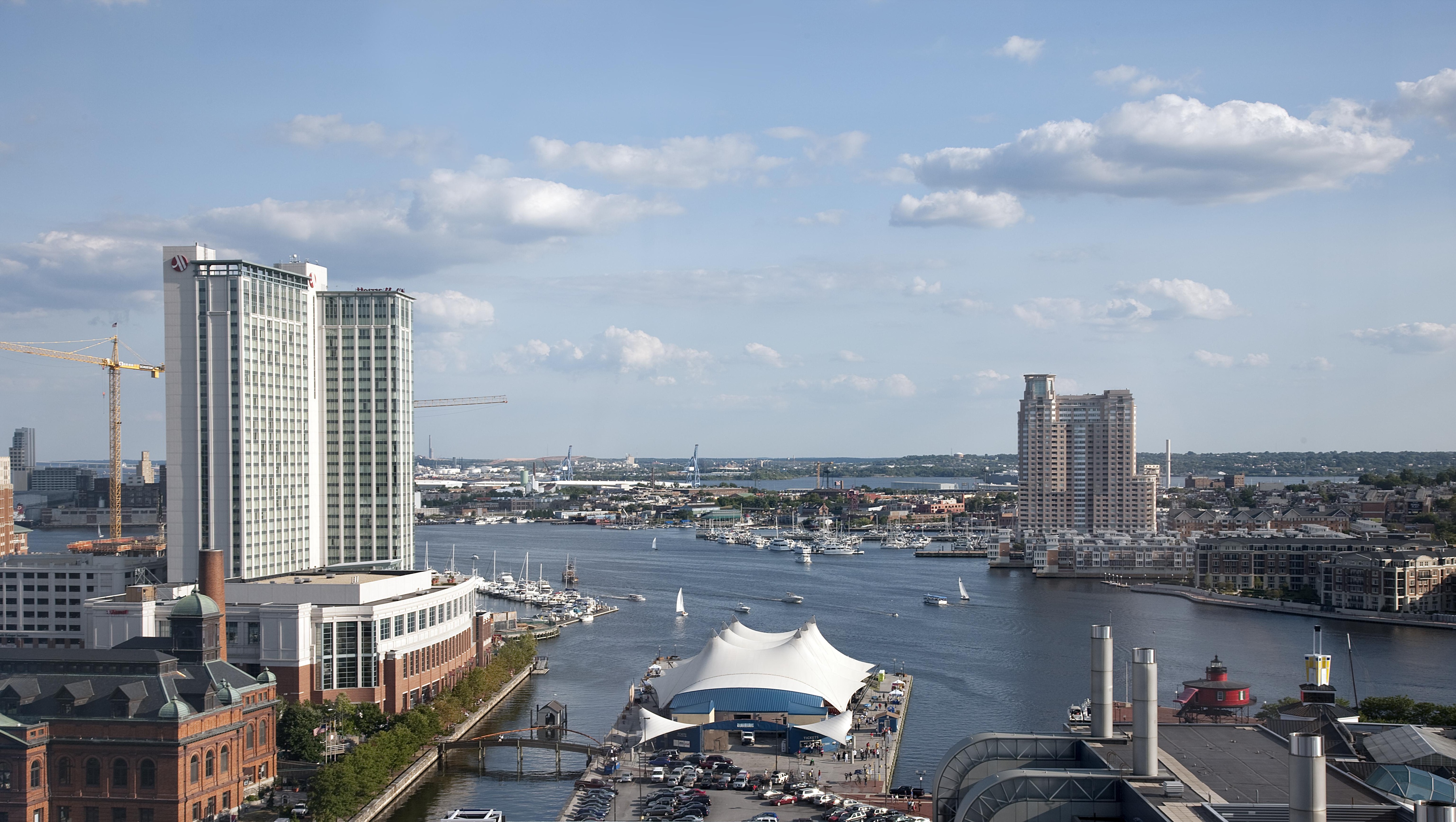
Hero photo: Harbor, Baltimore, Maryland, August 16, 2008, by Carol M. Highsmith. Carol M. Highsmith's America, Library of Congress, Prints and Photographs Division. No known restrictions on publication. Resized, uncropped.
Before choosing an event photographer in Maryland, I would check three things that can be easy to confuse: the event's current location, the part of the property actually booked, and the audience allowed to receive the photographs. A familiar race name, a large convention center, or a waterfront setting cannot answer those questions by itself.
I have photographed events for more than 20 years. The hiring advice I would bring to Maryland is to turn those uncertainties into a plan before comparing portfolios. The examples in this guide use current official information for Preakness, Baltimore Convention Center, and Gaylord National. They do not establish open jobs, access, or photographer availability. This is a guide to making a considered hire, not a ranking of individual photographers.
Maryland Lesson One: An Event Name Can Stay the Same When Its Location Changes
Read the edition-specific notice first
The official Preakness FAQ identifies Laurel Park as the location for Preakness 151 on May 16, 2026, during redevelopment at Pimlico. It states a return to Pimlico for 2027. The same page also contains general wording associating the race with Pimlico. I would use the specific notice for the relevant edition rather than copying the general description into an assignment plan.
That is an important distinction for event coverage. A client can use a familiar event name while expecting a photographer to work at a reception somewhere else. Ask for the commissioned activity, its address, and its date. Do not let the event's reputation substitute for the actual location instructions. Keep any future location described as the organizer's stated plan until the relevant arrangements are confirmed.
For a new racing-related assignment, verify the edition and venue again. A historical 2026 notice explains what happened that year; it should not become an evergreen claim about all later editions. The photography brief should state the actual booked location rather than ask the photographer to infer it from last year's program.
Distinguish a race assignment from a hospitality assignment
Imagine a company asking for photographs during Preakness week. The commission might concern guests at a private gathering rather than any action on the track. I would ask which people and interactions matter and whether race imagery is part of the job at all. Those answers change the portfolio needed and the access questions to settle.
If the assignment includes an area controlled by an organizer, identify who arranges credentials and which activities they cover. A client's invitation to one gathering is not evidence of access elsewhere. Ask for the rules that apply to the photographer and the intended use of the images. Keep those conditions in the proposal rather than promising coverage based on a general event name.
This approach avoids an awkward hiring mistake: choosing a photographer for dramatic sports images when the client actually needs careful documentation of relationships. A complete gallery of a comparable hospitality assignment may be more relevant than a striking competition photograph. Fit begins with the commission, not the category attached to it.
Maryland Lesson Two: A Facility's Size Does Not Define Your Coverage Boundary
Baltimore Convention Center: start inside the booked space
Baltimore Convention Center describes 300,000 square feet of contiguous exhibit space. That is a venue fact, not the size of every event held there. For a photography assignment, I would ask for the relevant halls, rooms, booths, and entrances. The program should show where each required photograph happens and which activities overlap.
For an exhibitor, the story may be a demonstration or the interaction around a product. For an association, it may be presentations, members learning, and leadership changes. For an organizer, the broader event may need a balanced record. Those clients can occupy the same facility while asking for very different photographs. The brief should make the difference visible.
I would not decide crew size from the venue's total square footage. Instead, mark simultaneous requirements on the actual schedule. Ask which moments can be covered at another time and which cannot. A second photographer may be appropriate, or the client may choose a narrower set of priorities. The decision should follow the program rather than an impressive building figure.
Give room details a purpose
An empty room photograph can be useful for documenting staging or acknowledging partners, but it should have a reason to be in the assignment. Ask what the client wants to show: seating, signage, a display, or the relationship between the audience and the stage. That helps the photographer choose an angle rather than collect several interchangeable wide views.
The same care applies to details. A sponsor mark may need to be legible without dominating every frame. A presentation slide may need to appear, or it may contain information that should remain private. Tell the photographer which is true. Do not assume that the event team and the photographer will make the same choice without discussing it.
For a conference recap, I would also ask for people using the space. The gallery should help a reader understand what participants did, not only where chairs were placed. A hand raised in discussion, a small group studying a demonstration, or a quiet exchange can give the event a human scale that the facility number cannot provide.
Maryland Lesson Three: Indoor and Outdoor Space Are Different Plans
Gaylord National Resort and Convention Center is described by National Harbor as offering more than 600,000 square feet of indoor and outdoor meeting space. I would keep those words together. Describing that combined figure as if it were all indoor space would mislead a client and could distort the coverage discussion.
Ask which part of the property the event actually uses. An indoor presentation and an outdoor reception require separate location details, priorities, and alternatives. The published property description does not establish that every space is part of the booking. Get the current room list and the organizer's approved plan.
The alternative should preserve the assignment's purpose
If a waterfront portrait or outdoor gathering changes location, ask what the client still needs the photographs to communicate. The new setting may look different while preserving the essential relationships and program. A photographer can plan around that purpose more usefully than around a demand for a particular background regardless of conditions.
Identify the person who decides when the alternative is used and how that decision reaches the crew. Give the alternate room a name, not merely an instruction to move inside. Check whether group photographs need another place in the schedule. The transition should be part of the event plan rather than an improvised photography problem.
I would avoid guaranteeing a scenic photograph before access and conditions are known. Instead, discuss the desired image, the available location, and a practical alternative. That is an honest proposal: it explains what can be planned and what the event team still controls.
Build a Maryland Brief Around the Image's Audience
The next question I would ask is who will see the photographs. A public recap, an internal record, a sponsor report, and a private celebration gallery are different destinations. Their audiences should shape the assignment before the camera comes out. The photographer needs to understand both what to capture and what may be released.
Separate capture from publication
A client may want a record of a session that should not appear publicly. Another may want immediate public photographs from an approved part of the program. Those instructions should not be collapsed into a vague warning that some material is sensitive. Name the restricted subjects and explain how they will be identified.
For example, if a screen must not appear in public images, tell the photographer when it will be visible and who can answer questions. If certain guests should not be photographed for public use, provide a respectful, workable way to recognize them. The client should not expect the photographer to infer privacy preferences from a person's role or appearance.
Ask whether approval is required before external distribution. Name the reviewer and the place where images should be submitted. A selected file is not automatically an approved file. Keep that distinction clear during any early delivery so another team does not publish material still awaiting review.
Make names reliable before captions travel
If captions matter, give the photographer accurate names and roles for the relevant people. Appoint someone who can identify guests on site and answer questions after the program. A printed agenda can help, but it may not reflect a last-minute change. The event lead should confirm the current information.
I would check names before forwarding images to outside partners. An incorrect identification can travel farther than the original gallery and be harder to correct later. The handoff should identify who owns that accuracy check. Do not ask a photographer to certify details the organizer has not supplied reliably.
Keep the archive's audience clear
Discuss who receives the full gallery, who receives a limited selection, and whether partners may reuse images. These decisions belong in the agreement. A file delivered to the client does not by itself explain every future use, and a public image does not make the entire archive public.
For a private celebration, think about guests as well as the host. A gallery intended for family viewing should not quietly become promotional material. Ask how access and usage will be handled. The goal is a useful archive with understandable boundaries, not a set of photographs whose audience expands by accident.
Read Portfolios for the Kind of Judgment You Need
With the locations and audience defined, I would compare complete galleries from similar assignments. Ask for examples the photographer has permission to share. A few memorable images can show visual taste, but a delivered sequence can show how the photographer handled the whole program and its less obvious requirements.
Check how context and people work together
Look for a balance between setting, activity, and faces. If the event has a recognizable Maryland location, the gallery may establish it early without repeating it in every frame. If the story concerns a meeting, participants should remain central. Ask how the photographer decides when a background helps and when it distracts.
Watch the edges of group photographs and the backgrounds behind speakers. Are people cut awkwardly? Are important details obscured? Does the image make the audience work to understand the moment? Those ordinary decisions affect whether the client can use the photographs long after the event's excitement has passed.
Ask what the original assignment allowed
A gallery may reflect restrictions on movement, lighting, or public release. Ask the photographer to explain the conditions behind relevant examples. That does not excuse weak coverage automatically, but it helps you compare fairly. Your own event may have similar limits or may allow a different approach.
If several photographers contributed, ask about the person's actual role. A name attached to an event does not establish sole responsibility for every image. The candidate should be able to describe the part they covered and how it relates to the role you are hiring them to perform.
Turn the Proposal Into a Usable Scope
I would read the proposal with the event lead rather than treat it as a separate administrative step. It should identify the photographer, coverage window, locations, staffing, deliverables, and usage terms. Open questions that affect the program should be settled before the client assumes a picture is included.
Account for editing during coverage
If the communications team needs images before the event ends, ask which images, in what form, and by what agreed point. The photographer should explain how selection and editing fit around the program. Do not assume that a request for an early selection leaves all other coverage unchanged.
For the full gallery, agree on the delivery date and the format of the finished files. Clarify the selection process, expected quantity if specified, and any caption or naming requirements. A shared definition of finished work is more useful than a general promise of quick delivery.
Confirm the rules for the specific property
Ask the venue what documentation and equipment restrictions apply, then ask whether the photographer can meet them. Requirements should come from the responsible contact for that assignment. I would not publish a blanket statement that every Maryland venue uses the same insurance or access rules.
Ask about backup arrangements too: equipment, the named photographer becoming unavailable, and protection of files. Listen for a practical plan instead of a promise that nothing could go wrong. Record commitments that matter to the hiring decision so both sides know what has been agreed.
Use ProShoot to Compare Defined Maryland Assignments
A ProShoot event post should describe the actual date, address, rooms, hours, image purpose, and important constraints. Available photographers can assess that job and respond with relevant portfolios and bids. If the event changes, check that the proposals still address the assignment you intend to commission.
I would compare the candidates on coverage fit as well as visual work. Does the proposal account for the required locations? Does it notice an overlap or an approval requirement? Does it explain the delivery? A confident introduction is not a substitute for answers to those questions.
For photographers looking for event photography jobs in Maryland, explain the work you can demonstrate and the scope you are offering. Use venue knowledge to ask better questions, not to imply access or guaranteed bookings. An institutional name or a waterfront location does not establish demand, earnings, or availability.
One Maryland Handoff Question That Catches Several Gaps
I would ask the event lead to describe what happens to a photograph of a guest beside a presentation screen. Who confirms the guest's name? Is the screen approved for public use? Does the client want the image in the full archive, an early selection, or neither? This small example tests whether the brief's audience and approval instructions are clear enough to follow.
The answer may differ across the program. A public welcome session could have different boundaries from a private discussion later in the day. Put those differences on the schedule and identify the contact who can interpret them. Do not make the photographer discover a confidentiality decision only after the image has reached another team.
If the event lead cannot answer, keep the public release unresolved until the responsible person can. The photographer can still plan the permitted coverage while the client settles the distribution question. Separating those decisions lets preparation continue without treating uncertainty as permission.
Finish With One Current Plan
Before coverage begins, confirm the edition-specific location, the booked spaces, the priority list, and the audience for delivery. Ask what changed since the proposal. The Preakness location example is a reminder that a familiar name can conceal a consequential update. The brief should reflect the event as it will happen, not as someone remembers it.
After the event, check the delivered package and identifying information before distribution. Keep private material within the intended audience and preserve the archive under the agreement. That is the outcome I would want from a Maryland photography hire: an accurate record, a usable gallery, and a clear understanding of where those images go next.
Ready to hire a professional photographer?
Post your job free and get bids from photographers near you.
Post a Job Free →