Top Event Photographers in Maine
Hire a Maine event photographer with the correct venue and a useful program brief. Portland and Bangor examples for organizers and photographers seeking assignments.
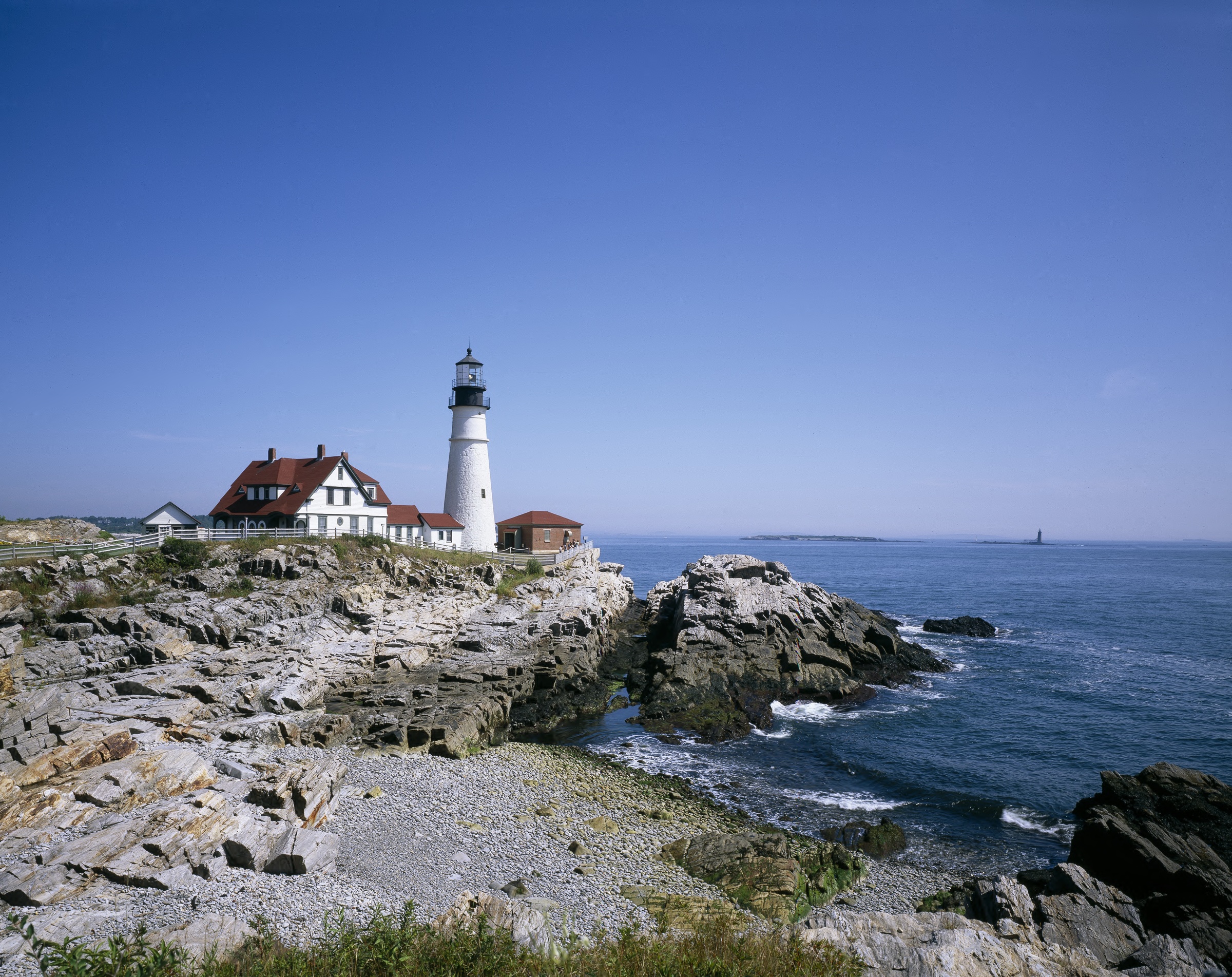
Photo: Carol M. Highsmith / Library of Congress, Prints and Photographs Division, LC-DIG-highsm-12157, between 1980 and 2006. Public domain. Resized; no crop.
The first line of a photography brief can prevent a surprisingly large mistake. It should identify the actual property and city, not only a familiar venue name. In Maine, I would be particularly careful to distinguish Cross Insurance Arena in Portland from Cross Insurance Center in Bangor. Their similar names do not describe the same assignment.
Once the destination is clear, the more interesting questions begin. Who needs the pictures? What program must they explain? Which moments can be sampled, and which cannot be missed? I would use those answers to compare photographers rather than assume that event coverage means one standard service.
The examples here are hypothetical planning situations grounded in current operator pages. They are not current job listings or accounts of my own Maine shoots. They show how to build an inquiry that an organizer can use and a photographer can answer honestly.
The first page: establish what is being commissioned
I would begin a working brief with the exact property, city, date, arrival need, and coverage window. Then I would describe the program in plain words. A presentation with audience coverage, a banquet with formal groups, and a meeting with portraits are different commissions even when each is advertised as event photography.
The client should name the intended image users. An internal program team may need a full record while communications needs a small approved public selection. Partners may need specific participation shown. Reconcile those needs before they become several competing instructions to the photographer.
A useful brief does not need to be long. It needs to distinguish facts, requirements, and open decisions. A missing room assignment marked for confirmation is safer than an invented instruction that looks polished enough for a crew to follow.
Portland's booking page establishes a narrow fact
The current Cross Insurance Arena booking page identifies the Portland property and provides a booking contact. It does not, by itself, establish a particular event configuration, access route, camera position, or the rights associated with a program. I would not fill those details from memory.
For a hypothetical presentation there, ask the commissioning organization for the actual layout and approved positions. Confirm where the crew reports and who handles credentials. A public address is not a direction to use a service entrance, and an attendee invitation is not necessarily a photography credential.
Do not borrow Bangor's room descriptions to make the Portland brief seem complete. The facilities are distinct. That simple discipline prevents a venue-name resemblance from turning into a load-bearing planning error.
The second page: explain the Portland program through moments
For the hypothetical Portland presentation, I would describe the essential sequence: the introduction, main program, selected audience response, and any required portrait afterward. The organizer should decide which moments need complete coverage and what can yield if the schedule changes.
If the client wants a closing portrait of the presenter, confirm that person's availability. Someone departing immediately creates a different task from someone attending a later reception. The photographer should not have to negotiate the subject's schedule at the exit to fulfill a promise made without their agreement.
If the program includes performance, displayed work, or restricted content, identify who authorizes photography and publication. The organization commissioning a record may not control every possible use of everything that appears. Clarify the boundary before making public-distribution promises.
Write a position question, not an assumed position
Ask where the photographer can work during the actual program. The answer may depend on production, safety, sight lines, and the permissions in place. A public facility description cannot replace that check, and familiarity with a past event does not make the answer permanent.
The photographer can explain what the proposed position supports. If it limits the intended image, discuss an approved alternative or a change in expectations. Do not let an impossible angle remain hidden behind a promise to capture every expression.
Additional equipment needs the same care. A light or stand occupies space even when portable. The organizer should understand its proposed use and obtain confirmation rather than assume that an event-photography booking automatically authorizes every setup.
Keep the audience connected to the purpose
An audience photograph might establish participation, show a response, or identify selected people. Tell the photographer which matters. A wide crowd does not necessarily show the particular relationship the client needs, while a close portrait may reveal little about the program's scale or context.
If certain people must appear, supply a contact who can recognize them. An unfamiliar crew cannot infer leadership or partner roles from where guests sit. Introductions make the coverage more purposeful without requiring every interaction to become a pose.
Provide a route for privacy restrictions and uncertain cases. The crew needs practical instructions about what to do, not unnecessary private reasons circulated widely. Keep the client's internal record distinct from any public selection when permissions differ.
The third page: use Bangor's actual room choices
Cross Insurance Center's official event-spaces page identifies Grand Ballrooms divisible into individual rooms, flexible meeting rooms that can combine, customizable lighting options, and an arena. Those categories are distinct from the Portland property and from one another within Bangor.
Imagine a Bangor program with learning sessions followed by a banquet. I would ask which room combinations are booked and where the transition happens. A facility category does not establish the installed stage, seating, or photography position for the client.
A proposal should reflect the actual sequence. If sessions continue while the banquet setup or reception begins, decide how coverage is divided. One person cannot provide complete simultaneous records merely because the rooms are within the same facility.
Give learning sessions a clear coverage level
A client may want every session represented or only selected examples. Say whether that means brief visits or uninterrupted records. The difference affects staffing and what the final gallery can honestly claim to show.
Identify any demonstration or discussion that makes a session important. Give the photographer its time and contact. A generic room label does not reveal when the meaningful action happens, and a photograph of participants seated at tables may not explain the learning activity.
If private slides or documents are involved, identify how to treat them. Presentation equipment is not a release for its content. The organizer should communicate restrictions to the photographer and session lead so they do not give conflicting instructions during the program.
Ask how the lighting will actually be used
Customizable lighting on the operator's page describes an option. It does not establish the final look or permission for an outside crew to alter it. Ask the production contact what is planned and whether a setup check is available.
Relevant portfolio review should include work under comparable conditions. Look at faces and a consistent sequence, not only a dramatic room image. A photographer should explain a workable approach without promising that every lighting choice can be changed for the camera.
If formal portraits need another setup, discuss where it fits and how it affects roaming coverage. A fixed station is a separate task. The client should not expect continuous documentation elsewhere while the same person remains with portrait subjects.
The fourth page: make the banquet a gathering, not a checklist
For the hypothetical Bangor banquet, I would ask who needs recognition and which relationships matter. The people may be more important to the client than the decorative details. A room photograph can establish setting without replacing the required group or exchange.
If a recognition sequence is planned, provide the current order and an agreed convention for the photograph. Should recipients pause with the presenter or continue naturally? The host needs to communicate that plan; the photographer cannot silently make the program behave both ways.
For required groups, assign a person who gathers participants and verifies who is present. The photographer can arrange the group without knowing every name, but someone needs to recognize missing subjects. Choose a moment before key people disperse rather than rely on a final call when the event has already ended.
Limit formal combinations to the commissioned need
A single shared portrait and a long series of departments are different workloads. Decide which combinations are essential and discuss the time they take from observation. Each extra request can sound small while collectively changing the entire service.
If guests request additions, name the organizer who can approve them. The photographer should explain what will be displaced and seek a decision. This lets the crew be helpful without silently abandoning the client's priority.
Confirm the portrait location and an approved alternative. A ballroom division or adjacent lobby described publicly is not evidence that a position is available during the event. Keep the purpose of the group visible if the preferred background changes.
The fifth page: choose evidence for Portland and Bangor separately
For the Portland presentation, I would review a permitted complete stage sequence with audience context. For Bangor, I would examine transitions from learning sessions to recognition and informal gathering. Exact facility experience can help, but comparable demands and current preparation are stronger than a vague claim of local familiarity.
A short portfolio demonstrates selected ability. A complete authorized set helps test consistency and whether the event remains understandable beyond its most dramatic moment. Look for required people, usable ordinary images, and a coherent progression.
Ask what role the applicant held. Someone who made excellent reception photographs as part of a crew may not have managed the presentation or delivery. Accurate contribution labels help the client understand the evidence without discounting valid experience.
Confirm the proposed people
Ask which photographer and crew will attend. If another person performs the assignment, review relevant work and the responsibility split. The client should not discover on arrival that the evidence used to choose the service belongs to someone who is not participating.
References can help test how the plan works under change. Ask about a delayed session, absent subject, or extra group and how the photographer communicated the consequence. Specific observable behavior is more useful than general praise.
Keep review authorized. A prospect does not gain access to another client's private meeting or participant information merely by asking. An approved alternative gallery or reference can demonstrate fit while preserving those restrictions.
The sixth page: state scope, authority, and uses
Compare coverage, properties, rooms, staffing, portraits, editing, delivery, and image rights. Two proposals may use similar words while assuming different tasks. A selected presentation record should not be mistaken for complete coverage of simultaneous meetings and a separate portrait station.
Ask for assumptions and exclusions in ordinary language. If a credential, room, subject, or gathering contact is essential, make the dependency visible. The organizer can settle it before booking instead of discover it while the program is running.
Identify one person authorized to approve changes. A guest, partner, or another department may have a worthwhile request without authority to redirect the commission. The photographer needs a clear decision route, especially when the request competes with an unrepeatable moment.
Requirements belong to the actual booking
If insurance or credentials are required, obtain the current specifications and confirm the proposed crew can satisfy them. A marketplace profile or attractive gallery cannot prove a policy. One property's paperwork is not a universal rule for Maine venues.
For another location or function, create its own scope and working instructions. Do not build transfer or setup assumptions from a statewide impression. Actual addresses, arrival needs, and the program determine what can be accepted responsibly.
Internal delivery, public announcements, partner distribution, and advertising can be different uses. Explain what is intended. Discuss the photographer's promotional use separately, and preserve restrictions on material or participants beyond the event itself.
Photographers: answer the real inquiry
A Portland Arena request should not receive Bangor Center room descriptions. Start by confirming the actual property, then address the program's important moments and permissions. That is a more useful application than demonstrating broad knowledge of Maine through unrelated venue facts.
ProShoot's published client process describes posting jobs, reviewing bids and portfolios, and choosing a photographer. Its photographer process includes applying and presenting work. Use that exchange to show relevant evidence and define the commission. A profile does not establish access or personal history at every property.
Check availability against setup, the full coverage window, and added functions. If a condition remains unanswered, state it. A realistic preparation plan is stronger than an unconditional promise that depends on unconfirmed permission.
This guide does not infer available work from tourism, company activity, annual events, or seasonal expectations. A job needs an actual commissioning contact and current scope. Accurate applications do not need unsupported market claims to sound specific.
The final page: finish the record cleanly
Ask how the client will find and use the files. A presentation sequence, selected learning sessions, recognition photographs, and groups may be easier to navigate separately. The recipient should not have to reconstruct the event from an unexplained pile of similar frames.
If captions or names are included, designate a source and reviewer. The photographer should not guess titles, relationships, or program outcomes. A reliable organizing contact should verify those facts and settle corrections.
Agree on delivery and any earlier selection separately. Images requested while the program continues can affect photography and review. Describe that work rather than let a quick request become an undefined live-editing obligation.
Use actual storage and access terms. Identify files awaiting approval and explain material gaps caused by canceled activities or absent people. Reconcile the delivered work with the agreed essentials before closing so the client does not have to audit every frame to discover an unresolved issue.
Before the event, compare the latest program with the version the crew is following. If a recognition order changed or a session moved, update the working note and make the consequence visible. The photographer should acknowledge a change affecting coverage, equipment, or staffing. One maintained version is more useful than several confident but conflicting attachments. That final check can protect an essential photograph that an earlier planning conversation could not anticipate, without reopening every settled creative choice.
Hire for the actual Maine event
The correct destination is the first decision, not the last detail. Portland's Arena and Bangor's Center need their own programs, contacts, and permissions. After that, the client should choose a photographer through relevant complete work and a plan suited to the event's actual story.
Whether hiring through ProShoot or applying there, make the important decisions visible. A brief that people can follow is stronger than a statewide promise to capture everything, and more likely to produce a record that explains why the gathering mattered.
Add a cover note that connects the planning pages
A multi-page brief can be thorough and still leave the photographer unsure which point matters most. I would add a short cover note identifying the essential record, the attending team's responsibilities, and the person who settles a conflict. The note should guide the pages rather than repeat every detail in them.
Test it with a plausible change: the required group is ready while another important activity begins. Does the cover note identify who chooses? Does the relevant page explain who gathers people and which duty would be displaced? If not, fix the connection before adding another paragraph of general assurance.
This exercise also helps the client notice contradictions between planning pages. A banquet section may assume formal groups while a scope section promises uninterrupted observation. A delivery section may assume captions that the proposal never included. Settle those differences while they are still choices. The final brief should be easier to follow because of its structure, not require the crew to audit several pages for competing instructions during the event.
Sources checked November 6, 2026
- https://www.crossarenaportland.com/booking/
- https://www.crossinsurancecenter.com/event-spaces/
- https://proshoot.io/how-it-works/
Ready to hire a professional photographer?
Post your job free and get bids from photographers near you.
Post a Job Free →