Top Event Photographers in Louisiana
Find event photographers in Louisiana. A practical hiring guide to coverage plans, portfolios, event access, and image delivery.
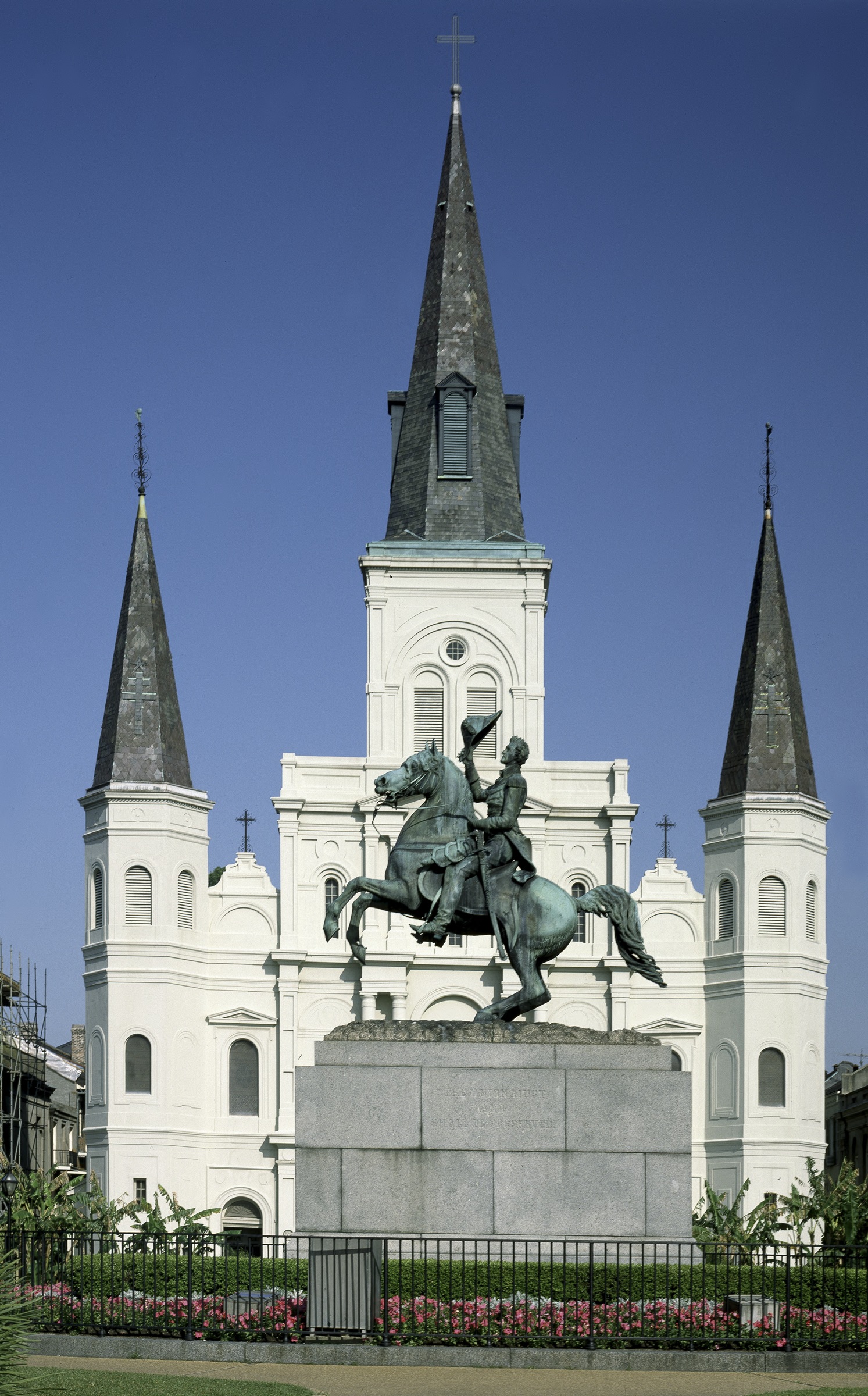
Hero photo: Historic Jackson Square, New Orleans, Louisiana, between 1980 and 2006, by Carol M. Highsmith. Photographs in the Carol M. Highsmith Archive, Library of Congress, Prints and Photographs Division. No known restrictions on publication. Resized from the original; not cropped.
A Louisiana photography assignment might begin with a convention hall, a concert credential, or a family celebration moving between indoor and outdoor spaces. The useful question is not whether a photographer can make an attractive image of New Orleans. It is whether they can document your event under its actual access, lighting, schedule, and delivery conditions.
I have photographed events for more than 20 years, and I would bring that practical standard to hiring in Louisiana. Start with what must be covered, then choose a photographer whose complete galleries support the assignment. This guide uses verified New Orleans event settings without claiming that one city's calendar describes every client in the state. It is a hiring framework, not a ranked list of photographers.
Louisiana Event Examples and What They Mean for Coverage
A convention is a schedule, not just a building
The New Orleans Ernest N. Morial Convention Center describes 1.1 million square feet of exhibit space on one level under one roof. That figure helps explain the scale, but it does not tell a photographer which entrance to use or where your program happens. I would ask for the hall, room assignments, booth locations, and the current event floor plan.
A convention story can include registration, presentations, demonstrations, audience reactions, and informal meetings. Decide which of those images the client needs and where the critical moments overlap. If a keynote and a sponsor activation happen at the same time, identify the priority or discuss additional coverage. Do not leave that decision to someone discovering the conflict on the floor.
For a multi-day event, think about continuity. Ask for enough variety to distinguish the days without repeating the same room photograph in every recap. Give the photographer accurate names for speakers and exhibitors when captions matter. If a communications team needs a selection during the program, agree on a realistic handoff that does not quietly remove the photographer from another essential moment.
Jazz Fest is a location-specific assignment
The New Orleans Jazz & Heritage Festival and Foundation identifies the Fair Grounds Race Course as the festival setting. Its 2026 announcement lists April 23-26 and April 30-May 3 for that edition. Those dates are historical context for the 2026 event, not a promise about a future festival schedule. Verify the relevant edition when planning a new assignment.
The photography question begins with access. Ask the commissioning client what credentials are arranged, what areas they cover, and what restrictions apply. Being hired by one participant does not automatically create permission to enter every performance or backstage space. Confirm the assignment with the organizer rather than assuming that a public event means unrestricted professional access.
I would also separate the client's story from the entire festival. An artist, a sponsor, a vendor, and an editorial outlet may each need different coverage. Define the subjects, the intended audience, and the usage rights. A focused brief gives the photographer a reason for choosing one moment over another when there is more happening than one person can document.
ESSENCE coverage needs an exact program and venue
The official ESSENCE Festival of Culture 2026 page identifies its evening concert series at Caesars Superdome and dates that edition July 3-5, 2026. I would not describe every component as taking place in the same building. Ask the client to name the program, its address, its access arrangements, and the photographs they are commissioning.
A concert assignment can place different demands on a photographer than a conference or a reception. Ask what shooting positions are available, what equipment can be used, and when coverage is permitted. Get those conditions from the responsible event contact. A portfolio of stage photographs is useful only if the photographer can work within the conditions of your actual assignment.
The same care applies to delivery and approval. Confirm whether photographs go to an editor, a sponsor, an artist team, or an internal archive. Identify who can approve public use and what information must accompany the files. Avoid treating a festival name as permission to distribute every image made in connection with it.
A Louisiana Brief Beyond the Headline Events
For a New Orleans celebration, describe each part of the route instead of giving only the starting address. If the program includes a procession or a move between properties, ask the host who has arranged permissions and who will guide the group. The photographer's coverage plan should follow the actual approved route, not a generic idea of how a celebration usually works.
For a meeting elsewhere in Louisiana, give the same attention to the specific venue and audience. A Baton Rouge association event, a Lafayette company gathering, or a Shreveport family celebration deserves its own brief. I would not assume that a New Orleans portfolio automatically answers every regional assignment. Ask about comparable work, travel arrangements, and the person who will be on site.
Historic settings also call for thoughtful language and clear boundaries. Ask the host about the property's history, approved photography areas, and any material the event should address accurately. Do not treat a difficult history as decorative atmosphere. Photographs used to represent a gathering should be honest about the place as well as respectful of the people attending.
For indoor-outdoor plans, identify the alternative before the event. Ask what changes if a reception moves inside, whether portraits need another location, and who communicates the decision. The photographer should have a practical way to document the approved plan without promising that weather, access, or timing will cooperate.
Hire for the Decisions the Event Will Demand
I would interview a Louisiana event photographer with the run of show open. A conversation about style becomes much more useful when it reaches a real decision: the presenter is on stage, guests are arriving elsewhere, and the client needs a photograph for a public announcement. Ask the photographer to explain how they would handle that conflict. You are listening for judgment, not a promise to be everywhere.
A convention portfolio should explain the program
For a convention assignment, ask to see a sequence from arrival through the final session. Can you identify the event, understand the room, recognize the speakers, and see how the audience participates? A gallery made entirely of stage closeups may leave the communications team without a sense of the gathering. A gallery made entirely of wide rooms may fail to show the people who made it worthwhile.
I would look at backgrounds as carefully as faces. A screen that cuts across a head, an unreadable slide, or a distracting service door can make an otherwise competent image hard to use. Ask how the photographer watches for those problems while keeping up with the presentation. The answer should connect visual choices to the conditions of the room.
Discuss the quieter work too. A client may need photographs of an accessible registration arrangement, a demonstration, or a conversation between delegates. Those are not automatically less important than the keynote. Give each requested image a purpose and ask whether the schedule allows it. That helps both sides avoid a gallery full of technically good photographs that miss the client's actual priorities.
A performance portfolio should show restraint as well as energy
For a performance connected with a Louisiana festival, I would ask about the conditions behind the gallery. Was the photographer assigned a position? Could they move? Was coverage limited to part of a set? A striking image does not explain those constraints by itself. Relevant experience means being able to work within the conditions of the new assignment, not merely having photographed a stage before.
Ask what happens when the lighting changes quickly or an important face is briefly hidden. The photographer should describe a workable approach without guaranteeing a particular gesture or expression. Live events do not offer every desired frame on demand. A clear discussion of priorities is more honest than a long list of promises about moments no one controls.
If the client represents a performer, clarify whether the assignment also includes arrival, preparation, portraits, or a reception. Those are separate coverage needs, even when they sit beside the same performance. Put them on the schedule and confirm the permissions involved. A credential for one activity should never be treated as evidence of access to another.
A celebration portfolio should preserve relationships
For a private celebration, I would read the gallery for human continuity. Does it show who belongs together? Are there photographs of guests listening, greeting, and enjoying the gathering without every frame feeling directed? The location can establish the scene, but the photographs should not make the people secondary to a courtyard, balcony, or building.
Ask how formal groups will be organized. Give the photographer names and relationships rather than a vague request to get everyone. Identify someone who can gather the right people, and place the groups where they will not interrupt an essential part of the celebration. If a guest needs a seated portrait or a quieter space, discuss that respectfully in advance.
The same care belongs in privacy decisions. Some guests may welcome being photographed for the host's private gallery but not for public promotion. Ask the host to explain the boundaries and how the photographer will recognize the affected people. A specific instruction is useful; an assumption about what guests probably want is not.
Prepare a Louisiana Coverage Map
A coverage map is my practical name for a brief that connects places, people, and priorities. It need not be a polished design. It should let the photographer understand where to be, what matters there, and how to get an answer if the plan changes. Start with the approved event schedule, then add the photography decisions it does not contain.
Write every location as an address and a space
A city name or a festival name is not a location instruction. List the property, entrance, room, and person responsible for access. For a convention, include the relevant hall or booth. For a celebration that moves, describe each stage of the route. For a concert assignment, state where the photographer checks in and which working area the credential covers.
Mark movement time without pretending it is guaranteed. Ask the event lead about the actual route, loading arrangements, and any changes expected during the program. If the photographer must leave one location before an essential moment at another, make that visible in the plan. Resolve the conflict before it becomes an argument about a missing photograph.
An indoor alternative needs the same detail as the outdoor plan. Name the space, the decision maker, and the way the revised schedule will reach everyone involved. If portraits move inside, the photographer may need a different background or lighting approach. A backup plan is useful when it is approved and understood, not merely mentioned as a possibility.
Attach names to image priorities
Instead of asking for VIP coverage, name the people and explain their role. Instead of asking for atmosphere, describe the part of the gathering that communicates its purpose. A photograph of delegates using a demonstration may say more than an empty room, while a carefully made room photograph may be essential before guests arrive. The brief should make that distinction.
For a program with several stakeholders, collect their requests before the event rather than handing the photographer separate lists during coverage. Identify the final priority order and one person who can change it. If every department's request is labeled essential, the word stops helping. Work out which images the event truly cannot do without.
Do not let the list erase the event itself. Leave space for the photographer to notice useful moments you could not schedule: an audience response, a greeting, or a detail that connects the place to the gathering. The point of a brief is to support observation, not to turn the photographer into someone checking boxes while the story happens nearby.
Decide how captions and approvals will work
A photograph can be visually clear and still be unusable if the names are wrong. Say whether captions are required and provide a reliable way to identify speakers, performers, and guests. The event team should correct its own program information before it becomes a filename or public caption. Ask who can answer questions after the event.
If images require approval before publication, describe that process in the agreement. Name the reviewer, the destination for submissions, and the materials that need review. Keep capture permission separate from publication permission. A client might need an internal record of a session that should not appear in a public recap; that distinction must be explicit.
Agree on the Finished Photographs
Before choosing a photographer, I would ask the client to describe the next use of the images. A convention recap, an artist announcement, a sponsor report, and a family album have different needs. That answer helps define the coverage, the edit, and the delivery. It also gives the client a fair way to compare proposals that might otherwise look interchangeable.
Build the delivery agreement around actual use
Specify the edited gallery, file formats, expected image quantity or selection process, and delivery dates. If the communications team needs a small selection while the event continues, ask the photographer how that would work. Confirm who selects those frames and what coverage might be affected. An early edit is a task to plan, not a benefit to assume.
Ask about image permissions in plain language. Who may use the photographs, for which purposes, and whether outside partners can receive them should be clear. Do not assume that an internal archive, public advertising, and distribution to exhibitors all fall under the same agreement. The right answer depends on the terms the client and photographer accept.
Clarify what is not included. Raw files, retouching beyond the agreed edit, later requests for different formats, and coverage that extends beyond the planned hours should not be left to guesswork. You do not need an argument about every hypothetical problem. You need an agreement that tells both sides what they are choosing.
Ask about continuity if something fails
Discuss the named photographer, any additional photographers, and what happens if someone becomes unavailable. Ask about backup equipment and how files are protected during the assignment. I would rather hear a practical explanation than an absolute statement that nothing can go wrong. Preparation is how a professional limits disruption, not how anyone abolishes uncertainty.
For venue requirements, get the current rule from the responsible contact. If a certificate of insurance, equipment restriction, or access approval is needed, confirm that the photographer can provide or follow it. Do not borrow a policy from another Louisiana property or a previous event. The agreement should reflect the location and assignment in front of you.
Use ProShoot to Compare the Same Assignment
Put the date, venue, coverage window, intended image use, and important constraints into the ProShoot event post. Available photographers can then assess the same job. Compare the portfolio with the proposal: a photographer whose work you enjoy still needs to offer coverage that fits the schedule. Ask about missing details before choosing a bid.
I would compare scope before comparing the headline figure. Does each proposal cover the same locations and hours? Does it include the required early selection? Who will photograph the event, and what will be delivered? If those answers differ, the proposals are describing different assignments. Resolve that difference so the hiring decision rests on something real.
For photographers seeking Louisiana event photography jobs, respond to the actual brief. Explain which part of your portfolio is relevant and what your proposed coverage includes. If the plan has overlapping rooms or an unclear credential, say so. A precise proposal lets a client assess fit without relying on claims about demand, reputation, or how often you expect to be hired.
A Final Check Before the Event
I would finish preparation with one current schedule and one current contact list. Confirm the locations, the required photographs, the access conditions, and the delivery plan. Ask what changed since the proposal was agreed. Even a small program change can matter if it moves the only portrait opportunity or creates a conflict between two rooms.
After delivery, check that the agreed files arrived and that captions are accurate before distribution. Keep the gallery within its intended audience and preserve the archive under the agreement. The successful handoff is simple: the client knows what they received and how they can use it, and the photographer has delivered the assignment both sides understood.
Choose a Louisiana Photographer Around a Clear Plan
The convention hall, performance area, and private celebration each ask for a different kind of attention. Put those needs into your ProShoot brief, examine relevant galleries, and agree on the coverage before making the hire. If you are presenting your own work, explain what you photographed and how it helped the client. A useful match begins with an honest account of the assignment on both sides.
Ready to hire a professional photographer?
Post your job free and get bids from photographers near you.
Post a Job Free →