Top Event Photographers in Los Angeles, CA
Hiring guidance and photography job advice for Los Angeles clients and photographers.
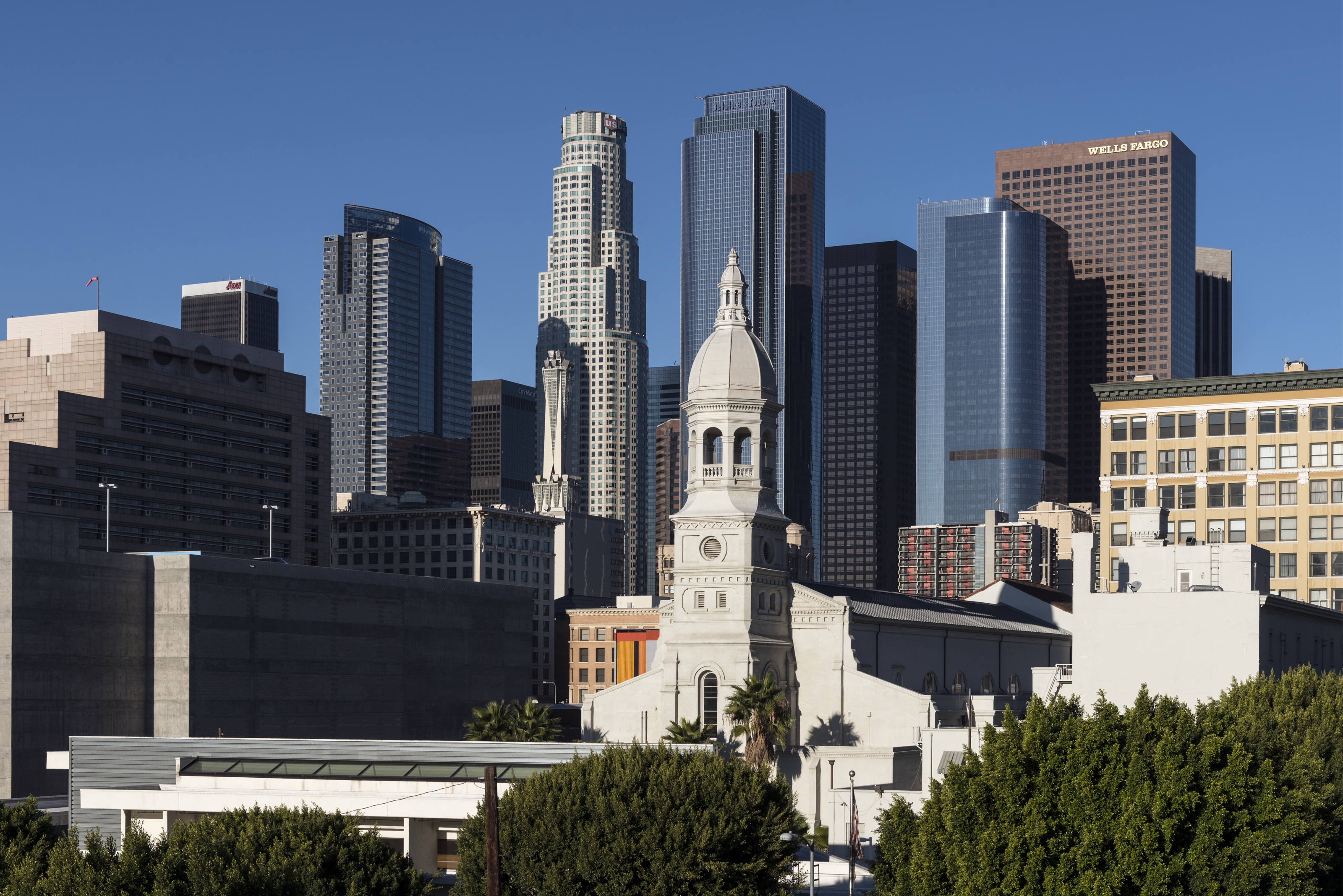
Photo: Carol M. Highsmith / Library of Congress. No known restrictions on publication. Resized.
The city does not tell me what kind of photographer you need
Los Angeles is a useful search term, but it is not a photography brief. A private company dinner in a hotel, a product demonstration in the Arts District and a conference downtown can all appear under event photography. They do not ask for the same pictures or the same working plan.
If I were hiring, I would narrow the assignment before narrowing the photographer list. What is happening? What must be photographed? Where will the images go? Those answers give you something concrete to compare. A portfolio becomes evidence for a job rather than a collection of pictures you happen to like.
For photographers looking for work in Los Angeles, the same discipline improves the first reply. Answer the assignment the client described. Show the relevant sequence. Ask a useful question about the part still unclear. You do not need to announce that you can photograph everything in the city.
The scenarios below are hypothetical planning examples. They are not accounts of events I photographed or claims about specific clients. I use different parts of Los Angeles to show how an event title can conceal very different commissions.
Downtown conference: the floor plan matters more than the headline
Imagine a conference at the Los Angeles Convention Center. The organizer needs photographs of a keynote, an exhibit area, several sessions and a reception. I would ask for the current program and a room plan before deciding how many people should photograph it.
The operator's official website can establish facility information. This event's organizer must explain credentials, assigned rooms and current access. A general description of a building does not tell the photographer which entrance works for equipment or where they may stand during a program.
Mark essential moments on the schedule. A keynote ending at the same time a demonstration begins elsewhere creates a decision. Does the client need both completely? Can one activity be represented through a shorter visit? Is a second photographer appropriate? Make the choice visible rather than leaving the crew to guess what full coverage means.
I would also distinguish the pictures needed before opening. An empty exhibit display or prepared room needs an agreed access time and a confirmation that the setup is ready. Arriving at the public opening cannot produce an unobstructed room that was never available to the photographer.
For portfolio review, request a comparable conference gallery shared appropriately. Read the middle, not only the opening image. Look for ordinary speaking photographs, audience, interaction and context. Ask what the photographer was assigned so you understand the example before judging its relevance.
The downtown proposal should explain the gaps
A useful proposal does not pretend there are no coverage gaps. It explains where one photographer would have to choose and how a proposed team would divide the work. The client should understand the roles, including who prepares the combined edit afterward.
If a candidate shows a team gallery, ask about their contribution when that matters to the service being proposed. A combined result can demonstrate coordination, but it should not silently imply every image was made by the one person you are considering.
The client can help by identifying fixed and flexible requests. A departing speaker portrait may have one narrow opportunity. Room details may be possible at another time. A planned group can sometimes move. The photographer needs that information before proposing a realistic route through the day.
Name one organizer who can set priorities during coverage. Several staff members asking for different things can pull a photographer away from an essential moment. A clear contact does not prevent changes; it gives the crew a way to understand which change the client actually approves.
Arts District demonstration: show the product without inventing a crowd
For a hypothetical product event in the Arts District, the client may need photographs of an object, demonstrations and customer interaction. Those are separate visual tasks. Ask what the final selection should explain rather than assuming that any picture with a logo will serve the purpose.
A clean display photograph can establish what was installed. A genuine demonstration can show use. A portrait of a representative can identify a person associated with the event. Call each one what it is. Do not ask the photographer to create a false impression that a display attracted activity it did not receive.
Identify material that must remain outside the photographs. Screens, prototypes, packaging or documents may not be intended for distribution. Give the photographer a boundary from an authorized contact and somebody to ask if the setup changes. A vague warning about sensitive material is not enough when only the client understands it.
If a controlled product session is also required, describe that separately. It may need a different space, time or preparation from roaming event coverage. A buyer should not assume catalog-style pictures arrive simply because a product was present in the room.
Photographers seeking this work should show an activity sequence as well as attractive details. Can a viewer understand what people are doing? Does context connect to the close-ups? The portfolio should help the client see how the proposed gallery would tell an honest story of the event.
West Hollywood dinner: define discretion in practical terms
Imagine a private company dinner in West Hollywood. The organizer wants photographs of the gathering without constant interruptions. I would ask which parts are documentary and which groups need to be arranged deliberately. Those approaches can coexist, but the client should understand the difference.
If particular guests need a joint photograph, appoint someone who knows them to make the introduction and gather the group. A photographer cannot infer the significance of a relationship from across the room. A short planned moment is more reliable than hoping the required people happen to stand together.
Clarify restrictions on who may be photographed and where images may go. The photographer may need a discreet instruction without the private reason behind it. Keep unnecessary personal details out of a working shot list circulated to several people.
The venue's current equipment and access rules need checking. Additional lighting may or may not fit the event's plan. Get the actual instructions from the operator or organizer rather than relying on what was allowed at a different dinner.
For portfolio evidence, inspect reception and dinner coverage made under comparable conditions. Are expressions readable? Does the gallery show the room without reducing every photograph to a posed group? Ask about the earlier scope before assuming its style represents the only way the photographer works.
Santa Monica gathering: an outdoor idea needs an actual permission check
For a hypothetical Santa Monica business gathering, a client might suggest an outdoor group photograph before an indoor program. I would first ask for the precise location and who controls it. An appealing background is not evidence that the proposed group and equipment are permitted there.
Check the current requirements through the responsible operator or organizer. If permission is needed, identify who obtains it and confirm it before treating the location as settled. The photographer should not arrive with a group while the client assumes the camera itself creates access.
Ask for a specific alternative if the original space becomes unsuitable. The fallback needs enough room and a confirmed time. If it changes the background or arrangement, give the photographer notice. An indoor room occupied by another activity is not a functioning backup.
Check current conditions close to the date. A general statement about Los Angeles weather does not establish what will happen for this assignment. Name the person who can move the activity and a clear way to communicate the decision to the crew.
Photographers can explain the possible changes in plain language. A different space may require a different group arrangement or lighting approach. An honest description lets the client choose a workable plan rather than expecting an identical result in every setting.
A two-address Los Angeles day needs a stop and a restart
A client may ask for an afternoon presentation in one part of Los Angeles and an evening reception in another. The useful question is not simply whether the photographer serves both areas. It is when coverage stops, what the move requires and when photography can resume.
List the addresses and the required moments. Include equipment packing, access and preparation at the second site. A map estimate describes only part of that transition. Do not create a schedule that uses every minute for photography and leaves no route between the locations.
If the client expects continuous coverage across the move, discuss how that would work. Another crew member may be proposed, or the schedule may need revision. Make the choice explicit. A photographer should not accept a physically incompatible plan just because the client describes it as one event.
The organizer can say which activities have flexibility. A portrait may move earlier; a speech may not. This information helps a photographer propose an alternative instead of assuming the first draft is fixed in every detail.
For photographers, state your travel assumptions and base honestly. Do not imply a working relationship with every venue or claim that access is already arranged. Preparation for this assignment needs current information, even when the general area is familiar.
Company portraits: do not squeeze a production into a break
If portraits are added to the Los Angeles event, define them. How many people? What appearance? What intended use? If the company wants to match an existing staff page, show the photographer the reference and discuss the room available for the setup.
A staff coordinator should bring people to the session and check names if named files are required. The photographer can direct the portrait, but should not have to search across the event for the next participant. Decide how missed appointments are handled and when the session closes.
A portrait station and simultaneous meeting coverage need a staffing or scheduling answer. One person cannot remain at a consistent setup and work in another room at the same moment. Put both tasks on the timeline so the buyer understands the proposed limit.
Review a portrait set, not only one favorite image. Consistency across people is part of the service. Ask what each participant receives and whether selection or retouching is included. Keep those deliverables separate from the general event edit.
For photographers, a practical explanation of the workflow may be more helpful than describing technical equipment. Tell the client what space and cooperation the session needs and how the final files will be organized. Give them a process they can actually support.
What I would reject in a vague proposal
I would question a document that promises complete coverage without addressing a clear schedule overlap. I would ask what edited images means if no output or delivery is defined. I would also pause at broad usage wording that does not describe the client's actual plan.
These are questions to clarify, not automatic evidence that a photographer cannot do the job. A useful conversation can reveal assumptions and produce a better scope. The danger is treating an unanswered question as though it has already been settled.
Send candidates the same current brief and compare the assumptions. A team photographing parallel sessions is not equivalent to one person following the main room. A proposal with a separate portrait process is not the same as an informal offer to make a few pictures during a break.
Do not use an unrelated dramatic portfolio as a substitute for relevant evidence. Ask for a comparable gallery that can be shared with permission. If a specific client's work is confidential, request another suitable example or a permitted reference rather than pressuring someone to break a prior agreement.
For photographers, be direct about exclusions and dependencies. The point is to make the job understandable, not to bury the buyer in conditions. A named pending credential or unconfirmed room is a problem the organizer can solve before the date.
Write the delivery before the first photograph
The agreement should identify the parties, date, addresses, coverage window, staffing and responsible organizer. It should then state the agreed outputs, format, delivery method and deadline. A separate early edit belongs in the scope if requested and accepted; it is not automatically part of coverage.
Describe the intended image uses and recipients. Sponsor access, partner distribution and advertising should be discussed directly. Significant rights or contract questions deserve qualified advice for the relevant jurisdiction and circumstances rather than reliance on a vague phrase in a message.
If captions are needed, identify who supplies and checks the facts. If named portrait files are required, agree on the identification process. The photographer should not have to invent a title or match a person by guesswork to complete the delivery.
At handoff, explain what is complete and what each selection contains. Name anything pending. The client should not need to inspect every folder to discover whether the first selection is the full gallery or an early subset.
Collect feedback through one contact. Separate a factual error, a missing promised item and a new request. That gives both sides a clear response and a way to finish the assignment without an expanding argument about what might have been implied.
For photographers looking for event jobs in Los Angeles
Start the reply with the client's job. Address the location and date, show a relevant example and ask the question that affects your plan. A conference lead does not need your full service catalog before it can see conference work.
If you lack experience at the named venue, say how you prepare: request current instructions, review the room plan and coordinate with the event contact. You do not need to invent familiarity to demonstrate judgment. The client benefits from knowing what still needs checking.
If ProShoot is your starting route, consult its current how-it-works page for the platform process. This article does not guarantee account functions, available photographers or a result from a posting. The introduction still needs an agreed commission between the actual parties.
For clients, the useful choice is a photographer whose relevant work and method fit your assignment. Look beyond the city headline. A clear brief, a coherent portfolio and an honest proposal give you a much better basis for hiring than a promise to photograph everything.
The last check is a practical one
Before accepting a proposal, I would ask the photographer to walk through the tightest part of the day. It might be the downtown keynote ending as a demonstration starts, the move to the reception or a portrait squeezed into a break. The answer should identify the choices and dependencies, not guarantee that the schedule cannot cause a problem.
The client can then decide what matters most. Which missing photograph would cause the biggest difficulty afterward? Put that answer in the priorities. It may be a required group or a particular presentation rather than the scene likely to make the most dramatic picture.
Name an alternate contact if the person who hired the photographer will be busy. Someone needs authority to confirm a room change, choose between competing requests or approve revised coverage. The photographer should not have to guess which staff member can make that decision.
Then confirm the delivery recipient and intended access. A completed gallery is not a useful handoff if it reaches someone who is unavailable and the communications team never learns it is ready. The plan should end with a clear recipient, not with the shutter's last click.
That is the kind of preparation I would want for a Los Angeles event: enough clarity to let the photographer work, and enough honesty that the client knows what the plan can deliver.
Sources checked November 6, 2026
Ready to hire a professional photographer?
Post your job free and get bids from photographers near you.
Post a Job Free →