Top Event Photographers in Kentucky
Plan Kentucky event photography around the actual room, program, and audience. Hiring and application advice for Louisville and Lexington assignments.
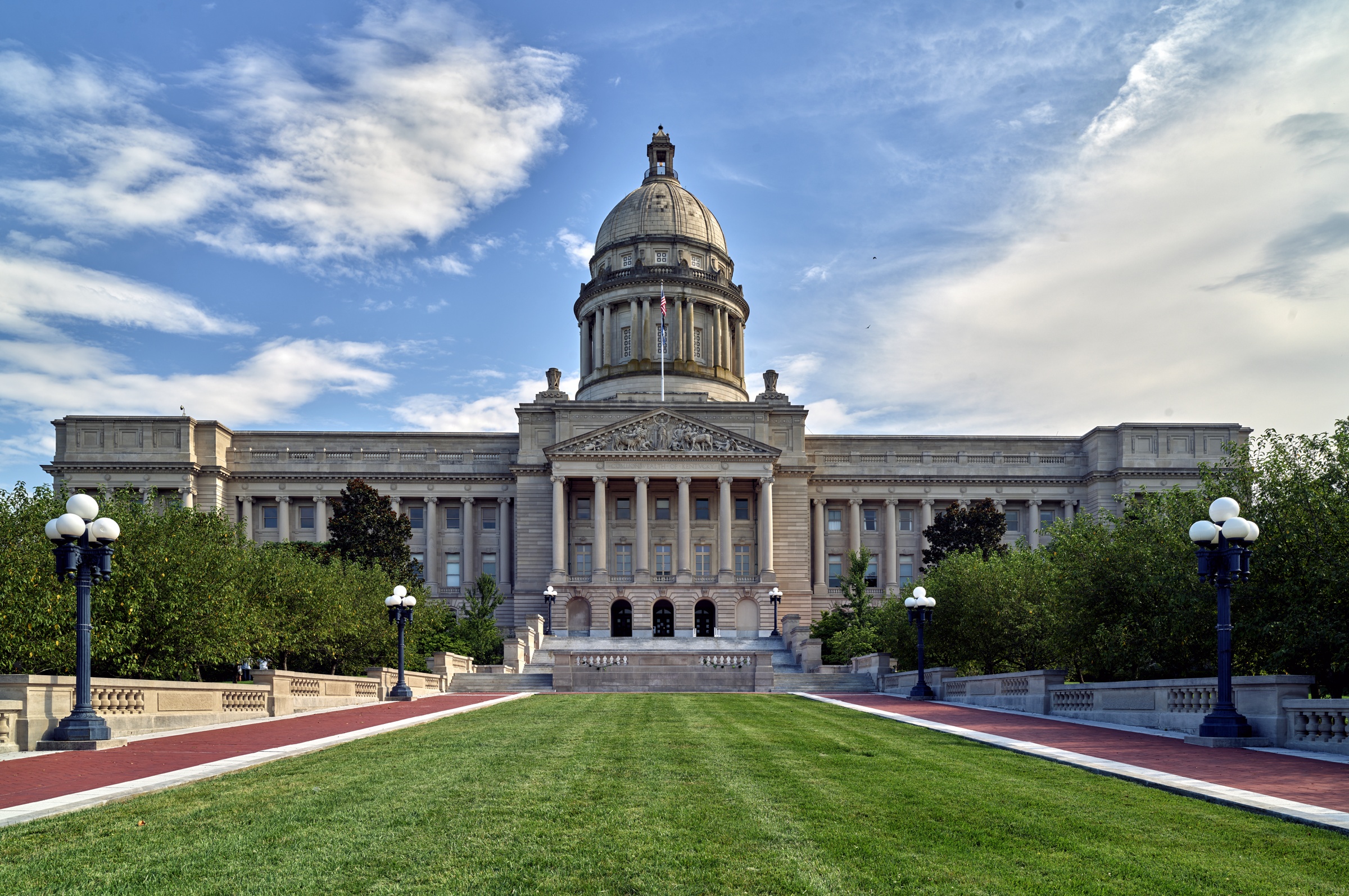
Photo: Carol M. Highsmith / Library of Congress, Prints and Photographs Division, LC-DIG-highsm-63835, July 8, 2020. Public domain. Resized; no crop.
An awards photograph has a short working life on the stage and a much longer life afterward. Someone may use it in an announcement, a newsletter, a personnel record, or a sponsor report. When I plan event photography, I want to know which of those jobs the picture needs to do before the recipient walks forward.
That question is a useful way into hiring an event photographer in Kentucky. A Louisville ballroom program and a Lexington conference might both need presentation photographs, but their room arrangements, participant flow, and other coverage needs can differ. The brief should make those differences visible.
This guide uses hypothetical assignments at two current facilities to explain my approach. It is not a ranked roster of photographers, a claim that either venue is hiring, or a record of events I personally photographed there. I would choose a photographer through relevant work, specific questions, and a proposal grounded in the actual commission.
Begin with the picture's destination
Before choosing equipment or promising a complete story, ask where the images will go. An internal record may need clear identities and a reliable sequence. Public announcements may need a small approved selection with accurate names. Partner communications may require permission beyond the commissioning organization's own use.
Those are different tasks even when they use photographs of the same presentation. Explain the intended audience to the photographer and discuss it in the agreement. A file handoff does not automatically answer who may publish an image or for what purpose.
I would also identify the person who approves names and titles. The photographer can record the moment, but should not invent a recipient's role from memory or guess at the spelling on a partly visible badge. Accurate recognition needs a source the organizer can verify.
The same thinking helps photographers respond. Instead of promising attractive pictures without context, explain how your proposed work supports the next use. That response shows you understand the assignment beyond the moment the shutter clicks.
Louisville example: the awards sequence inside a divided ballroom
The Kentucky International Convention Center's official Entire Ballroom page says the ballroom can be divided into five sections. It describes customizable LED lighting, overhead lighting options, and a ballroom pre-function space with glass walls and a downtown cityscape view. Those are facility facts, not the production plan for a particular event.
For a sample recognition dinner, I would ask which sections are booked, how the stage faces the audience, where recipients wait, and where they leave. The room name alone cannot establish any of those details. A floor plan from a different program might be a useful reference without describing tonight's arrangement.
The client should explain the number and order of presentations, the people involved, and whether a brief posed photograph is expected. The photographer can then assess position and coverage. A surprise request for a group after every award changes the sequence and should not be buried inside a general instruction to capture the ceremony.
Decide whether the photograph is candid or arranged
A candid handoff and a held presentation photograph need different cooperation. If the organizer wants the recipient and presenter looking toward the camera, someone has to communicate that expectation. I would not count on guests knowing where to look without direction.
If the program should move without interruption, tell the photographer. The result may favor the natural exchange rather than a formal pose. Neither approach is automatically better. The mistake is expecting one while running the other and assuming the photographer can repair the mismatch later.
Give the host and stage manager the same plan. A photographer positioned for one agreed sequence should not find that recipients unexpectedly leave through another route. The useful preparation is coordination among people, not a larger collection of camera settings.
Read the lighting description as a question
The operator's lighting description establishes options, not their final settings. Ask the event's production team about the planned look and whether a rehearsal or setup check is available. Darker theatrical lighting may be intentional; the photographer should work with the approved design rather than assume it can be changed.
A portfolio review can test relevant experience. I would look for faces rendered clearly during presentations, natural expressions, and a consistent sequence across different people. A single impressive frame does not show whether the photographer followed the complete recognition order.
Discuss any proposed additional light before the program. The public room page does not authorize a photographer to add equipment in an aisle or change the production. Confirm positions and restrictions with the people responsible for this event.
Use the pre-function area intentionally
The glass-walled pre-function space described by KICC may prompt an organizer to consider portraits or a group there. Its existence does not confirm availability, privacy, or permission. Ask whether it is part of the booking and compatible with guest movement.
If a required photograph moves there, give it a place in the schedule and someone to gather the subjects. Walking out of the ballroom is not enough of a plan. The photographer needs to know what takes priority if another essential stage moment happens at the same time.
Keep an alternative that preserves the purpose. A leadership photograph does not need to fail simply because the preferred background is unavailable. Decide whether recognition, setting, or consistency matters most, then choose an approved location that supports that goal.
Lexington example: a conference with several photographic stories
Central Bank Center's current floor-plans page separates Ballrooms, Meeting Rooms, and Exhibit Halls and provides level-specific material. It also offers virtual tours for ballrooms and Meeting Rooms 1-8. I use those current categories rather than copy room names or capacities from an older brochure surfaced by search.
Imagine a conference that wants a keynote record, selected learning sessions, exhibitor interaction, and participant recognition. These are related stories, but they do not necessarily happen where one photographer can cover them all. The organizer should identify which moments need complete coverage and which can be sampled.
Use the actual event map to connect those priorities to booked spaces. A list of room categories is not a walking route or a transfer-time estimate. The photographer needs the current setup and reporting instructions, especially when equipment or credentials are involved.
Give exhibits a reason to appear
An exhibitor photograph might be intended for a partner report, a future invitation, or a record of the current program. Tell the photographer which. A wide view establishes scale, but may not show an actual conversation or demonstration clearly enough for the intended use.
If specific organizations must appear, provide the list and a way to identify their assigned locations. The photographer should not have to infer importance from the size or position of a display. Verify publication permission for restricted demonstrations and material rather than assume every exhibit is fully public.
I would also ask how to handle a busy stand when the desired representative is absent. The organizer can decide whether to return, photograph the interaction that is happening, or redirect effort. That is a useful priority decision, not something to hide inside a promise of total coverage.
Distinguish speaker coverage from participant coverage
A keynote photograph and a participant learning image serve different purposes. A client asking for both needs to explain the balance. If every frame follows the speaker, the gallery may say little about the people attending. If the photographer concentrates on the audience, an important speaker exchange may be missed.
For selected sessions, provide the current order, contact, and any restricted content. A meeting-room category or tour does not establish whether a particular presentation can be photographed. The event organizer should communicate those permissions to the crew and the session leads.
Ask the photographer to describe what can be covered by one person and what needs another. A realistic proposal can include complete keynote coverage and selected session visits. It should not quietly substitute occasional snapshots when the brief asks for complete simultaneous records.
Compare photographers using the event's failure points
For the Louisville recognition example, I would review a complete awards sequence. Can I follow the presentations? Are the recipient and presenter visible? Does the photographer show consistent work beyond the first few subjects? The answer matters more than the number of photographs in a portfolio carousel.
For the Lexington example, I would look at the transition between stage, sessions, and exhibits. Does the set explain the program, or is it a collection of unrelated attractive frames? Ask how the photographer decided what to cover when activities competed.
Neither review requires an identical venue in the portfolio. Relevant evidence can come from another approved project with similar demands. Familiarity helps only when the photographer still checks the current arrangement instead of treating a past visit as permanent knowledge.
Separate individual contribution from team output
If work was made as part of a crew, ask which role the applicant held. A photographer who handled exhibitor interaction can demonstrate that work without claiming they managed the whole conference. Clear attribution is useful evidence of professional judgment.
The client should also ask who will attend this assignment. If another photographer is proposed, review the relevant work and responsibilities. A proposal built around one person's portfolio should not quietly become a different crew without a clear agreement.
Private work deserves care during review. Ask for an authorized example or an agreed way to inspect it. A prospect's request is not permission to circulate an earlier client's confidential presentation. How someone handles that boundary is part of the hiring evidence.
Build one usable production note
I would keep the working note short enough for the organizer, photographer, and program contact to use. Identify the booked rooms, required moments, names source, photography contact, and authority for changes. Attach the current program and map rather than scatter competing versions across messages.
For awards, add the recognition order and agreed pose convention. For a conference, add the sessions and exhibitors that need priority. Distinguish requirements from optional ideas so the photographer knows what can yield when the schedule changes.
Do not fill unknowns with guesses. Mark an unconfirmed entrance, position, or permission as awaiting confirmation and assign someone to settle it. A polished-looking instruction that sends the crew to the wrong place is worse than an honest gap found early.
Obtain actual access instructions
Ask where the crew should report and what equipment arrangement has been approved. An address on a venue site is not a personal authorization to enter through a service door. Attendee directions may also omit the working instructions needed by a crew.
If a portrait station is included, confirm its location and effect on circulation. The organizer should know whether it reduces roaming coverage or needs a dedicated photographer. A portable setup is still a physical workspace, not an invisible addition to the event.
For insurance or credentials, request the current requirements for this booking. Do not assume every Kentucky venue uses the same documents, and do not mistake portfolio quality for proof that requirements are satisfied. Verify the actual crew and scope against what the organizer receives.
Keep new requests connected to an authorized decision
During a dinner, a department may ask for extra group portraits. During a conference, an exhibitor may want a separate product session. Those requests can be worthwhile without automatically belonging to the original assignment. Name someone who may approve changes before the event begins.
The photographer should explain the tradeoff. Taking a group away from the room may mean missing the next presentation. A separate exhibit session may reduce learning-session coverage. The organizer needs that information while they can still choose, not after reviewing the gallery.
Discuss additions to the program, extra properties, and longer coverage through the agreed scope. A request sounding small does not establish the work it adds. Neither side benefits from leaving the decision unspoken because the event is busy.
Photographers: respond with evidence and a useful question
For a Louisville awards inquiry, I would start with a relevant presentation sequence and ask how the host will manage poses. For a Lexington conference, I would show program and exhibitor coverage and identify concurrent requirements. The application should make the planning issue easier to see.
ProShoot's published workflow describes clients posting jobs, comparing bids and portfolios, and choosing a photographer. Its photographer process includes applying and presenting work. Those basic steps help organize an inquiry; they do not establish access, credentials, insurance, or personal venue experience.
Describe your actual contribution in portfolio examples and state who would attend the proposed assignment. If you have not photographed a specific facility, say what you will verify. A truthful preparation plan is more useful than a claim to know every room or every client expectation already.
Check the date and the full work window before stating availability. Include arrival, setup, program, and any separately requested function. Do not treat a short stage appearance as the entire commitment when the brief also includes portraits and a reception.
Review the agreement before calling the assignment settled
Read what the proposal includes: program coverage, staffing, portrait work, editing, delivery, and image uses. Compare those items across candidates. Similar wording can hide different assumptions about concurrent rooms or the recognition sequence.
If captions are included, identify who supplies and checks the names. If an approved public selection is needed, identify the reviewer and the decision route. A photographer should not be left to decide which confidential presentation or unannounced recipient can be released.
Agree on a delivery date and any earlier selection separately. Images requested while the event continues may affect coverage or require another workflow. Discuss that work rather than let an informal request become an unbounded live-editing obligation.
Also agree on the photographer's own promotional use. The client receiving files does not necessarily approve public portfolio sharing. Obtain whatever permission the agreement requires before publishing, and preserve restrictions on other people's material.
Hand over a record people can actually use
For the recognition dinner, the organizer may need recipients easy to identify in the correct order. For the conference, session and exhibitor groupings may be more helpful. Ask what the communications team will do next and organize the agreed delivery to support it.
Do not let a large gallery transfer the whole editing problem back to the client. The proposed service should explain what selection and editing it includes. Repeated frames can document a sequence, but volume alone does not show that the final set is ready for its intended purpose.
Use file-access and storage terms that are actually offered. If some photographs await approval, make that status clear. Finish with an agreed route for factual corrections and missing-file questions rather than assume silence after delivery means every detail is understood.
Choose the plan that can be followed
The operator sources used here establish facility categories and selected features. They do not prove local company spending, recurring festival dates, seasonal demand, or open photography work. I would not use those unsupported claims to turn Kentucky into a generic promise of endless opportunities.
Louisville's divided-ballroom recognition example needs coordinated stage flow and a clear lighting conversation. Lexington's multi-part conference example needs priorities among simultaneous stories. Those differences should shape both the hiring brief and the photographer's response.
The useful goal is straightforward: photographs that preserve what mattered, permissions that are understood, and a working plan both sides can follow. Whether you are hiring through ProShoot or applying there, start with the actual event and let its needs determine the proposal.
Sources checked November 6, 2026
- https://kyconvention.com/kicc_event_space/entire-ballroom/
- https://www.centralbankcenter.com/central-bank-center/event-planners/facility/floor-plans
- https://proshoot.io/how-it-works/
Ready to hire a professional photographer?
Post your job free and get bids from photographers near you.
Post a Job Free →