Top Event Photographers in Kansas
Hire a Kansas event photographer with a plan for Wichita stage programs or Overland Park banquets. Practical guidance for clients and photographers.
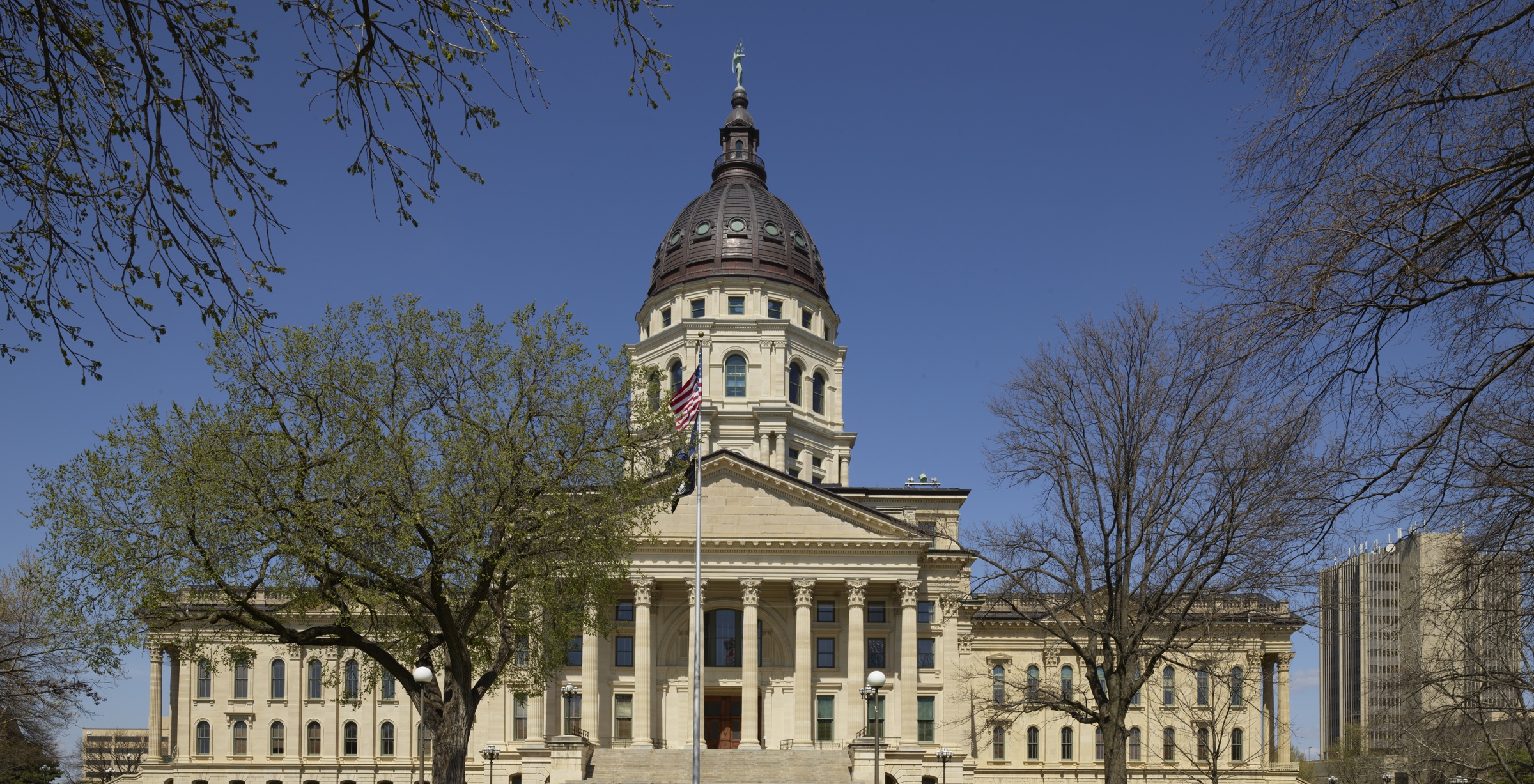
Photo: Carol M. Highsmith / Library of Congress, Prints and Photographs Division, LC-DIG-highsm-67024, April 5, 2021. Public domain. Cropped along the bottom to exclude visitors; resized.
I would rather receive a Kansas photography inquiry with a clear program than a long list of adjectives. Tell me whether the assignment is a lecture in Wichita, an awards dinner in Overland Park, or a gathering somewhere else. Then tell me what the pictures need to do. That is the beginning of a useful shortlist.
The local examples here draw on Century II's official event-space pages and the Overland Park Convention Center's ballroom information. I checked those sources for the descriptions below. The sample lecture and awards dinner are hypothetical planning examples, not personal shooting stories or currently available jobs.
A title such as top event photographers cannot establish who is right for an assignment. I would need relevant complete work, availability, and a proposal that responds to the actual event before recommending a person. This guide explains the questions I would use to get there.
The four photographs I would discuss before a Wichita lecture
For a sample lecture assignment, I would ask the organizer to identify a speaker image, an audience image, a setting image, and any required relationship image. These are categories to discuss, not a universal shot list. The point is to learn whether the client wants a record of the presentation, publicity for the speaker, documentation for supporters, or something else.
A speaker image may need a particular gesture or a view that connects the person to the program. An audience image may need to explain engagement rather than show a room full of backs. A setting image can identify the event without replacing the people. A relationship image might be a planned photograph of the speaker with hosts.
If the client does not need one category, remove it. I would not add work simply because a checklist contains it. Conversely, a required host group should not remain an informal hope. Give it a moment in the program and someone who can bring the people together.
Century II is not one interchangeable hall
Century II's official event-space page identifies Concert Hall, Carl A. Bell, Jr. Convention Hall, Exhibition Hall, Bob Brown Expo Hall, Mary Jane Teall Theater, and meeting rooms. Those names should be used precisely in a photography brief. A crew should not have to infer the assigned room from the complex name.
The operator describes retractable loge seating in Convention Hall and an adjoining connecting lobby at Bob Brown Expo Hall. It describes Mary Jane Teall Theater as suitable for productions, meetings, lectures, presentations, and seminars. The actual booked arrangement still needs to come from the organizer.
For the lecture example, ask whether the program uses a theater, a hall, or another room. A gallery from a different Century II space may show relevant skill without showing the camera positions available here. Obtain the current stage, screen, seating, and circulation plan rather than assume a familiar venue name settles it.
A speaker photograph is a timing problem too
I would ask for the introduction, presentation, questions, and closing sequence. Does the speaker remain on stage afterward, or leave directly? Is there a planned greeting with the host? The photographer can prepare for the moment when the organizer supplies the sequence.
If the host group is scheduled while the audience discussion is still underway, the brief needs a choice. Move the group, give one moment priority, or discuss another photographer. A promise to capture everything does not make the overlap disappear.
Obtain the applicable restrictions on movement and additional light through the event's production contact. The venue's technical description does not grant access to working areas or equipment. An attendee invitation is not a photography credential, and experience at another theater does not establish the rules of this program.
An Overland Park awards dinner starts with the handoff
For a hypothetical awards dinner, I would ask what happens between announcing a recipient and the person returning to their seat. Do they pause with the presenter? Is there an object being handed over? Does the client need a formal photograph or a candid sequence? These details can matter more than a general request for stage coverage.
The Overland Park Convention Center's official ballroom page places its ballrooms on the main level and describes division into separate rooms with customizable plans. That is useful context, but it does not establish the event's actual stage, room division, or audience arrangement. Ask for the current plan and program.
I would make an approved recipient list with the organizing team and identify someone who knows the people. The photographer should not be expected to recognize every recipient from a name alone. If captions or file labels are required, designate the source that verifies spelling and titles.
Build a repeatable moment without making the evening feel staged
A simple cue can help a planned award photograph happen consistently: the presenter and recipient know where to pause, and the photographer knows when the moment will occur. This is a suggestion to discuss with the organizer, not a rule imposed by the venue.
If the event is meant to remain entirely candid, say that too. The client should understand the difference between documenting a moving exchange and guaranteeing a formal pose. A photographer can explain the likely result of each approach without pretending they are identical.
I would also ask whether the client wants the audience response or guests at tables during the same moment. If those photographs are essential, discuss how coverage will be divided. A single person looking toward the stage cannot simultaneously make every reaction image behind them.
Room details have a window
An awards dinner may include table settings, sponsor material, and a room-wide view that the client wants before guests arrive. Put those requests before the scheduled arrivals if that is the agreed plan. Do not add them during a required presentation and expect the same result.
If sponsors need evidence, specify what counts. A logo in the distant background may not answer a sponsor report, while a close image of a sign may not show participation. Tell the photographer whether the requirement concerns recognition, activity, people, or a combination.
The venue's ballroom page includes standard capacity and setup information. I would not use it to infer spare space for a portrait station. The actual floor plan and production needs determine where additional equipment can go. Discuss any backdrop or lighting with the organizer before the room is occupied.
Compare galleries in the order the work happens
For Wichita, I would review arrival, presentation, audience, and any host group as a connected sequence. Can I understand the lecture? Are expressions and interactions useful, or does the gallery depend on one attractive stage frame repeated many times?
For Overland Park, I would review the award exchanges, recipient groups, table coverage, and transitions. Look for consistent attention to faces and context. A polished room-detail image does not demonstrate the ability to follow a changing program, just as a strong stage image does not prove thoughtful guest coverage.
Ask the person proposing what they actually photographed. If they were one member of a larger team, understand their portion. Supporting work can be excellent evidence when labeled accurately. It should not become an implied claim that the person managed the entire event and delivered every image shown.
I would not insist on identical venue history. A photographer unfamiliar with a particular room can prepare from current plans and instructions. A photographer familiar with it can still rely on outdated assumptions. Relevant work and careful preparation are stronger evidence than saying they know every venue in Kansas.
Use references to test a boundary
Ask a previous client how the photographer handled an added request. Did they explain what it would affect? Did they identify a conflict before an important moment was missed? Did the delivered gallery reflect the priorities the organizer had actually approved?
A useful reference does not require disclosure of another client's private guests or internal program. The purpose is to understand how the working relationship functions. I would value one clear account of communication more than a collection of broad compliments.
Write an agreement that protects the program
For the lecture, name the room, presentation coverage, and any planned host group. For the dinner, name the awards sequence, required people, and other segments included. Avoid wording so broad that the client reads unlimited coverage while the photographer reads a much smaller job.
Identify who can approve a change. A guest asking for portraits does not necessarily have authority to redirect the photographer away from the awards. The crew needs a courteous way to protect the organizer's priorities and a clear contact when those priorities change.
A new reception, another property, or an extended program may change the assignment. Discuss how additions are recorded instead of assuming they are either automatically included or automatically refused. The point is a shared decision, made by someone authorized to make it.
Usage rights deserve plain language too. Internal records, public posts, press distribution, sponsor materials, and advertising can be different intentions. Receiving files is not a complete explanation of permitted use. The agreement should describe the audience and rights relevant to this commission.
Give restrictions a practical signal
If a slide, guest, or display should not appear publicly, explain how the photographer can recognize the restriction. An instruction known only to one organizer cannot reliably guide a crew covering a busy room. Name someone who can answer a question and decide how images awaiting approval will be handled.
The photographer's public portfolio is a separate consideration. A client accepting a private gallery has not necessarily approved promotional use of it. Discuss the permission required before the job rather than surprise people when images appear later.
If the venue requests insurance documentation, obtain the current requirements and ask whether the proposed photographer and crew meet them. Do not infer policy details from a good gallery or assume the same document works for every property. It is a check against this event's instructions.
Arrival instructions are not the guest invitation
I would send a short crew note with the reporting point, contact, allowed arrival window, and route for the agreed equipment. A guest invitation can omit exactly the information a working photographer needs. If a service entrance is proposed, have the organizer confirm it rather than infer permission from a floor plan.
Describe equipment before arrival. Cameras carried by one person and a portrait setup brought by a crew can have different space and access needs. A portable stand still occupies a position and must work with circulation and production. Settle that arrangement before expecting event staff to accommodate it.
For a program using another town or property, create separate instructions. Century II's public information cannot establish access at an Overland Park event or anywhere else. Use the actual location and schedule rather than a generic statewide travel assumption.
Photographers: make the proposal answer a difficult moment
For the Wichita lecture, I would address the transition from closing discussion to host group. I would show relevant presentation work and ask about approved movement. That says more about my preparation than a sentence claiming I can handle every kind of event.
For the Overland Park dinner, I would explain the awards handoff and the difference between a formal pause and a candid exchange. I would ask about recipient identification and sponsor evidence. A specific response gives the organizer a plan to assess instead of a list of unrelated services.
ProShoot's published client workflow describes posting an assignment, comparing bids and portfolios, and selecting a photographer. Its photographer workflow includes applying and presenting work. I would use that opportunity to show a tailored response. A profile does not establish credentials, insurance, venue access, or permission to publish previous clients' restricted material.
Share only authorized examples. If a relevant gallery is private, use another permitted project or obtain the approval your agreement requires. The next client should not have to wonder whether their own private event will become public material for a future application.
Be precise about what is still open
A proposal can identify an unanswered room, schedule, or permission question without sounding unprepared. Explain what depends on that answer and who needs to supply it. The client can then compare realistic plans rather than choose between promises built on different hidden assumptions.
A public event calendar is not evidence of a photography opening. Look for authorized inquiries and respond to the work actually offered. I would not use industry lists, festival recurrence, or broad seasonal claims to promise that a Kansas portfolio will produce a full calendar.
Plan delivery around the organizer's next job
After the lecture, the organizer may need a speaker set and a record of hosts. After the dinner, the awards team may need each recipient and sponsor requirement easy to find. Discuss a delivery organization that supports those tasks rather than assume a large undivided gallery is always the answer.
If identification is part of the assignment, use a verified roster. A photographer should not guess someone's title from appearance or a partly visible badge. The organizing team should supply the source for factual labels and captions.
Agree on the delivery date and any earlier selection separately. If the client asks for images during the event, discuss the review route and the effect on coverage while editing occurs. A casual request for quick photographs should not become an undefined obligation to edit continuously through the program.
State the access and storage terms actually offered. The client should know how to retrieve the agreed files, which images are awaiting approval, and how long the service remains available. Do not promise permanent access unless it genuinely belongs to the service being provided.
A shortlist should make the decision easier
I would choose a Kansas event photographer by matching relevant work to a defined result. For the lecture, that means a thoughtful presentation sequence and an achievable host photograph. For the dinner, it means a workable awards plan and a clear record of the people and relationships the organizer values.
Those examples are intentionally different. If a proposal reads the same for both, ask whether the person has understood the actual program. Good preparation is visible in the questions, the boundaries, and the explanation of how the required images can happen.
Whether you are hiring through ProShoot or applying for a job there, start with that specific conversation. A useful agreement about the photographs that matter is worth more than the broadest promise to capture everything across the state.
Ask the host which pause actually belongs in the program
A lecture and an awards dinner can both contain a brief opportunity for a required picture, but the host must understand what that opportunity is. Ask them to describe the moment from the participant's perspective. Is the person listening, exchanging something, or deliberately facing the camera? The answer determines what cooperation the photographer can expect.
If the client needs a held portrait, communicate the pause before the person arrives. If the program should remain observational, choose that treatment honestly and review the portfolio for relevant evidence. Do not treat a natural exchange as a failed formal portrait when no formal opportunity was provided.
This test can also uncover a competing duty. A required group may become available during the lecture's essential moment. The photographer should raise the conflict and ask the authorized contact rather than abandon one task silently. Keep that choice with the working brief so the delivered record is reviewed against the service actually commissioned, including any approved change.
Sources checked November 6, 2026
- https://www.century2.com/plan-your-event/event-spaces
- https://www.century2.com/plan-your-event/event-spaces/mary-jane-teall-theater
- https://opconventioncenter.com/event-spaces/ballrooms-near-kansas-city/
- https://proshoot.io/how-it-works/
Ready to hire a professional photographer?
Post your job free and get bids from photographers near you.
Post a Job Free →