Top Event Photographers in Idaho
Hire an event photographer in Idaho with a clear brief, relevant portfolios, and a coverage plan. Guidance for clients and photographers seeking local assignments.
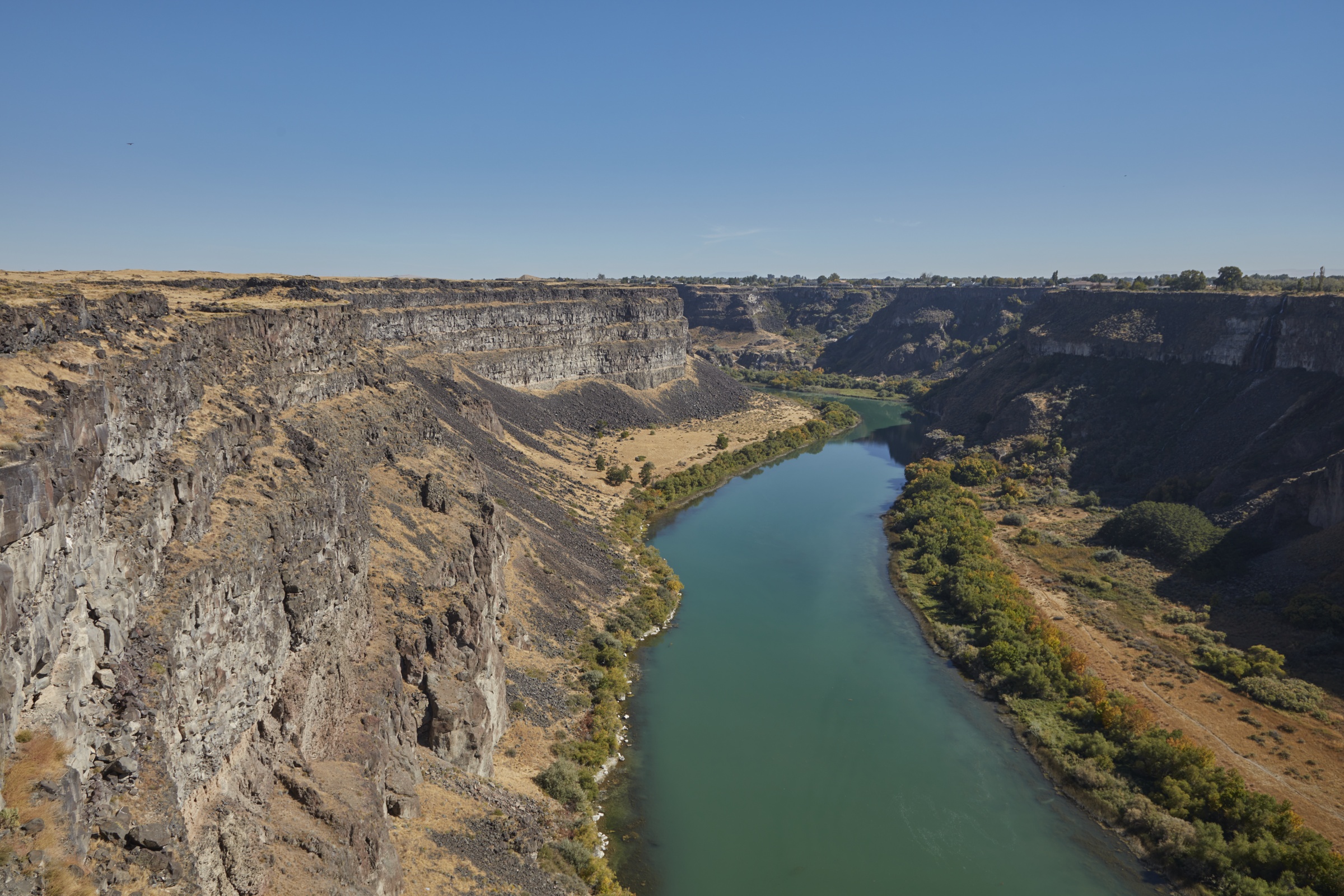
Photo: Photographs in Carol M. Highsmith's America Project in the Carol M. Highsmith Archive / Library of Congress, Prints and Photographs Division, LC-DIG-highsm-71823, October 6, 2022. Public domain. Resized; no crop.
The first thing I want from an Idaho photography brief is the image the client cannot afford to miss. It may be a leadership group, an award presentation, or a customer demonstration. Once that is clear, the room, schedule, and photographer's approach become easier to discuss.
I checked Boise Centre's published planning information and the Blue Cross of Idaho Conference Center's operator page for the local examples below. Those pages establish facility features. They do not establish open assignments, available photographers, or permission at a particular event.
The practical sections use two hypothetical briefs to show how I would make a hiring decision. Clients can adapt the questions to their program; photographers can use them to explain a specific response. Neither side benefits from a proposal that treats every room and every event as the same job.
Idaho: name the Boise or Idaho Falls space in the brief
Boise Centre's Grand Ballroom has division options
Boise Centre's official floor-plan and amenities page describes a Grand Ballroom divisible into three sections, flexible meeting spaces, and an Executive Boardroom identified as Room 200. It describes the boardroom's glass walls and attached patio. Those are useful details to clarify rather than treating the whole facility as one room.
I would ask which configuration is booked and how the event moves among spaces. A presentation, reception, and smaller meeting can need different priorities. Name important people and intended image users so the photographer can explain an approach to the actual program.
A public floor-plan page does not establish the stage, screens, seating, displays, or circulation routes for your event. Obtain the current approved layout. A gallery from a different function demonstrates work, not the exact view available during the assignment.
Glass and patio features need an image goal
If the client wants the setting visible, put that in the brief. If a speaker, sponsor, or guest interaction matters more, identify the required moment. A photographer cannot assume that every architectural feature deserves equal attention during a limited coverage window.
The boardroom's patio appearing in a venue description does not mean it is included in every booking. Confirm access before promising an outdoor group or portrait location. Identify an alternative and the contact who can change the plan.
I would review complete galleries for comparable conditions rather than judge only a scenic image. Ask how the photographer would balance bright backgrounds, screens, and indoor light using the actual schedule. A venue feature is a planning question, not a lighting guarantee.
Idaho Falls has a separate conference facility
The Mountain America Center's official page identifies the Blue Cross of Idaho Conference Center inside the Idaho Falls complex. It describes movable airwalls, multiple configurations, and pre-function space. A brief should name this conference assignment rather than imply it includes an arena program.
Ask which areas are booked and what coverage is commissioned. A banquet, meeting, exhibition, and stage program can need different positions and credentials. Public facility information does not establish backstage access, equipment permission, or image-release rights.
Share the approved room arrangement and program sequence. If required moments overlap in separate spaces, decide priorities or staffing before the event. One photographer cannot provide complete coverage in different rooms at the same instant simply because they share a facility.
Give each location its own access instructions
A Boise meeting and an Idaho Falls function need separate addresses, arrival windows, contacts, and scope. Published information for one venue cannot establish access at another. Do not treat a change of city as a room change or rely on a generic statewide travel estimate.
Explain planned equipment before arrival. A portrait station or extra lighting needs a position compatible with the event's circulation and production plan. Obtain current vendor instructions instead of assuming a public visitor entrance is the crew's route.
Facility information establishes spaces, not open jobs. Clients should compare relevant complete galleries with their program, and photographers should describe their role honestly. I would choose a clear scope and realistic plan over an unsupported claim to know every venue in the state.
Start an Idaho search with the image that must exist
Before I compare photographers, I ask the client to finish one sentence: when this event is over, we need a photograph that shows what? The answer might be a leadership group, a customer using a demonstration, an award recipient, or a room engaged with a speaker. That answer is more useful than a long description of the event's atmosphere.
Consider two sample assignments. A Boise company wants a meeting record and portraits of several people attending it. An Idaho Falls association wants a conference gallery, sponsor evidence, and a group around an awards presentation. These are planning examples, not claims about events I have covered or jobs currently available.
I would organize the Boise plan around the portrait window and meeting interruptions. I would organize the Idaho Falls plan around program timing and sponsor requirements. A photographer's proposal should make those different problems visible. A portfolio alone cannot tell the client how the person will use the available time.
Boise example: a meeting plus portraits is two kinds of attention
The client may see portraits as a small addition because everyone is already in the building. I would ask how many people need an individual image, who brings them to the camera, and whether they can leave the meeting. Without those answers, a portrait request can quietly compete with the meeting coverage.
If the assignment uses a Boise Centre ballroom division and a separate portrait area, identify both on the actual plan. Do not assume an adjacent boardroom or patio is included. The published facility features tell us what questions to ask, not what the client has booked.
I would give the organizer a portrait roster with a responsible contact. That person can gather participants and check names while the photographer works. The photographer should not have to leave a setup repeatedly to search a building for people they have never met.
The meeting record needs a defined purpose too. Does the client need a few contextual frames, a full presentation sequence, or evidence that particular people participated? A photographer cannot stay at a portrait station and also document every spontaneous moment in another room. Decide which task has priority during each period.
What I would test in the proposed portrait setup
Ask the photographer how much space the intended setup needs and how it will remain clear of circulation. A stand or backdrop that is easy to carry still occupies a working area. The organizer should confirm its location rather than expect the crew to improvise in a busy corridor.
I would also ask how the portraits should look alongside the company's existing materials. A useful response addresses background, framing, and intended use, not only equipment. If the client needs consistency with an established style, provide authorized examples before the event rather than introduce the requirement after the photographs are made.
For a patio idea, make the decision about access and an indoor alternative before promising it. The client may want the setting, but the essential deliverable may simply be a consistent portrait of each person. Keep that purpose clear so a change of position does not become a failed assignment.
Idaho Falls example: sponsor evidence needs a real brief
A sponsor report can require images that a general conference gallery might miss. I would ask what the sponsoring team needs to see: a recognizable display, guests participating, a representative speaking, or a planned group. Do not let a request to include the sponsors remain undefined.
Put those requirements beside the actual program and room configuration. The Blue Cross of Idaho Conference Center's movable airwalls make the assigned arrangement relevant. An exhibit in one division and a presentation in another may create a coverage conflict even though the spaces share one facility.
The photographer should receive the approved names and a contact who can identify representatives. A logo list is not a reliable way to recognize people. If someone is only available briefly, arrange the photograph rather than hope a candid encounter happens at the right time.
For an awards moment, explain the sequence. Will the recipient pause, move directly off stage, or join a group? The photographer can prepare an approach when the organizer supplies the plan. They cannot guarantee a formal group that has never been scheduled or communicated to the participants.
Do not confuse the conference with arena access
An assignment inside a larger event complex needs clear boundaries. I would name the conference rooms and any additional spaces included, along with the permissions that apply. The facility's public identity does not establish a credential for another program taking place nearby.
Ask who can authorize a change if the client wants an extra location during the event. A photographer should not have to interpret an enthusiastic guest's invitation as permission to enter a restricted area. The commissioning contact needs to own that decision.
This is also why I would send arrival instructions separately from the guest invitation. The crew needs the equipment entrance, reporting contact, and access window. A person carrying a camera bag and a crew bringing a portrait station may require different arrangements. State what is actually being brought.
Compare evidence, then compare proposals
For the Boise sample, I would ask to see a delivered set that combines portraits with an event record. I would check whether the portraits are consistent and whether the event photographs still explain the meeting. Strong work in one area does not automatically demonstrate the ability to balance both.
For the Idaho Falls sample, I would look for a coherent conference sequence containing sponsor interaction, presentations, audience context, and planned groups. I would want to understand what happened without reading a paragraph explaining every image. Repeated pictures of one attractive stage angle do not prove complete coverage.
Ask the photographer to describe the role they held in those examples. A second photographer may have made excellent audience images while someone else covered the stage. That is relevant experience when labeled accurately. It becomes misleading when presented as responsibility for the whole job.
I would not make same-venue history an automatic requirement. Someone who has not worked in a particular room can prepare carefully from current plans and organizer instructions. Someone who has worked there can still be wrong if they assume the new event repeats an old layout. Relevant judgment matters more than a casual claim of familiarity.
Use a reference to test the working relationship
Ask a former client about one practical issue: a late participant, a moved presentation, a naming correction, or an image request that needed permission. Did the photographer communicate before the problem became a surprise? Did the delivered work reflect the agreed priorities?
You do not need confidential details to learn how someone works. I would avoid asking for private guest information or another company's internal program. A useful reference provides evidence of behavior without exposing the previous client.
The written scope should make a missing image predictable
If a required image is not possible under the proposed schedule, the agreement should make that visible. A portrait window overlapping the only leadership presentation is an example. So is a sponsor representative needed in two locations at once. These are planning decisions, not tests of the photographer's enthusiasm.
For the Boise brief, I would separate portrait time from roaming coverage and name who gathers participants. For Idaho Falls, I would attach the agreed sponsor and awards requirements to the schedule. The wording can be simple as long as both sides understand what is included.
Discuss who may add tasks. An extra dinner, another property, or a new group request can change the assignment. The photographer needs one client contact who can approve changes within the agreed scope. Otherwise, the crew can end up following the loudest request rather than the organizer's priorities.
The same clarity belongs in image rights. A company portrait used internally and the same portrait used in an advertising campaign are different intentions to discuss. A sponsor receiving images may also raise a new audience question. Write the intended uses down instead of assuming that delivery means unrestricted distribution.
Restrictions need a way to be recognized
A client may have unreleased slides, private attendee information, or guests who should not appear in marketing. Tell the photographer how those restrictions will be identified. An instruction that exists only in the organizer's head cannot reliably guide coverage in a crowded room.
I would name a contact for uncertain cases and decide whether questionable images should wait for review. The photographer should not improvise consent or infer permission from someone standing near a display. The useful outcome is a clear route for decisions, not a vague instruction to be careful.
If insurance documents are required, obtain the venue's current specifications and ask whether the proposed photographer and crew satisfy them. Do not turn a portfolio review into proof of coverage. This is a check against the actual assignment, not a statement about what every Idaho venue requires.
Photographers: show the problem you can solve
A proposal for the Boise example should explain the portrait schedule, participant gathering, and effect on meeting coverage. I would lead with the most relevant examples and state which assumptions remain. I would not use a landscape portfolio as the main evidence merely because the inquiry is in Idaho.
For the Idaho Falls example, I would respond to the sponsor list and awards sequence. If the program makes complete coverage impossible for one person, I would explain the specific conflict and offer a clear choice. That is more persuasive than promising to be everywhere and leaving the organizer to discover the limit.
ProShoot's published process gives clients a way to post assignments and compare bids and portfolios. Its photographer process includes applying and submitting work. I would use that space to make a specific response, not repeat a generic biography across unrelated inquiries.
Keep public examples authorized. A client allowing you to deliver a private gallery does not necessarily allow you to post it in a portfolio. If permission is limited, use another example or ask through the agreed route. Winning a new job should not depend on exposing someone else's restricted material.
Availability is about the whole assignment
Before responding, check the actual location, arrival needs, coverage window, and any additional property. A short program may still require preparation and setup. A new city or separate function cannot be treated as a minor addition without examining the schedule.
I would state the parts I can confirm and the questions that need the organizer's answer. That lets the client compare proposals honestly. An unresolved equipment entrance or room assignment is not a reason to invent certainty; it is a detail to settle before the work depends on it.
Deliver a set the client can actually use
For the portrait-and-meeting example, I would discuss how portraits should be identified and separated from the event story. Who verifies names? Does the client want consistent framing or a particular approved format? Those questions can prevent avoidable confusion at handoff.
For the sponsor-and-awards example, the organizer may want a way to find each sponsor and recipient without searching the entire gallery. Agree on an organizational approach suited to that use. Do not promise captions or detailed identification unless the assignment includes a reliable source for the facts.
Set the delivery date, any earlier selection, and the review route in writing. If editing during the event is requested, explain how it affects coverage and whether the working conditions support it. An informal request for quick images should not silently become an unlimited live-editing obligation.
I would also explain the storage terms actually offered. A client should know how to access the agreed files and what happens later, rather than assume a gallery will remain available forever. Completing the job means closing those questions, not only producing photographs.
Choosing the right person is a narrower claim than choosing the best
This guide does not rank named Idaho photographers. I would need to review available people against a real brief before making that recommendation. A useful shortlist comes from relevant complete work, a specific plan, and clear answers about the assignment's unresolved details.
The Boise and Idaho Falls examples are deliberately different. One depends on a workable portrait window and participant gathering. The other depends on sponsor evidence, program sequencing, and room configuration. If a proposal reads exactly the same for both, I would ask whether the photographer has understood the job.
Start with the image that must exist, then build the coverage plan backward from the people, place, and moment that make it possible. Whether you are hiring through ProShoot or applying for a posted assignment, that is a more useful conversation than a broad promise to photograph everything across the state.
Sources checked November 6, 2026
- https://www.boisecentre.com/plan/floor-plans-features/
- https://mountainamericacenter.com/blue-cross-conference-center/
- https://proshoot.io/how-it-works/
Ready to hire a professional photographer?
Post your job free and get bids from photographers near you.
Post a Job Free →