Top Event Photographers in Houston
Plan Houston event photography with a brief that distinguishes conventions, NRG Park programs, and private hospitality. Practical advice for clients and photographers.
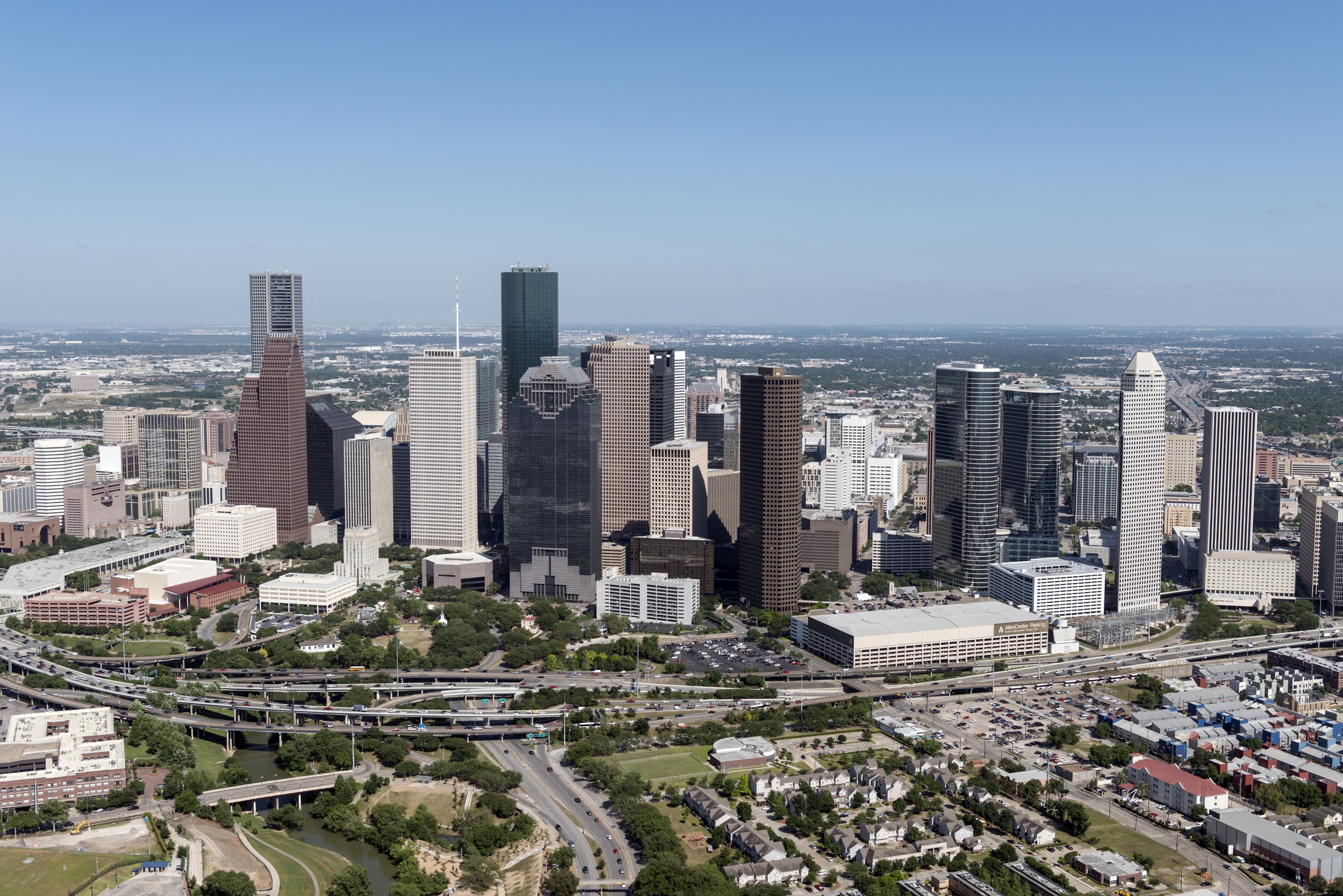
Photo: Carol M. Highsmith / Library of Congress. No known restrictions on publication. Resized.
Houston is not a single photography assignment. A convention presentation, a demonstration, a private hospitality gathering, and a public performance can all require cameras without granting the same access or producing the same final record. I would ask what the client actually controls before promising what the photographer can do.
That question shapes the plan more usefully than a long list of Houston industries or event names. The client needs photographs for a purpose. The photographer needs a commission with locations, permissions, priorities, and a person who can make decisions. Those details let both sides compare the same work.
The examples below use current operator and organizer information as planning context. They are hypothetical, not advertised jobs or accounts of my personal shoots. This guide is not a ranked roster of individual photographers. I would choose through relevant complete evidence and a proposal responsive to the event being commissioned.
The first distinction: an event commission is not unrestricted access
An organization may hire a photographer for its own gathering inside a larger program. That does not necessarily authorize performance, competition, backstage, or field coverage. Separate the client's activity from the wider event before discussing positions or image uses.
Ask who issues the crew's credentials, which locations are covered, and what content may appear. An invitation can establish attendance without defining a working position. A venue page can establish a room or facility without granting a photographer entry to every part of it.
I would put that distinction in the brief. It helps prevent a well-intended application from promising images the commissioning organization cannot authorize. It also makes a photographer's questions easier to understand: verifying a boundary is preparation, not a lack of enthusiasm.
George R. Brown: define the conference story within the campus
The George R. Brown Convention Center's official About page identifies exhibit halls, configurable meeting rooms, a Grand Ballroom with pre-function space, and Avenida Plaza as an outdoor event and leisure area. Those are different kinds of locations, not interchangeable backgrounds for a single undefined photography request.
For a hypothetical association conference, I would ask which booked spaces contain the required activity. The organizer should provide the actual diagram and current program. A building-wide description does not tell the photographer where the stage faces or which meeting rooms operate at the same time.
Start with what the final record should explain. A program recap might need the presentation, audience response, and discussion afterward. A partner report might need specific interaction around exhibits. A leadership team might need a formal group. Reconcile those purposes before they become competing instructions.
Presentation continuity is a choice
If the main presentation needs an uninterrupted record, mark it as such. Do not send the same photographer away for an optional group while expecting complete stage coverage. If both tasks matter simultaneously, discuss a priority or another photographer before booking.
Review an authorized presentation sequence rather than only a dramatic stage image. Can you follow the speaker changes and important exchanges? Are ordinary moments still usable? A strong single photograph demonstrates selected skill without proving the entire program was covered consistently.
Ask about movement, positions, and lighting with the actual production contact. A public description of a ballroom does not authorize changes to its systems or equipment in an aisle. The photographer should propose an approach and confirm it against the event's arrangement.
Exhibits need activity, identity, and time
If the client needs selected exhibitors represented, provide current locations and a contact who can identify the people. A list of organizations is not a map, and a logo does not identify the representative the client wants photographed.
Describe whether the result should show a display before opening or people using it later. Those are different images and can require different opportunities. A wide overview may establish scale while failing to explain the demonstration that matters.
For a scheduled demonstration, identify the essential action and when it happens. If it overlaps the keynote, the plan needs a decision. A photographer cannot solve complete simultaneous commitments simply by moving quickly between rooms.
Avenida Plaza is a facility fact, not an automatic portrait location
The operator describes Avenida Plaza as an outdoor event and leisure space. If a client wants a required photograph there, confirm the actual booked area, permission, timing, and an alternative. Its appearance in a public description does not establish a crew's unrestricted use.
If the essential result is a leadership group, preserve that purpose when the preferred setting is unavailable. The people together may matter more than the specific background. Agreeing on that hierarchy early makes adaptation easier.
For current arrival and working routes, use the organizer's confirmed instructions. This guide does not treat a historic construction description or campus overview as live access information. A change affecting the crew should be checked directly instead of filled from an older event plan.
NRG Park: separate the buildings and the commissioned activity
The Houston Livestock Show and Rodeo's official NRG Park page distinguishes NRG Arena, NRG Center, NRG Stadium, and other campus elements. It describes different show functions across the buildings. That information helps demonstrate why NRG Park alone is not a complete photography location.
The same page describes a rotating concert stage in the rodeo presentation context. This is not a promise of a particular camera angle or permission for an outside photographer to document a concert. The client's commission and the program's credential rules remain separate questions.
For a hypothetical company hospitality gathering connected to a larger public program, I would first identify the actual room or gathering area. Ask what the company wants: guest interaction, introductions, a host group, or a private recap. Do not extend that scope silently to the public performance or competition.
A client can commission its guests without controlling the whole program
Ask which people the company may invite and which images it intends to use. If a guest requests photographs elsewhere, the crew still needs to follow the authorized access and commission. A friendly invitation from one participant may not grant rights controlled by another organization.
Provide a contact who recognizes essential guests. A photographer cannot infer business relationships from seating or badges. Introductions help make the hospitality record specific without turning every moment into a formal photograph.
If a required guest is absent, agree who decides the next step. The crew should not spend the entire program searching while the organizer assumes the photograph is already complete. An honest status is more useful than a generic substitute that does not fulfill the relationship request.
Competition and performance need a separate permission check
A company gathering near a public event does not automatically include access to competitors, performers, backstage, or restricted positions. Name any desired extension in the inquiry and establish whether the relevant organization can authorize it.
Do not promise it first and try to obtain permission after booking. The photographer should explain the dependency and keep the confirmed private gathering distinct from an unconfirmed additional assignment. That makes the proposal easier to compare and avoids a misleading expectation.
Portfolio review should follow the same distinction. A photographer's excellent hospitality work may be appropriate for the company event without proving credentialed competition or concert coverage. Ask for evidence matching the task, not a broad reputation attached to the campus name.
A current name check: Daikin Park
The Astros' official naming announcement identifies the change from Minute Maid Park to Daikin Park effective January 1, 2025. A new Houston guide should use the current name rather than carry an outdated reference forward. A familiar older name may help identify history without being the right current destination label.
That correction does not establish that any particular private event is available or that a photographer may access the field or team areas. If a client commissions work there, obtain the actual program, booked space, and working instructions. The name check and access check answer different questions.
I would apply the same care to every supplied address and venue reference. If the inquiry is ambiguous, resolve the property before giving arrival instructions or stating availability. A photographer should not have to discover a destination mismatch while already traveling to the event.
The second distinction: portraits are a production, not an incidental favor
A Houston conference or hospitality brief may add staff portraits. Ask what result the client needs and when participants are available. A casual image for an internal recap is different from a consistent series intended to match existing profiles.
Provide an authorized visual reference early if consistency is required. Ask the photographer to explain the setup and space needed. A backdrop, light, and waiting line occupy a working area; a room's public size does not prove that the proposed station fits the installed event layout.
Assign someone who gathers participants and verifies names. A photographer can direct the subject without knowing every person in the organization. Searching for unfamiliar participants can otherwise consume the time intended for making photographs.
Protect both the portraits and the event record
Put the portrait schedule beside the main program. If both need simultaneous complete coverage, discuss another person or a different sequence. Do not assume a fixed setup and unrestricted roaming can happen continuously through one photographer.
If a subject arrives late, name who may change priorities. The crew should not have to choose between a waiting executive and the next essential presentation without authority. A clear route lets the organizer make the tradeoff while there is still time.
Explain formal group requests separately. One team picture and a long series of departments create different work. Each additional combination may be brief, but collectively they can alter the service and the amount of observational coverage available.
The third distinction: relevant work is not always exact venue history
A photographer new to a particular room can prepare well with current plans and organizer instructions. A familiar photographer can still carry a stale assumption. I would review comparable program demands and the proposed preparation rather than treat earlier access as a credential that never changes.
Look at a complete authorized gallery. Does it explain the occasion? Are essential people present? Can you follow the ordinary parts of the program, not only the dramatic opening? A larger image count alone does not establish a more useful record.
Ask what the applicant personally did. An additional photographer might have covered guest interaction while someone else managed stage continuity and delivery. That is valid experience when attributed accurately, not evidence of responsibility for every part of the project.
Confirm who will attend
If the proposed crew differs from the portfolio's main author, review relevant work and the responsibility split. A client should know whose evidence supports the offer. Team descriptions should make accountability clearer rather than hide who performs the assignment.
References can test communication. Ask about a delayed program, absent guest, or added group and how the photographer explained the effect. You need observable behavior, not another client's private participant details or confidential materials.
If a full gallery cannot be shared, ask for an authorized alternative. A new inquiry does not create permission to expose someone else's private event. Respect for that restriction is relevant evidence for the next client's own trust.
Build an agreement people can follow
Compare spaces, coverage, staffing, portraits, selection, editing, delivery, and uses. Similar proposal language can conceal different services. A hospitality recap is not the same commission as complete conference coverage plus a portrait series.
Ask candidates to name assumptions and exclusions. If the result depends on a credential, room, subject availability, or gathering contact, make that condition visible. The organizer can settle it before accepting the proposal instead of discover it when guests arrive.
Name one person authorized to approve changes. A guest, speaker, exhibitor, or another department may request something reasonable without authority to redirect the commissioned photographer. The crew should explain what would be displaced and ask through the agreed contact.
Current requirements need current instructions
If insurance or credentials are required, obtain the actual specifications and confirm that the proposed crew meets them. A portfolio or marketplace profile does not prove compliance. One property's rules are not a universal Houston venue policy.
Get the reporting point, equipment route, and permitted positions through the organizer. An attendee invitation or public address does not necessarily supply working access. Do not invent a convenient entrance or assume a previous event's instructions remain valid.
A second property or added function needs its own scope and location note. Use actual addresses and the full program when judging feasibility. This guide does not fill travel or transfer times from a general impression of the city.
Photographers: make the application solve the real inquiry
For GRB, address the relationship among presentations, exhibits, and any portraits. For an NRG Park hospitality inquiry, distinguish the private commission from the wider program. Those responses show preparation more clearly than a generic promise to photograph every kind of Houston event.
ProShoot's published client process describes posting jobs, reviewing bids and portfolios, and choosing a photographer. Its photographer process includes applying and presenting work. Use that exchange to show relevant evidence and make the actual scope clear. A listing does not establish venue access or local shooting history.
State availability after checking setup, the full coverage window, and additional functions. If a permission remains unresolved, identify the dependency. A realistic preparation plan is better than an unconditional promise built on someone else's unconfirmed decision.
This guide does not infer jobs from energy, medical, aerospace, company names, demographics, or seasonal demand. An opportunity needs a current commissioning contact and scope. Accurate applications do not need unsupported market claims to be specific.
Close the assignment with usable files and clear status
Agree on how the client will find the work. Presentation sequences, exhibits, hospitality groups, and portraits may be easier to navigate separately. The recipient should not have to reconstruct the event from an unexplained collection of repeated frames.
If captions or identities are included, designate a factual source and reviewer. Do not guess roles, titles, or outcomes. Agree on delivery and any earlier selection separately, including the effect of editing during the program.
Clarify intended uses, approval routes, and the photographer's promotional use. Private delivery does not automatically approve a public portfolio. Use actual file-access and storage terms, identify images awaiting review, and explain material gaps caused by program changes or absent people.
Before closing, reconcile the set with agreed essentials and authorized changes. The client should not have to audit every image to discover an unresolved issue. A clean account reflects the event that happened and the decisions made during it.
Choose a photographer for the actual Houston commission
Houston's examples demonstrate distinct tasks, not one unlimited service. Convention continuity, private hospitality, portraits, and public-program permissions need different answers. I would choose the photographer whose relevant complete work and questions make those distinctions visible.
Whether hiring through ProShoot or applying there, begin with the people, program, and image users. A plan grounded in that specific commission is more useful than a promise to capture everything in the city.
Sources checked November 6, 2026
- https://www.grbhouston.com/about-us/
- https://www.rodeohouston.com/about-us/nrg-park/
- https://www.mlb.com/press-release/release-astros-announce-ballpark-naming-rights-partnership-with-daikin-comfort-technologies
- https://proshoot.io/how-it-works/
Ready to hire a professional photographer?
Post your job free and get bids from photographers near you.
Post a Job Free →