Top Event Photographers in Hawaii
Hire an event photographer in Hawaii with a clear brief, relevant portfolios, and a coverage plan. Guidance for clients and photographers seeking local assignments.
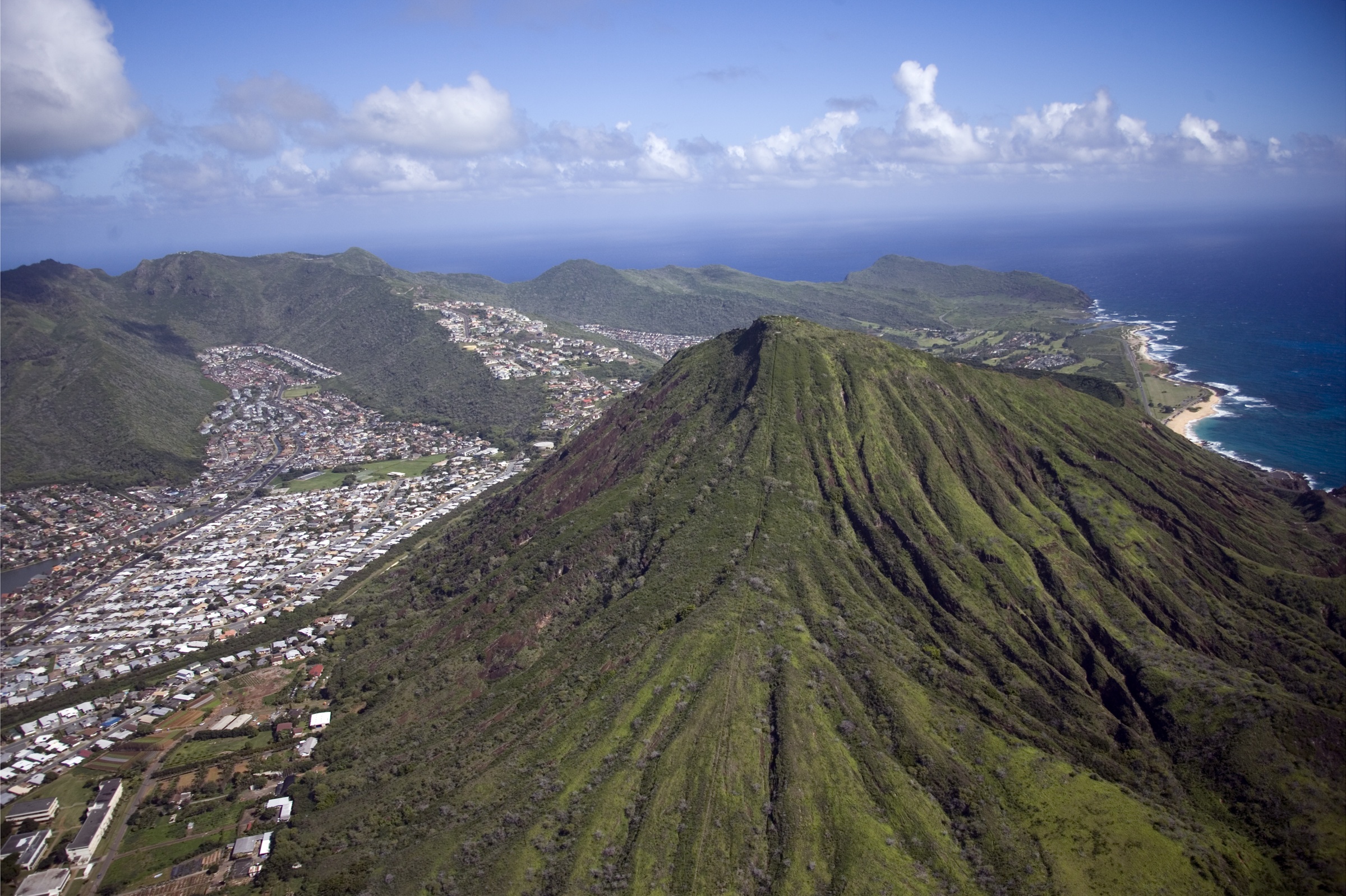
Photo: Carol M. Highsmith / Library of Congress, Prints and Photographs Division, LC-DIG-highsm-04047, December 10, 2005. Public domain. Resized; no crop.
When I read a Hawaii event photography brief, I want the island, venue, and purpose before the adjectives. A presentation in a convention building under renovation and a performance at a cultural venue are different jobs. The photographer's plan should show that difference.
For this guide, I checked the published renovation information for the Hawaii Convention Center and the Maui Arts and Cultural Center's venue descriptions. Those sources support the practical examples below. They do not establish who is hiring, which photographers are available, or permission to work at a particular event.
Clients can use these examples to make a brief more specific. Photographers can use them to decide what work to show and which questions to ask. I would rather see an honest proposal for a defined program than a promise to cover every kind of event throughout the state.
Hawaii: check the convention center's renovation status before planning
Honolulu's convention center is on a modified schedule
The Hawaii Tourism Authority's official repair-project page says the Hawaii Convention Center is operating on a modified schedule during 2026 and 2027. Its published program identifies construction phases and a January 2028 reopening target. The convention center's own renovation update likewise describes partial operation rather than normal full availability.
A new photography brief should not assume every room is available. The authority identifies ground-floor exhibit halls and some third-floor meeting rooms as available, while fourth-floor ballrooms, the rooftop garden, and other third-floor rooms are unavailable during the work. Confirm the actual booked spaces and current event instructions with the organizer.
I would make that check before comparing coverage plans. A remembered venue layout or an old event gallery cannot establish the operating conditions for a new program. A public project target is also not a guarantee of a future event's booking or access.
Construction changes the arrival conversation
The official renovation information says the parking garage is closed during the work and that construction continues during events. That makes current arrival and access instructions important. Ask the organizer for the vendor entrance, equipment route, arrival window, and a contact for changes.
Do not turn a general construction schedule into a personal access instruction. The photographer needs details confirmed for the actual event. If the client changes rooms or shifts a program segment, explain how the updated plan will reach the crew.
I would identify the required moments and image uses before promising coverage across several spaces. If activities overlap or access changes, discuss priorities or staffing. The useful proposal is based on the current approved program rather than the assumption that the facility is operating as it did before renovation.
Maui Arts and Cultural Center has distinct venue types
The Maui Arts and Cultural Center's official rentals page identifies Castle Theater, McCoy Studio Theater, Alexander and Baldwin Amphitheater, Yokouchi Pavilion and Courtyard, gallery space, a community events lawn, and meeting rooms. A brief should name the actual venue instead of treating the campus as one setting.
For a stage program, ask about approved positions, movement, lighting restrictions, and image-release rules. For a reception, identify important guests and interactions. A photographer may cover both, but needs the program sequence and priorities to explain an appropriate approach.
The venue page includes a notice limiting third-party or commercial use of images from its events. Do not assume a commissioned use is permitted merely because photography occurs on campus. Have the organizer confirm the applicable rights and permissions for this assignment before promising publication.
Outdoor space still needs a confirmed plan
The Maui operator describes outdoor performance and gathering spaces. Their appearance on a public rentals page does not mean they are included in every booking. Confirm the actual area and image goal before promising a group photograph or a particular setting.
If an outdoor segment changes, identify who decides and where required groups move. Review complete comparable galleries for how the photographer handles transitions and changing light, rather than use a scenic image as evidence of the full assignment.
A facility page does not establish an open job or permission at another island or property. Give each location its own address, arrival window, contact, and priorities. I would compare relevant work and a confirmed scope over a statewide promise of constant events.
Two Hawaii briefs I would not combine into one proposal
Imagine a company holding a presentation in one of the available Honolulu meeting rooms, followed by a reception in another location. Now imagine a nonprofit commissioning photographs of a stage program at the Maui Arts and Cultural Center. Both clients might search for an event photographer in Hawaii. Their working briefs should look quite different.
For the company, I would ask which slides can appear in released photographs, who needs to be recognized, and whether the reception is part of the commissioned story. For the nonprofit, I would begin with performance permissions, camera positions, rehearsal opportunities, and the difference between documenting the program and photographing guests. Neither assignment is solved by a portfolio full of attractive island scenery.
That is how I would read a proposal too. Does it respond to the actual program? Does it notice the renovation or the venue's image-use notice? Does it separate what the photographer controls from what the organizer must arrange? A short, specific explanation tells me more than a paragraph promising coverage of every kind of event across every island.
For a Honolulu presentation, start with the decision-maker
I would want one person who can settle changes to the photography scope. During a presentation, the photographer cannot keep asking several departments whether a particular image is important. Marketing may want a room view, the speaker team may want tight stage photographs, and a sponsor may want its display recorded. Those requests need an order before the room fills.
Give that decision-maker a simple marked schedule. Beside each segment, write the photograph needed and who will use it. A speaker introduction might support an internal recap. A product demonstration might need approval before publication. A reception group might be intended for a partner report. The schedule becomes a useful work document when it explains the reason behind the request.
I would also have that person confirm the currently available room and arrival route. At a venue working around construction, a familiar old instruction can be more misleading than no instruction because everyone assumes it has already been checked. Label a reused document clearly and replace the sections that no longer apply.
How I would evaluate a gallery for these assignments
I would begin at the beginning of a delivered event, not with the photographer's favorite image. Can I understand what happened? Do I see the people the client needed, transitions between activities, and useful context? Or do I see repeated versions of one attractive stage angle while the rest of the program disappears?
For the Honolulu company example, I would look for faces that remain clear against bright screens and windows. I would look at audience photographs for expressions that feel attentive rather than awkward. For a reception, I would check whether groups look comfortable and whether the photographer can show conversation without making every guest stare at the camera.
For the Maui stage example, I would want a coherent sequence from a comparable authorized performance assignment. That does not mean the photographer must have worked in the same theater. It means their examples should address the actual problem: timing expressions, holding detail under stage light, and making photographs without disrupting the program.
Ask who made the gallery. If the person proposing was an additional photographer, that can be valuable experience, but it is different from directing the entire assignment. I would rather hear a precise description of a supporting role than a vague claim to have covered an event when the person responsible for the main program was someone else.
Read references for the change, not the compliment
Instead of asking whether a photographer was wonderful, ask how they handled one change. Did a speaker arrive late? Did a room move? Did a requested image turn out to need permission? The reference does not need to reveal confidential details to explain whether communication was calm and useful.
For a Hawaii brief with venue changes or restricted image uses, that behavior matters. A photographer who alerts the client before a problem becomes a missed moment gives the organizer choices. Someone who quietly assumes an answer can leave the client discovering the gap after everyone has gone home.
A coverage map for the construction-period convention assignment
I would divide the proposed gallery into three groups: the program, the people, and the setting. Then I would ask the client to choose the indispensable images in each. This is an example planning method, not a claim that every Honolulu event needs the same photographs.
The program group might contain a speaker, a demonstration, and an audience response. The people group might contain leadership, a sponsor representative, and a planned team photograph. The setting group might contain an approved event sign and a room view. If the client cannot explain why an image is needed, it can usually move below the photographs that have a clear use.
Next, put those requests on the real schedule. A team photograph cannot depend on finding everyone after they have left for another function. A room view may need to happen before guests block the intended position. A sponsor representative may only be present for part of the reception. These are questions for the organizer, not details the photographer should be expected to discover by luck.
The construction-period venue information adds another check: is the intended space actually part of this booking? Do not write a rooftop portrait into the brief because it appeared in an older event gallery. Confirm the assigned location and choose a suitable alternative while there is still time to change the plan.
What I would put in the crew's arrival note
I would keep the arrival note separate from the guest invitation. It should tell the photographer where to report, which contact is expecting them, how to bring the agreed equipment, and what to do if the planned entrance changes. If parking or unloading is unresolved, leave it marked as unresolved rather than fill the gap with an old assumption.
For this convention-center example, the public renovation notice already makes ordinary parking assumptions unsafe. The organizer needs a current arrangement. I would not tell a crew to improvise around construction or use a service route simply because it appears physically convenient.
If the venue asks for insurance documentation, obtain its actual instructions and send them to the photographer before confirming that requirement is met. Do not substitute a claim that every professional has the right coverage. The relevant question is whether the proposed crew can satisfy this event's documented request.
A different checklist for the Maui performance brief
Before choosing equipment or promising an image count, I would settle what the client is allowed to commission and publish. The MACC's public notice is a reason to ask the organizer about third-party and commercial use. It is not something I would interpret away because the images are attractive or the client plans to pay for them.
Write down the approved uses in plain language. Is the nonprofit producing an internal record, an event recap on its own site, material for a partner, or promotional advertising? Those are different requests. The photographer should receive the actual agreed permissions and any limits that affect selection or distribution.
Then discuss the stage program itself. Which moments are essential, where may the photographer stand, and when may they move? If there is a rehearsal or sound check available to the commissioned crew, ask whether it can help prepare the coverage. Do not assume one exists or that attendance is permitted.
Guest photographs need their own window. A photographer concentrating on a performance cannot simultaneously make a complete reception story outside the room. If both are required, put them into separate periods or discuss another person. A staffing decision is easier to make before the program than after the client notices missing groups.
The outdoor decision should have a named owner
For a planned courtyard or lawn segment, I would ask the organizer who can move it and where the replacement takes place. The photographer needs that decision promptly because the change can affect backgrounds, light, and which guests are present.
I would avoid an agreement that promises a particular outdoor photograph regardless of access or conditions. Agree on the purpose instead: a group image that identifies the team, or a setting image that helps explain the event. That gives the photographer room to produce something useful when a specific position cannot be used.
Photographers: turn these differences into a better application
If I were responding to the Honolulu company brief, my proposal would mention the current room confirmation and ask about unreleased screen content. I would link to work showing presentations and receptions, explain which portions I could cover, and identify any overlap that needs a client decision. I would not open with an unrelated beach portrait simply because the inquiry says Hawaii.
For the Maui performance brief, I would lead with relevant stage work and the role I actually held. I would ask who is confirming image uses and venue positions. If my portfolio cannot be shown publicly, I would use examples I am permitted to share rather than expose another client's private program to win the job.
ProShoot's published process allows clients to post assignments and compare bids and portfolios; its photographer process includes applying and presenting work. I would use that opportunity to explain a particular plan. A profile is not evidence of venue permission, an available travel arrangement, or the right to publish every frame.
Keep availability precise. If the brief requires work on another island or an additional property, confirm the actual location and schedule before promising it. The word Hawaii does not make those arrangements interchangeable. State what remains conditional so the client can compare proposals on the same basis.
Agree on the selection process before the event
For the company example, I might suggest separating release-approved communications images from material awaiting review. For the performance example, the agreed venue and client permissions should determine what can be distributed. These are proposed organizational approaches, not a promise about a platform's delivery system.
Ask who checks names and captions if they are part of the assignment. A photographer can make a clear image without knowing the correct title of every person. The commissioning team should identify the source for those details rather than leave guesses in a public file name or caption.
Set the actual delivery date in the agreement. If the client needs an earlier selection, specify its contents, review route, and the working conditions needed to produce it. Do not let an informal request for a few pictures become an undefined obligation to edit throughout a live program while also photographing it.
I would finish the agreement by naming exclusions and the person who approves additions. A newly added reception, a different island, or broader advertising use may change the assignment. Clear boundaries are not unfriendly. They protect the organizer from assuming something was included and the photographer from discovering a different job after accepting it.
The useful shortlist is built around this program
This is not a ranked directory of named Hawaii photographers. Without reviewing available people against the actual brief, I cannot responsibly call one person the right choice. I would shortlist relevant complete work, ask the assignment-specific questions above, and choose the proposal that makes the plan understandable.
For a renovation-period Honolulu convention assignment, current room and arrival confirmation belong near the top of that decision. For the Maui performance assignment, positions and image-use permission deserve the same attention as the portfolio. Different programs should produce different hiring conversations.
That is the voice I want in an event photography proposal: someone who has read the brief, understands what the pictures need to do, and is willing to say what still needs an answer. Start with that conversation, whether you are posting the job on ProShoot or applying to photograph it. Good preparation gives both sides fewer surprises when the event begins.
Sources checked November 6, 2026
- https://hta.hawaii.gov/what-we-do/hawai%ca%bbi-convention-center-repair-upgrade-projects/
- https://blog.hawaiiconvention.com/monthly-updates/renovation-updates-parking-information/
- https://mauiarts.org/theaters
- https://proshoot.io/how-it-works/
Ready to hire a professional photographer?
Post your job free and get bids from photographers near you.
Post a Job Free →