Top Event Photographers in Georgia
Hiring guidance and photography job advice for Georgia clients and photographers.
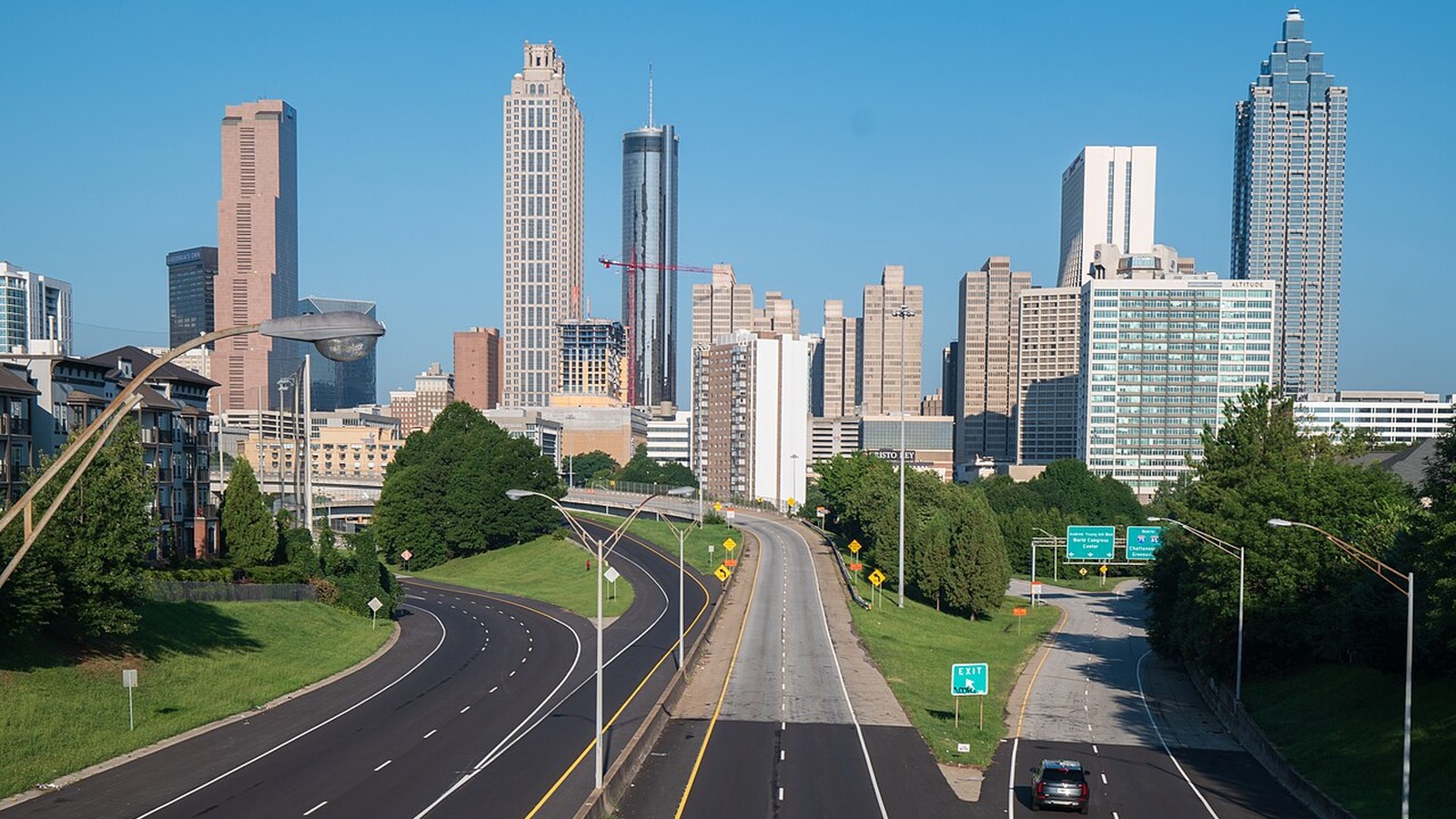
Photo: Marc Merlin / Wikimedia Commons. CC BY-SA 4.0. Cropped and resized.

My starting point is the photographer's notebook
A good event brief should tell a photographer what to watch for, not attempt to predict every photograph. That is the distinction I would use when hiring an event photographer in Georgia. Give somebody useful priorities and a workable assignment. Then judge whether their portfolio and proposal show they can deliver it.
For photographers looking for event jobs, this is a better approach than announcing that you cover every kind of event everywhere in Georgia. Show what you can do. Read the client's program. Ask the question that reveals you understand the work.
I have organized this guide as a set of notes I would want before accepting or commissioning an assignment. The Atlanta, Savannah, Augusta and other Georgia situations below are hypothetical examples. They do not describe events I claim to have photographed. They are meant to help a client and photographer find the practical decisions hiding behind an event title.
Note one: Atlanta is a location, not a scope
A lead that says "Atlanta corporate event" leaves most of the assignment unknown. Is it a meeting in one room? A convention with several tracks? A reception followed by portraits? Ask for the address, program and intended use of the photographs before deciding the job sounds straightforward.
For a hypothetical conference at the Georgia World Congress Center, I would want this event's floor plan and credentials. The venue's official site is useful for facility information. The organizer must explain where the photographer is assigned, what they can access and who can answer a problem at check-in.
I would mark the fixed moments first: a keynote, an award, a demonstration that happens once. Then I would add the flexible work, such as room photographs or a planned portrait. That lets the organizer see where the proposed coverage has room to adapt and where it does not.
If two fixed moments happen at the same time in different rooms, bring it up before hiring. The client can change a priority, alter the schedule or consider a team. Do not assume that a photographer's willingness to work hard makes simultaneous coverage possible.
For photographers, a reply that identifies this conflict is useful evidence of judgment. It tells the client you read the program. Pair that reply with a relevant conference gallery, and explain which part of the earlier assignment was yours if it involved a larger team.
Note two: sponsor photographs need a reason
An event organizer may ask for sponsor coverage without specifying what that means. I would ask whether the sponsor needs a record of its display, evidence of attendee interaction, a portrait of its representatives or a small selection for an internal report. Each suggests different photographs.
Imagine an Atlanta business conference with a product demonstration area. A picture of the display before opening may establish what was built. A picture of someone using the product may show participation. A conversation between staff and a visitor may explain the activity. The organizer should say which of those serves the purpose.
The photographer also needs to know what may be shown. If prototypes, screens or documents are sensitive, define the boundary with the authorized event contact. A space being open to the camera does not mean every detail is intended for public distribution.
I would avoid an instruction like "make the sponsor look busy." It can encourage a result that misrepresents the event. Ask for honest photographs of the activity that actually happens. If an arranged portrait is useful, call it a portrait rather than presenting it as a candid scene.
For a photographer seeking this kind of Georgia work, show examples of meaningful interactions and context. A row of logos is not necessarily a story about a sponsor. Help the client understand the difference through the portfolio, while keeping the final choice tied to their actual communication needs.
Note three: Savannah requires an address and an indoor option
For a hypothetical Savannah gathering, the client might imagine outdoor portraits and an evening reception. I would separate those activities immediately. They use different light, may have different access and may depend on different people being available.
Ask where the outdoor photographs are proposed and who controls that space. Check current permission requirements with the relevant organizer or operator. An appealing location photograph does not establish permission to bring a group, equipment or additional lighting there for this assignment.
The indoor alternative needs to be a real place. Ask what room is available, when it can be used and whether it has enough space for the intended group. "We will go inside" is not a photography plan if nobody knows which room or whether another activity occupies it.
Check the forecast and venue instructions near the date. Do not use a general description of Georgia weather as a substitute for current conditions. The organizer should identify who decides when to change the plan and how the photographer will hear about that decision.
For photographers, describe what changes if the location changes. A courtyard portrait and a small meeting-room portrait may call for different framing or lighting. Explain that in plain words without promising identical results under every condition. The client needs an honest plan more than an assurance that the environment never matters.
Note four: an Augusta recognition dinner needs a pause
Imagine an organization holding a recognition dinner in Augusta. The client wants photographs of each recipient with the presenter. That sounds simple until the presenter hands over the award, turns away and begins the next introduction before the photographer has a clean view.
Build the photograph into the program. Agree on where people stand, who holds the award and when they pause. Ask a stage coordinator to manage the sequence. The photographer should not need to call instructions across the room while the audience waits.
Give the photographer the approved recipient list and a way to verify names. If captions are part of delivery, assign somebody to check names and titles. Do not rely on the photographer hearing an introduction accurately over room noise or matching faces from memory afterward.
The dinner may need other coverage too: arrival, room context, conversations and groups. Rank those needs against the awards sequence. If a sponsor portrait is requested during an essential stage moment, the photographer needs a clear priority or an additional plan, not competing instructions from different people.
Clients should look at a comparable awards gallery, including the less dramatic moments. Photographers should be willing to explain their access and lighting on that earlier job. A relevant sequence tells the buyer more than a page of unrelated formal portraits.
Note five: Athens workshop photographs should explain something
For a hypothetical private workshop in Athens, I would ask what participants are meant to learn or make. The answer gives the photographer a way to recognize useful activity. Otherwise the gallery may contain plenty of people looking at a presenter without showing what the workshop was about.
Ask which parts of the activity can be photographed and whether any participant restrictions apply. If the demonstration involves confidential material, identify what must stay outside the frame. Give the crew a contact who can answer a question rather than expecting the photographer to interpret unclear boundaries alone.
If there are several workstations, determine whether each needs a complete sequence or whether the client needs a representative story. The difference affects coverage time and possibly staffing. It should not be discovered when the client asks why one station appears less often than another.
The organizer can help by telling the photographer when meaningful steps will occur. That does not mean staging a false process. It means knowing when the demonstration moves from explanation to participation, or when a finished result will be available to photograph.
For photographers, a workshop portfolio should connect details to people and context. A close-up of hands may be attractive, but the client also needs to understand who is doing the activity and why. Show a sequence that makes sense to somebody who was not in the room.
Note six: Columbus or Macon should not receive an Atlanta assumption
When a job is in Columbus, Macon or another Georgia location, the proposal should say so plainly. A statewide search result is not evidence that the photographer has included the travel or can make the requested arrival time. Confirm the base location and the actual plan.
Ask what needs to happen before coverage begins. There may be a portrait setup, an equipment check or empty-room photographs. If the client expects those, include them in the schedule. A photographer arriving at the public opening cannot also have finished pre-opening work unless it was arranged.
For a new venue, I would ask for room information and current access instructions. A photographer can prepare competently without claiming to have worked there before. Honest preparation might include reviewing a floor plan, speaking with the event contact and checking whether a walkthrough is possible.
If travel or accommodation is part of the proposed agreement, identify who arranges it and how changes are handled. Those details affect an actual commitment. Do not leave them hidden under a phrase such as "Georgia coverage" that means something different to each party.
For photographers applying across the state, a practical service-area statement is useful. Explain where you are based and ask for the information needed to assess farther assignments. That is more credible than attaching every Georgia city name to a portfolio without describing what serving those places entails.
Note seven: the portrait request changes the day
An event client may add employee portraits because everybody will be in one place. I understand the appeal, but a consistent portrait session needs its own organization. Ask how many people, what appearance is required and where the setup can remain without disrupting the event.
If the portraits must match existing company photographs, ask for the actual reference and discuss what can be reproduced in the available space. A different room or background may create limits. The photographer should explain those limits before participants expect a matching result.
Name a staff coordinator to manage the queue and verify names if required. The photographer can direct each portrait, but should not have to search for the next employee across several rooms. Decide how missed appointments are handled so the session does not quietly take over the rest of the coverage.
Ask what files each person receives and whether selection or retouching is included. Separate those deliverables from the general event gallery. A buyer should know whether they are commissioning one finished portrait per person, several options or another agreed output.
Photographers can support the proposal with a consistent set of portraits rather than a single standout image. The client needs evidence that the proposed method works across people. Show the repeatability and explain the organizer's role in making the session run properly.
Note eight: the gallery test starts halfway through
When choosing an event photographer in Georgia, I would request a comparable delivered gallery that can be shared appropriately. Scroll past the first few photographs. The middle of the gallery is where you see how the person handles ordinary coverage, not only their favorite moment.
Look for variety that serves a purpose. Is the room understandable? Are expressions readable? Do speakers, participants and relevant details appear in a coherent edit? A gallery does not need every possible angle. It needs enough useful photographs to support the agreed story.
Ask about differences between the earlier assignment and yours. A photographer allowed to add lighting may face different conditions at an event where it is prohibited. A one-room program does not demonstrate coverage of several simultaneous sessions. Let the person explain the actual circumstances before drawing conclusions.
Do not pressure anyone to share confidential client work. Ask for another example or a permitted reference if the first gallery is not available. Respect for a prior agreement is compatible with helping you evaluate the photographer. The goal is relevant evidence, not unrestricted access to their entire archive.
For photographers, choose the example deliberately. Tell the buyer why it is relevant and what it does not show. That saves the client time and avoids implying that every image in a portfolio proves every service you offer.
Note nine: write down what arrives after the event
A proposal needs a delivery plan as well as a coverage plan. I would want the agreed outputs, file format, delivery method, recipient and deadlines stated clearly. If an early selection is part of the assignment, distinguish it from the full delivery.
The client should describe intended uses and any other recipients. A sponsor, venue or partner may need access, but that should be discussed rather than assumed. For significant rights or contract questions, get qualified advice suited to the jurisdiction and circumstances.
Decide who checks captions and supplies names. The photographer should not invent missing information. If the client requests files organized by session or participant, explain the structure in advance so the handoff can be prepared accordingly.
Make changes explicit. An organizer who requests additional coverage, a different recipient or a new use should understand whether that alters the agreement. Name the person authorized to approve changes and keep the revised scope visible to the people doing the work.
At delivery, consolidate feedback. An incorrect name, an omitted agreed item and a new editing preference are different issues. State each precisely and refer to the scope. That gives both sides a way to complete the assignment without an open-ended argument over what somebody might have meant.
Note ten: the first reply should earn the next conversation
For photographers looking for event photography jobs in Georgia, a relevant response is more useful than a long introduction. Address the place and date, link to suitable work and identify the missing decision that affects your proposal. Read the client's request closely enough to avoid answering a different job.
If the event has several locations, ask about movement. If it has portraits, ask about the queue and desired output. If the client needs a press selection, discuss how that fits into the coverage and delivery plan. These questions demonstrate understanding without unsupported claims about how quickly everyone else works.
Use ProShoot's current how-it-works page to check its process. This guide does not guarantee account features, photographer availability or a particular result from a posting. An introduction still needs to become a clear agreement between the actual client and photographer.
For clients, send the same brief to the candidates you compare. Read their assumptions and exclusions. A proposed team covering simultaneous rooms and one photographer following a single program are different plans. Understanding the difference is part of choosing, not a technical detail to leave until later.
Close the notebook with a current version
Before the assignment, keep one final brief with the program, addresses, priorities, access instructions and responsible contact. Mark material updates so the photographer can see what changed. A new room buried in an old message chain is easy to miss.
The purpose of preparation is to give the photographer room to work. Set the priorities, settle the boundaries and then let them observe what happens. A useful Georgia event gallery comes from an assignment both parties understood, not from a slogan about capturing everything.
That is what I would hire for. And if I were presenting my own work for the job, that is what I would try to make visible: the photographs, the method and a straight answer about what the assignment requires.
One last check: ask who will receive the final link if the original organizer is unavailable. A named alternate can keep a finished delivery from sitting unnoticed while the communications team waits for photographs it does not know have arrived.
Sources checked November 6, 2026
Ready to hire a professional photographer?
Post your job free and get bids from photographers near you.
Post a Job Free →