Top Event Photographers in Florida
Hiring guidance and photography job advice for Florida clients and photographers.
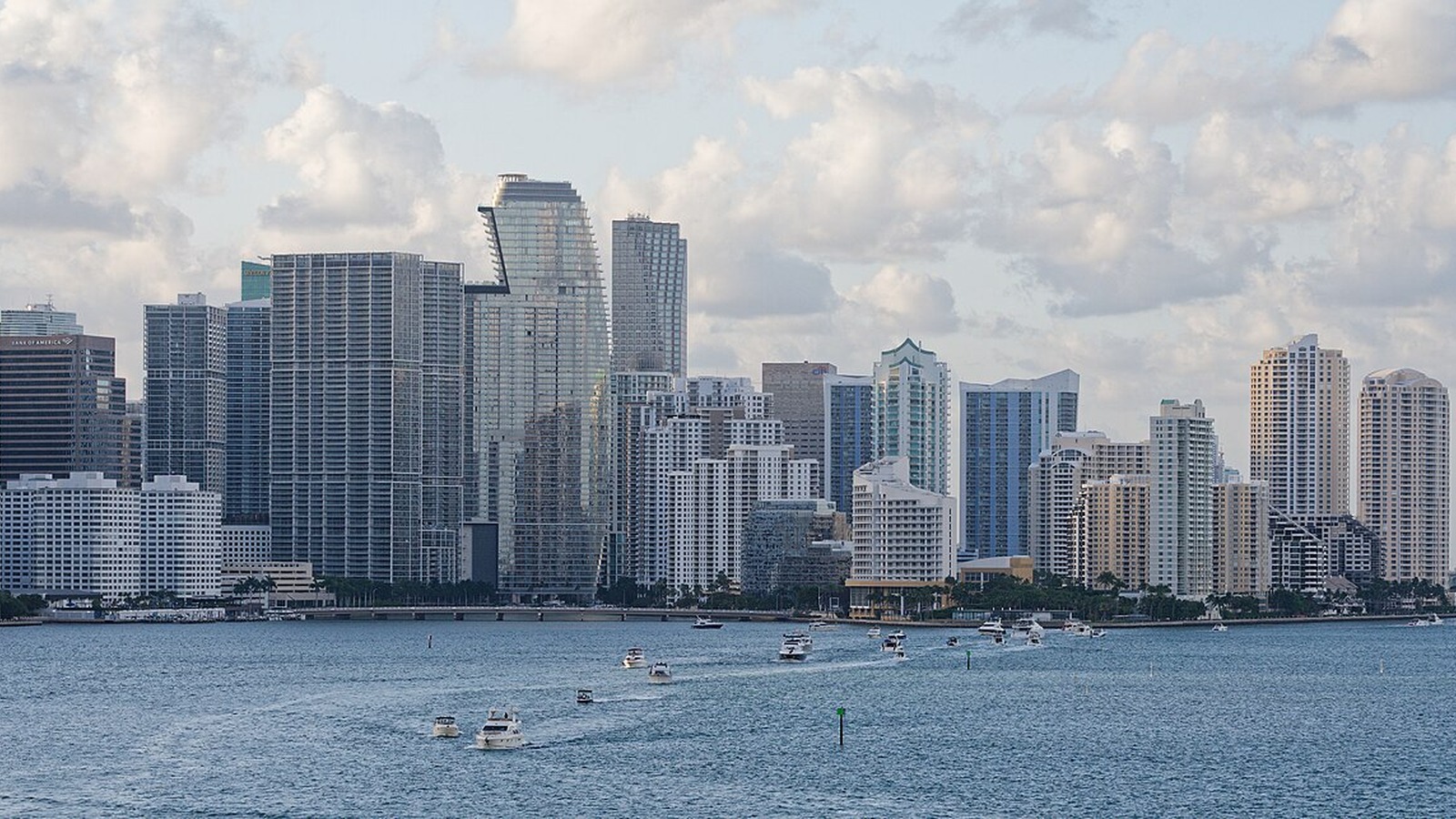
Photo: Wilfredor / Wikimedia Commons. CC0. Cropped and resized.

One state, several different assignments
I am not going to sell you a postcard version of event photography in Florida. A waterfront reception and an indoor conference ask different things of a photographer. They also ask different things of the person organizing them. The right choice starts with understanding that difference.
If you need an event photographer in Florida, begin with what the pictures have to do. Document a meeting? Give a sponsor usable images? Show a room full of customers using a product? Make portraits of a team that rarely gets together? Those are useful instructions. "Get everything" is not.
For photographers looking for work in Florida, the same rule applies in reverse. Show a buyer the kind of assignment they are trying to fill. Explain how you would handle their event rather than promising you can do anything with a camera. This guide works through a few realistic planning situations. They are examples, not claims that I photographed a particular client's event.
Miami Beach: separate the room from the street
Picture a hypothetical business event in Miami Beach: a morning presentation, an afternoon gathering and an evening reception at another address. Before choosing a photographer, I would divide it into locations and identify the person controlling each one. The registration team may not control the reception venue. A badge for the first location may mean nothing at the second.
Write the full addresses in the brief. Say whether transport is arranged or whether the photographer must make the move independently. Include equipment access instructions if there are any. If an organizer asks for photographs right up to departure at one address and from the opening minute at the next, ask whether that is physically possible.
This becomes especially important when the client imagines a portrait between activities. A photograph outside is not simply a pause on the way to the next room. The photographer has to find a suitable position, manage the background and bring the person over. If that picture matters, give it an actual place in the schedule.
I would ask the client to identify a portrait coordinator. That person can find the subject and confirm the name while the photographer gets ready. It is a small organizational decision that protects the schedule. Otherwise a photographer can spend the entire break searching for somebody who already left.
For photographers, a Miami Beach portfolio should not rely on place names to do the selling. Show how you work with people, space and light. A clean indoor sequence and a thoughtful outdoor portrait tell the client more than a skyline attached to an unrelated gallery.
Orlando: write a convention brief that survives a busy day
For an Orlando convention assignment, I would start with a floor plan and a list of competing activities. The Orange County Convention Center's own website can identify the facility; the event organizer needs to supply the assignment's actual rooms, credentials and access instructions. Do not confuse information about the building with permission for this particular job.
A useful brief might identify a keynote, an exhibit demonstration, a sponsor gathering and a team portrait. Put each on the event timeline. Then mark which moments cannot be repeated. An empty booth can usually be photographed at a different time. A speaker greeting a particular guest may happen once. That distinction helps the photographer make decisions when the program changes.
If exhibitors need separate photographs, decide how those requests reach the photographer. A long string of booth numbers sent by several people is hard to manage during coverage. Have one organizer maintain the list, check the names and rank priorities. Make sure the photographer can access the relevant areas before assigning them.
For a multi-day event, tell the photographer which stories should develop across the days. Perhaps the first day establishes the space, the next centers on demonstrations and the last records awards. Repeating the same wide room shot every morning may not add much. A communications team can explain the intended story without dictating every camera position.
Photographers can respond with a coverage outline rather than a generic assurance. Identify any overlap, explain how a second photographer would be used if proposed, and state what the client receives at each delivery stage. The buyer should be able to see the plan on paper before imagining the final gallery.
Palm Beach: an awards dinner needs a stage plan
For a hypothetical Palm Beach fundraising dinner, I would ask about the program before asking about the table decorations. Who speaks? Who receives recognition? Does the organizer need a photograph of each recipient with a presenter? Are there people who should not be photographed? Those details shape the work.
A clean awards photograph often depends on a little coordination. Ask the presenter to pause, have the recipient face the right direction and keep the award visible without covering a face. Agree on that with the stage team. The photographer should not have to interrupt the program to explain it from the aisle.
Guests deserve consideration too. Tell the photographer about photography restrictions or sensitive situations through an appropriate organizer. Do not put private reasons into a widely circulated shot list. A discreet instruction about who may be photographed is enough when the reason is not needed to do the job.
The client should decide whether table photographs are required. If they are, plan them. Identify a time when people are seated and not eating, and assign somebody to help manage the groups. Candid coverage does not guarantee a clean group photograph of every table. Those are separate expectations.
For photographers, show a dinner gallery that includes more than a dramatic room entrance. Let the client see speeches, reactions and small groups in the lighting you actually had. If you use additional lighting, explain any venue permissions and setup needs in the proposal. Never assume that a previous client's arrangement applies at another dinner.
Tampa and St. Petersburg: who owns the transition?
A company gathering described as "Tampa Bay" needs a precise location. If a program moves between Tampa and St. Petersburg, treat the move as a scheduled part of the job. Confirm the addresses, the coverage stop at the first location and the moment photography resumes at the next.
I would also ask who holds the event's current timeline. The person who hired the photographer may be busy onstage when the departure changes. Name somebody who can send a confirmed update and make decisions about coverage. A photographer should not have to choose between three conflicting text messages from different staff members.
Imagine the afternoon includes employee portraits and the evening includes a reception. Keep their workflows separate. Portraits need an organized queue, a consistent setup and a way to associate the right name with the right files if naming is requested. The reception needs a photographer ready to move through the room. Equipment used for one may need packing before the other begins.
If the client wants both activities to overlap, ask for a proposed team plan. Do not quietly erase the packing and travel time from the schedule. A clear limit is more useful than a promise that depends on nothing running late.
A photographer seeking these assignments can make a sample handoff plan part of the conversation. Explain how the portrait files will be separated from the event story, who will receive them and what information the organizer must provide. That is service a buyer can understand without needing to know camera terminology.
The Keys: decide what happens when the plan changes
For an event in the Florida Keys, I would confirm the exact island and address before discussing coverage. "The Keys" is a region, not an arrival instruction. Ask where the photographer checks in, where equipment can be brought inside and how the organizer will communicate changes close to the date.
An outdoor program needs an alternative location or a clear decision process if conditions make the original plan unsuitable. Check current weather information and venue instructions near the event. Do not treat a broad statement about Florida weather as a forecast for a particular date.
The alternative location matters photographically. A covered terrace, a small meeting room and a ballroom are not the same background. If portraits must move inside, tell the photographer early enough to assess the space and adjust. Guests standing in a line is a poor time to discover that the agreed setup no longer fits.
Equipment protection is the photographer's responsibility to plan, but event decisions belong to the organizer or venue. Ask who can stop or move an activity and how the crew will hear about it. Nobody should be relying on a photographer's guess about whether an exposed location is safe.
If travel or accommodation is involved in the proposal, read those terms as carefully as coverage terms. Establish who arranges what and how a date change affects the agreement. Those are contract questions to settle with the actual parties, with qualified advice when the circumstances warrant it.
Judge the work in the light you expect to have
When reviewing Florida event photographers, I would want an example that resembles the assignment. A bright outdoor portfolio is useful for an outdoor job. It does not tell me everything about a photographer's work in a dim reception room. Ask for a relevant delivered gallery they have permission to share.
Read the photographs as a set. Can you understand what happened? Are there expressions, context and useful details, or only a handful of isolated dramatic frames? Does the editing remain consistent when the photographer moves between rooms? Look at ordinary moments because most of your event will consist of ordinary moments.
Then consider your intended use. If the photographs are for a company newsletter, you may need readable faces and context. If they are for a sponsor recap, you may need images showing an actual interaction with the sponsor's activity. Say that directly. A logo alone is not always a useful account of what a sponsor supported.
A photographer can explain choices in a past gallery without pretending every frame was their preferred setup. Perhaps the client requested a documentary approach or prohibited additional lighting. Ask about the assignment before judging the person against a requirement they were never given.
Put the delivery process in the same conversation
The client should name the person who receives the finished photographs. If there are several recipients, clarify whether each is meant to have access. A sponsor, a venue and a guest do not automatically have the same rights as the commissioning client. Write the intended distribution into the agreement.
Specify the deliverables in concrete terms: the agreed selection, file format, delivery method and deadline. If there is a separate early edit, say what it covers. Do not assume a photographer will deliver during the event unless that work is included and there is a workable way to do it.
Captions require a source for names and titles. Decide who supplies them and who checks them. A photographer can identify an expression; they cannot reliably invent a person's job title from a badge glimpsed across a room. If accurate names matter, give the crew a verification process.
I would also establish how feedback is collected. One person should consolidate comments and tie them to the brief. That prevents separate departments asking for contradictory edits. Keep requests precise: an incorrect caption is different from a request for an entirely new crop or an additional selection.
For photographers: build a service area you can explain
Finding photography jobs in Florida does not require claiming every city as your home market. Start with the area you can serve honestly. Describe travel separately and ask for the address before confirming that a schedule works. A client benefits from knowing where you are coming from.
Build portfolio sequences around real services. An Orlando conference buyer needs evidence of conference coverage. A Palm Beach dinner organizer may need speeches and groups. A Miami office team needs consistent portraits. Organizing your work that way helps somebody find the relevant material without reading your whole biography.
Your first reply should answer the lead. If the client provided a date and place, address them. If the program includes a move, ask about it. If the deliverables are unclear, identify the decision that changes your plan. Avoid filling the response with broad claims about the Florida market.
Be honest about access and experience. If you have not worked a venue, say how you would prepare. You can ask for instructions, review a floor plan and coordinate with the venue contact. You do not need to invent a history there to show you understand the job.
Where ProShoot fits
Use ProShoot's current how-it-works page to understand its process before relying on a particular feature. This article does not guarantee a photographer's availability or the outcome of a posting. The useful starting material is still a clear event brief and relevant examples of work.
Clients can prepare the date, address, program, intended image uses and decision-maker before starting a search. Photographers can prepare a portfolio that answers that brief. Keep any proposed terms tied to the specific job rather than assuming a platform description replaces an agreement.
If you compare candidates, give them the same version of the scope. A proposal for one photographer covering a stage is not equivalent to a proposal for a team covering simultaneous rooms. Ask people to identify assumptions so you can understand what you are comparing.
What I want settled before anyone arrives
Who decides if an outdoor activity moves? Who can approve an extra portrait? Who supplies the final attendee names? Who receives the files? None of those questions needs a long meeting. They do need an answer that the organizer and photographer can find when the room gets busy.
I would keep a short final brief with the current timeline, contact details and promised delivery. Mark changes clearly and confirm receipt when something material changes. Do not assume the crew saw a revised schedule buried in a large email chain.
Then let the photographer photograph. Preparation should make the day easier, not turn it into a minute-by-minute argument over every frame. Give them priorities and enough access to work, judge the result against the agreed scope, and keep communication direct. That is how I would approach hiring an event photographer in Florida, and how I would want to be hired.
A hiring test you can use in one conversation
Ask the photographer to walk you through the most difficult part of your proposed day. Not the most impressive job they ever did. Your day. If the event includes an indoor presentation followed by an outdoor group, ask where they would need time and what information they would request. Listen for a practical explanation rather than a guarantee that nothing can go wrong.
Photographers can ask the client the reverse question: which missing photograph would cause the biggest problem afterward? It might be the team portrait, a particular award or a demonstration that only happens once. That answer helps establish priorities without building an impossible list of equal demands.
Record that answer in the scope. It should not become an informal promise that only one person remembers. If fulfilling it requires a program change, extra access or another crew member, discuss that before accepting the assignment.
Finally, read the agreement for limits as well as promises. Ask how rescheduling, cancellation, additional coverage and image use are handled. Rules depend on the parties and the applicable jurisdiction; get qualified contract advice when needed. A clear answer now is better than discovering after the event that the organizer and photographer meant different things by the same sentence.
Sources checked November 6, 2026
Ready to hire a professional photographer?
Post your job free and get bids from photographers near you.
Post a Job Free →