Top Event Photographers in Denver
Plan Denver event photography for a divided ballroom, networking concourse, and terrace program. A practical guide to hiring and applying with a real coverage plan.
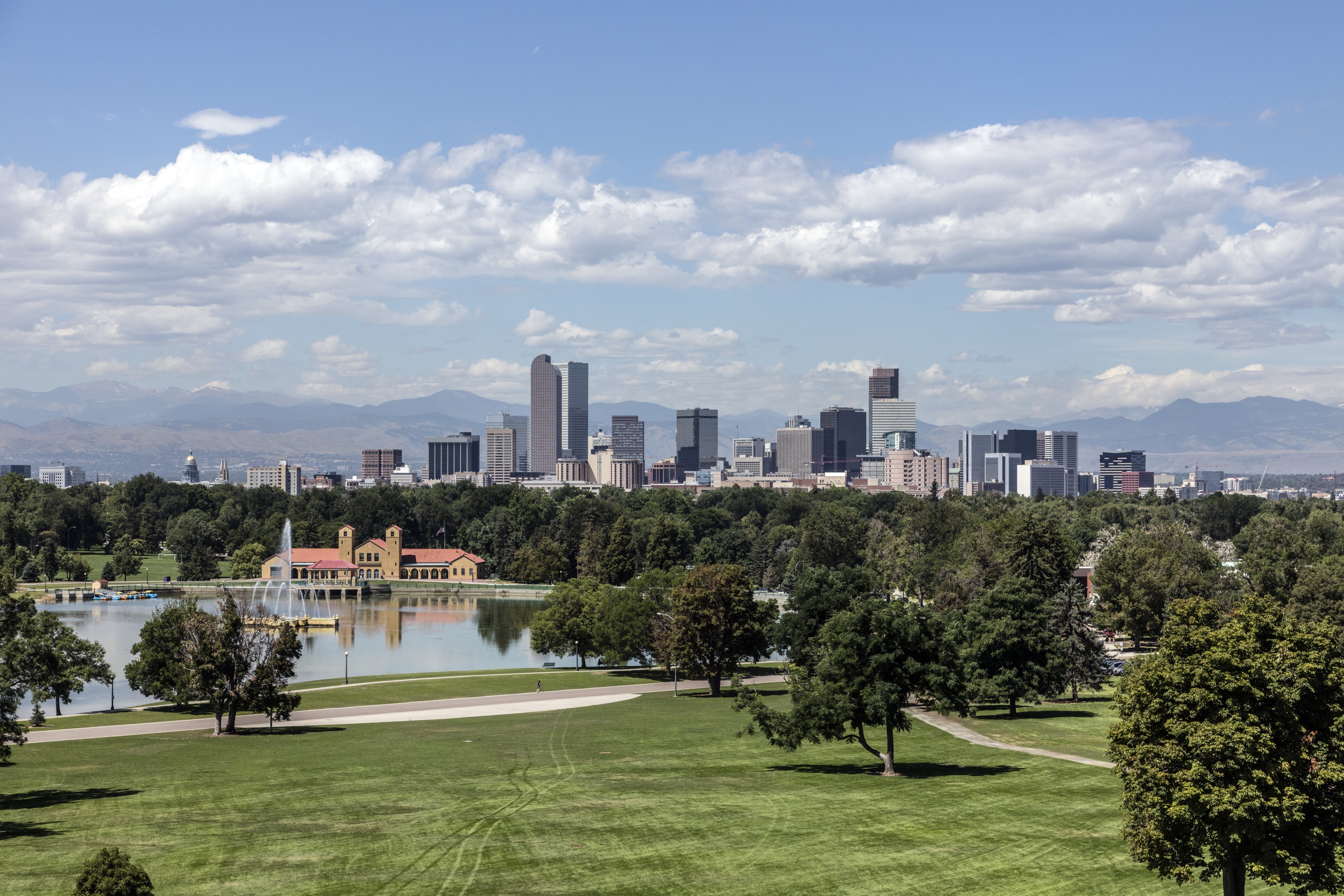
Photo: Carol M. Highsmith / Library of Congress. No known restrictions on publication. Resized.
Suppose a Denver organizer wants three pictures: a presentation, a conversation, and a group with a sense of place. Those sound like ordinary requests. The challenge appears when the presentation continues while conversations begin elsewhere and the group is only available briefly. I would solve that schedule before talking about how many photographs to deliver.
A useful photography commission describes where attention should go when several things happen. It names the essential people and the result the images must serve. That gives a client something concrete to compare and gives a photographer a way to propose work without promising to be everywhere.
The Colorado Convention Center's official Bluebird Ballroom page provides the setting for the hypothetical planning exercise below. I am not describing a personal shoot or announcing a current job. I am showing how I would turn a broad Denver event inquiry into decisions an organizer and photographer can actually use.
The exercise: a program that changes shape
Imagine a professional gathering using a ballroom presentation, smaller discussions, a networking interval, and a concluding group. The client wants a concise public story and a fuller internal record. Some participants have limited availability. One photographer is initially being considered, but staffing remains a decision.
I would ask the organizer to walk through the event from a participant's perspective. Where does the guest arrive? What do they do next? When do the essential people leave? A conventional schedule may list sessions while omitting the human movements that determine whether a photograph can happen.
Then I would ask the communications contact what each requested image needs to explain. The presentation may show an announcement. A discussion may show participation. The group may preserve who was involved. Keeping those purposes separate helps us choose when they compete.
The room can divide; the brief must say how
The operator describes the Terrace Level above existing Exhibit Halls D and E and identifies Bluebird Ballroom as a flexible space divisible through operable walls. Its published description supports a conversation about combined and subdivided uses. It does not identify this client's booked configuration.
The organizer should supply the actual approved event diagram. Which portion holds the presentation? Which discussions are simultaneous? Where does production occupy space? A photographer should not infer those facts from an open-room photograph or from the general flexibility of the facility.
For our hypothetical program, I would put the room divisions beside the timetable. If the client expects a complete account in several areas at once, that is a staffing requirement to discuss. If selected visits are enough, say which sessions matter and what the visit should show.
Decision one: stay with the presentation or visit a discussion?
The answer depends on the brief. If the main presentation contains an essential announcement, I would keep its continuity protected. A selected discussion visit can move only if the organizer agrees that the later opportunity still serves the purpose.
If both activities are unrepeatable and equally essential, propose another photographer or a different schedule. An enthusiastic person with light equipment still cannot provide two complete simultaneous records. A realistic limitation stated before booking is more helpful than a missing moment explained afterward.
The candidate should show relevant evidence for the proposed service. I would review a permitted complete sequence in which a program changed from general session to discussion. Ask what the photographer prioritized and who approved that choice. Their explanation can show judgment beyond technical settings.
Decision two: what can move, and who may authorize it?
A client may be willing to move an optional group but not the speaker's departure. Identify those constraints explicitly. The photographer should not negotiate new commitments with participants who were never told to remain available.
Appoint an organizing contact who understands the program and may approve coverage changes. If a guest asks for a new portrait while the crew is following an essential presentation, the photographer can explain the tradeoff to that contact. The loudest request should not silently become the highest priority.
Keep the decision brief and usable. The aim is not an elaborate approval ritual during the event. It is a shared understanding of what changed so the finished gallery is assessed against the work actually authorized.
The concourse is an activity, not a gap between activities
The Bluebird page describes a wrap-around pre-function concourse adjoining the ballroom, with seating and potential uses including registration, refreshments, and networking. That description can help an organizer identify opportunities. It does not establish how the concourse is booked or occupied during this event.
For the exercise, imagine the client wants partner conversations there. I would ask which relationships matter and when those participants are likely to be available. A general request for atmosphere is not the same as a commitment to photograph specific people interacting.
Provide a recognition contact who can make introductions. An unfamiliar photographer cannot reliably identify the partner representative from an organization name or infer a leadership role from where someone stands. The organizer's knowledge of people is part of the production.
Decision three: candid exchange or arranged introduction?
A candid conversation can show a relationship naturally, but it may not present every face clearly. An arranged group can establish who was together while saying less about what they did. Choose the intended result instead of expecting one photograph to fulfill contradictory purposes.
If a particular interaction is essential, give it an actual opportunity. The photographer should not be expected to create a relationship that never occurs. The organizer can introduce the people and let a genuine exchange happen without scripting an outcome for the camera.
If the required participant is absent, the organizing contact should decide whether to return later or use an approved alternative. A crew can lose valuable program coverage searching for someone whose plans have changed. Status should stay visible rather than hidden behind unrelated substitute images.
Decision four: what information should not enter the public set?
A networking scene can include badges, documents, screens, and private conversation context. Explain practical restrictions before the program. A photographer needs to know the action to take, not unnecessary private reasons about each participant.
An internal record and a public selection may have different permissions. If an image needs review, identify the person who decides and what they are checking. Names verification is different from confidential-content approval. Do not leave both under a vague instruction that somebody will look later.
The client should also explain intended uses in the agreement. Internal communications, public announcements, partner distribution, and advertising can be different audiences. Receiving files alone does not define every right or approve every future use.
The Rooftop Terrace is a conditional idea
The operator describes the Rooftop Terrace beside the pre-function space and says it can work with the concourse or ballroom. It describes views toward the mountains and skyline. This guide does not repeat marketing claims about climate or sunshine, or promise a particular appearance during an event.
For our concluding group, the terrace might be an idea to investigate. It is not an approved photography location merely because the facility page describes it. Confirm inclusion in the booking, permitted use, participant flow, and the actual position with the responsible organizer.
The required result should have an alternative if its purpose can be preserved elsewhere. If the main goal is the leadership together, an approved indoor group may still satisfy the commission. If the location itself is indispensable, make that condition visible before accepting.
Decision five: when are all the people actually available?
Choose a moment before essential subjects disperse and tell them to expect the photograph. Assign someone who knows the roster and gathers participants. A photographer can arrange the group but should not have to discover who is missing from an unfamiliar set of faces.
Keep the combinations finite. One leadership image and a sequence of departments create different demands. Each extra request can sound brief while collectively consuming the networking coverage the client also expected. The proposal should reflect the actual group service.
If a late participant arrives during another essential activity, use the authorized contact. The photographer should explain what would be displaced. A practical decision protects the commission more honestly than trying to keep several incompatible promises.
Decision six: what does the proposed equipment require?
A group or portrait setup may add lights or other equipment. Ask the photographer to describe the footprint and intended result. Portable does not mean invisible, and a public room description cannot prove the setup fits around the event's installed furniture and production.
Confirm the approved position and who can authorize a change. Do not assume that a window, terrace connection, or open-looking corner is available workspace. The actual event arrangement governs the task.
If individual portraits are added, define whether they are casual introductions or a consistent profile series. Provide authorized references early if matching existing work matters. A new visual requirement introduced after the session cannot guide photographs already made.
Arrival is another part of the plan, not an afterthought
The Bluebird page describes freight and smaller-vehicle access features for exhibitors. Those details are not a personal route authorization for a photography crew. This guide does not reproduce elevator loads, vehicle dimensions, or technical access instructions.
Ask the actual organizer where the crew reports, what equipment route is assigned, and when setup is permitted. A public facility address or attendee invitation may not answer those questions. Do not copy another exhibitor's procedure and assume it applies unchanged.
Tell the organizer what is coming. A camera-carrying photographer and a crew building a portrait station can have different practical needs. The confirmed arrival note should reflect the service proposed, not a generic vendor label.
Decision seven: which version is current?
If the room, route, or schedule changes, update the instructions the crew actually follows. An older diagram can look authoritative long after it stops describing the program. Keep background material labeled and one working version clearly identified.
The photographer should acknowledge changes that affect staffing, coverage, or equipment. Sending an attachment is not the same as making its operational consequence understood. Settle the effect while there is still time to choose.
For a second property or function elsewhere in Denver, create a separate scope and location note. Use real addresses and the complete schedule. This guide does not estimate transfers or mountain travel from a general impression of the region.
Choose the photographer who can explain these choices
I would compare permitted complete work that reflects the exercise's demands: presentation continuity, real participant interaction, manageable groups, and a coherent event story. A handful of favorites demonstrates selected ability without answering every question about the full service.
Ask what the applicant personally did on an example project. An additional photographer may have made excellent networking images while someone else handled the presentation and final selection. Accurate attribution makes that experience useful without implying responsibility for every part of a crew's work.
Confirm who performs the new commission. If another person would attend, review their relevant evidence and the role split. A client should understand whose work supports the proposal before accepting it, not discover the difference on arrival.
Use a reference to test one planning consequence
Ask a previous client about a moved group, changed room, or absent subject. How did the photographer explain the effect? Was there time to make an informed choice? That observable behavior can support a decision in a way general praise cannot.
Keep the request away from private participant details or confidential program records. You need evidence of working judgment, not access to someone else's event. If a gallery is restricted, ask for an authorized alternative and respect that limit.
Exact venue history is helpful context without replacing preparation. A new photographer can verify current plans carefully; a familiar photographer can carry stale assumptions. Relevant work and a thoughtful approach to confirmation should guide the choice.
Put the result of the conversation into the scope
Compare the actual service: locations, coverage level, proposed crew, groups, portraits, selection, editing, delivery, and image uses. A selected recap is different from complete concurrent-session records and a controlled portrait service. Similar language should not hide that difference.
Ask for assumptions and exclusions in ordinary words. If success depends on a credential, approved position, subject availability, or gathering contact, name the dependency. An unresolved condition should not disappear beneath a confident promise.
If insurance or credentials are required, obtain current specifications and confirm the proposed crew can meet them. A portfolio or marketplace profile cannot prove compliance. A request from one property is not a universal rule for Denver venues.
Discuss the photographer's promotional use as a separate audience from the client's private delivery. Obtain the approval required by the agreement and preserve restrictions on other people's material beyond the event.
Photographers: make the exercise specific to the real inquiry
A Bluebird Ballroom request should prompt a question about the actual subdivision and program. A networking request needs relationships and recognition. A terrace group needs approved use and participant availability. Those are useful responses even when the photographer has never worked in that particular room.
ProShoot's published client workflow describes posting a job, comparing bids and portfolios, and selecting a photographer. Its photographer process includes applying and presenting work. Use the exchange to show relevant evidence and define a commission. A listing does not establish local shooting history or venue permission.
Check your availability from arrival and setup through the last commissioned function. State unresolved conditions honestly. This guide does not infer jobs from industry rankings, annual trade shows, city growth, sports calendars, or year-round demand. An opportunity needs a current commissioning contact and scope.
The final selection should answer the original purpose
Agree on how the client will find the work. Program sequences, networking, groups, portraits, and cleared public selections may be easier to navigate separately. The recipient should not need to reconstruct the event from an unexplained folder of repetitive frames.
If captions or names are included, appoint a factual source and reviewer. Do not guess titles, affiliations, or what a conversation achieved. Agree on delivery and any earlier selection separately, including the effect of editing while photographing continues.
Use the actual storage and access terms offered. Identify images awaiting approval and explain material gaps caused by absent people or canceled activities. Before closing, compare essentials with authorized changes so the client does not have to audit every image to discover an unresolved question.
Hire for the decisions, not the promise
The Bluebird example begins with a divided room, a concourse, and a terrace. The commission becomes meaningful only when those places connect with the people, program, and image users. I would choose a photographer whose relevant evidence and practical answers make those connections clear.
Whether hiring through ProShoot or applying there, describe the actual Denver occasion. A plan that protects a few important pictures honestly is stronger than an unlimited promise with hidden conflicts.
Check what the image needs before choosing the room division
A useful final planning exercise is to ask the receiving team for two examples of how they will use the photographs. A presenter announcement may need a clear individual frame. An event recap may need audience context. A required team image may need a controlled pause and a gathering contact. Similar program times do not make those outputs interchangeable.
Then ask the photographer which parts of the Bluebird plan support each use and which depend on confirmation. The answer should refer to the actual division and program, without promising a view from a public room description. If a preferred background is optional, record that distinction. It gives the organizer a way to approve a practical adjustment while preserving the essential picture, rather than treating every change of position as a failure of the commission.
Sources checked November 6, 2026
- https://denverconvention.com/plan-your-event/event-space/bluebird-ballroom
- https://proshoot.io/how-it-works/
Ready to hire a professional photographer?
Post your job free and get bids from photographers near you.
Post a Job Free →