Top Event Photographers in Delaware
Plan Delaware event photography for a Wilmington reception or Newark learning program. Practical guidance for comparing photographers and responding to assignments.
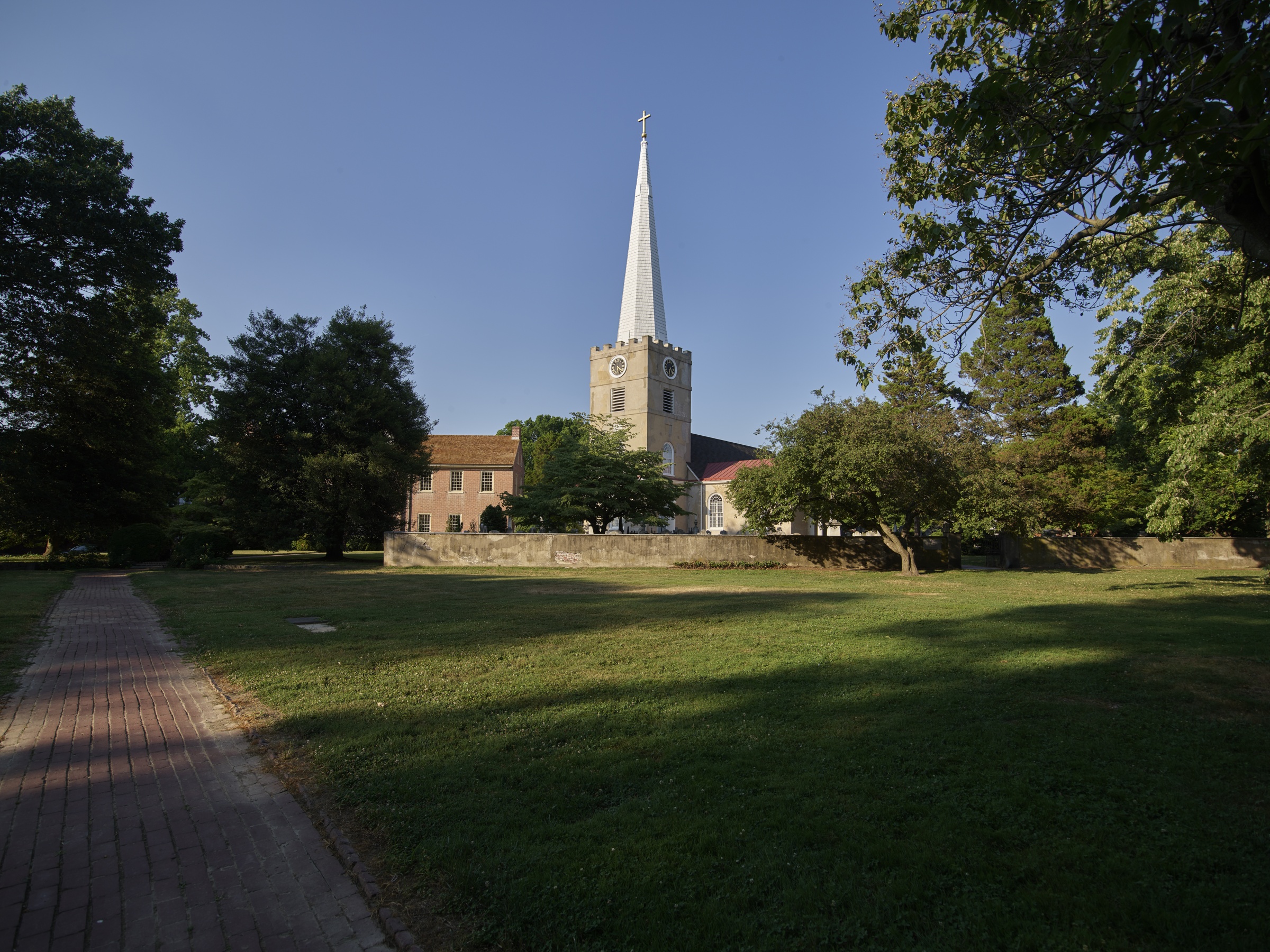
Photo: Carol M. Highsmith / Library of Congress, Prints and Photographs Division, LC-DIG-highsm-51756, July 14, 2018. Public domain. Resized; no crop.
When a program includes both a presentation and a reception, the photographic story often lives in the connection between them. Who meets whom afterward? Which discussion continues outside the room? What needs to be recorded before the people disperse? I would put those questions into a Delaware event brief before comparing photographers.
A Wilmington ballroom assignment and a Newark learning program can share a broad event-photography label without needing identical work. The practical differences should shape the portfolio review, staffing, permissions, and delivery. Otherwise a simple inquiry can conceal several incompatible expectations.
I use current operator descriptions of Chase Center on the Riverfront and Clayton Conference Center for hypothetical examples below. These are not advertised jobs or accounts of my own local shooting history. The point is to help a client define a real commission and help a photographer answer it with evidence rather than a statewide promise.
Wilmington: decide whether the reception is an independent story
Chase Center on the Riverfront's current facility page identifies the Riverfront and Christina Ballrooms, Atrium Lobby, halls, an auditorium, and named meeting spaces. It also describes a direct connection with the Westin Wilmington Hotel. Those facts provide context; they do not establish what the client's booking includes.
Imagine a professional reception following a presentation. The organizer might want a public recap, a participant record, and selected partner interactions. I would ask whether the reception is simply optional context or a required part of the commissioned coverage. That decision affects the schedule and the evidence to request from candidates.
If a presentation is still running when another group begins gathering, the photographer needs priorities. Complete coverage of both may need another person. An occasional visit can be a valid service if the organizer agrees, but should not later be described as an uninterrupted record of two concurrent activities.
Name the people behind the relationships
A list of organizations is not enough to identify the participants a client needs. Provide verified names and a contact who can introduce them. The photographer should not guess which guest represents a partner from their table, badge, or position in the room.
Ask what the image must show. A conversation, a posed group, and a logo photograph can each serve a different purpose. If the client needs an interaction, a clear sign does not necessarily satisfy the request. If identification matters most, an arranged portrait may be appropriate.
Give the photographer a route for absent subjects. The organizing contact can decide whether to return later, use another approved opportunity, or move to a higher priority. Searching indefinitely for someone who has left should not silently consume the rest of the event.
Ballroom names do not establish an equipment position
The operator provides facility descriptions and room-specific planning material. Use the current booked arrangement to discuss where the photographer may work. A public room page does not authorize a portrait station, use of an aisle, or a change to the event's production.
If the client wants formal groups, identify an approved location and a gathering contact. A short portrait sequence can fit a reception when people know the plan. It can also interrupt candid coverage if the number of requested combinations keeps growing without a decision-maker.
The hotel's connection is a facility fact, not a crew instruction. Do not assume the photographer can use hotel spaces or move equipment through any connecting route. Confirm the reporting point and authorized route with the actual organizer rather than inventing a convenient entrance.
Show more than the setting
Room details can establish the occasion. They cannot by themselves show the relationships the client wants preserved. I would look for reception work that includes readable interaction and a coherent progression rather than only decorations and posed pairs.
Ask the photographer how they balance observation and direction. If the reception is meant to remain informal, repeated interruptions for unrequested groups can work against the event's purpose. If essential groups are needed, say so and give them a defined place in the plan.
Private conversations and unreleased material need usable boundaries. The organizer should explain what may be photographed, what may be published, and who settles uncertain cases. Those are related questions, but they are not automatically the same permission.
Newark: make the learning program readable without manufacturing it
The University of Delaware's Clayton Conference Center page describes a central lobby surrounded by classrooms, a theater-style auditorium, a ballroom, an amphitheater, and private meeting spaces. It separately describes the ballroom, auditorium, and configurable meeting-room options. This guide does not reproduce capacities or size rankings.
For a hypothetical professional learning day, I would ask what the client needs the photographs to explain. Is the purpose attendance, instruction, collaboration, or recognition at the end? The answer determines which moments matter and what can be sampled.
The public facility layout cannot settle the actual program. Obtain booked room assignments and the current order. A photographer should not assume that the auditorium holds the keynote or that the lobby is free for portraits merely because those uses seem plausible.
Sessions need specific priorities
If the client wants every session represented, say whether that means a brief visit or a complete record. Those expectations are different. Simultaneous discussions create a staffing decision, and the proposal should make it visible before booking.
Identify any demonstration, discussion, or conclusion that cannot be repeated. Give the photographer the time and contact. A general session label does not tell the crew when the image that explains the activity will happen.
If the program changes, update the version the photographer follows. An organizer may solve a room conflict internally while forgetting to inform the crew. The photography plan needs the changed fact, not merely a later explanation of why the expected room was empty.
Learning images should reflect real activity
A photograph of participants talking can explain a session when the relationship to the program is visible. It may say little if the viewer cannot understand who is doing what. Tell the photographer the intended message without asking them to invent behavior or stage an outcome that never occurred.
Discuss how much direction is appropriate. A short arranged group differs from observation of a workshop. Both can be valid when commissioned honestly. The photographer should know whether an interruption would interfere with the learning experience.
Screens and documents may contain restricted information. The organizer needs to identify the relevant content and review route. A classroom available for an event does not establish that everything displayed there may appear in public marketing.
The lobby transition can explain the gathering
Clayton's page describes the lobby as a central gathering area with nearby program spaces. That makes it a useful subject for planning questions about arrival, breaks, and connections among participants. It does not guarantee that a proposed photography position is available.
If the client values conversations between sessions, mark them as part of the coverage. Do not fill every break with formal portraits and still assume the photographer can observe the same interactions elsewhere. A fixed portrait setup and roaming documentation need a realistic division of time or staff.
For a closing group, obtain participant agreement and assign someone to gather people. Waiting until the program ends can mean key people have already departed. A photographer's ability to arrange a group cannot replace the organizer's ability to get the right people there.
A multi-day event needs a continuity decision
Clayton's page describes facilities for multi-day meetings. If the commissioned program spans several days, ask what needs continuity in the final story. The client may need each day's key activity, a consistent set of portraits, or selected recurring relationships. Do not assume a new day simply repeats the previous brief.
Confirm the coverage window and locations for each day. An added evening gathering or another property needs its own purpose and instructions. A meeting booking does not automatically extend photography to every activity attendees choose to do afterward.
If different photographers attend, agree on responsibilities and the final selection. The client should understand who makes the work and how it will be organized. A cohesive result requires a plan, not merely several people sending files into the same folder.
Track facts across the program
Participants may change roles or appear in more than one session. If captions are commissioned, decide who verifies the names, affiliations, and context. The photographer should not infer those facts from a visual sequence or memory of introductions.
Keep one reliable source for changes. A revised program, names sheet, and contact can be useful when maintained by someone responsible. Several conflicting versions increase the risk of an accurate photograph receiving the wrong description.
For restrictions, define how the photographer learns that a room, person, or segment has different rules. Share only the practical information needed. The crew does not need private reasons circulated more widely than necessary to follow the instruction.
Compare complete evidence for the work being proposed
For Wilmington's hypothetical reception, I would review a permitted complete set showing interaction, groups, and context. For Newark's learning program, I would examine sessions, transitions, and participant activity. Exact facility history can help but should not replace current preparation.
Look at whether the final set explains the event. A handful of striking frames can show photographic skill without proving complete commissioned coverage. Ask how the photographer handled ordinary moments and competing priorities, not only the most dramatic picture.
Clarify the applicant's contribution. An additional photographer may have made excellent reception work while another person covered presentations and managed delivery. That is valid evidence when credited accurately. It should not quietly become a claim of responsibility for the whole event.
References can test whether the process works
Ask a former client about one change: a delayed session, absent participant, or added group. Did the photographer explain the effect and get a decision while the organizer could still act? That is more useful than general praise with no connection to the job.
Keep private guest information and confidential meeting content out of reference requests. You need evidence of communication, not access to someone else's event records. The same restraint applies when a photographer cannot show a restricted full gallery.
If another crew member would perform the new assignment, review relevant work and understand the responsibility split. A proposal using one person's portfolio should not leave the client unaware that someone else will attend.
Make the scope readable before deciding
Compare coverage, spaces, crew, group work, selection, editing, delivery, and uses. Two proposals can use similar descriptions while assuming different tasks. A reception-only commission is not equivalent to a full program with portraits and simultaneous sessions.
Ask for assumptions and exclusions. If the work depends on a booked portrait area, approved position, or gathering contact, make the condition visible. The organizer can then resolve it before the program rather than discover a hidden requirement while guests wait.
Name the person who can approve changes during the event. A guest or another department may ask for something useful without authority to redirect the photographer. The crew should explain the tradeoff and seek a decision through the agreed route.
Requirements are specific, not statewide
Obtain current working-access and equipment instructions from the actual organizer. A public address or attendee invitation does not necessarily grant crew access. Do not invent a service route or assume permission based on a previous event at the property.
If insurance or credentials are required, get the current specifications and confirm the proposed crew can meet them. A good portfolio does not prove a policy. One facility's request is not a blanket rule for Delaware venues.
For another property, beach gathering, or different town, create a separate location note. This guide does not establish travel times, weather outcomes, or access conditions elsewhere. The actual addresses and schedule should guide whether an extension is feasible.
Photographers: make the proposal useful to the organizer
A Wilmington reception inquiry should prompt questions about the required relationships and overlap with presentations. A Newark learning inquiry should prompt questions about selected versus complete session coverage. The application should help the client see a practical choice, not simply repeat the event label.
ProShoot's published client workflow describes posting jobs, comparing bids and portfolios, and selecting a photographer. Its photographer process includes applying and presenting work. Use those steps to show relevant evidence and define the specific commission. A profile does not establish venue access or personal local history.
Confirm availability against arrival, setup, the full program, and any additional function. State unresolved conditions honestly. An approved room or permission may be essential to the result; do not offer an unconditional promise while that condition remains unanswered.
This guide does not infer jobs from finance-sector activity, company names, festivals, or seasonal demand. An actual opportunity needs a commissioning contact and current scope. Honest applications can be specific without leaning on unsupported claims about Delaware's market.
Deliver the work in the shape the client needs
A reception client may need a short approved public selection and a fuller private record. A learning-program organizer may need sessions and participants easy to find. Ask how the images will be used and agree on the organization rather than make the client reconstruct the event from an unexplained file list.
Set a delivery date and any earlier selection separately. A request for images while the event continues can affect photographing and review. Describe that work instead of allowing a casual request for quick pictures to become an unbounded parallel service.
Clarify image rights and audiences, including the photographer's own promotional use. Private delivery does not automatically approve public sharing. Use the actual access and storage terms offered, identify files awaiting review, and agree on a route for factual corrections.
If a required person was absent or a segment was canceled, explain the material gap. Do not leave the client searching for a photograph that could not be made. A clear final account should reflect the event that happened and the decisions made during it.
Before closing the commission, check the final set against the agreed essentials and any authorized changes. A visible reconciliation makes missing information easier to settle without asking the client to audit every file.
Choose a photographer who connects the parts
Wilmington's reception example needs relationships and program overlap understood. Newark's learning example needs sessions, transitions, and restrictions made clear. Both need relevant complete work and a proposal that responds to the actual commission.
Whether hiring through ProShoot or applying there, start with the photographs people will use and the conditions needed to make them. That produces a more useful decision than a promise of every image across Delaware, and a better chance that the finished record explains why the gathering mattered.
Give the multi-day story a visible thread
If a real program spans several days, ask which subjects or relationships should remain recognizable across the record. The client might need a participant's progression, recurring leadership, or the connection between a learning session and a reception. Do not assume every day needs the same visual treatment merely because it belongs to one event.
The photographer should explain how that thread affects attention and selection. Required continuity needs actual names, timing, and introductions; it cannot be built reliably from a vague instruction to show the experience. If participants change, the organizer should identify the substitution and its relevance.
Also ask whether each day's images will be used independently. A daily public selection may need its own context, while the final record can connect the whole program. Those are editorial choices to agree on without adding a speed promise or assuming a separate editing duty is included. A useful plan makes the sequence understandable to someone who did not attend and gives the client a clear basis for finding the required story afterward.
Sources checked November 6, 2026
- https://centerontheriverfront.com/facility-specifications/
- https://centerontheriverfront.com/facility-specifications/riverfront-ballroom/
- https://conferences.udel.edu/clayton-conference-center/
- https://proshoot.io/how-it-works/
Ready to hire a professional photographer?
Post your job free and get bids from photographers near you.
Post a Job Free →