Top Event Photographers in Dallas
Plan Dallas event photography during changing venue conditions. Practical guidance on current rooms, arrival instructions, scope, and applications.
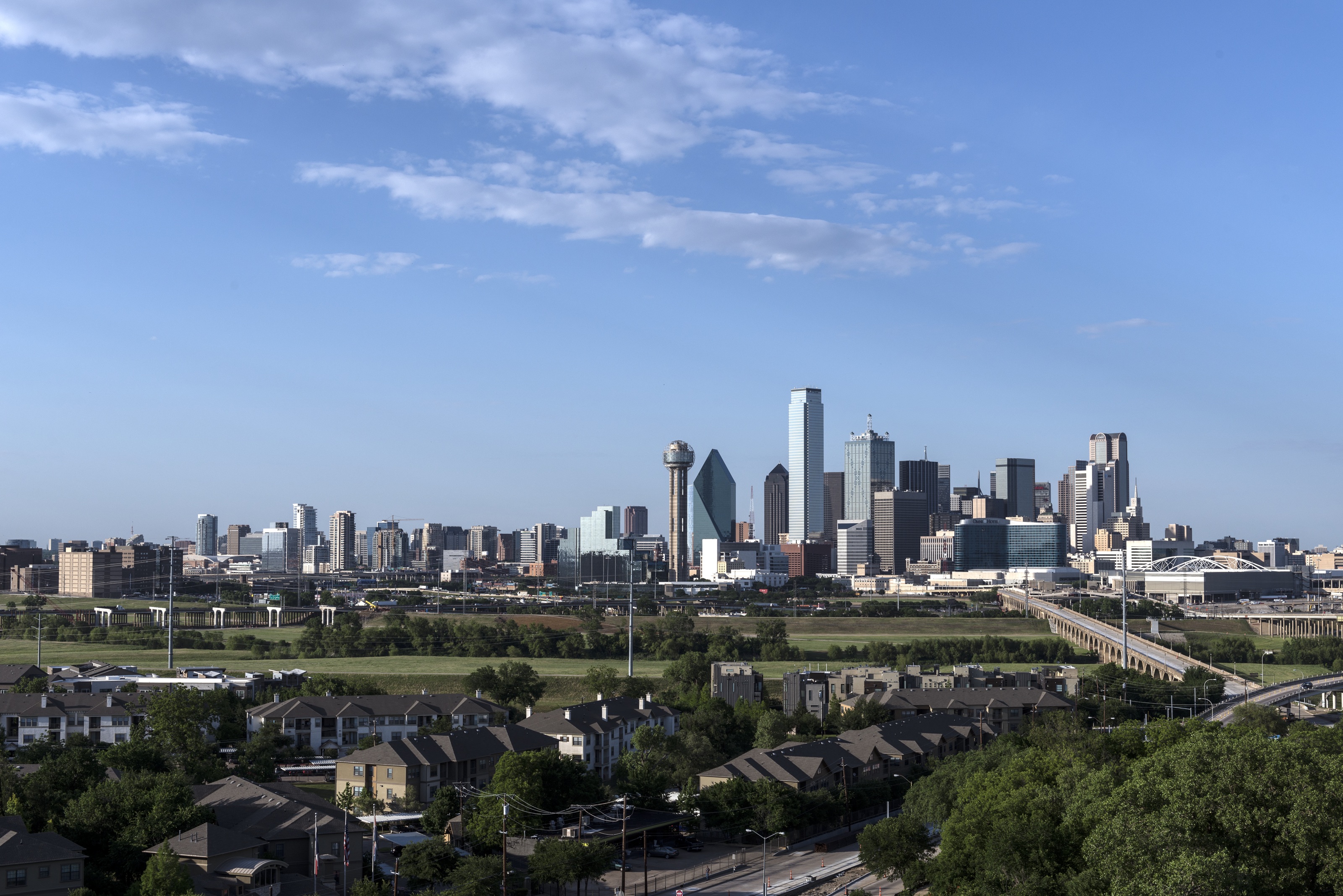
Photo: Carol M. Highsmith / Library of Congress. No known restrictions on publication. Resized.
An old event plan can look convincing long after it stops being useful. It has a room name, entrance, diagram, and contact, so people follow it. For a Dallas photography commission, I would ask which details were confirmed for this event before treating any of them as working instructions.
That question is especially relevant when a venue is changing. The photography brief needs to preserve the program's purpose while keeping the practical facts current. A photographer should not have to discover that an assumed route or room belongs to an earlier version of the property.
This guide uses current Kay Bailey Hutchison Convention Center Dallas and City of Dallas material as a planning example. It is not an announcement of open jobs, a directory of individual photographers, or an account of my own local shoots. The hypothetical event scenarios show how organizers and photographers can make a real commission more dependable.
Read the redevelopment story before writing the crew note
The convention center's expansion page describes phased demolition and construction, including demolition of Buildings D, E, and F. A City of Dallas bulletin dated February 25, 2026 describes Halls D, E, and F demolition and says Halls A, B, and C remain active as work proceeds. Those are not instructions to treat the whole property as either unchanged or entirely closed.
The two sources also frame the project's future timing differently. The city bulletin refers to overall completion in 2029; the venue page describes a 2030 debut. I would not turn either into a guaranteed completion date in a photography proposal. The useful operational fact is that an actual booking needs current confirmation.
The same city bulletin describes the convention center DART station as closed for construction while trains continue through the site. That is important context, but not a complete arrival plan for a crew. Verify the actual route and reporting point rather than make a transport promise from an older program.
A planning rendering is not the room you will photograph
The expansion page contains future-space descriptions and renderings. Those help explain the project without proving that a particular setting is available for the client's event. A photographer should not promise a portrait background or camera position from an image of a future facility.
Ask which actual space is booked and obtain the current approved diagram. Distinguish present instructions from future possibilities. A brief can mention redevelopment without requiring the crew to interpret a master plan while deciding where to set up.
This guide does not repeat planned area totals, economic-impact forecasts, booking counts, or investment figures. They are not necessary to choose a photographer. They also should not be turned into claims that a particular amount of photography work is available.
Build a brief with facts that can change visibly
I would divide the working information into confirmed details, requirements, and open decisions. The exact booked space and authorized arrival instruction belong among confirmed details only after the responsible organizer supplies them. A desired group image is a requirement. An unapproved portrait location remains an open decision.
That distinction prevents a helpful idea from hardening into a promise. A client can want a particular view while still needing to confirm it. A photographer can offer a solution while stating the condition it depends on. Neither side benefits from hiding uncertainty beneath confident wording.
Keep one person responsible for the working version. Several departments may contribute important information, but a crew should not receive conflicting instructions and have to decide which department outranks another. Reconcile the updates before they become the final brief.
Label what belongs to an earlier program
An older floor plan or vendor email can be a lead. It should not be circulated as current without checking. If it remains useful for background, label it accordingly and identify the new instruction that controls the assignment.
For a prior-event portfolio example, apply the same care. A photographer can show excellent work from a room without claiming that its former setup is still available. Relevant experience supports preparation; it does not freeze a venue in time.
A final check should ask what materially changed after the initial proposal. If a room, route, schedule, or permission moved, update the instruction the crew follows and explain the consequence. Do not assume a new attachment is an agreed operational change merely because it was sent.
Hypothetical conference: protect the main presentation
Imagine a Dallas program whose client needs an uninterrupted keynote, selected exhibit interactions, and a leadership group. Put those on one timeline before asking for bids. The useful question is whether the same proposed photographer can cover them as scheduled, not whether they are all common event tasks.
If the group overlaps the keynote, decide which takes priority or discuss another photographer. Fast movement cannot create complete simultaneous coverage. A proposal should make the tradeoff visible while the organizer can still choose.
For the presentation, provide the actual stage direction and permitted camera positions. The photographer can then explain an approach grounded in the installed arrangement. A general venue description cannot authorize equipment or changes to production.
Ask for a complete sequence as evidence
A portfolio highlight shows selected ability. An authorized full presentation set helps test consistency across speaker changes, audience response, and ordinary moments. I would look for a record that remains understandable beyond the most dramatic image.
Ask how the photographer handled competing requests in that example. The answer should describe communication and choices, not imply that every possible image was made without consequence. Practical judgment is part of the service.
If the program includes confidential slides or restricted content, identify what the crew should do. Permission to photograph the room does not establish unrestricted use of everything displayed. Give the photographer a contact for uncertain cases during the event.
Hypothetical exhibition: decide what the photograph should prove
An empty display, an active demonstration, and a conversation with a representative can all be useful, but they answer different questions. Tell the photographer which result the client needs. A wide room image may establish setting while failing to show the activity that matters.
If selected organizations must appear, provide current assignments and someone who can identify people. A company list is not an exhibit map, and a logo does not reveal which participant represents the client relationship.
For a scheduled demonstration, identify the essential action and time. If it changes, name the contact who updates the crew. The photographer should not follow a stale schedule while the demonstration happens elsewhere under an instruction no one passed on.
A late change needs a choice, not an assumption
If a demonstration moves against the keynote, decide how to respond. The client may prefer complete presentation coverage, a selected exhibit image later, or another photographer. A realistic alternative is stronger than silently promising both.
If a required person is absent, establish whether to return, make an approved substitute, or move on. An open-ended search can consume the rest of the commission. The organizing contact should own that decision rather than leave the crew guessing which requirement matters most.
For restricted demonstrations, explain what may be photographed and how the images may be used. Public attendance is not an automatic answer to every publication question. Keep making images, private delivery, and public distribution as distinct decisions when the permissions differ.
Hypothetical leadership group: protect availability first
A group image can be simple to describe and difficult to make if no one has told the participants when to stay together. Ask the organizer to confirm the moment with them and assign someone who recognizes the people. The photographer can arrange the group without knowing the entire organization's roster.
Choose the required combinations and their purpose. One shared leadership photograph is different from a long sequence of departments and partners. Extra combinations may sound brief while collectively changing the time available for the program story.
Confirm an approved location and an alternative. During a changing venue arrangement, an unverified background should not become essential by repetition. If the main purpose is the people together, preserve that result when a preferred setting is unavailable.
Portrait equipment changes the assignment
If the client wants consistent individual portraits as well, define the intended look and provide authorized references early. A casual recap portrait and a matched profile series can require different preparation. A new visual requirement introduced after the shoot cannot guide work already made.
Ask the photographer to describe the equipment footprint and participant flow. A light, backdrop, or waiting line occupies space. A numerical capacity or future floor plan does not prove the station fits the actual installed setup.
A fixed portrait session and uninterrupted roaming coverage need a realistic division of time or people. State it in the proposal. The client should not believe the same person is continuously present in two places because the tasks share an event label.
Check working access separately from attendance
Obtain the actual reporting point, arrival window, permitted positions, and equipment route. A public address or attendee invitation may not supply working access. A previous event's credential does not necessarily apply to a new program, especially when the property is changing.
If insurance or credentials are required, request current specifications and confirm that the proposed crew meets them. A portfolio or marketplace profile cannot prove a policy. Do not turn one property's requirements into a blanket Dallas venue rule.
For a reception at another property, create its own scope and location note. Use actual addresses and the complete schedule to judge feasibility. This guide does not supply transfer times from a general impression of Dallas or treat a nearby address as no additional commitment.
Give the crew usable change authority
Name one person who can approve changes to commissioned coverage. A guest, speaker, exhibitor, or another department may request something worthwhile without authority to redirect the photographer. The crew should explain what would be displaced and ask through the agreed route.
If that contact becomes unavailable, identify an agreed backup. The photographer should not have to poll several people while an essential moment passes. Clear authority helps the crew remain helpful without abandoning the commission's purpose.
Document material changes briefly. The goal is not bureaucracy during a busy event. It is a shared understanding of the decision so the final gallery is judged against the work actually approved, not several incompatible memories of the request.
Test how a candidate handles a plan that can become stale
For this Dallas inquiry, I would ask the applicant to identify which information they would recheck before the event. A thoughtful answer might distinguish the booked room from a future rendering or ask whether the crew route is current. That demonstrates preparation without requiring a claim to know every phase of construction.
Review a permitted sequence reflecting the actual tasks. Presentation work should remain readable through ordinary stretches, not only a dramatic opening. Demonstration work should connect the activity with people. Group work should show comfortable direction. The evidence can come from comparable conditions without being made at this exact property.
Ask who shaped the example. An additional photographer may have made excellent exhibit images while a colleague managed the main session and delivery. Evaluate that contribution honestly. For the new assignment, identify which attending person owns each required part so a team description does not obscure accountability.
Ask about a change that mattered
A former client might describe a room reassignment, missing subject, or moved demonstration. I would ask when the photographer raised the consequence and whether the organizer had time to choose. That is more useful evidence for a changing plan than a broad compliment about flexibility.
There is no need to collect private attendee details or internal materials to understand the behavior. Keep reference questions proportionate. If a gallery is restricted, review a permitted alternative rather than use a new prospect's curiosity as pressure to expose it.
The candidate's exact venue history can be useful, but it should not be the end of the conversation. Someone who last worked in a former arrangement needs a current check just as a new photographer does. The transferable skill is recognizing which facts must be true for the proposed work to succeed.
Search the proposal for inherited assumptions
I would compare every destination reference with the organizer's confirmed booking. Does an entrance belong to an old plan? Does a promised angle come from a future-space image? Does a room reference appear only because an earlier version of the program used it? Resolve those differences before the offer becomes the shared instruction.
Then read what is actually included. Selected visits among exhibits differ from a complete continuous record. A dedicated portrait service differs from a few informal participant images. Extra properties and receptions should have their own place in the scope instead of being absorbed by the word event.
Put an owner beside the questions still open. The client may need to confirm a subject while production supplies an approved position. The photographer should explain what each answer changes. A condition that matters does not become settled merely because it is inconvenient to ask about it.
Verify the attending crew's practical requirements
If insurance or credentials are required, use the specifications for this booking and ask the actual crew to satisfy them. A portfolio and a marketplace listing demonstrate neither a policy nor an access approval. One property's paperwork should not become a claim about every Dallas venue.
The final working note needs a reporting point assigned to this commission and equipment. An attendee address alone may not supply it. Keep the assigned contact available if an arrival instruction changes, rather than leave the crew choosing between several plausible routes.
For another property, assess the real address, preparation, and timing. Do not treat a location as negligible simply because it sounds nearby. A short additional function can still require a different setup and displace essential work from the original program.
Photographers: demonstrate a current check, not a memorized map
I would respond to the confirmed event first and identify the assumption that could break the plan. If the inquiry relies on a demolished area or future rendering, explain the discrepancy calmly and request the actual booked space. Do not invent a replacement room that has not been supplied by the organizer.
ProShoot's published client workflow includes posting work, comparing bids and portfolios, and choosing a photographer. Its photographer process includes applying and presenting work. Use that conversation to clarify the new service. A profile does not establish local history or rights at the convention center.
Check the full commitment before saying yes: arrival, equipment preparation, assigned coverage, and the last commissioned activity. If another person's approval is necessary, state the condition and consequence openly. This guide does not infer opportunities from headquarters lists, construction spending, projected impact, or convention counts. A real opening needs a commissioning organization and current task.
Deliver against the last authorized version
Ask how the image user will search the work. A public communications selection, internal program sequence, and participant portraits may need distinct groups. Agree on the useful organization rather than assume a long list of filenames gives everyone what they need.
If captions are part of the service, the organizer's factual reviewer should verify names and context. An image of a discussion cannot establish its outcome by itself. Keep the final description grounded instead of letting a visual impression become an unsupported business claim.
Set the delivery date and any earlier selection as explicit commitments. If editing must occur during the event, explain how that changes photographing and review. Tell the client which images await approval and use the actual storage and access terms offered. Public portfolio use also needs its own agreement, separate from private delivery.
The final reconciliation can be brief. If a demonstration was canceled, a subject absent, or an authorized group substituted, say so. That account makes the gallery understandable without turning the recipient into an auditor who must discover every material gap alone. The finished service should reflect the event that actually happened and the choices that governed it.
Choose a photographer whose plan stays current
The redevelopment example is not a reason to abandon an event or pretend the whole venue is unavailable. It is a reason to verify the actual booking and keep the working plan current. That discipline supports the photographs the client really needs.
Whether hiring through ProShoot or applying there, begin with confirmed locations, people, program, and uses. I would choose through relevant complete work and a plan that can change honestly, not a promise to capture everything across Dallas.
Sources checked November 6, 2026
- https://www.dallasconventioncenter.com/about/kbhccd-expansion
- https://content.govdelivery.com/accounts/TXDALLAS/bulletins/40b8764
- https://proshoot.io/how-it-works/
Ready to hire a professional photographer?
Post your job free and get bids from photographers near you.
Post a Job Free →