Top Event Photographers in Connecticut
Prepare a Connecticut event photography plan for Hartford convention rooms or a New Haven auditorium program. Advice for organizers and photographers.
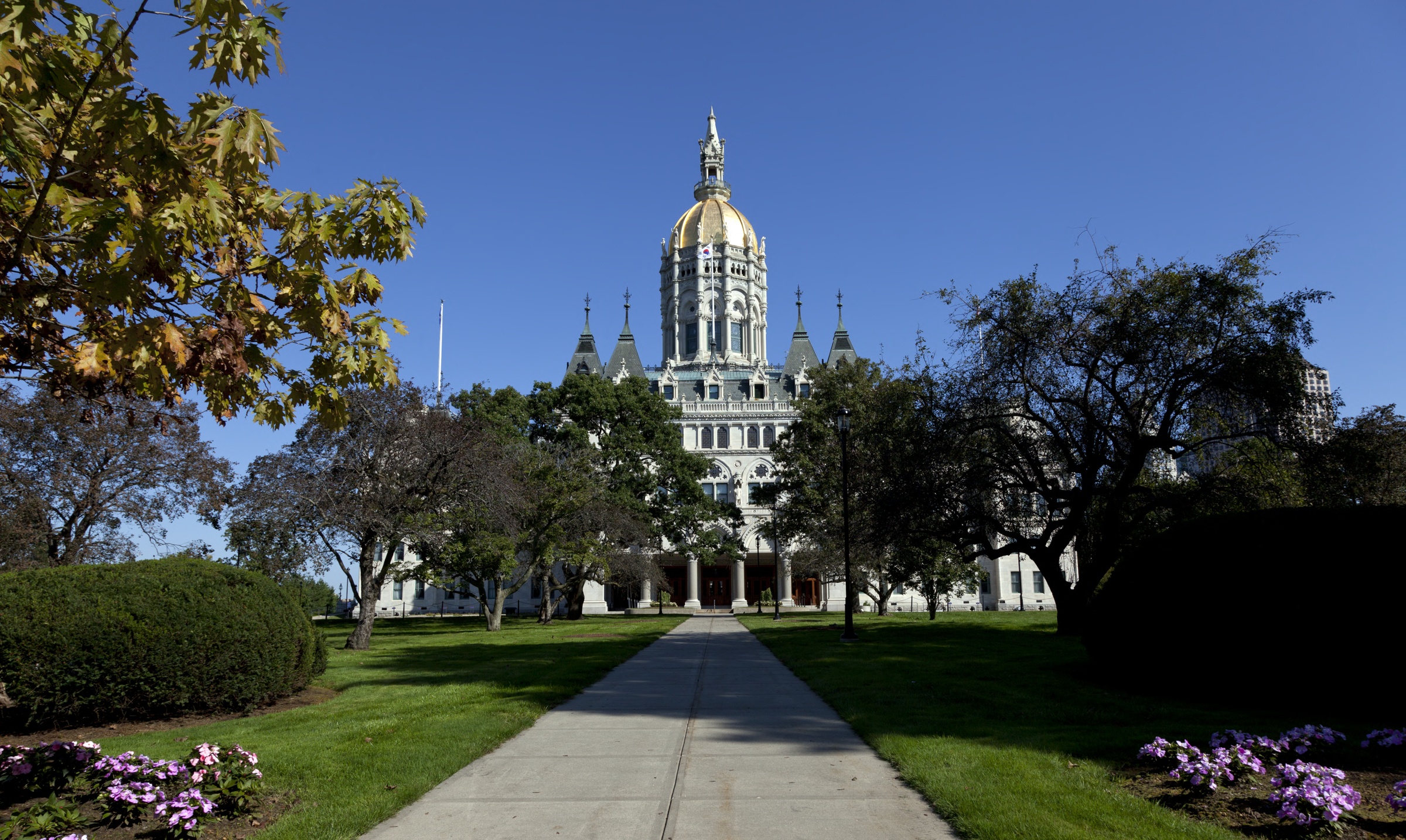
Photo: The George F. Landegger Collection of Connecticut Photographs in Carol M. Highsmith's America / Library of Congress, Prints and Photographs Division, LC-DIG-highsm-19954, October 2011. Public domain. Resized; no crop.
I think of an event photography brief as a production note. It tells the photographer where the story is, what the client needs from it, and which decisions have already been made. If that note is clear, a Connecticut photographer search can become a comparison of relevant approaches instead of a contest between broad promises.
Hartford convention coverage and a New Haven auditorium program illustrate the difference. One can involve activity spread across several levels; the other can depend on working quietly from approved positions. They may require the same professional standards, but they should not produce identical proposals.
I checked the Connecticut Convention Center's official facility and virtual-tour pages and Yale's Woolsey Hall request page for the local descriptions here. The scenarios are hypothetical. They are not accounts of personal assignments, a statement that a venue is available, or a directory of open photography jobs.
The Hartford production note begins with levels
The Connecticut Convention Center's official virtual tour identifies its Columbus Boulevard entrance and lower lobby on Level 1. It places exhibit halls on Level 3, the Landing and boardrooms on Level 4, and ballroom and meeting spaces on Level 6. These distinctions belong in a working brief when the event uses those areas.
A request for convention-center photographs leaves too much unresolved. Which presentation, exhibition, or reception is included? Where does it happen? What image does the client need from it? A photographer cannot answer those questions from the building name alone.
I would begin the note with the actual booked rooms, not every space the venue can offer. The public virtual tour is useful orientation, but the event's current approved layout controls the working plan. Screens, stages, displays, and circulation routes can differ from the tour and from galleries of previous events.
A room change can be a coverage decision
Imagine a Hartford conference with an exhibit visit on Level 3 and a presentation on Level 6. If the client requests essential moments in both at the same time, the note contains a conflict. The photographer cannot solve it by promising to move faster between floors.
Ask which moment can be shifted or repeated, which receives priority, and whether another photographer is needed. I would put the decision beside the schedule so nobody assumes it disappeared. A clear limitation is more useful than a reassuring sentence that hides the physical problem.
The organizer should supply the approved route and access instructions. A public tour's description of connections does not establish event-day permissions, available doors, or a universal transfer time. The working note needs current instructions for the crew and equipment actually assigned.
Do not let the view replace the people
The operator describes river and downtown views from the ballroom level's pre-function space. If the client wants that setting recognizable, say so. If the purpose is networking or a particular introduction, identify the people and moments instead of leaving the photographer to guess.
A room view can explain the setting without being the most important photograph. I would ask the client to rank it against speaker coverage, required groups, and sponsor evidence. Attractive architecture should support the commission rather than draw attention away from the relationship the client needed recorded.
If a group is proposed in an adjacent area, confirm that the event has access and that the position fits the approved plan. A public description does not make every space available. Prepare an alternative that preserves the photograph's purpose if the intended background cannot be used.
The Hartford note needs a subject key
A program can identify speakers while saying little about the guests who matter to the client. I would ask for a short, approved subject key: the required people, why they matter to the photographs, and who can identify them on site. This is an organizing tool, not a request for unnecessary private information.
For example, an association may need its incoming leadership together, a sponsor representative participating, and a presenter meeting members. The photographer can make those images more effectively when someone connects names to faces. A list alone may not be enough in a busy foyer.
Give formal groups an actual time. If people are expected to gather after a presentation, identify who gathers them and checks the roster. The photographer can direct the arrangement, but should not have to search several levels for participants they have never met while another required moment begins.
Separate sponsor evidence from general atmosphere
A sponsor request can mean a logo, a display, people interacting, or a planned group. Ask which. A distant sign in a room view may not satisfy a report, while a close photograph of branding may not show participation. The brief should define the image rather than assume the category explains itself.
If sponsor images will be distributed to another organization, discuss that intended use before booking. The commission's permissions should fit the actual audience. A partner receiving a report and a partner using pictures in its own advertising can be different requests to settle.
I would also identify screens or displays that should not appear in released images. The photographer needs a practical way to recognize the restriction and a contact for uncertainty. An instruction to be discreet cannot communicate facts only the organizer holds.
The New Haven production note starts with permission
Yale's official Woolsey Hall request page identifies the hall as a concert auditorium in New Haven used primarily for official university functions and musical events. It says availability for other uses is extremely limited. A photography guide should not present it as an unrestricted venue anyone can assume they have booked.
For an authorized program there, I would begin with the commissioning contact and the actual permissions. A request page establishes that there is a process; it does not establish that a particular event or crew has been accepted. The organizer must confirm the booked program and working instructions.
That distinction matters even when the photographer knows the building. Familiarity does not supply a credential, permission to move during a performance, or rights to distribute images. A new assignment needs its own instructions from the people responsible for it.
Define the program before requesting stage coverage
A lecture, interview, concert, and formal ceremony can all involve a stage, but the important moments differ. I would ask what the client needs to communicate and which parts are essential. The photographer should not infer the job from the word auditorium.
For a hypothetical lecture, the desired sequence might include the introduction, a clear speaker image, audience attention, and a host greeting afterward. For a music program, the relevant evidence and restrictions may be different. These examples are planning possibilities, not statements of Woolsey Hall policy.
Ask the program team where the photographer may work, when movement is allowed, and what additional equipment is permitted. Do not interpret technical features or public photographs as authorization. The practical note should distinguish confirmed positions from requests still awaiting approval.
The quiet approach should be visible in the evidence
I would review a complete authorized sequence from a comparable auditorium assignment. Does the work show timing, expressions, and context without relying only on one broad architectural view? Can the photographer explain how they worked within the program's restrictions?
The client should understand the difference between documentary coverage and an arranged photograph. If a host group is needed after the program, schedule it and gather the participants. Do not expect the photographer to interrupt the event to create an image that was never agreed with the organizer.
If reception coverage elsewhere is added, name that separate location and window. The auditorium's public information cannot establish access at another property. A program change should produce a revised plan, not an assumption that everything nearby is automatically included.
The shortlist review is a reading exercise
I would read a photographer's delivered gallery alongside the proposed production note. For Hartford, I would look for consistent work across presentation, exhibit, and networking situations. For New Haven, I would examine stage timing and the ability to tell the event's story within defined positions.
A handful of favorites can show style, but it cannot establish the consistency of a complete assignment. Look for recognizable people, useful expressions, and transitions that make the sequence understandable. Repeated variations of one attractive frame may add volume without answering the client's purpose.
Ask what the person actually did on the example job. Were they lead photographer, an additional photographer, or an assistant? Each role can offer relevant experience. It should not imply responsibility for the whole program if another person handled planning, main coverage, and final delivery.
I would not insist on identical venue history. Someone new to a room can prepare carefully using current instructions. Someone familiar with it can still assume an outdated arrangement. Specific preparation and relevant work are stronger evidence than a claim of knowing every Connecticut event space.
A reference should test the handoff of information
Ask a previous client how changes reached the photographer. Did the person flag a conflict before it became a missed moment? Did they ask for identification help when it was needed? Was the final set organized around the agreed requirements?
You do not need private guest details or another organization's internal program to learn those things. The reference is evidence about communication and responsibility. One clear example can be more useful than a long description of the photographer being pleasant.
Mark the note before it becomes an agreement
I would mark each unresolved item with the person who can answer it. The organizer supplies the current rooms, program, required people, restrictions, and access. The photographer explains the proposed coverage, staffing, equipment, selection, editing, and delivery. Neither should quietly fill gaps that belong to the other.
For a Hartford multi-level assignment, check that the coverage window and staffing support the essential sequence. For the authorized New Haven program, confirm positions and release permissions. The agreement should reflect the decisions made, not simply repeat the original vague inquiry.
Describe additions and who can approve them. A guest asking for a portrait does not necessarily have authority to redirect coverage from an essential presentation. A department may want another room added, but the commissioning contact needs to decide what it changes. Clear authority protects the actual program.
Compare proposals on the work included rather than a headline total or image count. Different segments, staffing, rights, and delivery requirements can make two offers quite different. More files do not automatically provide a more useful record of the images the client cannot miss.
Rights need ordinary language
Say whether the photographs are intended for internal records, public posts, press, partner materials, or advertising. Receiving files is not a complete explanation of permitted use. The agreement should describe the audience and permissions relevant to this particular commission.
The photographer's own promotion is another question. A client accepting a private gallery has not necessarily approved public portfolio use. Discuss the permission required and honor any restriction instead of introducing a surprise after an otherwise successful assignment.
If a selection needs approval before release, identify the reviewer and what they check. The photographer should not have to guess whether an absent contact has approved sensitive material. Decide what waits when the reviewer is unavailable and how the final decision is recorded.
Practical clearance is part of preparation
If insurance documents are required, obtain the current instructions and check them against the proposed photographer and crew. A gallery cannot prove policy terms, and a certificate used at another event may not satisfy this request. Keep the requirement specific rather than invent a universal rule for Connecticut venues.
Explain equipment before arrival. A backdrop, light, or stand needs an approved position compatible with circulation and production. Portable does not mean unrestricted. A client adding a fixed station should also understand how it affects roaming coverage by the same person.
The arrival note should contain the reporting contact, confirmed entrance, allowed arrival window, and equipment route. An attendee invitation may omit those details. Mark any unanswered item honestly rather than invent an instruction that looks settled.
For another property or city, make a separate note. A Hartford facility page cannot establish New Haven access or permission at a private celebration elsewhere. Work from the actual schedule and locations instead of a general statewide travel assumption.
Photographers: respond like someone who read the production note
For the Hartford example, I would address the levels, essential moments, and subject identification. I would show relevant work across presentation and networking situations and explain any coverage conflict. The organizer needs evidence of a specific approach, not a biography pasted into every inquiry.
For the New Haven example, I would discuss comparable auditorium work and make approval of positions and uses explicit. I would not claim that prior campus experience supplies permission for a new program. A careful question can be more persuasive than an unsupported assurance.
ProShoot's published workflow describes posting jobs, comparing bids and portfolios, and selecting a photographer. Its photographer process includes applying and presenting work. Use that opportunity to explain the actual commission. A profile does not by itself establish credentials, insurance, availability, venue history, or permission to show another client's material.
Keep examples authorized. If the relevant gallery is private, choose another permitted example or obtain approval through the appropriate route. A new job should not be won by exposing a previous client's restricted event. That care gives the next organizer useful evidence about trust.
Do not promise a market instead of a service
The facility pages cited here do not establish statewide demand, seasonal peaks, industry spending, or open photography jobs. I would not use company lists, academic calendars, sports history, or festival recurrence as a substitute for an actual inquiry.
Respond to the authorized work being offered. Check the location, arrival needs, program, and any additional function before confirming availability. State conditions that remain open and explain what depends on them. That helps the client compare realistic proposals rather than promises with different hidden assumptions.
Close the production note with the delivery route
Ask what the client will do with the gallery first. A Hartford communications team may need sessions and sponsor material easy to find. An authorized auditorium program may need a release-approved set separated from other documentation. Discuss an organization that supports that task.
If captions or names are included, identify the person who verifies spelling, titles, and affiliations. The photographer should not guess those facts from memory or a partly visible badge. An accurate record needs reliable information as well as a clear image.
Set the delivery date and any earlier selection separately. Editing during the program affects coverage, so describe the workflow and review route before promising it. A casual request for quick images should not become an unlimited live-editing obligation hidden inside a photography job.
State storage and access terms actually provided. Do not promise permanent availability unless that is part of the service. The assignment ends more cleanly when the client knows where the agreed images are, which await review, and how factual corrections are handled.
Choose the note you can confidently approve
The right Connecticut shortlist is built from the actual program. Hartford's multi-level convention example asks for a realistic sequence and good subject coordination. The New Haven auditorium example begins with authorized access and working positions. A photographer may fit both, but their proposal should demonstrate why.
I would choose relevant complete work, honest boundaries, and a clear handoff of responsibilities. Whether you are hiring through ProShoot or applying to photograph the event, make the plan specific enough that both sides understand it. That is more useful than the broadest promise to photograph everything throughout the state.
Sources checked November 6, 2026
- https://www.ctconventions.com/about/
- https://www.ctconventions.com/explore/virtual-tour/
- https://schwarzman.yale.edu/woolsey-hall-request
- https://proshoot.io/how-it-works/
Ready to hire a professional photographer?
Post your job free and get bids from photographers near you.
Post a Job Free →