Top Event Photographers in Columbus
Compare Columbus event photography as a set of real services: presentation, participation, portraits, and delivery. Current convention-center context for hiring.
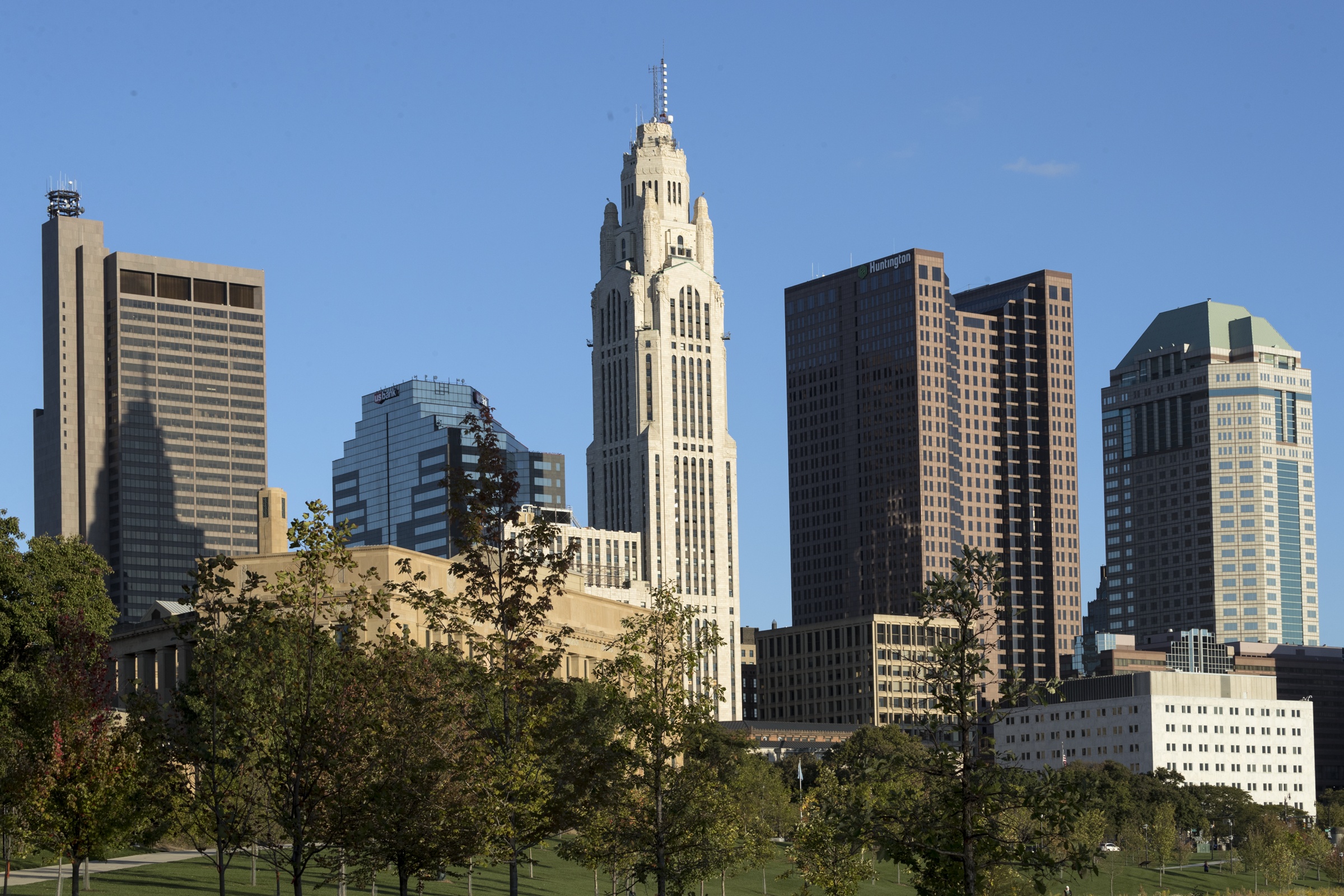
Photo: Carol M. Highsmith / Library of Congress, October 9, 2016. Public domain; Highsmith rights statement. Resized; no crop.
Two proposals can offer the same number of hours and very different services. One photographer might follow a main program and make selected informal pictures. Another team might divide a speaker record, portrait station, and participant coverage. I would compare those offers by responsibility before treating them as equivalent Columbus event photography.
The point is not to make every commission larger. A concise selected record can be exactly what the client needs. It should be chosen knowingly and delivered against that promise, rather than mistaken for a continuous record of activity in several places.
This guide uses the Greater Columbus Convention Center's official About page for local facility context. Its program examples are hypothetical, not current job listings or accounts of my own shoots. It helps clients define services and photographers respond to them; it is not a ranked list of named photographers or a forecast of local demand.
Compare three service shapes before comparing the portfolios
Imagine an organization holding presentations, participant discussions, and required leadership portraits. The first service shape is a single photographer making a selected event story. The second assigns continuous attention to a main program while another person covers other activity. The third adds a defined portrait service with its own setup and responsibilities.
Each can be appropriate for a different requirement. A smaller scope is not inferior merely because it omits a service the client does not need. A larger crew is not automatically complete if its duties are unclear or duplicated.
I would ask every proposal to identify the record it owns, the client's needed cooperation, and the conditions still open. That makes the comparison concrete. The organizer can see which requirement is covered instead of relying on a broad claim of full service.
Shape one: a selected event story
A single photographer can follow a purposeful sequence and provide a useful public recap. Ask what an absent reader should understand about the gathering. Setting, action, people, and response can support that story without promising every moment or participant.
If the photographer rotates among discussions, make that selection explicit. They can visit several rooms without witnessing each activity continuously. The client should not later judge the result against an uninterrupted record that was never commissioned.
Required groups need a place in the sequence. If they overlap essential activity, choose a priority or change the program. Flexibility does not mean one person can remain continuously attentive in separate places.
Shape two: divided event responsibilities
A team can assign a main presentation to one person and participation elsewhere to another. The proposal should identify who owns each required record. Without that clarity, several cameras can still duplicate the same appealing activity and leave another obligation uncovered.
The client should also know how changes reach the team. If a speaker moves rooms or a required group becomes available, one organizing contact should be able to settle priorities. More people do not eliminate the need for a current shared plan.
Ask who coordinates selection and delivery. A collaborative gallery can be coherent when the responsibilities are planned. It should not arrive as disconnected contributions that the client must reconcile without knowing what each was supposed to include.
Shape three: a defined portrait service
A portrait station has a result of its own. Identify whether the client needs a leadership group, a series of teams, or consistent individuals. Those are different workloads, with different gathering and setup needs.
Assign someone who knows the roster to identify and gather participants. The photographer can arrange the image without recognizing every unfamiliar person. If an essential participant is absent, the organizer should choose whether to wait, return, or approve an alternative.
A fixed setup cannot also be continuously roaming elsewhere. If the same photographer performs both tasks, the schedule must show when they switch. If another person covers the event, name that responsibility rather than leave it implied.
Put the service shape into the actual Columbus spaces
The Greater Columbus Convention Center's current About page names Battelle Grand, Union Station, and Short North ballrooms. It also describes exhibit and meeting space, atriums, concourse features, show offices, and hotel connections. This guide omits numerical totals and ranking language.
Those distinctions help identify questions, not automatically answer them. The brief should name the actual booked rooms and current configuration. A public room category does not establish installed staging, show lighting, permitted movement, or a portrait position.
If the service depends on a particular arrangement, mark it for confirmation. The photographer should not guarantee the view in a promotional image or assume the client has booked every adjacent feature named by the operator.
Battelle Grand: identify the program, not a superlative
The operator names Battelle Grand as a ballroom. For a hypothetical plenary there, the useful photography questions concern the actual presentation and required record. A ranking about the space's scale would not tell the crew which moment matters most.
Ask for the approved production plan and current sequence. Which speaker or exchange cannot be missed? Does the client need a clear presenter image, room context, and participant response? Those views serve different users and should be intentional.
If another duty overlaps the essential moment, resolve it through the service shape. A selected-story offer may prioritize the main program; divided coverage may protect both. The decision should not remain hidden behind similar wording in two proposals.
Union Station and Short North: preserve distinct assignments
The official page lists Union Station and Short North as separate ballrooms. A client should use the correct booked name rather than generalize both as another ballroom. For a multi-part program, the actual timing and use establish the photographic obligation.
A hypothetical recognition meal in one room and a separate discussion elsewhere create different attention needs. Recognition may require a repeatable presentation convention; discussion may require minimal interruption. The crew should understand that change in treatment.
If the host wants recipients to pause with a presenter, communicate it beforehand. If the event should flow without interruption, agree on an observational sequence instead. The camera alone cannot create the opportunity a held portrait needs.
Meeting rooms: selected participation is a legitimate choice
For a hypothetical workshop component, ask whether the client wants a general sense of learning, required facilitators, or every assigned presenter. The fact that several discussions happen does not automatically mean the commission includes complete records of them all.
An observational approach can preserve exchanges without stopping every group. If formal portraits are required, give them a defined moment and gathering contact. Do not conceal a facing-the-camera requirement inside a candid workshop brief.
When rooms or times change, update the plan the crew actually follows. An attachment nobody identifies as current can leave the wrong version in use. Name the organizing person responsible for changes.
Atriums and concourses: make the interaction requirement legible
The operator describes atriums and concourse features. For a hypothetical interval, decide whether the client needs general atmosphere, selected partner introductions, or an identifying group. The physical category does not tell the photographer which relationship matters.
A logo can establish an organization's presence without showing participation. A conversation can show involvement without identifying the required people. If the client needs a partner record, explain the use and provide someone who can make introductions.
Additional guest requests should go through an authorized priority decision when they conflict. The request may be worthwhile without automatically outranking the commission. The photographer can explain what would be displaced and ask while a choice remains possible.
Exhibits: match the record to the client's evidence need
The official page identifies exhibit space. A hypothetical exhibit assignment might require untouched displays, demonstrations, interactions, or every required organization. Those are separate purposes and should be planned as such.
For a setup record, identify who confirms readiness before guests arrive. An early photographer cannot guarantee installation has finished or access is authorized. For demonstrations, identify the meaningful action and whether an approved repeat is possible.
If a subject is unavailable, the photographer should report it before waiting consumes another duty. A return visit or alternative should be a client choice. Controlled product work needs its own defined result rather than being assumed from an object appearing at an event.
Show offices and connections are not permissions
The operator lists show offices and hotel connections among facility features. A public description does not make an office available for portraits or give the crew authority to use a connected property. Ask the actual event contact for the relevant authorization.
The same distinction applies to arrival. A public address does not settle crew check-in, equipment movement, or restricted areas. Get current instructions for the attending team and setup rather than reuse assumptions from an earlier event.
If credentials or insurance are required, obtain the current specification and confirm the crew can satisfy it. A portfolio cannot prove compliance. This guide does not create a universal Columbus venue requirement from one possible booking's terms.
A second property needs a real feasibility check
If the program includes another location, use its actual address and schedule. Do not turn a hotel connection or broad neighborhood description into a guaranteed transfer time or permission to work there.
Ask which duty has priority if timing changes. A photographer leaving a main program for an added portrait cannot protect both without a choice. The client should understand that consequence before directing the change.
Keep a conditional option visibly conditional. A possible room or setup should not silently harden into an expected deliverable because it appeared in a proposal draft. Name the fact or permission needed before the promise becomes firm.
Review portfolios by role, not just style
I would ask for authorized complete evidence of the service's difficult part. A selected story needs coherence; a continuous presenter record needs consistency; portraits need the intended look across the assigned people. A small highlight set can establish taste without proving all three.
Ask which work the applicant personally handled and who will attend. A team gallery may combine several roles. Accurate attribution helps the new client evaluate the actual offer instead of assuming one person simultaneously made every category of image.
If confidentiality limits a full example, request a permitted alternative. Another client's private gathering does not become available for disclosure because a prospect wants evidence. Respect for that restriction matters to this client's own trust.
Ask a reference what the photographer made easier
A concrete example can reveal whether the crew raised a conflict in time and whether delivery was usable. Did the client know which required images existed and how to find them? Did an added group receive an authorized decision rather than silently displace something essential?
The inquiry need not expose private participant information. Keep it focused on communication, responsibilities, and the finished service. A broad compliment may be sincere while telling the new organizer little about these behaviors.
Past venue experience can help, but the current plan still needs verification. A responsible first visit is possible when the photographer identifies which facts come from the organizer and which remain open.
ProShoot applicants can identify the service they are offering
ProShoot's published client workflow includes posting work, reviewing bids and portfolios, and choosing a photographer. Photographers can apply and present relevant work. Use the exchange to define the actual commission, not promise local demand, earnings, or constant opportunities.
An applicant should name the record they will own, how concurrent duties will be handled, and the client cooperation needed. Check availability across arrival, setup, assigned coverage, and any agreed editing. Identify the actual attending crew.
Do not invent personal Columbus assignments or imply access from a public facility page. Relevant evidence and a credible verification plan can stand on their own. A listing does not confer permission for show offices, connected properties, or restricted positions.
Let the organizer compare an actual conflict
Give finalists the same small scenario: the main presentation continues, a required group is ready, and a workshop moves rooms. Ask each proposal to explain what its service can protect and which decision belongs to the client. The selected-story offer may need a priority; divided coverage may allocate two duties; the portrait service may need the group to reach its agreed position.
The answer should match the staffing offered. A proposal that names a limit is not necessarily less capable than one that claims every task will happen. It may simply make the decision visible while the client still has a way to change the plan.
Keep the comparison fair after the client chooses
Once a service is selected, preserve its actual boundaries. If the client considered a portrait station but chose roaming only, the final gallery should not be assessed as though the station was commissioned. If the client adds it later, discuss the new duties rather than silently treating an earlier rejected option as included.
The same applies to the crew. If an approved change affects who attends, revisit the responsibilities and evidence relevant to that change. The organizer should know who owns the essential record instead of discovering a different allocation at the event.
A compact final scope can carry these decisions without becoming a dense manual. It should name the people responsible, the tasks included, the essential outcomes, and the unresolved conditions. That gives both parties a shared reference when a new request appears and a fair basis for recognizing completion afterward.
Finish the service rather than simply transferring files
Agree on selection, editing, organization, intended uses, delivery, storage, and access. If captions are included, identify the factual reviewer. Names and roles should come from a reliable source rather than a visual guess made to complete a field.
If an earlier selection is needed, define who produces it and who photographs while editing happens. The actual scope should govern the allocation rather than an unexamined speed promise. A second task can create a conflict even without extending the event's duration.
If public release needs approval, keep that status visible. The photographer's own portfolio or promotion is a separate use to agree on. A privately delivered record does not automatically become publicly shareable after the event ends.
At closeout, reconcile essential duties with the actual program and authorized changes. Explain an absent participant, canceled activity, or unresolved permission before the client discovers a gap by searching. A known issue should not be hidden inside a high-volume gallery.
For me, the right Columbus proposal makes the service understandable before the event and the record useful afterward. Compare responsibilities, confirm the real spaces, and choose the evidence that supports the commission. That is a fairer test than treating every offer with similar hours as the same work.
Give the receiving editor a role in the comparison
The person who will use the delivery can help distinguish the three service shapes. Ask them what they need to find first and which omission would create the most work. Their answer may favor a coherent recap, complete presenter identification, or consistent portraits rather than simply more photographs.
Share that requirement with each finalist and ask how their actual staffing supports it. The response should connect duties to outputs, not merely repeat the available hours. If a smaller service is sufficient, record why it meets the need. If another duty is essential, commission it explicitly. This keeps the final selection from being judged against a service the client never chose and gives the photographer a clear reason for the organization and attention promised in the proposal.
Sources checked November 6, 2026
Ready to hire a professional photographer?
Post your job free and get bids from photographers near you.
Post a Job Free →