Top Event Photographers in Chicago, IL
Hiring guidance and photography job advice for Chicago clients and photographers.
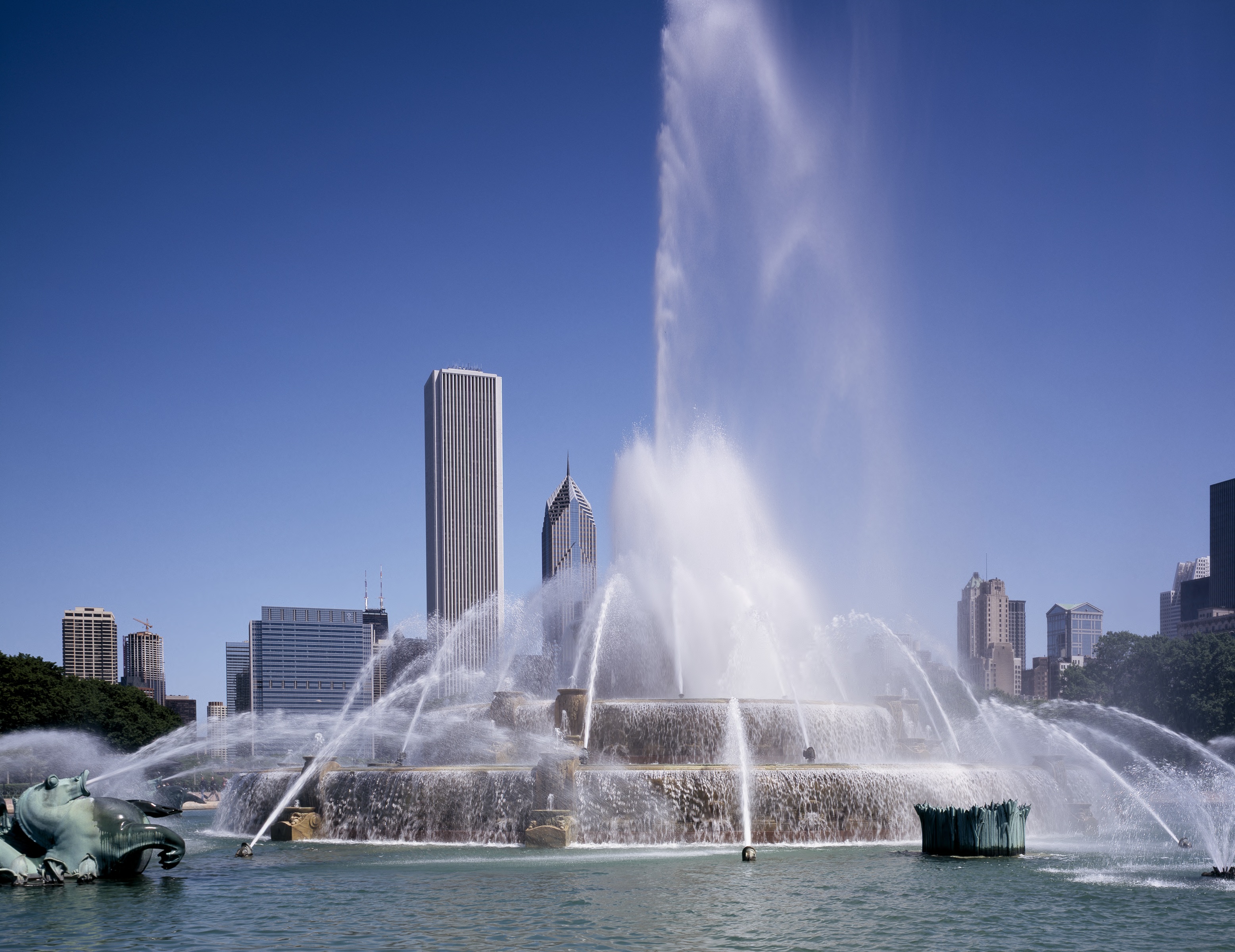
Photo: Carol M. Highsmith / Library of Congress. No known restrictions on publication. Resized.
I would hire against the photographs the organizer has to deliver
An event organizer often has several people waiting for photographs: communications, sponsors, leadership, perhaps the people who attended. They do not necessarily need the same files. When hiring an event photographer in Chicago, I would name those deliverables before choosing a style.
That turns a broad request into a commission somebody can plan. A photographer can propose coverage that serves the actual users, and the client can inspect work that resembles the desired result. It also gives photographers seeking event jobs a more useful way to present their service.
This guide works through a hypothetical Chicago event folder. Each section describes a different set of photographs a client might need and the planning behind it. The convention, hotel, workshop and other examples are not accounts of events I claim to have photographed. They are practical tests for a brief and a proposal.
Folder one: the convention story
Imagine a Chicago convention organizer needs a gallery that explains the event to members. The story might include the opening, stage program, exhibit activity and informal exchanges. Ask which parts are essential and which can be represented through selected coverage.
If McCormick Place is the venue, its current official information establishes the facility. The organizer must supply this event's rooms, credentials and working access. A venue name does not tell the photographer where the assignments are or which entrances and positions are approved.
Put the program and floor plan together. A presentation in one room and a demonstration elsewhere can create an overlap. If the client needs a complete record of both, discuss a staffing plan. If a representative story is sufficient, rank the moments so the photographer can make informed choices.
For pre-opening pictures, confirm when the space will actually be ready. An empty booth or prepared stage needs access before people enter, not merely an arrival matching the public opening. Name the person who can tell the crew what is ready and what is still being assembled.
A relevant portfolio should show a coherent conference sequence. I would read beyond the first few images and inspect the ordinary coverage: people listening, exhibitors explaining, room context and transitions. A gallery of stage highlights alone may not answer the broader assignment.
What belongs outside the convention folder
Not every photograph made at a convention belongs in every delivery. The client may need to keep a private meeting separate, restrict a demonstration or exclude visible material that was not intended for distribution. Define those boundaries in the brief.
The photographer needs a contact who understands the restrictions and can answer a question. A general warning about confidentiality leaves the crew guessing about facts only the organization knows. Give operational instructions without unnecessary private reasons or unrelated business detail.
If captions require specialist terminology, have an authorized person supply and check it. A photographer should not invent the meaning of a demonstration or guess an affiliation from a badge. The visual record and the factual description need different sources of accuracy.
For photographers, explain how you would work within the instructions without promising to recognize every confidential detail at sight. A thoughtful limit is more credible than a guarantee that nothing inappropriate can ever enter a frame regardless of the room setup.
Folder two: sponsor participation
A Chicago organizer may need sponsor photographs for a separate report. I would ask what each sponsor expects the pictures to demonstrate. A clear view of a display, a genuine interaction and a posed representative portrait are three different outputs.
Make the purpose explicit. If the report needs activity, tell the photographer when the relevant demonstration occurs and who can identify it. If it needs the installation, schedule a moment when the area can be photographed unobstructed if access allows.
Do not ask for an image implying participation that did not happen. An arranged portrait can be useful, but it should not be passed off as a spontaneous interaction. The assignment should produce an honest record of the event, not a manufactured account of a sponsor's success.
Clarify who receives these files and what use is intended. Sponsor access should not be assumed merely because a logo appears in a photograph. Discuss the recipient and distribution in the agreement rather than letting a later request silently widen the audience.
For portfolio evidence, look for context as well as branding. Can the photographs show what people did around the activity? Does the sequence explain something beyond the presence of a sign? A client can assess relevant work without relying on a photographer's unsupported promise of a particular business outcome.
Folder three: leadership and employee portraits
Imagine a company adds portraits to a Chicago meeting because its team is together. I would separate the portrait service from the event story immediately. The client needs to say how many people, what appearance is required and what each participant should receive.
If portraits must match an existing set, provide the actual reference. Discuss the room available for the setup and any limits it creates. A different background or smaller space may require a different approach. The photographer should explain that before participants expect an exact match.
A staff coordinator should manage the queue and verify names if named files are requested. The photographer should not be searching the meeting for the next employee while the setup sits unused. Decide how missed appointments are handled and when the session closes.
The schedule must account for simultaneous coverage. One photographer at a portrait station cannot photograph a presentation in another room at the same moment. Ask for an explicit schedule or staffing answer rather than treating portraits as work that happens invisibly during a break.
For portfolio review, compare several people as a set. Consistency matters to a staff page or company directory. A single dramatic portrait may be excellent but still leave the buyer unable to judge the repeatable service being proposed for the team.
The portrait folder needs an identity process
If the company wants filenames matched to names, decide how that information is collected and checked. The photographer should not reconstruct identities from memory after a long event. Give the coordinator a process and keep the necessary information limited to the assignment.
State the portrait output and any agreed selection or retouching. Separate it from the meeting gallery so the recipient understands what each folder contains. A client should not assume that every face photographed during a reception receives the same treatment as a commissioned staff portrait.
Ask who approves the portrait appearance. Several departments can hold different expectations, and those should be settled before the session. The photographer cannot satisfy a new reference introduced only after the participants have left.
For photographers seeking company work, make this process easy to understand. You do not need a technical lecture. Explain the space, coordination and handoff needed to deliver the result. A practical service description gives the buyer something concrete to approve.
Folder four: a hotel awards dinner
For a hypothetical Chicago hotel dinner, the organizer might need a precise record of recipients and presenters. That is a program task as well as a photography task. I would ask who coordinates the stage and where the photograph is meant to happen.
Agree on a pause and position. Presenters and recipients should know where to face if a clean record is required. The photographer should not have to direct each handoff from the aisle while the event continues around them.
Provide a checked list of names and a way to identify people. If captions are requested, have an authorized organizer verify names and titles. The photographer should not rely on hearing every introduction correctly over room noise or matching faces to a program afterward.
The dinner may also need reception, table or group photographs. Decide which are planned and which are candid. Roaming coverage does not reliably produce a posed photograph of every table or every relationship the organizer considers important.
Portfolio evidence should include the active dinner, not only a beautiful empty room. Look at speeches, reactions and groups. Ask what lighting and access were available on the earlier job, then check the current venue instructions for the proposed equipment and approach.
Folder five: a workshop or demonstration
Imagine a private workshop in another Chicago location, with participants moving through several activities. The organizer wants photographs that explain the program. I would ask what the activity is and which steps are meaningful to the intended audience.
The photographer can use that context without staging a false process. A demonstration, a person trying an activity and a genuine reaction can form a sequence when those things actually happen. Do not create an image that misrepresents the workshop simply to fill a promotional need.
Define access and content boundaries. Screens, notes or prototypes may not be meant for distribution. Ask who can explain the limits and answer a question if the arrangement changes. The crew should not have to infer permissions from the fact that the room is open.
If each station needs complete coverage, say so. If a representative story is enough, say that instead. The output determines the plan. One photographer making short visits is not equivalent to a detailed record of simultaneous activity at every station.
For a portfolio, look for context connected to details. A tight image of hands can be attractive while explaining little on its own. The buyer should see evidence that the photographer can make the activity understandable to someone who did not attend.
Folder six: an outdoor group and an alternative
A Chicago client may request an outdoor group photograph before an indoor program. Begin with the exact location and who controls it. Check current requirements for the proposed group, equipment and use through the responsible operator or organizer.
A scenic background does not create permission. If approval is needed, identify who obtains it and confirm it before treating the plan as settled. The photographer should not arrive with participants while the organizer assumes the camera makes access automatic.
The alternative location needs to be specific and usable. If conditions make the outdoor plan unsuitable, where does the group fit? Is the room available? Does the changed background or space require a different arrangement? Give the photographer notice before everybody lines up.
Check current conditions close to the event. A general description of Chicago weather is not a forecast for this assignment. Name the person authorized to move the activity and how the crew will receive the instruction.
Photographers should explain the possible differences honestly. A fallback is a way to preserve a workable assignment, not a promise that every location produces an identical result. The client benefits from understanding the choice before the date.
The folders do not solve a two-address schedule
If the program moves between Chicago addresses, list each one and identify where coverage stops and resumes. Equipment packing, transport, entry and preparation are all part of the move. A route estimate accounts for only part of that transition.
Ask which moments are fixed. A group portrait may move earlier while a departing speaker cannot. The organizer should identify that flexibility so the photographer can propose a practical arrangement rather than assuming the first draft cannot change.
If continuous coverage is needed during the move, discuss the staffing or schedule required. One person cannot finish a photograph at one location and begin another elsewhere at the same instant. Make the gap visible and choose deliberately.
Photographers should state their base and travel assumptions accurately. Familiarity with the city does not settle access at every venue or make every transition possible. Ask for current information for this particular job before promising a plan.
A client comparing candidates should send the same current program. Otherwise different proposals may reflect different assumptions rather than different approaches to the same assignment. Read those assumptions before deciding which document appears more complete.
The agreement is the index to the delivery
I would want the proposal to identify the parties, date, addresses, coverage hours, staffing and responsible organizer. Then it should state the outputs, format, method, recipients and deadlines. A separate early selection belongs in the scope if requested and accepted.
Describe intended image uses, including public promotion, internal distribution, sponsors, partners and advertising when relevant. Do not rely on undefined wording to settle a consequential rights question. Seek qualified advice for the applicable jurisdiction and circumstances where needed.
Name the person authorized to approve changes. A new address, additional output or expanded audience should not appear through an informal request from somebody outside that role. Keep material revisions visible so the client and photographer share the same commission.
At handoff, explain which folders are complete and what each selection is for. State unresolved information directly. A recipient should not have to inspect every file to discover whether an early edit is being mistaken for the final gallery.
Feedback should return through one contact. Separate factual corrections, missing agreed items and new requests. That gives both parties a practical way to complete the work without an indefinite conversation about what might have been implied.
For photographers looking for Chicago event work
Lead with evidence that fits the assignment. A conference buyer needs a conference story. A company portrait buyer needs a consistent set. A workshop organizer needs an activity sequence. Make the relevant work easy to see before listing every other service.
Respond to the actual brief. Address the date and place, identify the question that affects your plan and be honest about any venue experience you do not have. You can describe useful preparation without inventing familiarity or access.
Use ProShoot's current how-it-works page if that is the route you use to connect. This guide does not guarantee platform features, available photographers or results. The introduction still needs an agreement between the people commissioning and doing the work.
For clients, I would choose the candidate whose photographs and proposed method fit the required delivery. The folders are only an organizing idea. The real test is whether the buyer and photographer can explain the same job before it begins and recognize a complete handoff when it ends.
Before you decide, ask the recipient to read the plan
The person commissioning the photographer may not be the person using the delivery. Ask the communications or archive contact to review the proposed outputs. If they need captions, named portraits or separate selections, resolve those needs before the photographer prepares the files.
Then ask the candidate which requested folder is least supported by the current program. Perhaps the portrait session has no coordinator, the sponsor interaction overlaps with the keynote or the outdoor group has no confirmed location. An honest answer reveals a problem the client can still fix.
The organizer should also identify the photograph that matters most if the day compresses. Put that priority in the brief. It may be an award record or a particular group, not the most visually impressive scene. The crew needs the client's purpose to guide the choice.
Name an alternate event contact and delivery recipient if the original organizer will be unavailable. A clear route for a question prevents a small gap from becoming a guess. It also helps a finished gallery reach the people waiting for it rather than sitting with someone who has already moved to another responsibility.
That final check is how I would turn a promising Chicago portfolio into a commission: connect every necessary output to a workable plan, and make the remaining uncertainty explicit before anyone says yes.
Keep that agreed version available to the crew.
Sources checked November 6, 2026
Ready to hire a professional photographer?
Post your job free and get bids from photographers near you.
Post a Job Free →